


Starting an online business in the New Year can feel exciting and scary at the same time. The good news is you don’t have to quit everything or invest huge amounts of cash to get started. Many digital models grow step by step, using simple tools, repeatable systems, and content that works while you sleep. This list walks through practical, scale-friendly ideas you can launch from a laptop and grow over time. Pick one, start small, and focus on building something you can improve week by week.
1. Niche Membership Community Around One Problem

A niche membership site lets you support people who share a specific challenge or dream. Think “freelancers landing first clients,” “new moms starting side hustles,” or “students learning design.” You charge a low monthly fee and deliver value through group calls, Q&A threads, and small resource libraries.
Start in a private Facebook group or Discord server to keep costs low. Use simple tools like Google Docs and Canva to create checklists, templates, and mini guides. Do a live call once a week and answer questions. Invite early members at a small “founding” price so you can learn what they want.
As the community grows, record sessions and upload them so new people can catch up. Over time, add tiered plans: a base community level and a higher tier with hot-seat calls or personal feedback. Keep the focus on one clear outcome so your content doesn’t spread too thin. This kind of business grows through referrals and word-of-mouth as members get results.
2. Digital Template Shop for Busy Creators
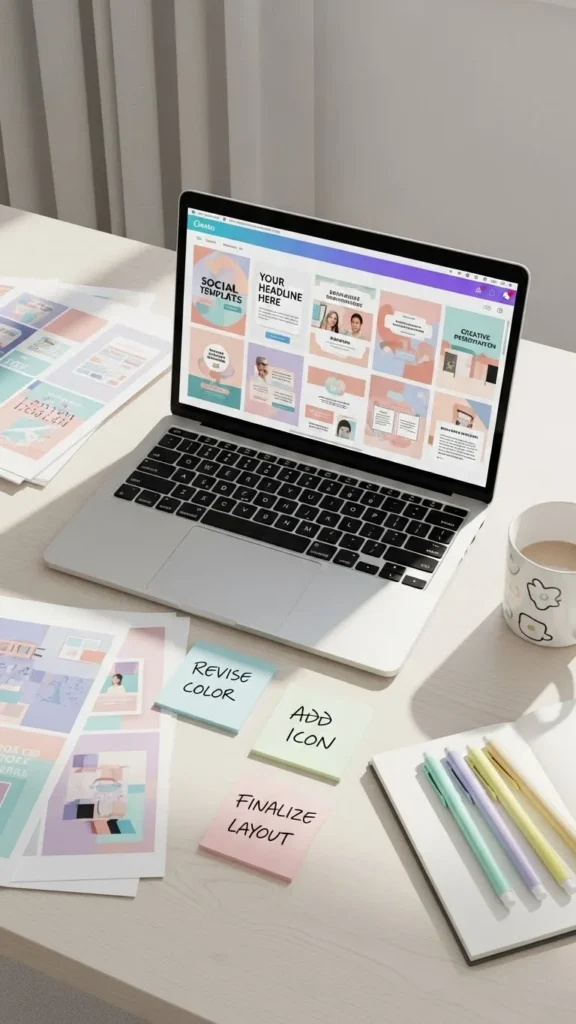
If you love layout and simple design, a digital template shop can grow quickly. Creators and small businesses want ready-to-use templates for social media, e-books, pitch decks, and worksheets. They often lack time or design skills, so they’re happy to pay for done-for-them files.
Start with one platform like Etsy or Gumroad. Create themed packs: Instagram carousels, e-book layouts, webinar slides, or email graphics. Use free or low-cost design tools such as Canva or Figma. Keep the designs clean, with plenty of white space and easy-to-read fonts.
To keep costs down, reuse layout structures across multiple packs while changing colours and styles. Offer bundle deals so customers buy more in one order. Share preview images on Pinterest to drive organic traffic.
As your catalog grows, you can introduce “commercial use” licenses so other freelancers can resell designs they edit. This turns one template into many sales. Over time, you can move to your own website, collect emails, and launch seasonal collections for holidays or product launches.
3. Online Course Ladder Around One Skill

An online course business scales well when you build a ladder of offers around one useful skill. For example: beginner, intermediate, and advanced levels of copywriting, Pinterest marketing, or email list building. You record lessons once, then sell them repeatedly.
Start with a short “starter” course you can create on a weekend. Keep it simple: 5–7 short videos plus checklists and templates. Host it on a platform like Gumroad, Teachable, or Kajabi. Use your phone camera and a quiet room; clean audio matters more than perfect visuals.
Launch to a small audience first: friends, current followers, or people in related Facebook groups (follow group rules). Ask for feedback and testimonials. Use that feedback to polish the material and rearrange lessons.
As sales grow, add a mid-tier course that goes deeper, plus a small group coaching add-on. Each new level builds on the last, so your existing buyers become repeat buyers. Over time, your course library becomes an asset that sells during live launches and evergreen funnels.
4. Newsletter Business With Paid Editions
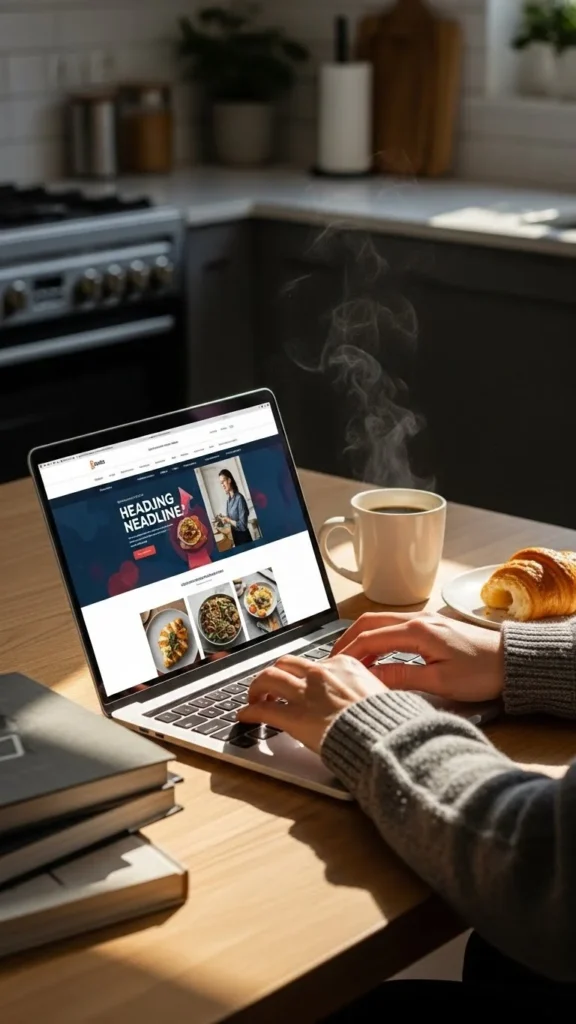
Email newsletters can become stand-alone businesses. People subscribe for curated insights, niche news, or clear how-to content. Once you build trust, you can offer paid editions, sponsorships, or digital products.
Pick a narrow topic: AI tools for writers, money-saving hacks for parents, or marketing lessons from famous campaigns. Use a platform like Substack, Beehiiv, or ConvertKit. Start with one free issue per week. Keep it simple: a short intro, a main idea, and a few curated links or tips.
Once your list hits a certain size, add a paid tier. Offer extra issues, behind-the-scenes breakdowns, or templates only paying readers receive. You can also invite sponsors whose products match your topic.
Share newsletter snippets on Twitter, LinkedIn, or Pinterest to attract new readers. Create a simple landing page highlighting the benefits of subscribing, such as saved time, clear summaries, or step-by-step guides. The work stays similar each week, but as your list grows, your income multiplies through recurring subscriptions.
5. Print-on-Demand Brand Around a Strong Theme
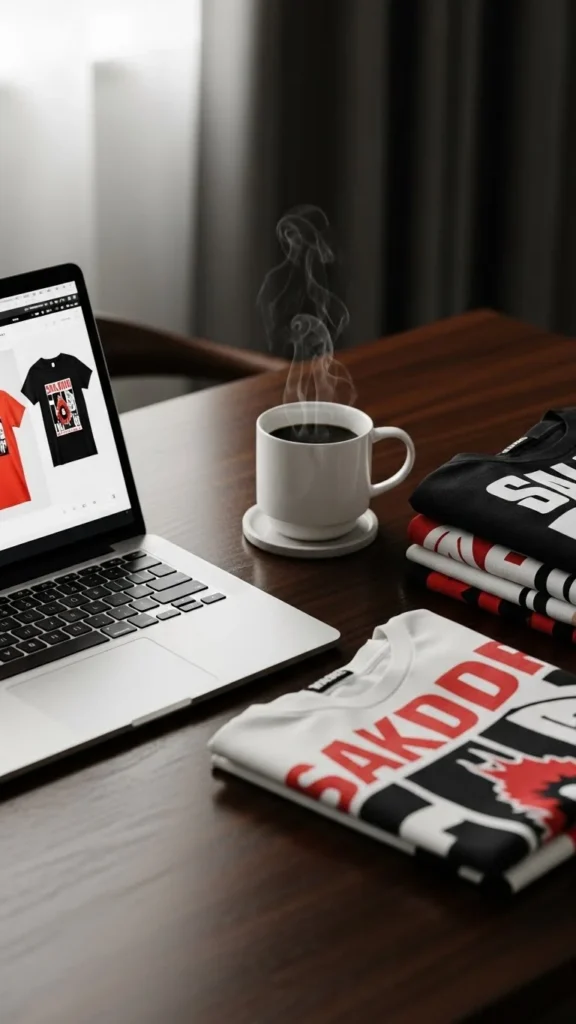
Print-on-demand lets you sell shirts, mugs, posters, and tote bags without holding stock. The secret is a clear theme and consistent message so customers relate to your designs instantly. Think “nurse humor,” “introvert quotes,” or “cat parent life.”
Use services like Printful, Gelato, or Printify connected to Etsy or Shopify. Start with simple text-based designs using strong fonts. You can create them in Canva or another design tool. Order one sample from each supplier to check print quality.
To keep startup costs low, upload only a small collection at first. Focus on one or two best-selling products like tees and mugs. Use mockups that show real-life settings: people wearing shirts in natural light, mugs on kitchen tables, posters in home offices.
Promote your brand on TikTok, Instagram Reels, and Pinterest by sharing short behind-the-scenes clips, funny skits, or outfit ideas. Once a design proves popular, create variations (colour changes, slight text tweaks) and expand into more products such as hoodies or phone cases. Your catalog grows while production stays handled by your provider.
6. Done-for-You Short-Form Content Agency

Short-form video is everywhere, but many business owners lack time to plan, edit, and post consistently. A done-for-you agency solves that with idea planning, editing, and posting packages.
Start by learning basic editing for Reels, TikTok, and YouTube Shorts using tools like CapCut or Final Cut. Offer a starter package: 10 or 20 edited clips per month. Ask clients to batch-record raw footage on their phones, then you handle trimming, captions, music, and posting schedules.
To keep expenses low, use free sound libraries and templates. Create a simple content framework: hooks, educational tips, and calls to action. Track what performs well and recycle structures that work.
As you gain clients, hire editors or virtual assistants to help with repetitive tasks. Your role can shift toward strategy, scripting, and client calls while your team handles editing and scheduling. This model scales well because your processes become repeatable systems across multiple accounts.
7. AI Automation & Workflow Setup Service

Businesses drown in manual tasks: copying data, replying to common emails, moving files, and more. If you enjoy tools like Zapier, Make, or AI chatbots, turn this interest into a service that sets up simple automations for clients.
Start with your own systems. Automate invoices, email follow-ups, and content repurposing. Document each setup. Then approach small businesses and offer a “workflow clean-up session.” During a video call, look for steps that repeat daily or weekly.
Create small packages: one automation, three automations, or a monthly retainer for maintenance. Use free or low-cost plans of automation tools at first. Record short Loom videos explaining how each system works so clients feel confident using it.
As your library of automations grows, you can sell pre-built workflows or templates, especially for popular platforms like Google Workspace, Notion, or Shopify. You do the setup once, then sell it many times, turning service work into semi-passive income.
8. Niche Affiliate Content Site

Affiliate sites earn by recommending products and services, then earning a commission on each sale. The key is focusing on one clear niche with buyers who search for specific solutions.
Choose a niche like home office gear, travel accessories for parents, or budget tech for students. Use a simple WordPress or Ghost site with a clean theme. Write comparison posts, “best of” lists, and step-by-step guides. Each article should solve a problem and recommend items that genuinely help.
Use affiliate programs from Amazon, individual brands, or networks like Impact and ShareASale. Take your own photos of products where possible, or request samples once you gain traffic.
To keep costs low, write content yourself at the beginning. Later you can outsource articles to writers once your earnings grow. Traffic can come from SEO, Pinterest, and social clips that direct viewers to your articles. This model scales as your library of content expands and rankings improve.
9. Micro-SaaS for a Tiny Pain Point

Micro-SaaS focuses on one small problem for a specific group and solves it through a simple web app. You don’t need a massive feature set. You just need a tool people are happy to pay a monthly fee for.
Examples: a scheduler for tutors, a mini CRM for local service providers, or a tracking tool for content creators. You can work with a developer or use no-code platforms like Bubble, Softr, or Glide. Start with a bare-bones version and recruit early adopters at a low price.
Hop on short calls with users to hear what they like and what feels confusing. Improve onboarding, tooltips, and basic functions. Keep the app lightweight so you don’t drown in complexity.
As churn drops and new users join, your recurring revenue grows each month. At that point you can invest in better hosting, more features, or paid ads. Micro-SaaS scales well because software can serve many users without extra labour for each account.
10. Premium Notion or ClickUp Template Store

Notion and ClickUp fans love clean, ready-made workspaces. If you enjoy building systems, you can sell plug-and-play templates for creators, students, and entrepreneurs.
Start by designing templates you would use yourself: content calendars, client pipelines, daily planning hubs, or course dashboards. Make them simple, visually clear, and easy to duplicate. Record short demo videos showing how each template works.
Sell them via Gumroad, Etsy, or a personal landing page. Offer both individual files and bundles, such as “Creator Business Hub” or “Client Service Pack.” Keep your costs low by reusing core structures across multiple products.
Share screenshots and walkthrough clips on Twitter, TikTok, and YouTube. Answer questions in comments to spark interest. As your catalog grows, add a membership option where buyers get access to all current and future templates for a monthly fee. This turns one-off sales into recurring income.
11. Online Coaching With Group Programs

If you’re experienced in a specific skill—such as freelancing, fitness, productivity, or branding—you can coach people online. Group programs scale much better than one-on-one because you help many clients at once.
Start with a small pilot group, maybe 5–10 people. Offer weekly calls and a simple curriculum over four to eight weeks. Use Zoom and a private chat group to keep costs down. Share worksheets and templates through Google Drive.
Focus your promise: one result, one type of person, one short timeframe. For instance, “helping beginner freelancers land three clients in eight weeks.” After the first round, ask for feedback and testimonials, then refine your material.
As demand grows, raise your price and run more cohorts. You can also add self-paced modules so group calls stay focused on Q&A and support. Over time, your program becomes a signature offer that runs several times a year.
12. White-Label Content Service for Agencies

Agencies often struggle with content volume. If you and a small team can write or design quickly, offer white-label services, meaning agencies resell your work under their brand.
Pick one content type: blog posts, email sequences, social graphics, or pin designs. Create packages measured by volume, such as “20 posts per month” or “60 social graphics per month.” Build clear, simple processes for briefs, drafts, revisions, and delivery.
Communicate using tools like Slack or ClickUp. Use shared folders for templates and brand guidelines. Hire reliable writers or designers as your workload grows, then plug them into your system.
Because agencies send repeat work, your income becomes more predictable compared to one-off clients. You stay behind the scenes, which suits creators who prefer production over personal branding. As your processes sharpen, you can serve more agencies without multiplying your hours.
13. UGC Studio for Brands

User-generated content (UGC) creators film natural-style videos and photos for brands to use in ads and feeds. You don’t need a huge following; you just need relatable, high-quality content.
Create sample clips using products you already own: skincare, stationery, home décor, or tech accessories. Focus on real-life use, unboxing, or simple “day in the life” shots. Edit with light filters and clear sound.
Then reach out to brands through email or direct messages. Offer content packages like “5 videos and 10 photos per month.” Brands buy the rights to use your content on their pages and ads.
As demand grows, build a UGC “studio” in your home with simple props and good lighting. You can also recruit other creators to shoot different demographics or styles. Your role can shift into managing briefs, planning content, and handling brand relationships as your creator network expands.
14. Faceless YouTube Automation Channel

Faceless YouTube channels share content without showing the creator’s face. Topics include facts, stories, tutorials, or list videos voiced over visuals. Income comes from ad revenue, sponsorships, and affiliate links.
Pick a niche like productivity tips, business breakdowns, or motivational stories. Write short scripts and record voiceovers using an affordable mic. Use stock footage, simple animations, or screen recordings.
At first, edit videos yourself with free tools like DaVinci Resolve. As the channel grows, hire scriptwriters, voiceover artists, or editors from freelance platforms. Build a content calendar with consistent upload days.
Use clear thumbnails and titles that match search intent. Over time, your back catalog of videos keeps bringing in views and ad revenue. Because you can systemize every stage—research, script, voice, edit, publish—this model scales well once you have a repeatable workflow.
15. Online Summit & Virtual Event Business

Virtual summits gather multiple experts around one topic. You host the event, capture emails, and earn from all-access passes, replays, and sponsor deals.
Choose a focused theme such as “New Year income ideas for freelancers” or “Pinterest growth for e-commerce.” Invite speakers who already have audiences. Most will join for exposure and affiliate income on ticket sales. Use a basic landing page builder to collect registrations.
Offer the live talks for free during the event window, then sell lifetime access and bonus materials. Record sessions on Zoom and upload them to a secure page.
Costs stay low with simple tools and digital delivery. After a few successful events, your email list grows and you gain a reputation as a host. You can run multiple summits per year, reusing tech setups, templates, and promo sequences.
16. Digital Stock Library (Photo, Video, or Audio)

If you create photos, videos, or audio, selling them as stock can bring long-term passive-style income. You upload once and get paid each time someone licenses a file.
Pick a style or theme: lifestyle desk photos, city scenes, short b-roll clips, or calm background music. Upload your work to sites like Adobe Stock, Shutterstock, or niche platforms. Use clear titles and tags so people can find your files.
Batch your production days. Shoot or record many items at once, then edit and upload over time. Keep the look consistent so your portfolio feels like a set.
As sales data rolls in, create more of what buyers choose most often. Over time, you can also sell bundles directly from your own site, keeping more of the revenue and building an email list of buyers who like your style.
17. Drop Servicing Agency for Local Businesses

Drop servicing means you sell services to clients, then hire freelancers to do the work, while you manage the project. It’s similar to running a mini agency with outsourced delivery.
Pick one service local businesses want: website design, social media management, SEO content, or ad creatives. Create clear packages and prices. Reach out to restaurants, salons, coaches, or local shops. Explain the outcome in simple language, not jargon.
Then build a small team of freelancers from platforms like Upwork or your own network. Start them on small projects to test reliability. Create checklists for briefs, feedback, and delivery.
Your main job becomes sales, client communication, and quality control. As you close more deals, you can add more freelancers and refine your packages. This model allows quick scaling because your capacity grows with your team, not just your hours.
18. High-Ticket Service + Productized Offer

High-ticket services bring in larger payments per client. Productized offers make them repeatable and easier to sell. You define a clear service, fixed scope, and set price instead of custom quotes every time.
Examples: “SEO blog package for service businesses,” “brand refresh in 10 days,” or “sales page copy with email sequence.” Map out each step and decide exactly what’s included. Present it as a clear package on your website.
Start with one offer. Deliver it a few times, tracking how long each phase takes. Refine your workflow and remove parts that slow you down without adding real value.
As your reputation grows, you can raise prices, hire support, and add related packages. Because everything follows a template, onboarding, delivery, and offboarding stay simple. You scale by tightening your process and adding trusted collaborators rather than reinventing every project.
19. E-Book & Micro-Product Publishing Brand

Short e-books, workbooks, and mini guides can form a digital publishing brand. You focus on one topic area and release many small, helpful products instead of one massive book.
Think “freelance scripts,” “Pinterest prompt collections,” or “30-day business launch plans.” Each product solves one small problem. Use Google Docs or Word to write, then format in Canva. Keep length manageable—20 to 80 pages is more than enough when the content is dense and practical.
Sell through Gumroad, Amazon Kindle, or your own site. Offer low prices so buyers can pick up multiple titles. Bundle related books into larger packages.
Promote using short content on social media and in your email list. Over time, your catalog becomes a network of products that cross-promote each other. As you release more titles, each new launch benefits from your existing audience.
20. Creator-Focused Tech Setup & Systems Service

Many creators feel overwhelmed by tech: microphones, cameras, lighting, file management, and backing up content. If you enjoy tech tinkering, offer a service helping them set up clean systems.
You can do this remotely via video calls. Help clients pick the right budget gear, organise folders, choose backup tools, and set up recording templates. Create checklists for each stage so your sessions stay structured.
Offer one-time “setup intensive” calls and ongoing support plans. Record short Loom videos walking through settings so they can repeat steps without asking again.
As referrals grow, you can specialise in certain creator types—podcasters, YouTubers, or streamers—and build premium packages. Document everything and eventually turn your process into a paid course or template library to layer on extra income.
21. Social Media Ghostwriting & Personal Brand Studio

Many experts want a strong presence on LinkedIn, Twitter, or Instagram but don’t have time to post daily. Social media ghostwriting turns your writing skill into a scalable service.
Start with one platform. Offer a package that includes content strategy, monthly calendars, and daily posts. Interview clients about their story, opinions, and offers. Turn their voice into short posts, threads, and carousels.
Use templates for hooks, story arcs, and calls to action. Batch content creation each week, then schedule posts using tools like Buffer or Hypefury. As you add more clients, bring on junior writers and editors.
Your studio grows by building systems for research, drafts, approvals, and scheduling. Clients stay longer when they see consistent growth in engagement, leads, and personal brand recognition. Over time, you can add content repurposing, email writing, and landing pages as premium add-ons.
Conclusion
Online business models scale best when they use simple systems, recurring revenue, and assets you can sell again and again. You don’t need fancy gear or huge budgets to start; you just need one clear idea and a plan to improve it month by month. Pick one concept from this list that matches your skills and interests, launch a small version in the New Year, and refine it based on real feedback. With steady action, your online business can grow faster than you expect.

Leave a Reply