


Online creators enter the New Year ready to refresh their affiliate approach and push for stronger sales. People want practical methods that actually move numbers, not complicated theories. That’s why this guide focuses on simple actions you can apply today. Whether you’re new to promoting products or already earning steady commissions, the ideas below help you create content that attracts clicks, encourages trust, and brings consistent referral income. Every strategy is budget-friendly and easy to test. The goal is to help you use real examples, quick improvements, and step-by-step habits that make your affiliate links more appealing and more visible during a busy shopping season.
1. Create New Year-Themed Product Roundups

Seasonal content always gets attention because shoppers search for ideas tied to a moment. A simple New Year roundup works well because it positions items as helpful for a fresh start. You can group products by category like planners, self-care kits, kitchen tools, or workspace upgrades. Keep the style simple. Short paragraphs, direct suggestions, and honest reasons for clicking help readers feel confident. When writing, highlight why the product solves a small frustration. You can create these roundups with little expense. Use natural light and your phone to capture your own flat-lay if you don’t want to rely on stock images. Even a few props from your home keep the layout authentic. Add your affiliate links in captions under each product. People respond well to clean formatting because it removes scrolling friction. Post your roundup on a blog, Pinterest board, email newsletter, or short video. Mix and match formats to see what performs best. If one group of items does well, expand it into its own theme and create a second version with related products.
2. Add Quick Affiliate Links to High-Traffic Posts

Sometimes you don’t need new content; you just need smarter placement. Look at your posts that already get many views. These pieces already bring in readers, so adding affiliate links naturally inside them increases earnings without extra writing time. Keep these links relevant. If the post talks about organizing a workspace, add items like desk lamps, storage bins, or keyboard accessories. Add one sentence that describes how the product makes the topic easier. Small improvements matter. Try embedding links higher in the post so readers see them before losing interest. You can test two or three positions and compare your clicks later. If you don’t have images, snap your own using clean daylight against a neutral background. People gravitate toward photos that look lived-in rather than staged. This technique is low-cost and perfect for busy weeks because you’re improving what you already worked hard to create. You can repeat this monthly and keep old posts generating sales year-round.
3. Build Mini “Problem–Solution” Content Pieces

People like quick answers. A short content block that explains a small problem and offers a product solution can attract clicks instantly. Keep it under three or four sentences. Start by naming the frustration. Then introduce the item that helps. Add your link right after the sentence that describes why the product works well in real life. These tiny content pieces fit anywhere: social posts, blog sections, or email reminders. You can make multiple versions with the same product, each focusing on a different angle. Try using your phone to take a simple picture of the item in use. Even a clean kitchen counter or desk creates a believable setting. Post one “problem–solution” each day for a week to see what your audience reacts to. This habit builds trust because it shows that you pay attention to everyday challenges. Viewers appreciate direct guidance and clear explanations since it saves time and avoids confusion.
4. Use Short Product Demonstration Clips

Short clips grab attention faster than long videos. You can record a simple 10–15 second demo showing the product being used normally. You don’t need fancy gear. A steady hand and a clean background are enough. People enjoy seeing items in action because it helps them imagine using them at home. Speak casually or add captions if you prefer silent clips. Try to highlight one small practical feature. Keep it relatable. For example, show how a tool folds, pours, lights up, or attaches to something. You can also film yourself opening packaging since viewers enjoy unboxing moments. Upload your clip to Pinterest, Instagram Reels, YouTube Shorts, or TikTok. Add your affiliate link in the caption or bio. Film a second version from another angle to improve watch time. These clips are quick to make and help you test different styles until you find what your audience likes most.
5. Turn Customer Questions Into Affiliate Content

People often ask about the same problems repeatedly, especially around the New Year when they want better habits or tools. Write down these questions and answer them with short content blocks that include helpful product suggestions. Keep your answers simple. Use everyday language and avoid long explanations. Show readers how the product fits their situation in a realistic way. You can gather questions from comments, emails, or your own experience. Turn each one into a mini article or social graphic. Add a picture of the item perched on a clean surface to make the content feel grounded. A single window light source adds a soft look. This approach costs nothing and gives you endless ideas for new posts. It also signals that you listen. When readers recognize their own problems in your content, they feel connected and more likely to try the products you recommend.
6. Highlight “Why I Use This” Personal Notes

Personal notes build trust quickly. You don’t have to overshare; you simply explain a small reason you prefer a certain item. This can be a detail that helped you save time, reduce clutter, or improve comfort. People like real experiences because they feel relatable. Keep your note short. Two sentences work well. Add one helpful detail that shows your honest experience. Take a simple photo of the item beside your notebook. Avoid staged backdrops. Your audience will sense natural authenticity, and that often leads to better engagement. You can place these notes inside longer blog posts or as stand-alone graphics on Pinterest. Try posting one note per week with different products. See which ones get more clicks. Once you have a few winners, expand them into larger posts. This method works well when you want to recommend lifestyle goods, kitchen tools, or desk accessories.
7. Create Seasonal Comparison Posts

Comparison posts help people choose between options quickly. You can compare two products or two versions of the same idea. Keep it simple. Add three short bullet points: what’s good, what’s different, and which situation each product fits. People enjoy clear, honest comparisons because it removes confusion. Add links under each product and mention when a more budget-friendly alternative makes sense. You can take your own comparison photo using a plain surface and natural window light. Even simple props like greenery or a cup of tea help soften the scene. Share these posts on your blog, Pinterest, or social feeds. They work especially well in January when people want tools for home organization, fitness, finances, or planners. Try pairing expensive items with cheaper substitutes to show that you’re mindful of real budgets. This creates trust because you’re not always pushing the highest price.
8. Build “Starter Kits” for Beginners

Starter kits simplify buying decisions. When you group several products into one helpful theme, people feel guided and ready to click. Create small kits like “New Year Home Office Starter Set” or “Beginner Meal Prep Kit.” Keep your list to three to five items so it stays easy to follow. For each item, explain one practical reason it matters for beginners. Use short descriptions so readers don’t feel overwhelmed. Capture your own photo by arranging items you already have. Use natural light to keep things warm and inviting. Kits save readers time because they don’t have to hunt for everything separately. Share them in blog posts, e-books, emails, or Pinterest graphics. You can make multiple kits in different price ranges to suit various budgets. This method works very well in January when people want a simple path to starting new habits, hobbies, or routines.
9. Turn Long Posts Into Multi-Pin Pinterest Series
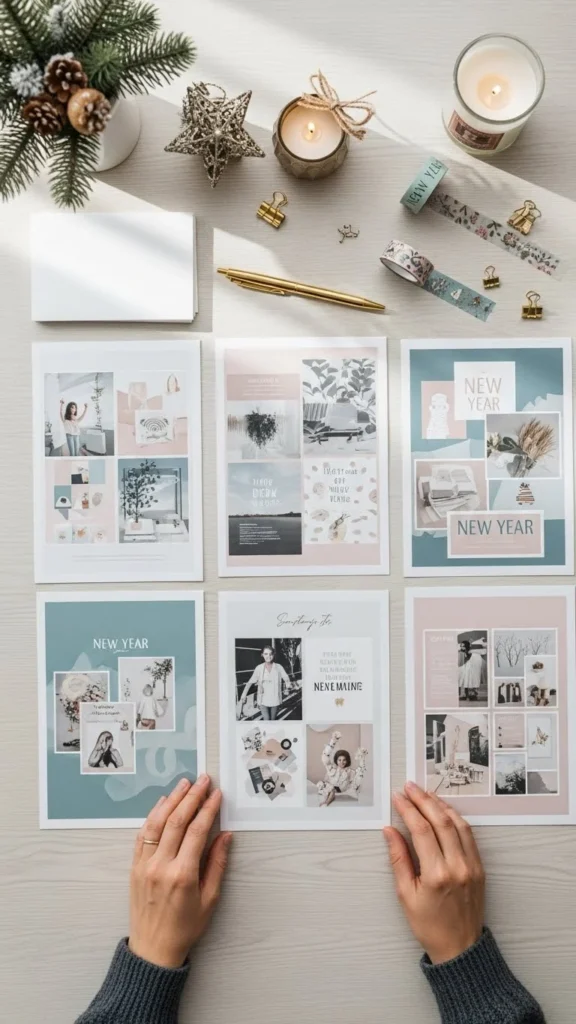
If you have long content, break it into smaller pieces. Each part becomes its own Pinterest pin with a dedicated affiliate link. Short pins tend to perform well because they focus on a single idea. Pick five to ten sections from your article and turn each into a clean pin with a clear photo. Add your affiliate link in the description. You can take your own images using props around your home. Focus on simple scenes that relate to the topic, such as a desk, kitchen counter, or cozy corner. Pin them on different boards to widen reach. This method helps you stretch one piece of content into several smaller touchpoints. Readers discover your links more often through these frequent pins. If one pin performs well, expand it into more content and create fresh versions. This habit creates a cycle of steady traffic without spending extra money on design tools.
10. Introduce “Try This First” Product Picks

Sometimes people stall because they don’t know where to begin. Give them a “try this first” pick. Choose one product that solves a tiny part of a bigger problem. Explain in a few sentences why this item is helpful for beginners. People feel less pressure when you narrow their choices. Add your link below this small recommendation. If possible, include a photo of you using the product in your everyday environment. Natural moments feel sincere and relatable. You can create weekly “try this first” posts covering different categories—beauty, kitchen, organization, budgeting, self-care, or tech. Post them on social media, your website, or inside newsletters. Readers respond well to simple direction, especially during the New Year rush when they’re making many decisions. Keep everything straightforward and friendly. This approach helps you introduce affiliate products without overwhelming people.
11. Add Affiliate Links to Printable Checklists
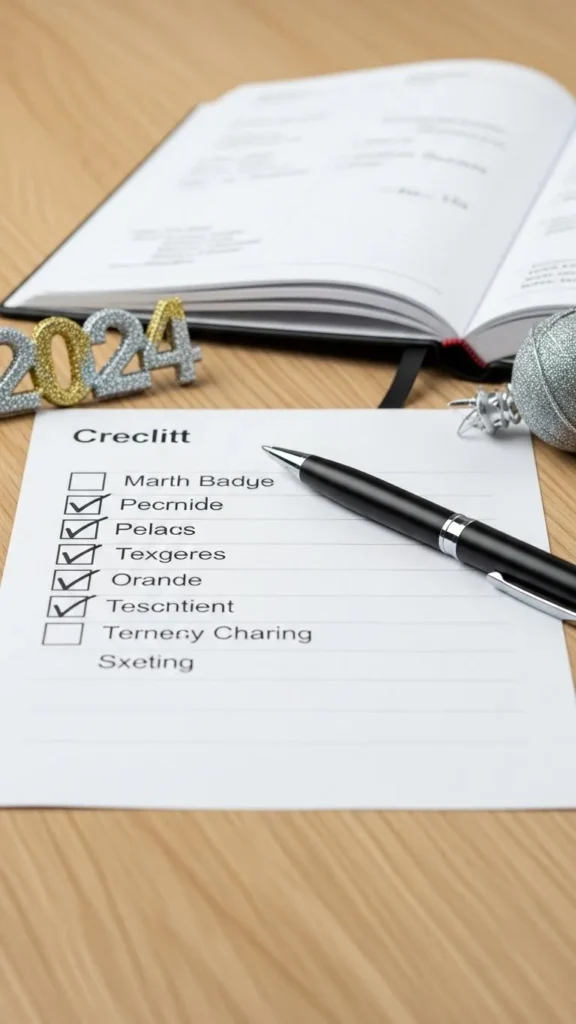
Printable checklists are popular because they’re practical. Create a simple one-page sheet that helps readers with tasks like cleaning, budgeting, organizing, or meal prep. Add small notes on the page directing readers to your recommended items. Keep your descriptions short and clear. Mention why the tool makes the task easier. The printable doesn’t cost much to create—apps like Canva work well for basic layouts. You can also take your own photo of the printed sheet against a clean background. Share it as a blog freebie or use it as a Pinterest pin. When people download your checklist, they often return to the product links listed in your earlier posts. This creates multiple touchpoints for your affiliate recommendations. You can make themed versions such as “January Cleaning Sheet” or “New Habit Kickstart Sheet” and recycle them each month with small updates to keep them relevant.
12. Share “Before and After” Moments With Tools You Recommend

Before-and-after moments get strong reactions because they show results clearly. Use everyday products that you already own—storage bins, desk tools, cleaning brushes, kitchen items, or planners. Start with a simple scene. Capture a quick “before” shot, tidy the space, then take an “after” photo. Explain in your caption how one item made the difference. Add your affiliate link below the description. People appreciate honesty, so avoid perfect magazine setups. A clean and achievable transformation resonates more. Share these moments on Pinterest, Instagram, or your blog. You can create weekly transformations in different parts of your home. These visual stories help readers imagine how the product can work for them. They also encourage consistent clicks because each improvement feels real. Small shifts in routine often matter more than large complicated changes.
13. Create Helpful “What I’d Buy Again” Lists

A “what I’d buy again” list feels genuine because it shows long-term use. Pick items you’re comfortable recommending after weeks or months. Keep your descriptions short. Explain one small detail that still impresses you. People trust long-term feedback more than untested hype. You can photograph the items in natural settings around your home. Show normal wear, like softened edges or opened packaging. Post your list on your site, email newsletter, or Pinterest board. This collection helps you recycle old purchases into fresh affiliate content. Try updating the list every New Year to reflect what still works. You can also make category-specific lists like home office items, kitchen essentials, or beauty favorites. Readers appreciate this format because it saves them from browsing endless reviews online. They value recommendations that feel lived-in.
14. Feature Mini Tutorials That Use Affiliate Products
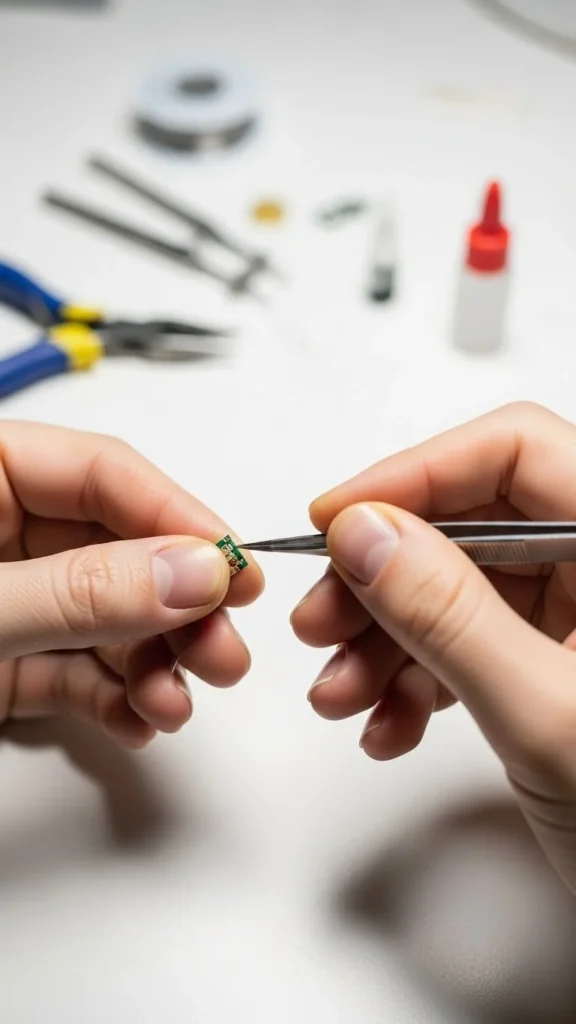
Mini tutorials help readers understand how to use a product without overwhelming them. Keep each tutorial to one or two steps. For example, show how to clean a surface with a certain brush or how to set up a planner layout. Add short text explaining why the tool fits the task well. These tutorials are simple to film or photograph using natural light. Use props you already have. This keeps your setup affordable. Post your tutorials on Pinterest, your blog, or social feeds. People enjoy seeing quick actions that they can copy instantly. Add affiliate links under each step so readers can find the items quickly. Try making a series of themed tutorials tied to New Year habits. The more specific the habit, the more likely people are to click on the product that supports it.
15. Share Real-Life Product Setups

People love seeing real setups that feel approachable. You can create a small photo scene featuring the product you want to recommend. Keep it natural instead of overly styled. A tidy desk, cozy corner, or kitchen counter works well. Describe why this setup makes daily tasks easier. Add your affiliate link under your commentary. These setups are easy to create with items you already own. Adjust your lighting by using daylight instead of overhead bulbs. Share each scene on Pinterest or your site as a mini inspiration post. Readers enjoy practical layouts because they can imagine recreating them at home. Take additional shots from different angles to create multiple pins. This method gives you steady content throughout the season.
16. Add Affiliate Products to New Year Goal Posts

Many people set goals at the start of the year. Add small product suggestions inside your posts about habits, routines, and planning. Keep the tone friendly. Use short sentences and explain how each item supports a specific goal. This keeps your content helpful instead of salesy. Snap your own photo of a journal with products placed casually around it. This scene is easy to create with minimal expense. Publish goal posts covering categories like home care, fitness, study habits, budgeting, or meal prep. Readers searching in January love organized guidance, and your product suggestions give them tools to get started. Place affiliate links near the examples for clear visibility. Reuse the same image for multiple posts by rearranging a few items to create variation.
17. Showcase “Quick Wins” With Low-Cost Items

Budget-friendly items often convert well because they lower hesitation. Pick simple tools or accessories under a manageable price. Write a few sentences explaining how this small item creates a quick improvement. People enjoy feeling that progress doesn’t require big spending. Take a clean, natural photo of the product on your table or countertop. Keep the mood warm. Share your idea across your blog and social feeds. You can create a series of “quick wins” posts and test which ones get the most clicks. Try pairing a low-cost item with a mid-range item to offer readers options. This approach works especially well for categories like home organization, cleaning, desk work, or beauty routines. It also matches the New Year mindset since people are ready to make small, helpful changes.
18. Add Affiliate Links to Email Mini-Guides

Email mini-guides give you a direct audience for your product suggestions. Keep each guide short—five to seven sentences. Add one product link that fits naturally with the advice. Mention one real benefit the reader will notice when using the item. Take a clean photo of your laptop while writing the guide to use as a visual asset on Pinterest or your site. Subscribers enjoy short guides because they don’t require much reading time. You can send weekly themes such as organizing routines, skincare resets, kitchen time-savers, or home habits. Place your affiliate link at the midpoint of the email so it doesn’t get lost. This approach is simple to maintain throughout the New Year because each guide only takes a few minutes to create.
19. Build Resource Pages With Curated Product Collections
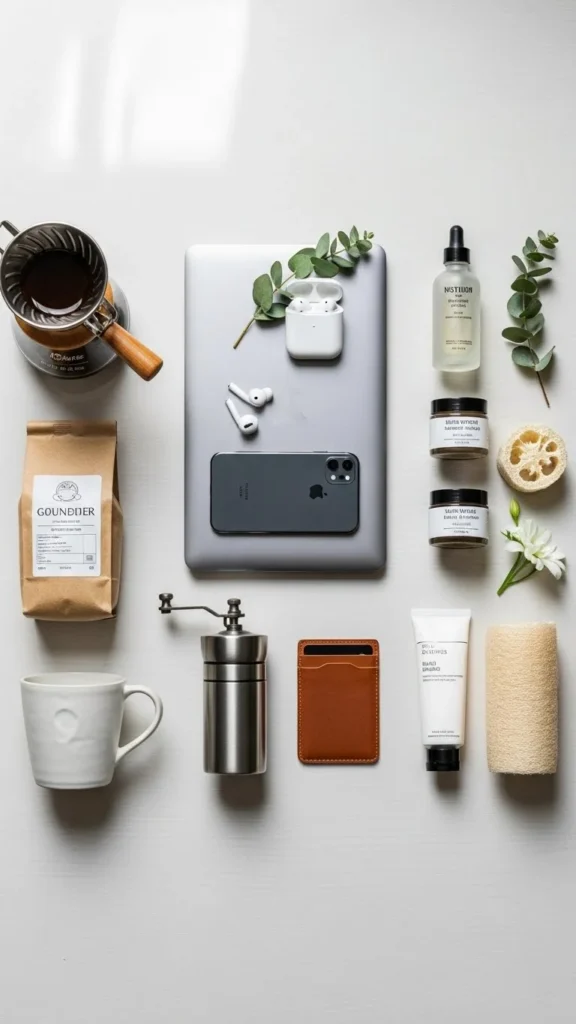
Resource pages work like digital shelves where readers browse your favorite items. Group a set of products by category. Keep your layout simple. Add two to three sentences per product explaining why it deserves a place on the list. People enjoy curated collections because they save time. You can update the page monthly to reflect current trends or seasonal interest. Photograph a few items you personally use and mix them with product images allowed by brands. Post the page on your website and link to it from your social channels. This page becomes a long-term asset that continues to bring clicks throughout the year. Add New Year categories such as planners, storage tools, kitchen helpers, or wellness goods. These lists help readers make decisions quickly.
20. Repurpose Affiliate Content Into Short Lessons

Short lessons help you teach readers something useful while recommending a product at the same time. Each lesson can be just a few lines long. Pick one topic and explain a small insight. Add a product that supports the tip. Keep everything concise. Photograph your sticky notes or handwritten tips for a personal touch. This style is inexpensive and easy to repeat. Post each lesson on Pinterest, your site, or social feeds. These lessons work well because they feel educational without being complicated. You can build entire series for habits, cleaning tricks, workspace improvements, or cooking tasks. Add your affiliate link in the caption so readers can take quick action. Over time, these small lessons create a library of practical content your audience can browse easily.
21. Share Your Weekly “Favorites List”

A weekly favorites list gives readers a peek into your current routine. Pick a handful of items that genuinely helped you this week. Write short notes explaining why the item stood out. People enjoy these lists because they feel personal and current. You don’t need professional photography. Arrange your items near a planner or journal and use natural light for a cozy look. Post your list in your email newsletter, blog, or Pinterest boards. This recurring format gives you consistent content without heavy effort. It also helps you test which categories get the most clicks. Over time, you’ll understand what your audience prefers and can create more of those themes. Since the items change weekly, you maintain variety without constant brainstorming.
22. Offer Simple “Starter Plans” With Linked Products

A starter plan helps readers begin a routine step by step. It can be short—just three steps. Choose a theme like cleaning, budgeting, fitness, or planning. Add one item to each step that makes the action easier. Explain how the tool fits into the flow. Keep all wording simple. Create a small printed version using free tools. Photograph the page with products placed beside it for a friendly, relatable look. Share your plan on your blog, Pinterest boards, and emails. People appreciate clear direction. They feel ready to start right away, which increases link clicks. You can make different starter plans for various budgets or lifestyles. They’re quick to produce and easy to update throughout the year.
Conclusion
New Year audiences want simple guidance and quick actions that help them pick helpful products without confusion. By focusing on honest experiences, short explanations, and realistic visuals, you create content people trust. Each idea above helps you share affiliate links naturally while giving readers something practical. Start small, try a few formats, and expand the ones that bring the best response. Consistency matters more than complexity. Keep showing up with clear, easy suggestions, and your affiliate income grows steadily throughout the year.

Leave a Reply