


Mindfulness practices help calm mental noise and create a steadier emotional state. Many people search for these habits when stress feels constant, focus feels scattered, or inner balance feels off. Mindfulness is not about doing more. It is about slowing down, noticing the present moment, and responding with awareness. The practices below are simple, low-cost, and easy to fit into daily life. Small moments of presence can reshape how your mind and body feel throughout the day.
1. Slow Breathing With a Longer Exhale

Slow breathing calms the nervous system quickly. Focus on breathing in through the nose for four counts and breathing out for six. The longer exhale signals safety to the body. This practice works anywhere and costs nothing.
Use it during stress, before sleep, or while waiting. Even three minutes can shift how your body feels. Keep shoulders relaxed. Let the breath move naturally.
If thoughts wander, gently return attention to the breath. Try repeating “Breathe out slowly” to stay focused. Over time, this practice builds a steady sense of calm.
2. Mindful Morning Stillness

Start the day without reaching for your phone. Sit quietly for two minutes after waking. Notice your breath, body, and surroundings.
This creates a calm tone for the day. No tools needed. No apps required. Just stillness.
Notice sounds. Notice light. Notice how your body feels. This habit reduces mental rushing.
Say “I begin calmly” before standing up. This simple pause supports steadier energy all day.
3. Body Scan Awareness

A body scan brings awareness to physical sensations. Start at your feet. Slowly move attention upward.
Notice tension without judgment. Relax each area gently. This practice helps release stored stress.
It works well before sleep or during breaks. Use a blanket or mat if helpful.
Repeat “I notice and soften” as you scan. This trains the mind to stay present.
4. Mindful Walking

Mindful walking turns movement into meditation. Walk slower than usual. Notice each step.
Feel your feet touch the ground. Notice balance and rhythm. Let your arms swing naturally.
This practice works indoors or outdoors. No special setting required.
Use “Step by step” as a mental anchor. Walking becomes grounding and calming.
5. One-Minute Sensory Check-In

Pause and notice one thing you can see, hear, and feel. This anchors attention in the present moment.
It works during busy days. It takes only one minute.
This practice reduces overwhelm and mental clutter.
Say “Here, now” to return to awareness quickly.
6. Mindful Tea or Coffee Ritual

Turn a daily drink into a mindful ritual. Notice warmth, aroma, and taste.
Avoid multitasking while drinking. Sit still. Take small sips.
This habit creates a calming pause. It trains appreciation for simple moments.
Repeat “I slow down” while sipping.
7. Observing Thoughts Without Engagement

Thoughts come and go. Mindfulness teaches observation instead of reaction.
When a thought appears, label it “thinking” and let it pass.
This practice reduces mental noise over time. No need to stop thoughts.
Say “Just a thought” to release attachment.
8. Gentle Stretch Awareness

Stretch slowly and notice sensation. Avoid rushing.
Feel muscles lengthen. Breathe naturally.
This supports relaxation and body awareness. It works well in the morning or evening.
Use “Move gently” as a reminder.
9. Mindful Eating

Eat without screens. Chew slowly. Notice flavors and textures.
This practice supports digestion and awareness.
Even one mindful meal per day helps.
Repeat “Taste and notice.”
10. Gratitude Pause

Pause and name one thing you appreciate. Keep it simple.
Gratitude shifts focus gently without forcing emotion.
This works well at night or during stress.
Say “I notice support.”
11. Mindful Listening

Listen without planning a response. Notice tone and pauses.
This deepens connection and presence.
Practice during conversations daily.
Repeat “Listen fully.”
12. Breath Counting

Count each breath cycle from one to ten. Start over if distracted.
This sharpens focus and calm.
Use during breaks or before sleep.
Say “Count and breathe.”
13. Evening Reflection

Reflect on the day without judgment. Notice moments of calm.
Write one sentence only.
This helps the mind settle before rest.
Repeat “The day is complete.”
14. Mindful Hand Washing

Notice temperature and movement of water.
This everyday action becomes grounding.
Use it as a reset during the day.
Say “Wash and release.”
15. Nature Gazing

Look at nature for two minutes. Trees, sky, or plants.
This relaxes the nervous system naturally.
No movement needed.
Repeat “I observe quietly.”
16. Single-Task Focus

Do one task at a time. Avoid switching.
Notice the difference in mental clarity.
This practice reduces stress.
Say “One thing now.”
17. Grounding Through Touch
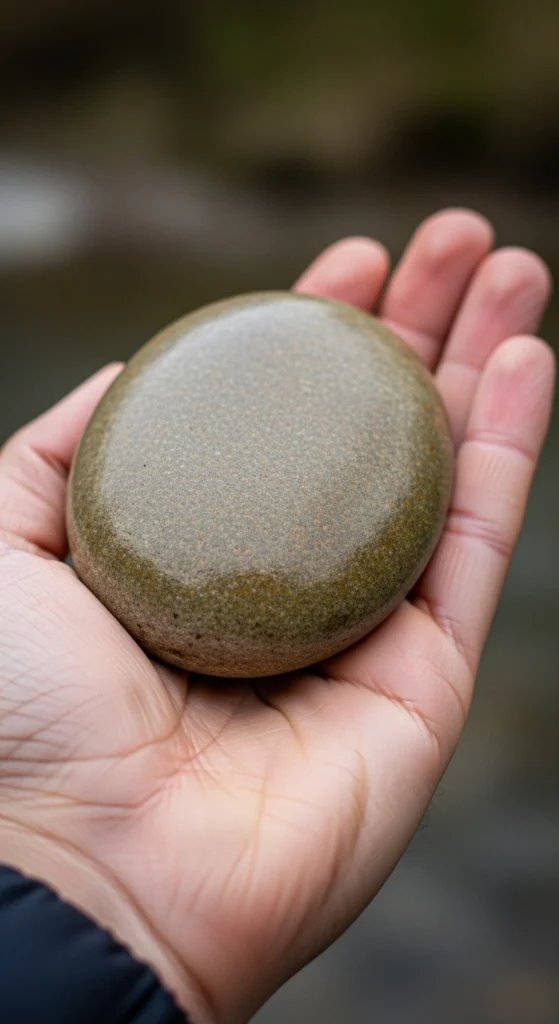
Hold an object. Notice texture and temperature.
This anchors attention during stress.
Use anytime, anywhere.
Repeat “I feel grounded.”
18. Mindful Showering

Notice water on skin. Feel warmth and sound.
Let thoughts drift without focus.
This practice resets the mind.
Say “Clean and calm.”
19. Pausing Before Speaking

Pause briefly before responding.
This creates awareness and calm communication.
Practice daily.
Repeat “Pause first.”
20. Slow Evening Lighting

Lower lighting in the evening.
This signals rest to the body.
Use lamps instead of bright lights.
Say “Evening calm.”
21. Mindful Waiting

Use waiting time to breathe and observe.
Notice surroundings.
This turns idle moments into calm ones.
Repeat “Waiting calmly.”
22. Compassionate Self-Check

Ask, “How am I feeling right now?”
Respond kindly.
This builds emotional awareness.
Say “I respond gently.”
23. Closing the Day With Stillness

Sit quietly for one minute before sleep.
Notice breath and body.
This supports deeper rest.
Repeat “I rest now.”
Conclusion
Mindfulness practices do not require special tools or long sessions. Small moments of awareness calm the mind and support steadier energy throughout the day. Choose one or two practices and repeat them daily. Over time, these gentle habits reshape how you respond to stress, stay present, and feel more balanced in everyday life.

Leave a Reply