

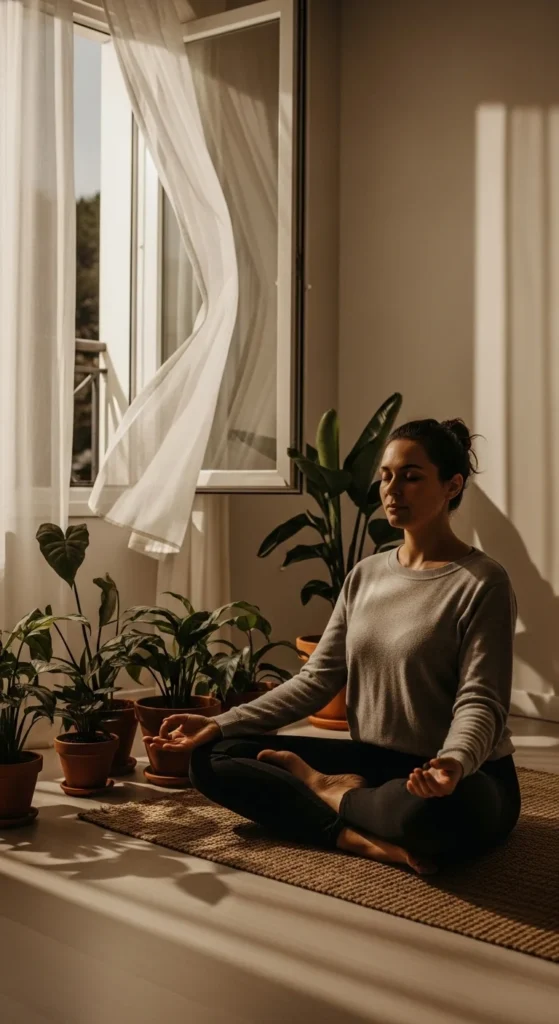
Life can feel loud and heavy, even on quiet days. Gentle energy healing techniques focus on small, calming actions that help the body and mind settle. These practices are simple, affordable, and easy to try at home. You do not need special tools or prior experience. With steady practice, these techniques can help you feel more centered, grounded, and emotionally steady in daily life.
1. Slow Breathing With Hand Awareness

Slow breathing with hand awareness helps calm racing thoughts. Place one hand on your chest and one on your stomach. Breathe slowly through your nose. Feel your hands rise and fall. This physical feedback helps your mind stay present.
Try counting four seconds in and six seconds out. Keep shoulders relaxed. If your thoughts wander, gently return attention to your hands. This can be done anywhere. On a couch. On the floor. Even seated at a desk.
This practice costs nothing and takes just a few minutes. Many people notice their body relaxing quickly. Muscles soften. Jaw tension eases. Breathing becomes smoother.
You can pair this with quiet music or complete silence. Both work well. Start with two minutes and extend if it feels comfortable. Regular practice before sleep can help the body unwind after long days.
2. Grounding Through Barefoot Standing

Standing barefoot on natural surfaces creates a strong sense of grounding. Grass, soil, sand, or even stone patios work well. Stand still. Feel the surface beneath your feet.
Notice temperature, texture, and pressure. Shift weight gently from heel to toe. This awareness pulls attention away from mental noise and into the body.
If outdoor space is limited, stand barefoot on a wooden floor or textured mat. Focus on sensation rather than location. This keeps the practice accessible.
This technique works well during stressful moments. Even one minute can help steady emotions. Many people use it in the morning to start the day calmly or in the evening to release tension.
3. Gentle Body Scanning
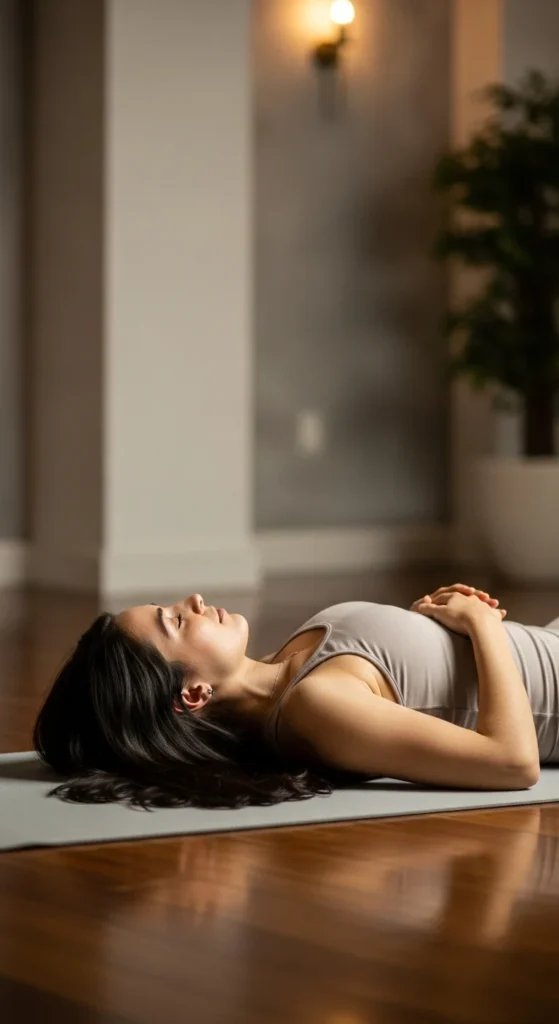
Body scanning helps you notice where tension hides. Lie down or sit comfortably. Bring attention to your feet. Slowly move awareness upward through the body.
Pause at each area. Legs. Hips. Stomach. Chest. Shoulders. Face. You do not need to change anything. Simply notice sensations.
If tension appears, breathe into that area. Let it soften naturally. This practice builds awareness without pressure.
It can be done before bed or during breaks. No equipment required. Many people find it easier with eyes closed, though that is optional.
Consistency matters more than duration. Even five minutes helps reconnect mind and body gently.
4. Palming the Eyes

Palming the eyes relaxes visual strain and mental fatigue. Rub palms together until warm. Gently cup them over closed eyes without pressing.
Block out light. Let warmth sink in. Breathe slowly. This simple act sends calming signals through the nervous system.
Use this after screen time or reading. Many people feel relief within seconds. Thoughts slow. Facial muscles relax.
This practice works well at desks or on breaks. It costs nothing and takes under two minutes. Small moments like this add calm throughout the day.
5. Self-Hug Technique

A self-hug offers comfort and safety. Cross arms over your chest. Rest hands on opposite shoulders. Apply gentle pressure.
Hold for several breaths. Notice warmth and contact. This physical reassurance can calm emotional tension quickly.
This technique is helpful during anxious moments. It is private and easy to do anywhere. Some people sway gently for added comfort.
Short and simple actions like this build emotional steadiness over time.
6. Intentional Hand Washing

Hand washing can become a grounding ritual. Focus on water temperature and movement. Feel soap texture and scent.
As you wash, imagine releasing stress. Let thoughts flow with the water. This turns a daily habit into a calming pause.
No extra time required. No extra cost. Repeating this practice builds mindful awareness naturally.
7. Soft Stretching
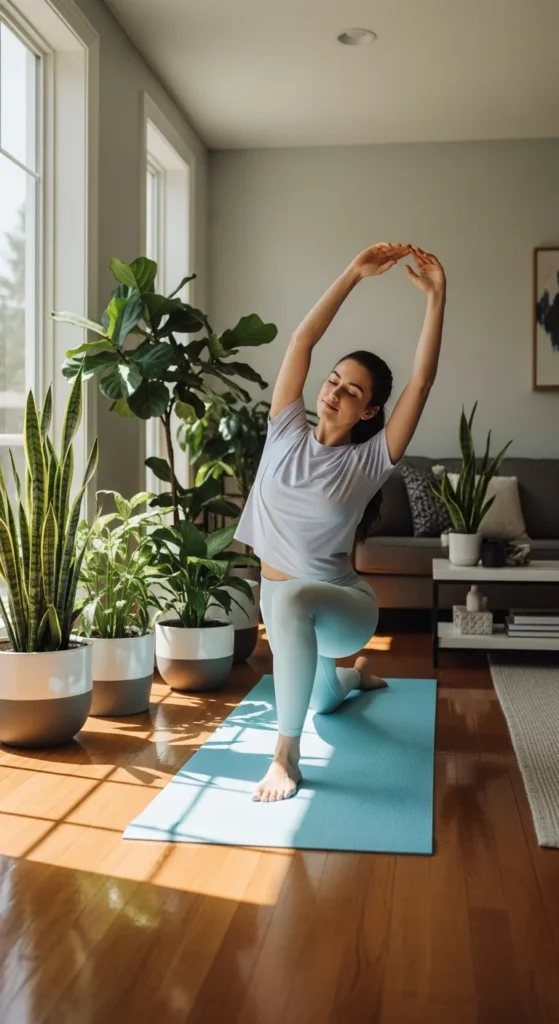
Soft stretching releases stored tension. Focus on slow movements. Neck rolls. Shoulder shrugs. Gentle twists.
Avoid forcing positions. Comfort matters more than depth. Breathe steadily during each stretch.
This practice works well in the morning or after sitting long hours. Five minutes can refresh the body without strain.
8. Quiet Sitting With a Candle
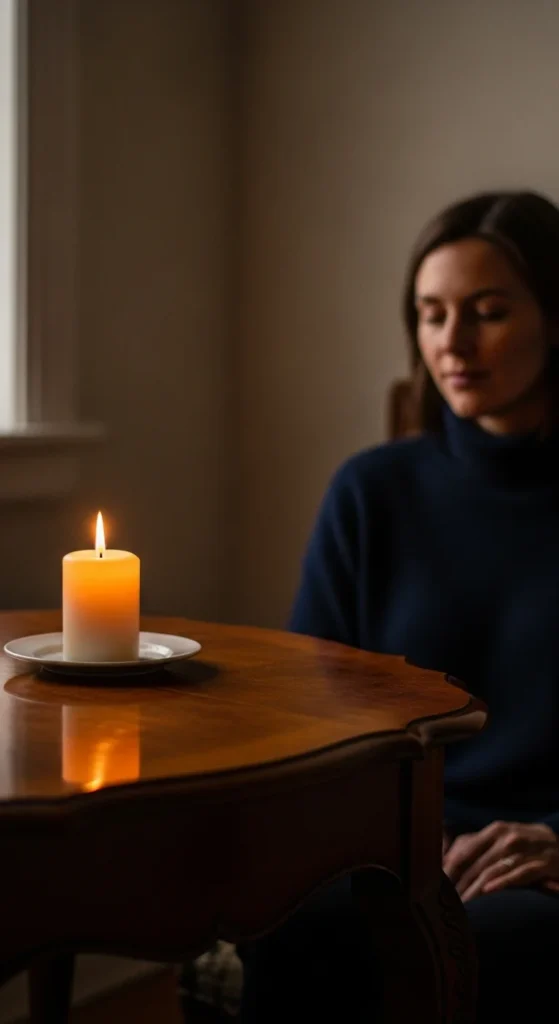
Watching a candle flame encourages focus. Sit comfortably. Gaze softly at the flame.
Let thoughts pass without attachment. If attention drifts, return to the flame. This helps settle restless energy.
Candles are affordable and reusable. Always practice safely. Even two minutes can create calm.
9. Gentle Humming

Humming creates soothing vibrations. Close your mouth and hum softly. Feel vibration in the chest and throat.
This stimulates calming responses in the body. It can be done quietly and discreetly.
Try humming for one minute. Many people feel relaxed afterward. No tools needed.
10. Salt Water Hand Soak

Warm salt water relaxes tired hands. Dissolve a small amount of salt in warm water. Soak hands for ten minutes.
Focus on warmth and sensation. This simple ritual feels comforting after busy days.
Salt is inexpensive and widely available. This practice pairs well with quiet music or silence.
11. Journaling One Feeling
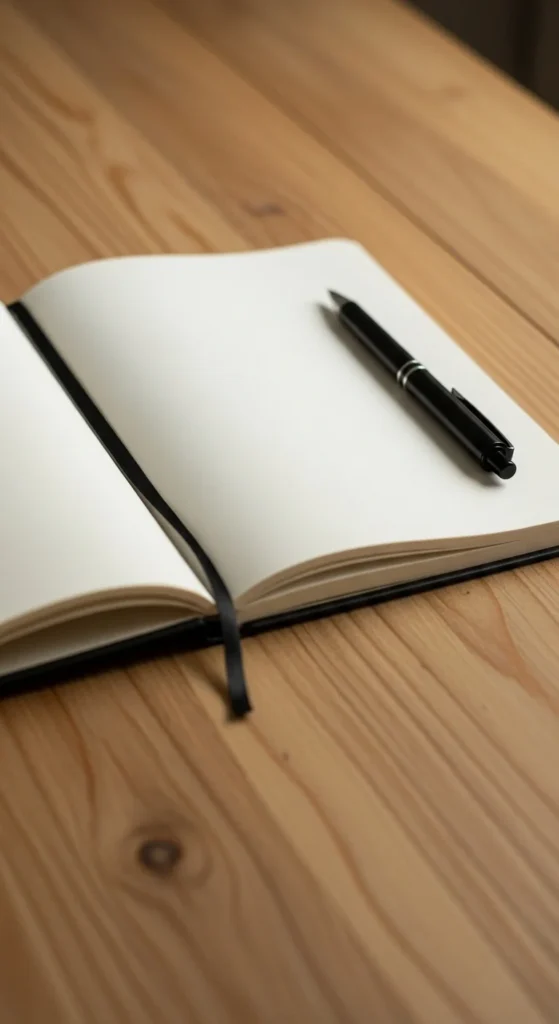
Write one feeling you notice. No long entries required. Name it. Describe it briefly.
This helps release emotional buildup. Short writing sessions reduce mental clutter.
Use any notebook or scrap paper. Keep it simple and honest.
12. Soft Music Listening
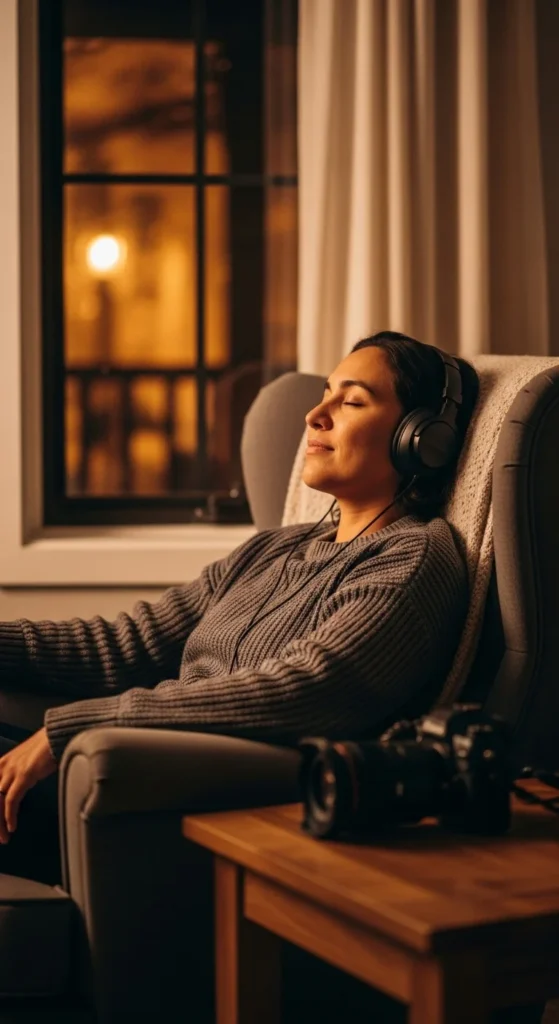
Soft instrumental music supports relaxation. Choose slow tempos. Keep volume gentle.
Sit or lie down while listening. Focus on sound layers. This shifts attention away from stress.
Free playlists are widely available. No special equipment required.
13. Warm Compress on Neck

Warmth relaxes muscles. Use a warm cloth on the neck or shoulders.
Sit quietly while applying. Breathe slowly. This helps release physical tension gently.
It works well in the evening. Towels and warm water are all you need.
14. Mindful Walking Indoors
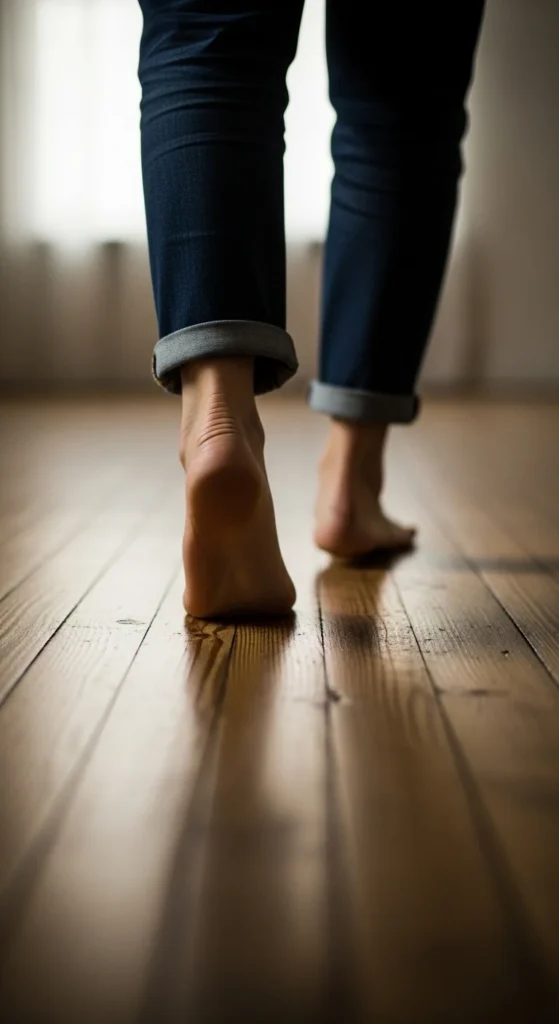
Mindful walking builds awareness. Walk slowly. Notice each step.
Feel foot contact with the floor. Keep attention on movement.
This can be done in small spaces. Short sessions help reset focus.
15. Gratitude Touch Point
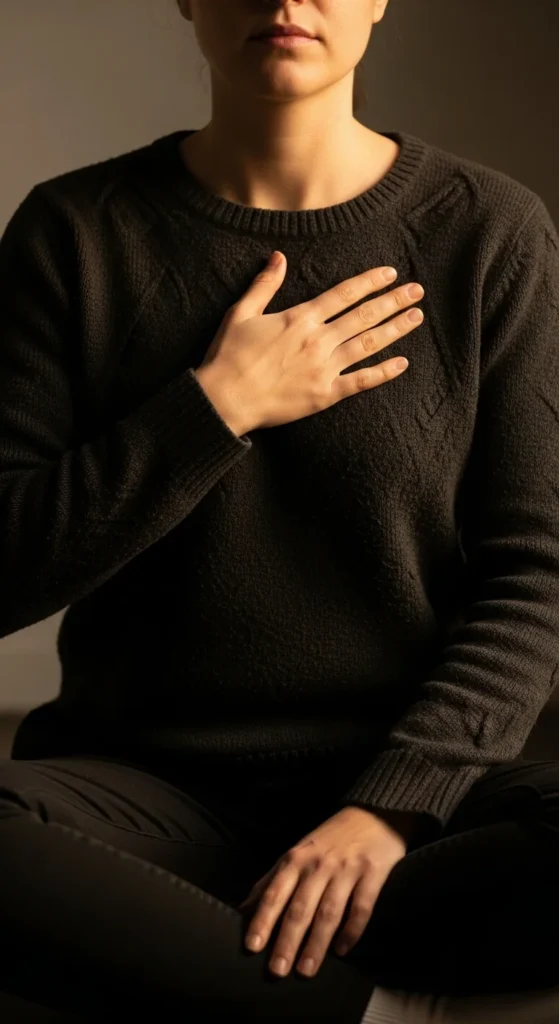
Place a hand over your heart. Think of one thing you appreciate.
Hold the thought briefly. Breathe calmly. This simple pause shifts emotional tone.
It works well during stressful moments. No preparation required.
16. Gentle Face Massage

Face massage releases tension. Use gentle circular motions on temples and jaw.
Keep pressure light. Breathe slowly. This practice feels calming and refreshing.
It requires only clean hands and a few minutes.
17. Aromatic Steam Breathing
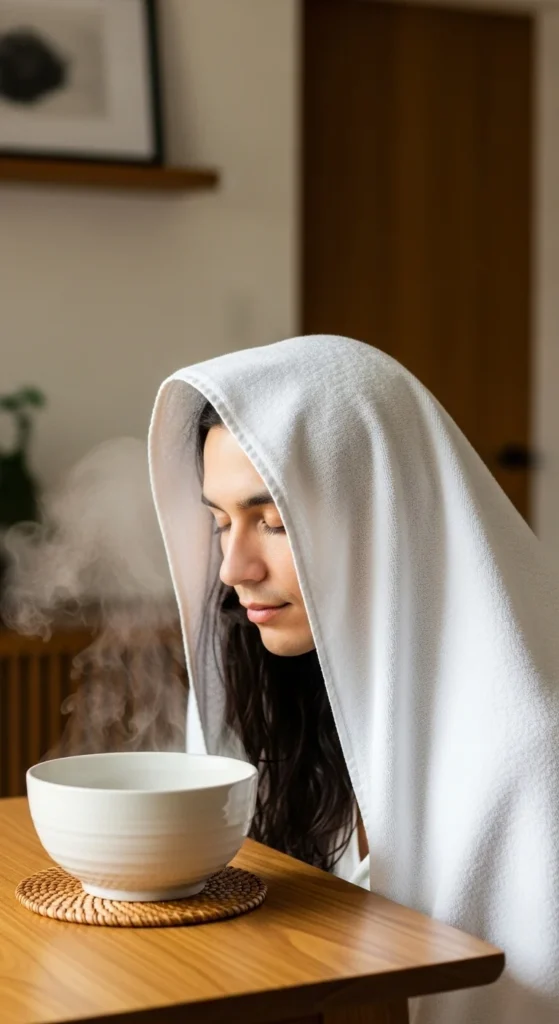
Warm steam helps relaxation. Use plain water or add herbs if available.
Breathe gently. Keep distance safe. This supports calm breathing.
This practice is low-cost and easy to set up.
18. Energy Clearing With Clapping

Soft clapping helps reset attention. Clap gently around the body.
Move slowly. Focus on sound and motion. This can feel refreshing.
No tools required. Short sessions work well.
19. Resting With a Weighted Blanket

Weighted blankets create a sense of comfort. If unavailable, layer regular blankets.
Lie still. Breathe slowly. This helps the body relax.
Many people use this before sleep.
20. Simple Visualization

Visualize a calm place. Focus on colors and sensations.
Keep images simple. This practice settles mental activity gently.
It can be done anywhere, anytime.
21. Cold Water Face Splash

Cool water refreshes awareness. Splash face gently.
Feel temperature contrast. This resets focus quickly.
It works well during long days.
22. Silent Sitting After Meals

Sit quietly after eating. Avoid screens. Breathe slowly.
This supports calm digestion and reflection.
Even five minutes helps restore balance.
Conclusion
Gentle energy healing techniques work through small, steady actions. Each practice listed here fits easily into daily life and requires little or no expense. Trying one or two regularly can help create calmer days and more centered moments. Choose what feels comfortable and repeat often. Simple habits, practiced with care, can support a steadier sense of balance over time.

Leave a Reply