

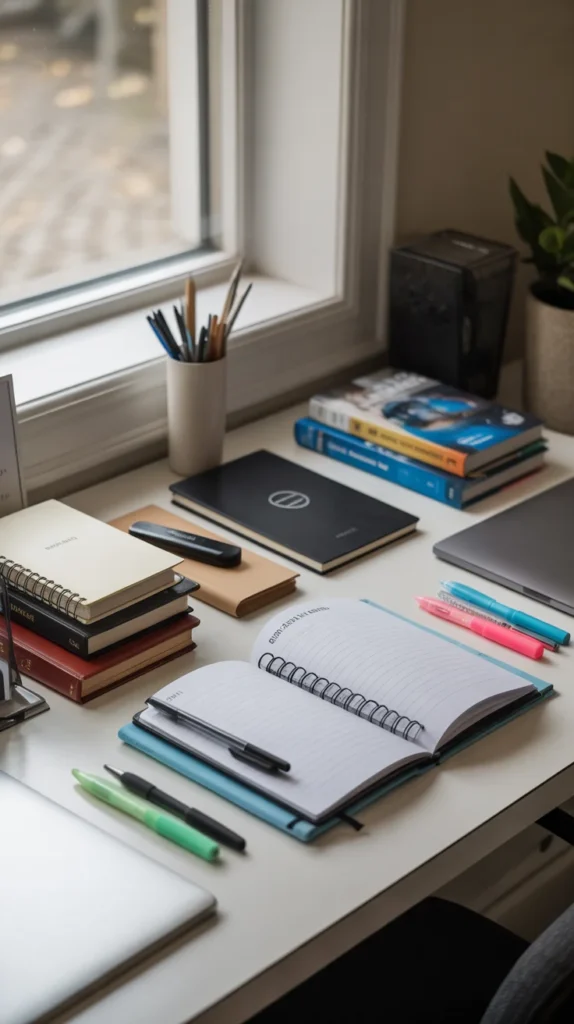
Student life comes with many goals at once. Grades, focus, routines, and balance all compete for attention. A student vision board helps turn academic goals into something you can actually see and work toward each day. When visuals stay clear and realistic, motivation feels steadier and study habits feel easier to maintain. The ideas below are designed for real students with limited time, small budgets, and shared spaces. Each one focuses on simple actions, clear routines, and steady progress toward academic success.
1. Semester Focus Vision Board
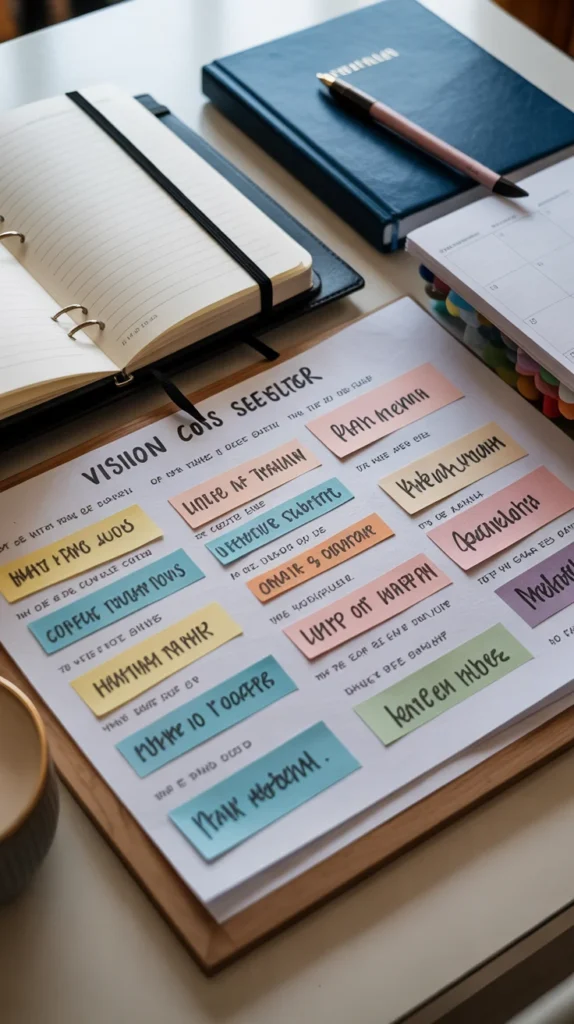
This board centers on one semester only. Choose images that represent study habits, class attendance, and steady effort. Avoid end results like grades. Focus on daily actions.
Use printer paper or cardboard. Cut out small images from magazines or print free photos online. Keep spacing open so the board feels calm.
Place it near your study desk. Seeing it daily helps keep priorities clear during busy weeks.
Update it each term so goals stay current.
2. Daily Study Routine Board
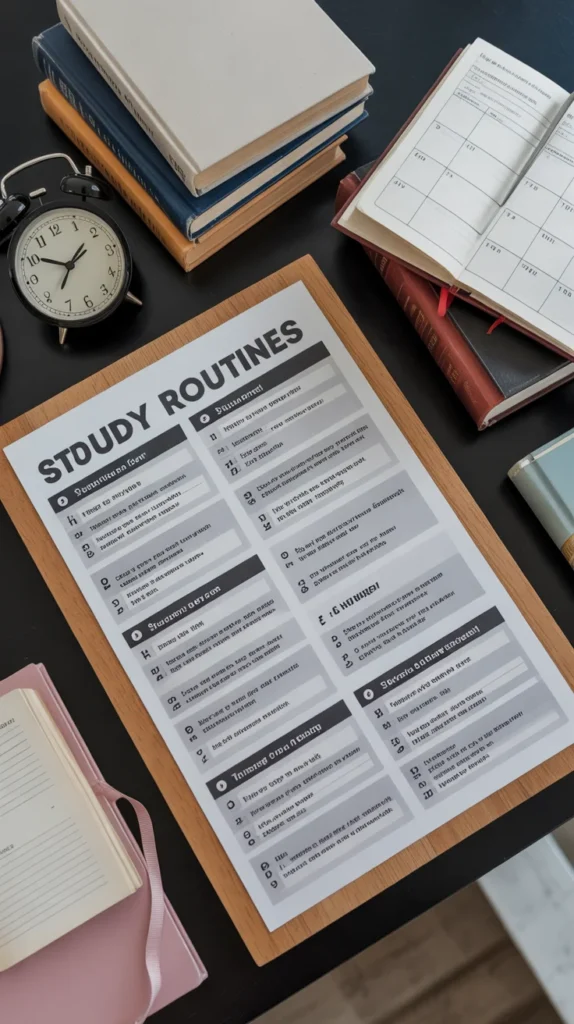
This board supports consistency. Choose images that show studying, note-taking, and quiet focus. These visuals remind you what to repeat each day.
Arrange images in a simple row or column. This makes the message easy to understand at a glance.
Use washi tape so images are easy to change. This works well during exam weeks.
Keep it close to your desk or bookshelf.
3. Exam Preparation Vision Board
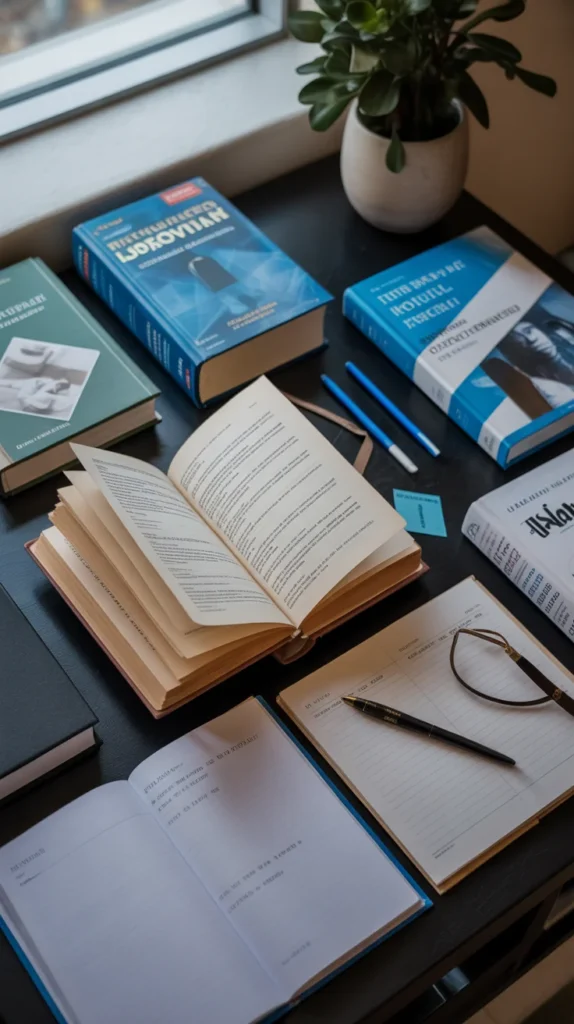
This board focuses on preparation, not pressure. Use visuals of organized notes, revision sessions, and calm study spaces.
Avoid stressful imagery. Calm visuals help reduce anxiety.
Keep the board small. One page is enough. Review it before study sessions to stay grounded.
4. Time Management Student Board
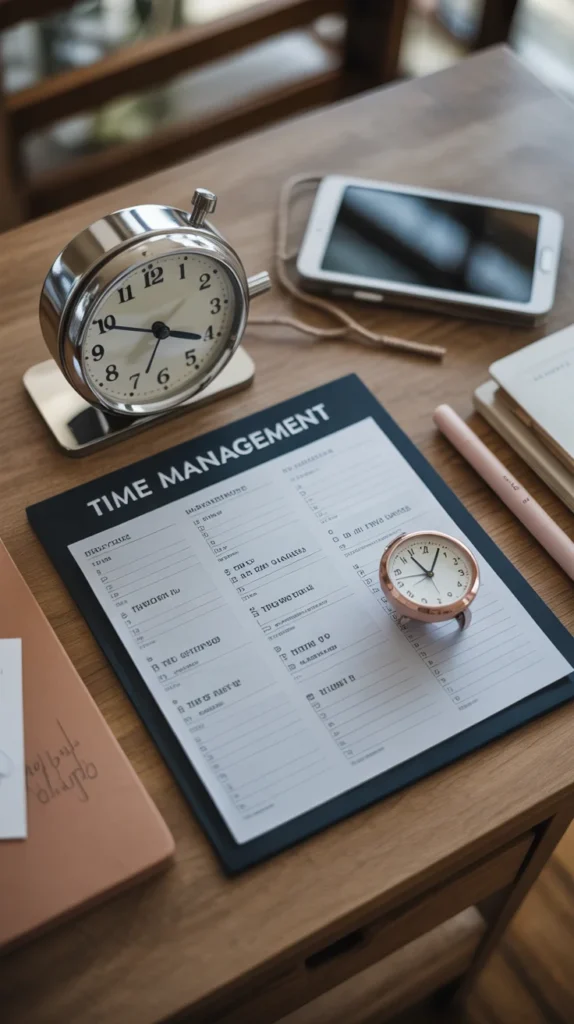
Time management boards help structure the day. Choose images of planners, schedules, and focused work blocks.
Use light pencil lines to divide sections. Morning, afternoon, evening.
This supports realistic planning without overload.
5. Grade Improvement Vision Board
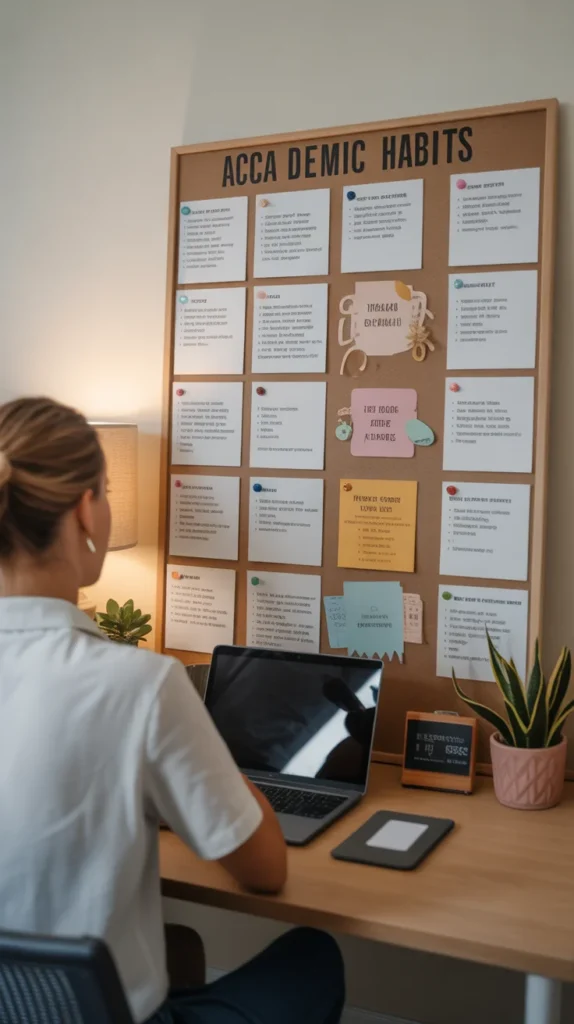
Focus on actions that support better grades. Studying, asking questions, reviewing notes.
Avoid numbers or scores. Habit visuals work better long term.
Keep it near your study materials.
6. Homework Consistency Board
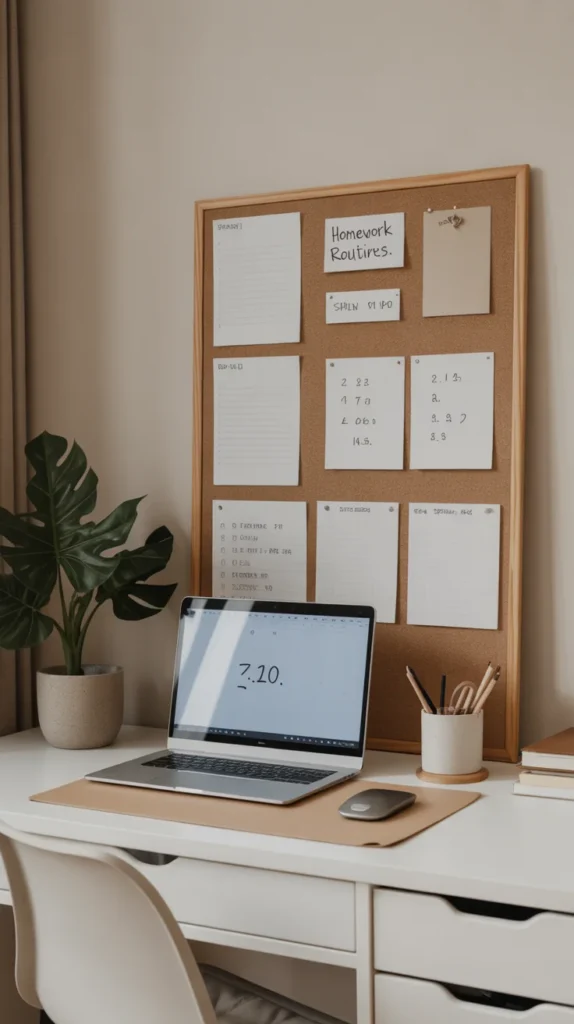
This board supports daily homework habits. Choose images of working through assignments calmly.
It reinforces finishing small tasks regularly.
Use simple materials and keep it visible.
7. Focus and Concentration Board
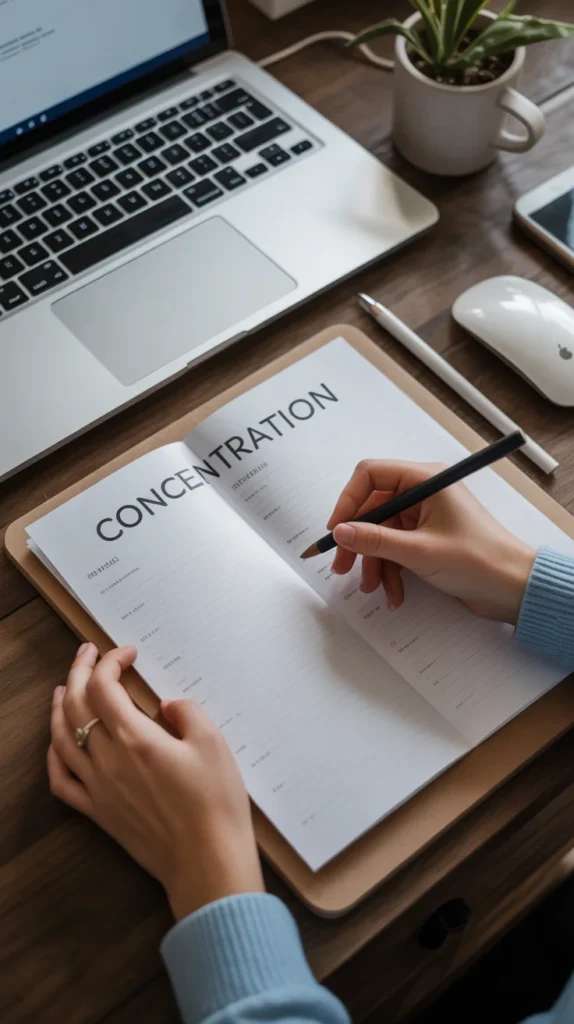
This board reduces distraction. Use few images and lots of space.
Neutral colors help keep attention steady.
It works well in shared rooms.
8. Note-Taking Skills Board

Choose images of organized notes and study materials.
This supports better class engagement.
Place it inside a binder or notebook cover.
9. Reading Habit Vision Board

This board supports reading routines. Choose images of books and quiet spaces.
It works well for literature-heavy courses.
10. Online Study Vision Board
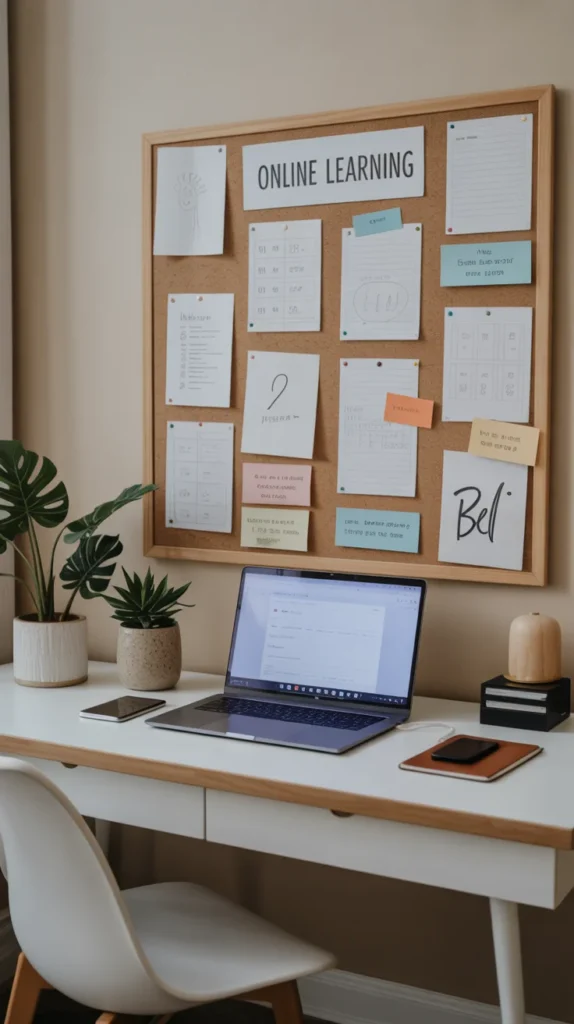
This board supports digital study habits. Use images of tidy online workspaces.
Keep visuals realistic and simple.
11. Study Break Balance Board
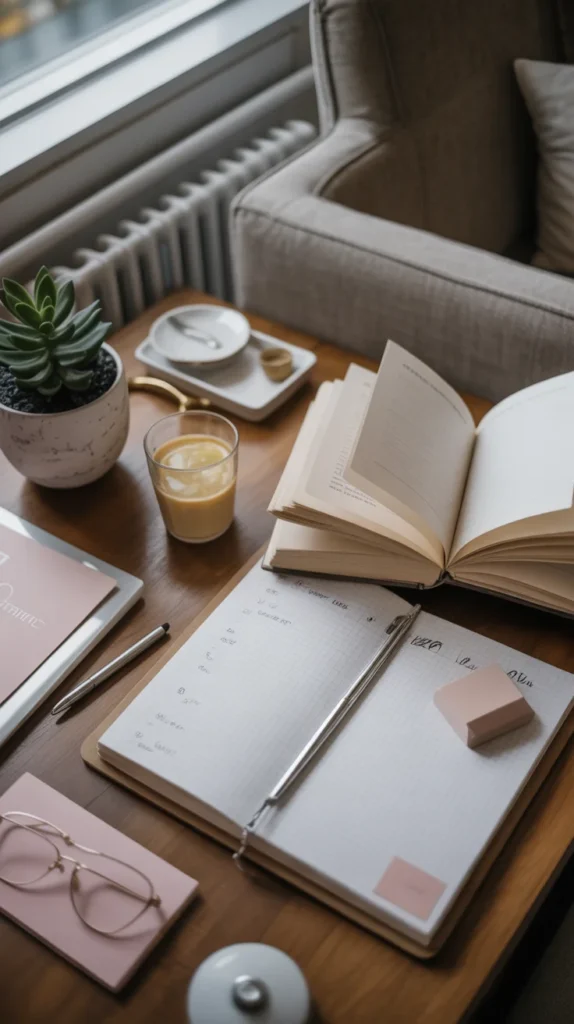
Balance boards support rest and focus. Choose images of light breaks and calm moments.
This helps prevent burnout.
12. Motivation Reset Board

This board supports new starts after setbacks.
Use light, open visuals.
Update it when motivation dips.
13. Subject-Specific Vision Board
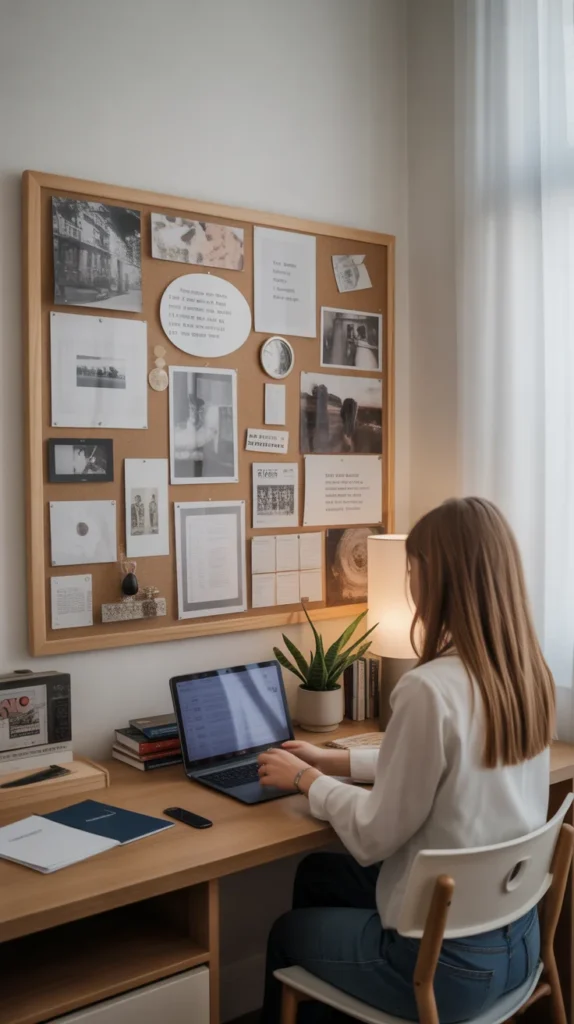
Create one board per difficult subject. Choose images tied to tools and study methods.
This keeps focus narrow and effective.
14. Study Space Improvement Board
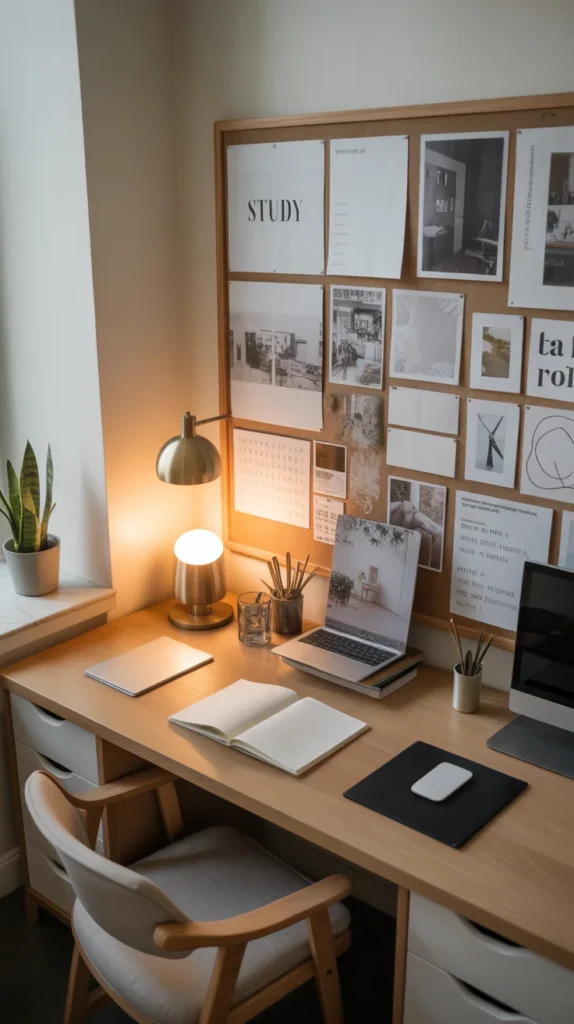
Use images of tidy desks and good lighting.
This supports better focus without spending money.
15. Assignment Planning Board
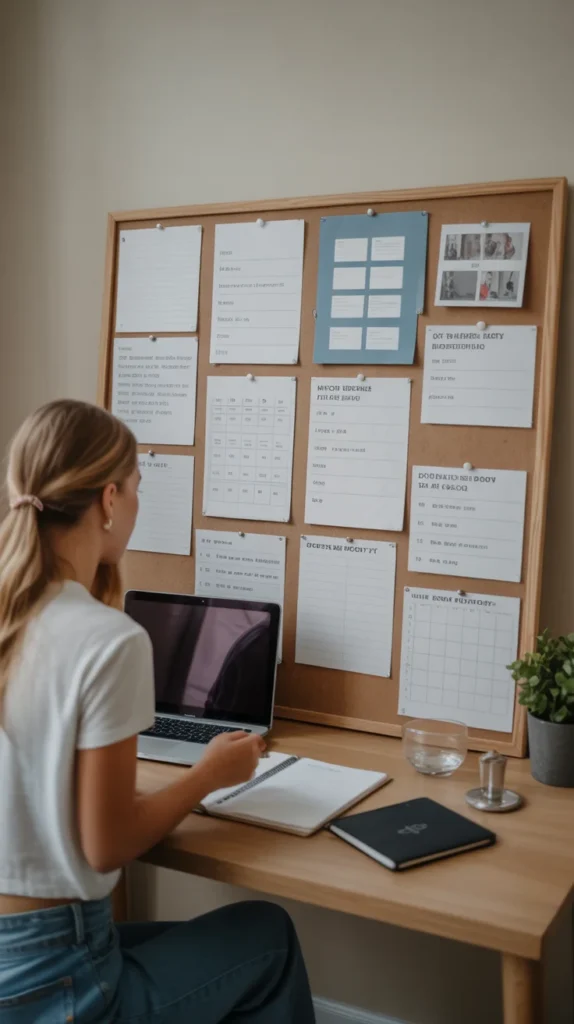
This board supports breaking work into steps.
Use images of outlines and drafts.
16. Test Confidence Vision Board
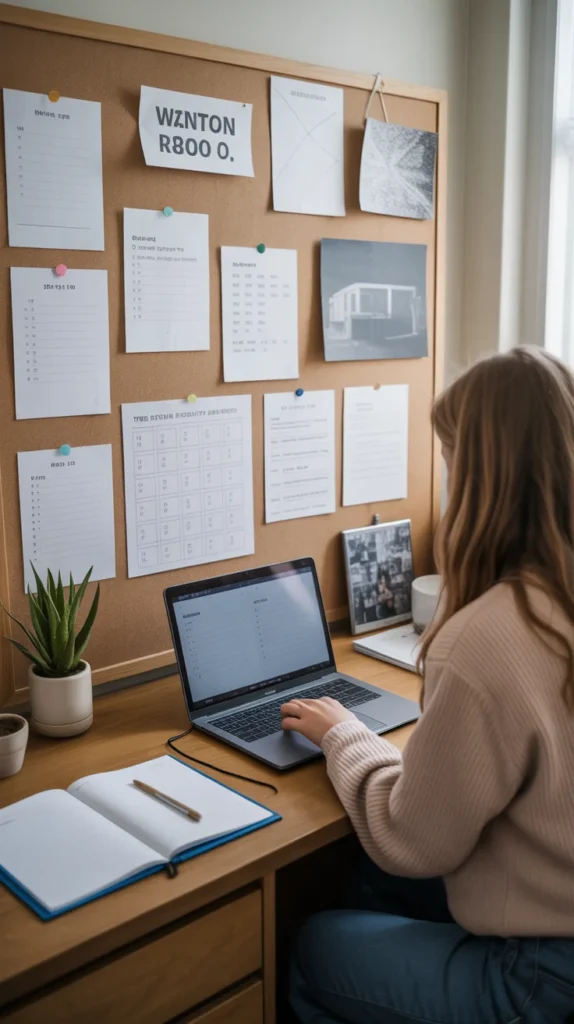
Confidence boards focus on calm readiness.
Use grounded visuals only.
17. Learning Progress Board
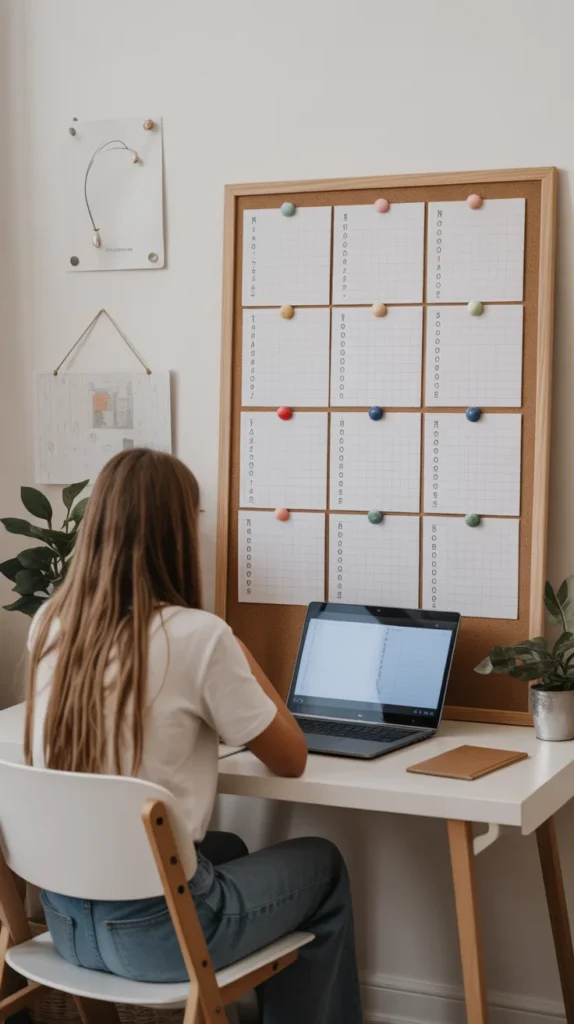
This board supports patience.
Choose visuals that suggest growth over time.
18. Study Accountability Board
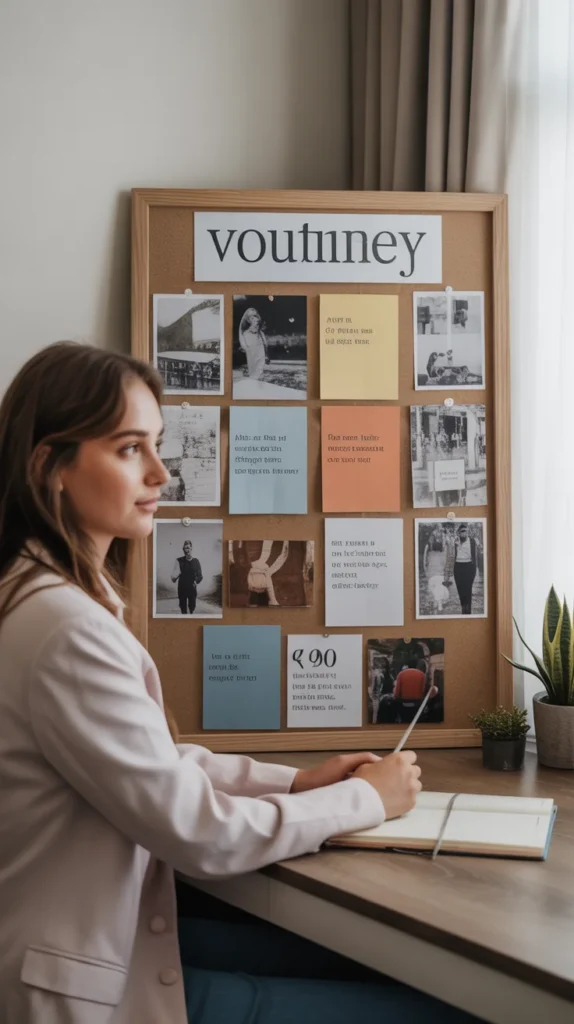
This board reminds you to show up daily.
Use simple imagery tied to effort.
19. Group Study Vision Board
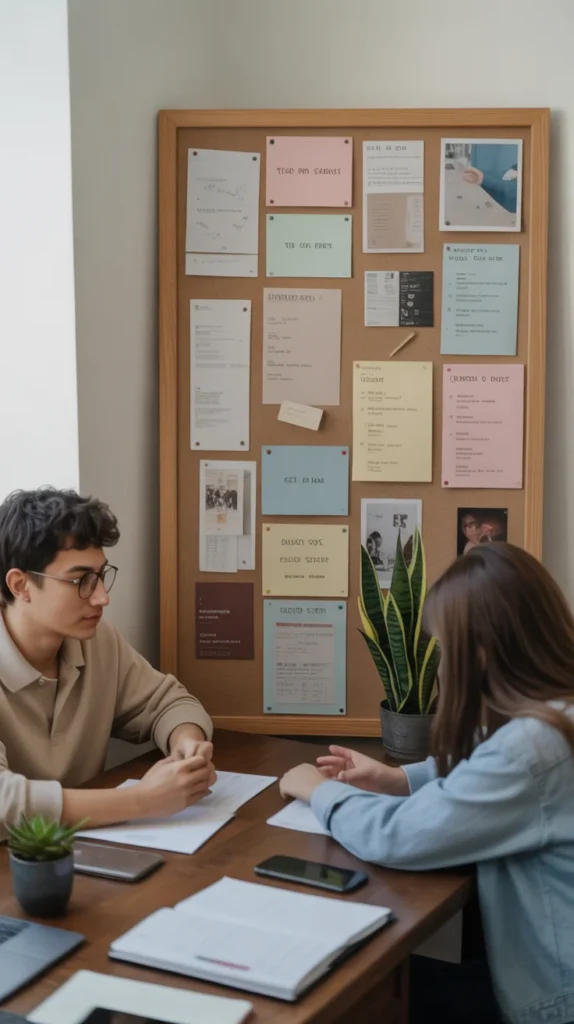
Use images of collaboration and shared learning.
This supports teamwork habits.
20. Exam Season Survival Board
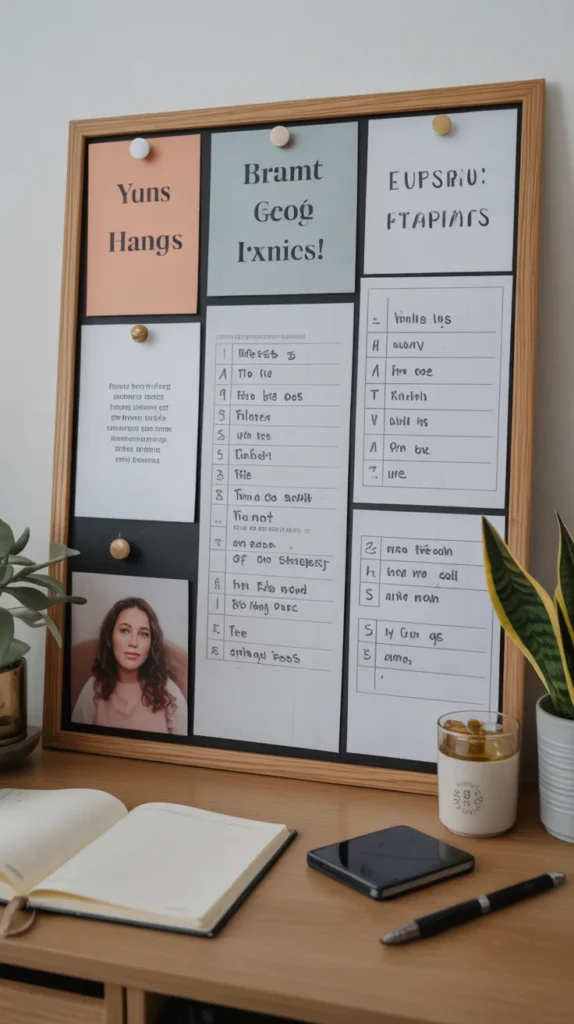
This board supports structure during busy weeks.
Keep visuals calming.
21. Long-Term Academic Goal Board
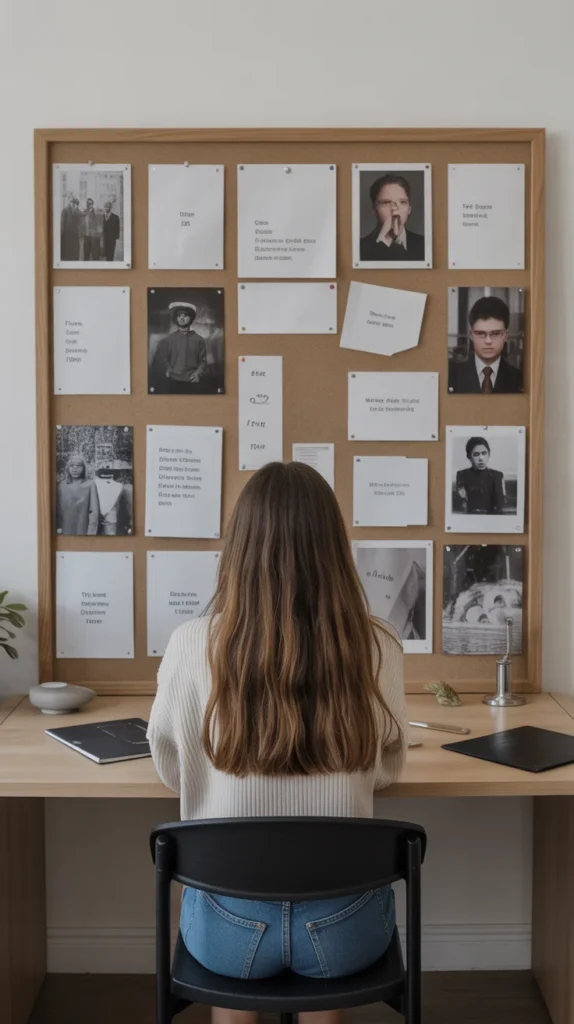
Focus on learning paths and steady effort.
Avoid pressure-filled imagery.
22. Study Discipline Vision Board
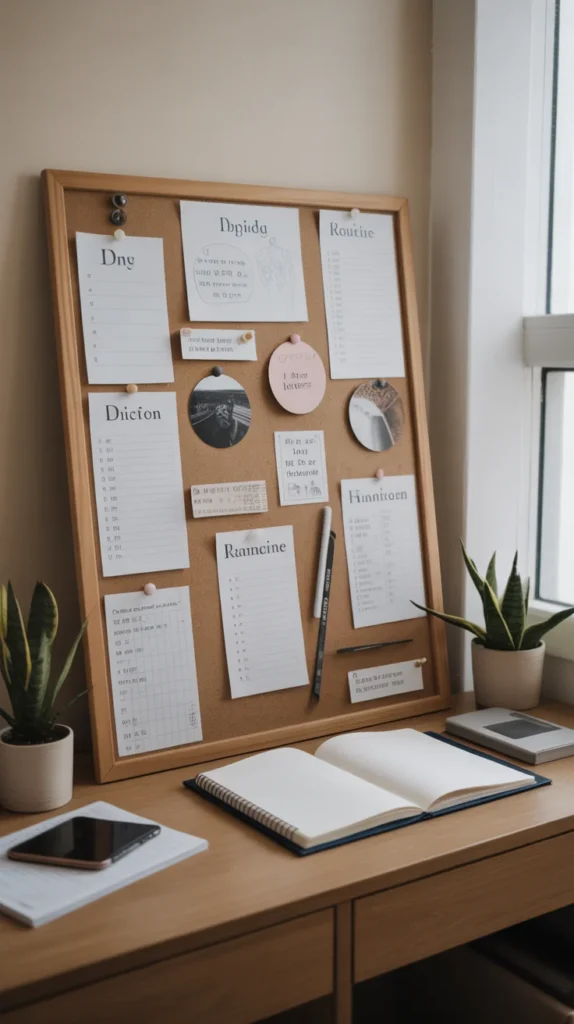
Discipline boards reinforce repetition.
Choose visuals tied to daily effort.
23. One-Page Student Vision Board
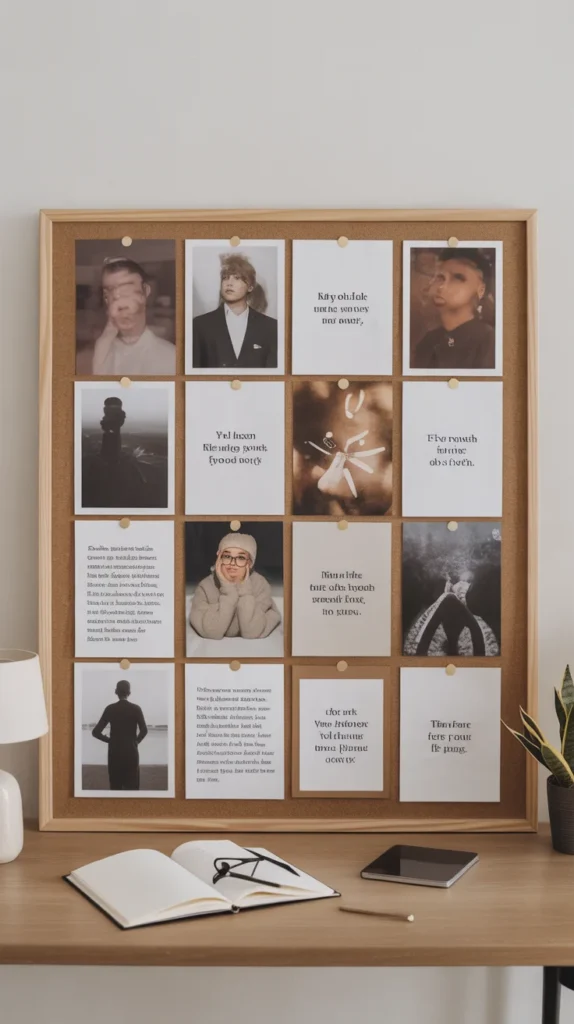
Limit everything to one page.
This keeps goals clear and manageable.
Perfect for small spaces.
Conclusion
Student vision boards work when they support real study habits and clear routines. You don’t need expensive supplies or complex layouts. A few thoughtful images, simple materials, and regular updates can help keep academic goals visible and achievable. Choose one idea, start small, and let consistent effort guide your academic success forward.

Leave a Reply