

Starting a blog used to feel like a long game. Today, it can become a real income stream much faster — if you focus on the right strategy from day one.
The biggest mistake beginners make isn’t starting too late. It’s starting without a plan for traffic and monetization.
A successful first year is about solving problems, building an audience, and monetizing early — even with small traffic.

Step 1: Choose a Niche That Solves Real Problems
Traffic follows problems.
Instead of broad topics, choose a niche where people actively search for solutions.
Strong beginner niches:
- Personal finance
- Health and wellness
- Tech and tools
- Career and remote work
- Side hustles
The key is specificity.
Examples:
- Budgeting for freelancers
- Productivity tools for students
- Blogging for beginners
Clear niche → easier SEO → faster growth.
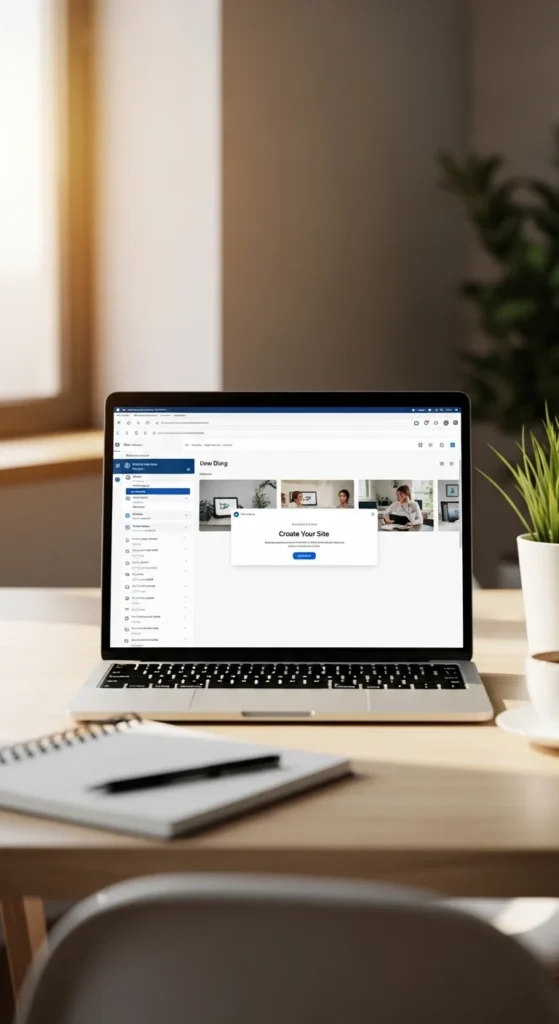
Step 2: Launch a Self-Hosted Blog (Keep It Simple)
You don’t need expensive tools to start.
Beginner setup:
- Self-hosted WordPress
- Affordable hosting
- Free theme
- Basic plugins
This gives:
- Full control
- Monetization flexibility
- SEO advantages
- Long-term scalability
Don’t overdesign early. Publishing matters more.
Step 3: Write SEO-First Content
Your blog grows through search.
Focus on:
- One problem per article
- Detailed guides
- Clear structure
- Helpful examples
- Search intent
A strong beginner approach:
- Target long-tail keywords
- Create in-depth guides
- Answer common questions
- Update posts regularly
Consistency beats perfection.
Publishing 1–2 posts weekly builds authority quickly.
Step 4: Start Your Email List Immediately
Your email list is your most valuable asset.
Why:
- You own it
- It converts better than social
- It supports every monetization method
- It protects you from algorithm changes
Simple starter system:
- Opt-in form
- One lead magnet (checklist/template)
- Welcome sequence
Lead magnet ideas:
- Starter guides
- Templates
- Cheat sheets
- Resource lists

Step 5: Monetize Earlier Than You Think
You don’t need massive traffic to earn.
Early monetization methods:
- Affiliate marketing
- Freelance writing
- Simple digital products
- Email recommendations
Many bloggers earn their first income before 1,000 monthly visitors.
Start small:
- Recommend tools you use
- Add helpful affiliate links
- Create a simple $27 resource
Momentum matters more than revenue size.
Step 6: Use Pinterest as a Traffic Multiplier
Pinterest is a powerful traffic source for many niches.
Why it works:
- Content discovery platform
- Long lifespan posts
- Visual search behavior
- Passive traffic potential
Pinterest strategy basics:
- Create multiple pins per post
- Use keyword-rich titles
- Design simple visuals
- Publish consistently
Pinterest often becomes a major traffic driver early.
Step 7: Repurpose Content to Grow Faster
You don’t need more ideas — you need more distribution.
One blog post can become:
- Pinterest pins
- Short videos
- Email newsletters
- Social posts
- Lead magnets
Repurposing reduces burnout and increases reach.
It also improves SEO signals and time on site.
Step 8: Add Display Ads When Traffic Grows
Display ads usually make sense after consistent traffic.
Typical progression:
- Start with affiliate income
- Add ads later
- Upgrade networks as traffic grows
Early ad revenue may be small, but it builds passive income layers.
Multiple income streams create stability.
Step 9: Build Authority With Backlinks and Guest Posts
Authority accelerates growth.
Beginner strategies:
- Guest posting
- HARO responses
- Resource link outreach
- Networking with bloggers
Backlinks improve rankings and trust.
Aim for consistency instead of volume.
Even a few strong links help.
Final Thoughts
Your first year of blogging isn’t about perfection — it’s about building assets.
Traffic. Email list. Content library. Monetization systems.
Focus on solving problems, publishing consistently, and monetizing early.
Small wins compound faster than you expect.
Start today:
- Pick your niche
- Publish your first article
- Create your email signup
- Add your first affiliate link
That’s how real blogging income begins.
👉 Save this guide and start your first blog today.

Leave a Reply