

Starting an online store used to require inventory, storage, and upfront investment. Dropshipping changed that.
With dropshipping, you sell products without holding stock. A supplier stores, packs, and ships items directly to your customers.
That means you can start with minimal risk — even as a complete beginner.
The key isn’t luck. It’s choosing the right products, building a simple store, and testing consistently.
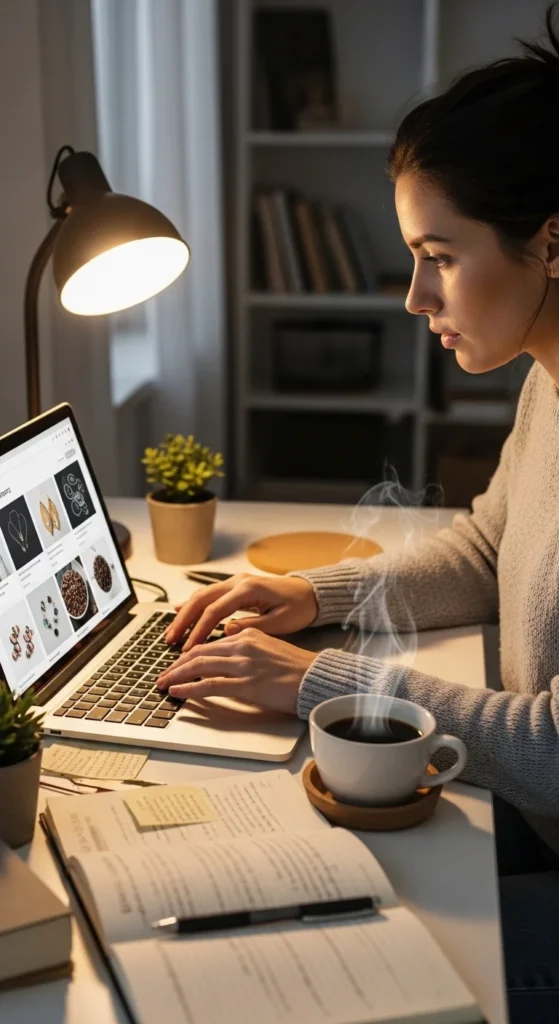
Step 1: Choose a Niche (Don’t Skip This)
Most beginners fail because they sell random products.
A niche makes:
- Marketing easier
- Branding clearer
- Product research faster
- Scaling possible
Strong beginner niches:
- Pet accessories
- Fitness gadgets
- Beauty tools
- Home organization
- Problem-solving products
Look for products that:
- Solve a clear problem
- Have viral potential
- Show strong demand
Specific beats broad.
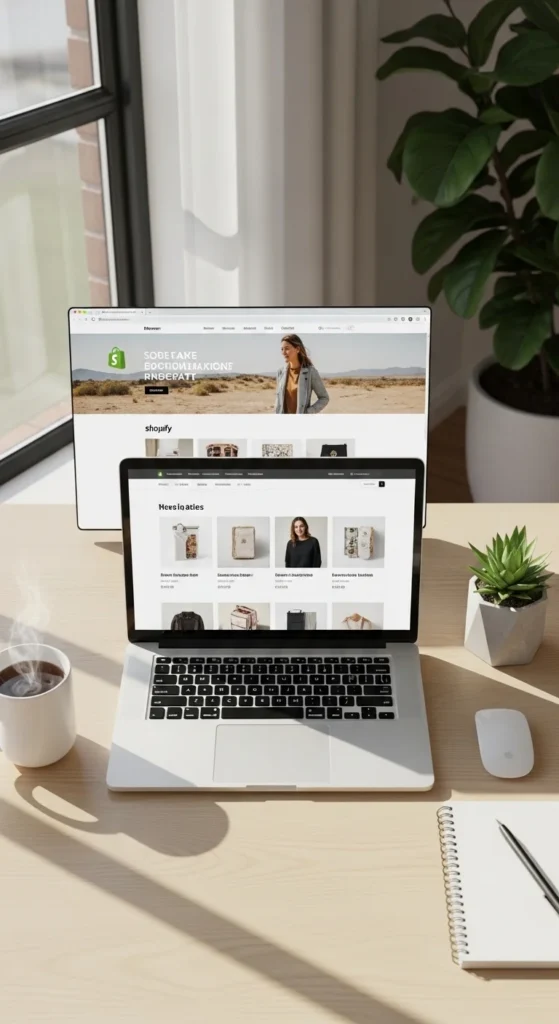
Step 2: Set Up Your Store the Simple Way
You don’t need a complex website.
A beginner store includes:
- Shopify account
- Clean free theme
- Basic product pages
- Simple homepage
- Clear policies
Focus on clarity, not perfection.
Important pages:
- Product page
- Shipping policy
- Returns policy
- Contact page
A simple store can convert very well.
Step 3: Find Winning Products (This Is Everything)
Product selection matters more than design.
Use a simple validation framework:
- Problem-solving product
- Strong visuals
- Reasonable margins
- Not oversaturated
Research methods:
- TikTok trends
- Spy tools
- Marketplace bestsellers
- Competitor ads
Start by testing multiple products instead of searching for one perfect item.
Step 4: Connect Suppliers (No Inventory Needed)
Suppliers handle fulfillment automatically.
Common beginner workflow:
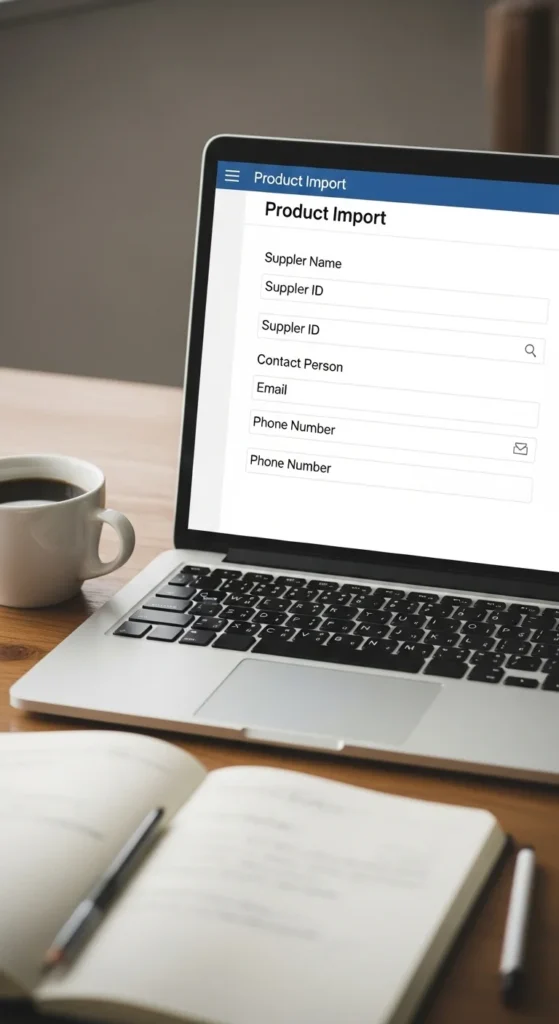
- Import product from supplier
- Set price rules
- Customer orders
- Supplier ships
Supplier factors to evaluate:
- Shipping speed
- Product quality
- Reviews
- Warehouse location
Faster shipping improves customer satisfaction.
Step 5: Price for Profit (But Stay Competitive)
Beginner pricing rule:
Price roughly 2.5–3× supplier cost.
Example:
- Product cost: $10
- Selling price: $25–30
Consider:
- Shipping
- Ad costs
- Refunds
- Discounts
Margins improve once you find winning products.
Don’t aim for perfection — aim for testing.
Step 6: Start Traffic With Simple Ad Testing
You don’t need big budgets.
Beginner testing approach:
- Test multiple products
- Small daily budget
- Focus on creative quality
- Kill losing products quickly
Traffic sources:
- Short-form video platforms
- Paid social ads
- Influencer collaborations
- Organic content
Testing is how you discover winners.
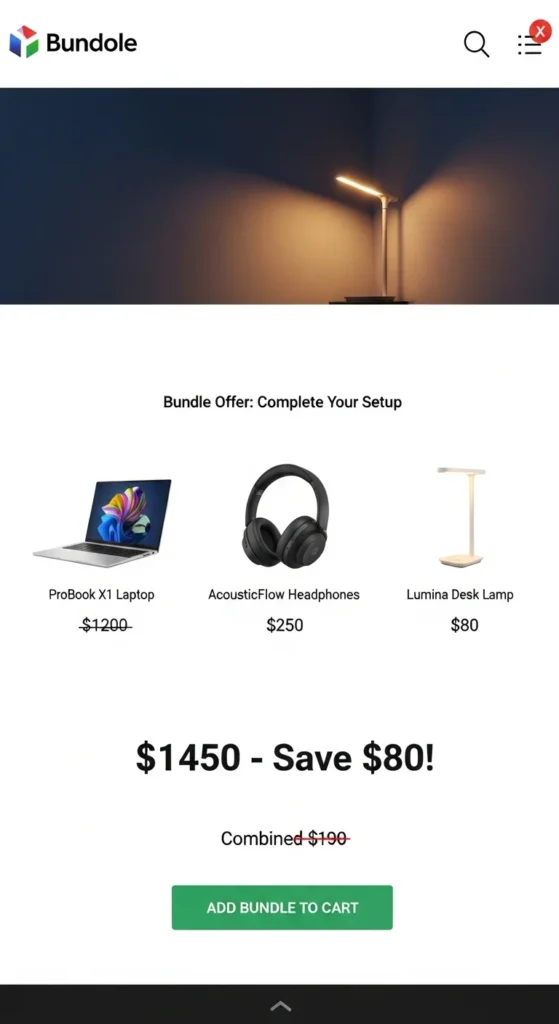
Step 7: Increase Order Value With Upsells
Most profit comes after the first purchase.
Simple AOV strategies:
- Product bundles
- Frequently bought together
- Post-purchase upsells
- Quantity discounts
Even small increases significantly impact revenue.
Step 8: Improve Customer Experience Early
Customer experience determines long-term success.
Focus on:
- Clear shipping times
- Fast responses
- Automated emails
- Transparent policies
- Trust badges
Good communication reduces refunds.
Automation tools help manage this without extra work.
Step 9: Scale Winners, Remove Losers
Dropshipping is a testing business.
Weekly routine:
- Review product performance
- Increase budget on winners
- Remove underperforming items
- Test new products
- Improve creatives
Consistency beats luck.
Most successful stores scale a small number of winning products.
Final Thoughts
Dropshipping from scratch is less about building a perfect store and more about learning fast.
Choose a niche. Launch quickly. Test products. Improve continuously.
Every successful store started with experiments — not certainty.
Start today:
- Pick one niche
- Add your first product
- Launch your store
- Test your first traffic source
Momentum creates clarity.
👉 Save this guide and start your first dropshipping store today.

Leave a Reply