

Most people don’t fail at print-on-demand because the model doesn’t work.
They fail because they design random shirts… upload them… and hope for magic.
Meanwhile, smart sellers are building niche-focused, high-quality designs that tap into emotion — and they’re turning simple graphics into real profit.
The global custom t-shirt market is booming, and there’s still room if you do it strategically.
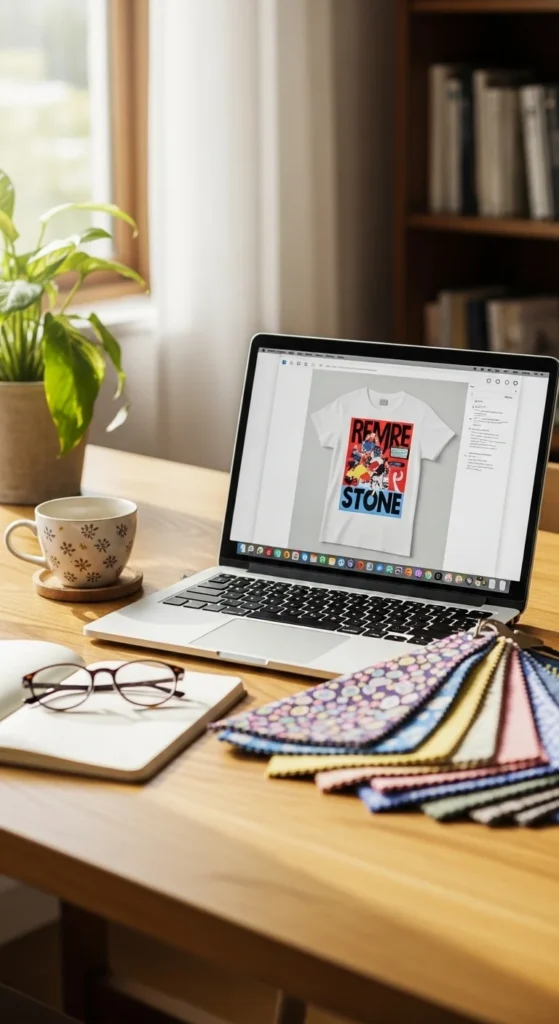
Let’s break down how to design and sell print-on-demand t-shirts that actually move.
1. Niche Down (This Is Where Sales Start)
Generic shirts don’t sell anymore.
“Cool graphic tee” won’t cut it.
Instead, focus on niches with strong identity and loyalty:
- Pet lovers (specific breeds sell best)
- Gym/fitness enthusiasts
- Gamers
- RV campers
- Hobby groups (fishing, knitting, hiking)
- Retro toy lovers
- Mystic/nature fans
Why Niches Win:
- People buy identity, not fabric
- Passion communities share designs
- Repeat purchases are common
Try this formula:
[Specific audience] + [Emotion] + [Relatable statement]
Example:
- Golden Retriever moms + humor
- Gym addicts + motivation
- Retro gamers + nostalgia
Evergreen niches (pets, gym) + seasonal drops (holidays) = balanced income pipeline.
2. Design for Readability (High Contrast = High Clicks)
Your design needs to pop in tiny thumbnails.
If people can’t read it instantly, they scroll past.
10 Readability Hacks:
- Use bold, thick fonts
- Keep text short (3–6 words works best)
- High contrast colors (light on dark or dark on light)
- Avoid clutter
- Use simple graphic elements
Pinterest and Etsy are visual platforms. Simplicity wins.
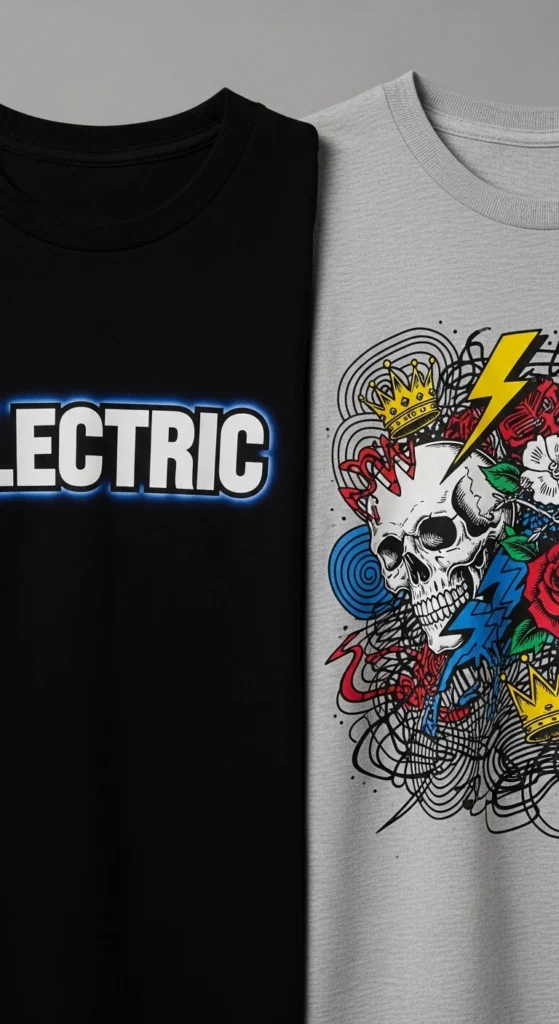
If it doesn’t look good at phone size, it won’t sell.
3. Prepare Files Properly (Avoid Blurry Prints)
Nothing kills reviews faster than low-quality prints.
File Prep Checklist:
- 300 DPI resolution
- Transparent PNG
- Large dimensions (at least 4500×5400 px for tees)
- RGB color profile (for most POD platforms)
- Clean edges
DTG printing (direct-to-garment) looks best when artwork is crisp and high-resolution.
Test before publishing. Zoom in. If it looks blurry on your screen, it’ll look worse on fabric.
4. Use Mockups to Sell the Dream
People don’t buy a shirt.
They buy how it feels to wear it.
Mockups help them visualize.
Platforms like Printify and Printful make it easy to generate realistic previews. You can also use lifestyle mockups inside Canva or other tools.
Placement Guide:
- Standard chest print (most common)
- Oversized front graphic (trendy)
- Minimal pocket design
- Back print statement
- Sleeve detail (premium feel)
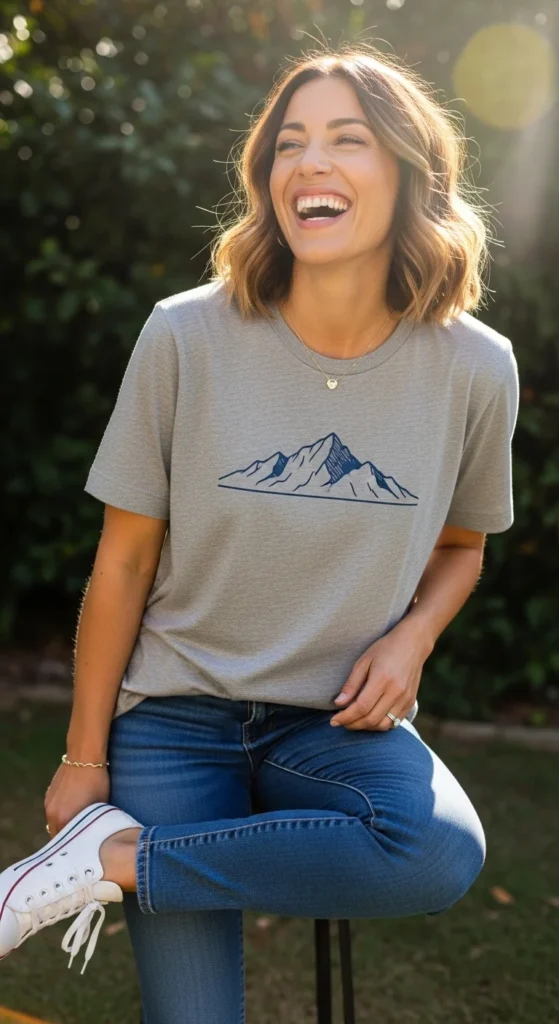
Good mockups increase conversions instantly.
5. Choose the Right Blank (It Matters More Than You Think)
Not all shirts are equal.
One of the most popular blanks in POD is the Bella Canvas 3001 because:
- Soft feel
- Great for DTG clarity
- Modern fit
- Multiple color options
If customers love the feel, they reorder.
Stock quality builds brand trust.
6. Price for Profit (Not Just Competition)
Undercutting competitors destroys your margin.
Example pricing structure:
- Base cost: $9
- Shipping: $4
- Target sale price: $24.99
- Estimated profit: ~$10
Psychological pricing like $24.99 performs well.
You can also:
- Bundle tees + hoodies
- Offer limited-time discounts
- Add personalization for upsells
Think in terms of profit margin, not just sales volume.
7. Optimize Listings for SEO
On marketplaces like Etsy or Shopify, keywords matter.
Use:
- Specific niche terms
- Long-tail keywords
- Emotional triggers
Example:
Instead of:
Funny Dog Shirt
Use:
Funny Golden Retriever Mom Shirt Gift for Dog Lovers
Add detailed tags. Include use cases (gift, birthday, holiday).
SEO brings organic traffic without ads.
8. Test Variations (Low Risk = Smart Strategy)
Print-on-demand lets you test without bulk inventory.
Try:
- Different colorways
- Text tweaks
- Slight humor changes
- City-specific versions
- Seasonal editions
Upload multiple versions to platforms like Etsy, Redbubble, and your own Shopify store.
Volume + testing = data-driven growth.
9. Market With Emotion (Not Just Product Photos)
Social media drives POD sales.
Use:
- TikTok try-on videos
- Instagram Reels
- Niche meme pages
- Micro-influencer collaborations
Short-form video converts because it shows personality.

Create content around:
- Why the design exists
- Who it’s for
- Humor or nostalgia behind it
Emotion sells more than explanation.
10. Avoid Legal Trouble (Protect Your Store)
Don’t use:
- Trademarked phrases
- Copyrighted characters
- Celebrity names
Stick to:
- Original concepts
- Evergreen phrases
- Public domain inspiration
A single infringement can shut down your store.
Bonus: Build Long-Term Revenue
Winning sellers don’t stop at one shirt.
They:
- Build email lists with discounts
- Expand into hoodies, hats, tote bags
- Hybrid scale (bulk order top sellers 50+ units/month)
- Lean into sustainability messaging
Eco-conscious buyers appreciate on-demand production because it reduces waste.
Small details build brand loyalty.
Final Takeaway
Designing print-on-demand t-shirts that actually sell isn’t about luck.
It’s about:
- Smart niche selection
- High-contrast, readable designs
- Proper file setup
- Emotional marketing
- Strategic pricing
- Consistent testing
Start with one niche. Create 10 strong designs. Test. Improve. Repeat.
And remember — quantity helps, but strategy wins.
Save this guide and start designing your first profitable niche collection today. 👕🔥

Leave a Reply