


When your mind feels crowded, writing can help slow everything down. A mental health journal is not about perfect pages. It is a private space to name what you feel, notice what triggers stress, and practice kinder self-talk. You can keep it simple with a notebook and one pen. A few minutes a day is enough. If any prompt feels too intense, skip it and choose a gentler one. Your pace matters.
1. Three Healing Moments I Noticed Today

Write down three healing moments, even if they are small. A calm breath. A kind message. A quiet minute after a busy day. Keep each one to one line.
Then add a second line for each moment: “What did this give me?” Maybe it gave you comfort, safety, or a break from tension.
Budget tip: do this with one pen. No colors required. If you want a simple visual touch, draw a tiny dot next to each moment.
DIY example: make this a daily page for one week. On day seven, read the whole week. Circle the moments that repeat. Those repeating moments are clues about what helps you feel steady.
If your day feels heavy, allow “I got through the day” as a healing moment. That counts. This page is about noticing support, not forcing happiness.
2. Body Peace Map

Draw a simple body outline. Stick figure is fine. Mark where you feel tension today. Neck, jaw, chest, stomach, shoulders.
Next to each spot, write two words: “feels like…” and “might want…”. Example: “tight” and “rest.” Or “buzzing” and “space.”
Add one calming action for that spot. Roll your shoulders. Unclench your jaw. Put a warm cloth on your neck.
Budget tip: use pencil so you can shade areas lightly.
DIY example: keep one body map per week. Use the same outline and date each entry. Patterns show up fast. You may notice certain days or tasks connect to the same tension points.
This is not medical diagnosis. It is simple awareness. If you feel pain that worries you, talk to a professional. For daily calm, this map helps you listen to your body with care.
3. Forgiveness Letter You Do Not Send
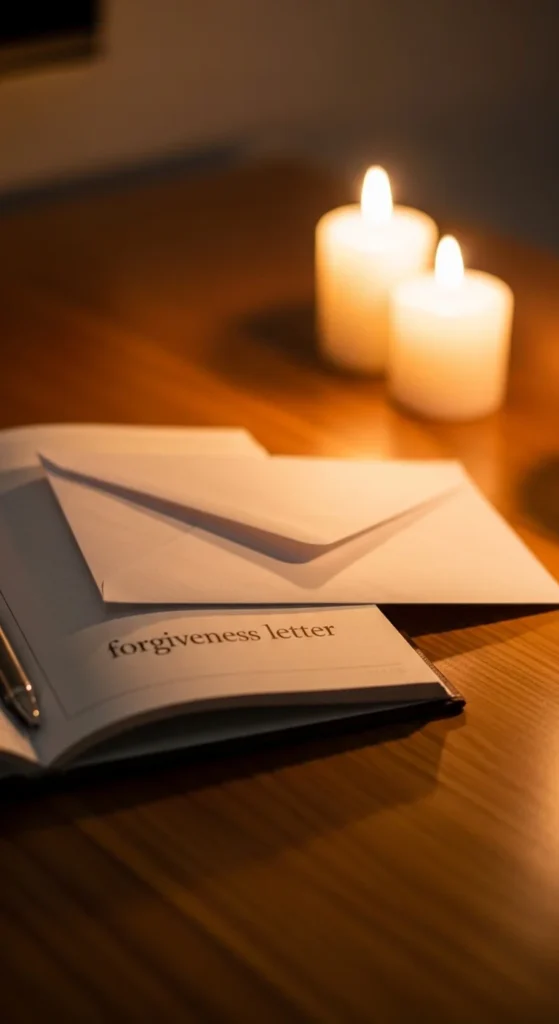
Pick one grudge you want to loosen. Write a letter that will stay private. You can write to a person, to yourself, or to a past version of you.
Use three short parts:
- What happened
- How it affected me
- What I want now
Keep it honest. You do not have to excuse anything. Forgiveness can mean releasing the hold, not approving the behavior.
Budget tip: write on scrap paper if you do not want it in your journal.
DIY example: after writing, choose a ritual. Fold the paper and keep it in an envelope. Or tear it into small pieces. Or store it in a “release” folder. Pick what feels safe.
If the topic feels intense, set a timer for 10 minutes. Stop when the timer ends. Drink water. Do something grounding. This keeps the practice gentle.
4. Evidence vs. Story Thought Check

When anxiety shows up, thoughts can feel like facts. This page separates them.
Write one anxious thought at the top. Then make two columns:
- Evidence I have
- Story my mind is telling
Keep each column short. Three bullets each.
Then write one balanced line: “A more fair view is…”
Budget tip: use the back of an old notebook page for quick practice.
DIY example: keep a few of these pages. When a similar fear returns, flip back and compare. You will see repeats.
This is a simple writing exercise, not therapy. Still, it can help you slow down and choose a calmer response. If the thought involves safety risk or panic that feels unmanageable, consider reaching out to a professional support option.
5. Inner Ally Dialogue

Write a short conversation between two voices:
- The inner critic
- The inner ally
Give each one 3–5 lines. Let the critic speak plainly. Then let the ally respond with kindness and realism.
Helpful ally starters:
- “I hear you.”
- “That was hard.”
- “Here is one small step.”
Budget tip: do this with one pen. Keep it short to avoid emotional overload.
DIY example: write the ally lines on a sticky note and place it where you will see it. Mirror, laptop, or journal cover.
This page trains kinder self-talk. It also helps when you feel stuck in shame. You are not forcing positivity. You are practicing support.
6. Breath + Journal Pairing Page
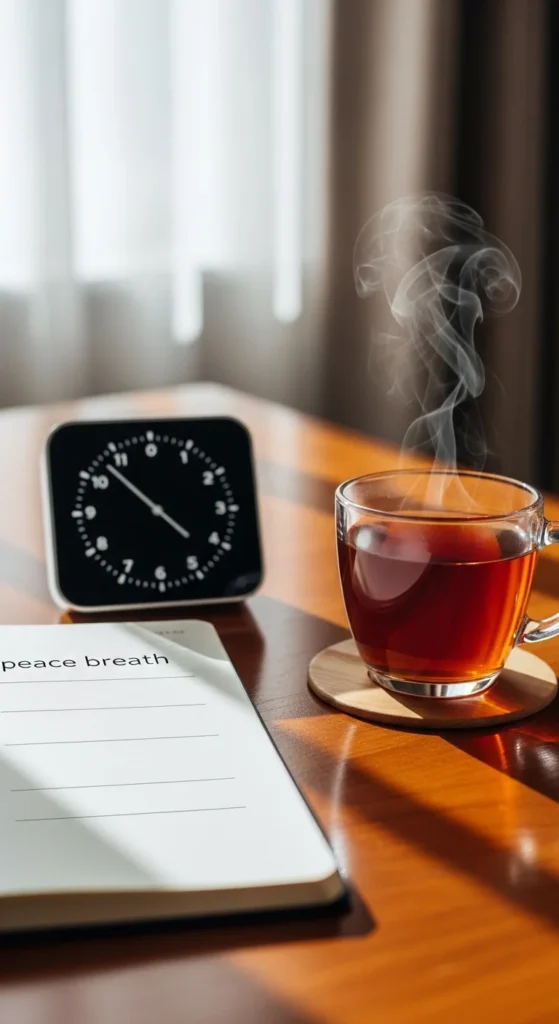
Set a timer for two minutes. Breathe slowly and count your exhale. Then write for three minutes.
Use this structure:
- After breathing, my body feels…
- My mind is focused on…
- One gentle thing I can do next…
Budget tip: use your phone timer. No special tools.
DIY example: draw five small circles. Each circle equals one slow breath cycle. Shade a circle after each cycle. It creates a calming rhythm.
This page works well when you feel keyed up. The breathing helps settle the body. The writing helps organize thoughts. Keep it simple. Stop if it starts to feel overwhelming.
7. Five Senses Peace Walk Entry

Take a short walk, even five minutes. Then write one line for each sense:
- I saw…
- I heard…
- I smelled…
- I touched…
- I tasted…
If you cannot go outside, do this by a window.
Budget tip: free and simple. Nature is the supply.
DIY example: tape in a small leaf, or sketch a quick branch in the corner.
This prompt grounds you in the present moment. It is especially helpful when your thoughts spin into the future. Sensory details bring you back to what is real right now.
8. Feelings Atlas Page

If emotions feel messy, name them with a map. Draw a circle. Write the main feeling in the middle. Around it, add related feelings.
Example: “sad” in the center, then “tired,” “lonely,” “disappointed,” “overwhelmed.”
Add one line: “My feeling is asking for…”
Budget tip: no colored pens required. Plain ink works.
DIY example: if you have markers, assign one color family per feeling type. Blue for calm, gray for heavy, yellow for hopeful. Keep it simple.
Naming feelings reduces overwhelm. It also helps you respond instead of reacting.
9. Boundary Script Practice
Write one boundary you want to say without guilt. Then write a short script you can use.
Examples:
- “I can’t do that today.”
- “I need more time.”
- “That doesn’t work for me.”
Add a second line: “If they push back, I will repeat…”
Budget tip: keep a “scripts” page in the front of your journal so it is easy to find.
DIY example: practice by writing the script three times. It sounds simple, but repetition builds confidence.
This page protects your energy. It also reduces resentment because you are clear earlier rather than exploding later.
10. Core Compass Values Check

Write 3–5 values that matter to you. Examples: honesty, health, family, learning, kindness.
For each value, write:
- Did I live this today? (yes/no)
- One small action for tomorrow
Budget tip: keep the same values list and reuse it weekly.
DIY example: draw a tiny checkbox next to each value. Check it when your day matched it.
This page creates steadiness. Values are a stable anchor when emotions change day to day.
11. Strength Vault Story

Write a short story about a time you got through something hard. Keep it brief.
Use these lines:
- What happened
- What I did
- What helped
- What I learned
Budget tip: one paragraph is enough.
DIY example: highlight one sentence that proves your strength. Copy it onto a separate “strength lines” page.
When you feel helpless, this page reminds you that you have handled hard moments before.
12. Grief Ritual Memory Page
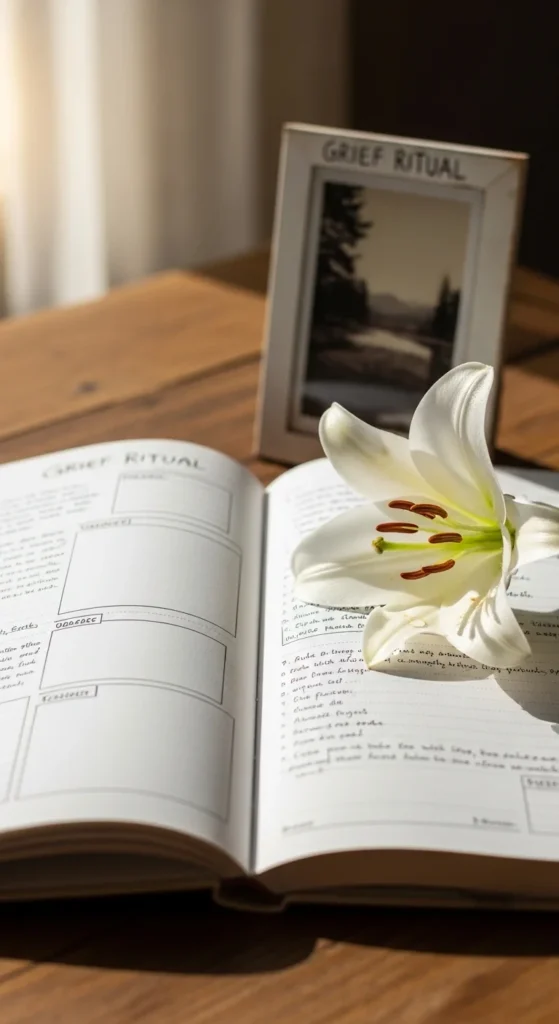
If you are carrying loss, create a gentle page that honors it.
Write:
- What I miss
- What I want to remember
- One small way I can honor this today
Budget tip: you do not need photos. Words are enough.
DIY example: add a small pressed flower, a piece of ribbon, or a simple pencil sketch.
Keep the entry short. End with one comforting line, like “My love is still here.” This page can be tender, so plan a calming activity after writing.
13. Joy Hunt Inventory
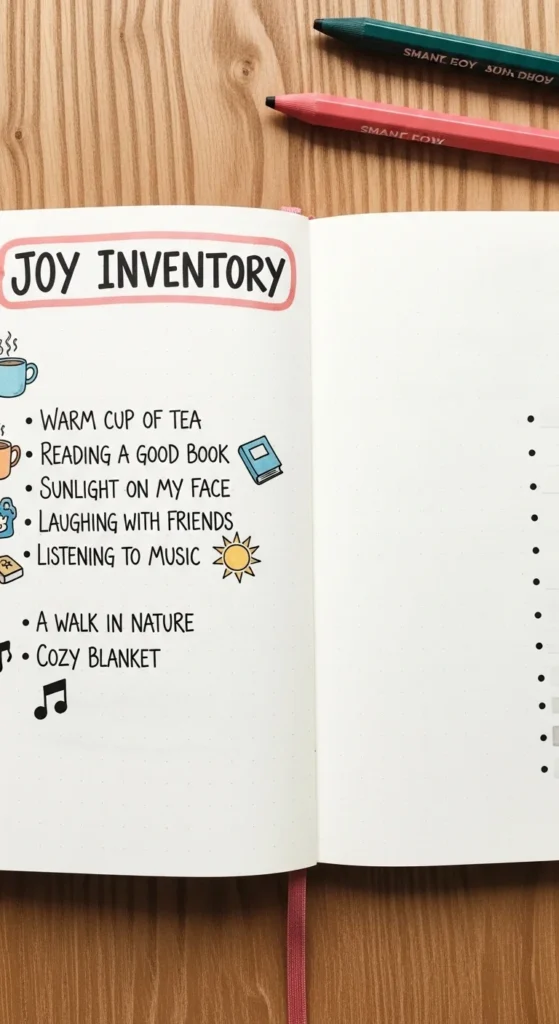
When numbness shows up, joy can feel far away. This page helps you look for micro-moments.
Write 10 tiny joys from the past week. Examples: warm shower, good food, favorite song, quiet time.
Then pick one joy to repeat tomorrow.
Budget tip: choose free joys. Sunlight, music, stretching, a call with a friend.
DIY example: draw a small jar and add one joy per day. It becomes a visual collection.
Joy does not have to be loud. This prompt helps you notice soft comfort again.
14. Dream Prep Night Page

Write a short wind-down plan.
Use:
- One thing I will stop doing
- One calming action
- One comfort for my body
Examples: stop scrolling, stretch, dim lights.
Budget tip: free changes work best. Lower light, water, slow breathing.
DIY example: create a reusable checklist and copy it nightly.
This page supports better sleep by reducing late-night mental noise.
15. Gentle Trauma Release Page
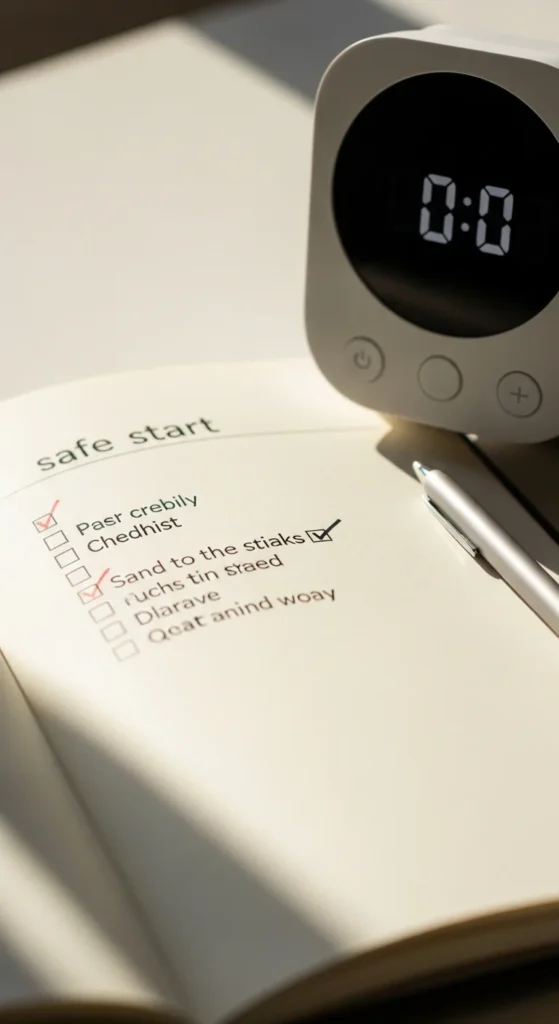
If you want to write about painful memories, keep it safe and timed.
Start with a “safe start” checklist:
- I have water nearby
- I will write for 10 minutes
- I will stop when time ends
- I have a calming activity ready
Then write only one small layer:
- What I remember
- What I felt
- What I wish I had then
Budget tip: a kitchen timer works.
DIY example: write the calming activity at the bottom: shower, walk, music, call someone you trust.
If writing triggers strong distress, pause and choose a lighter prompt. Professional support can help with trauma work, and you deserve that support if it is available to you.
16. Shadow Integration Page
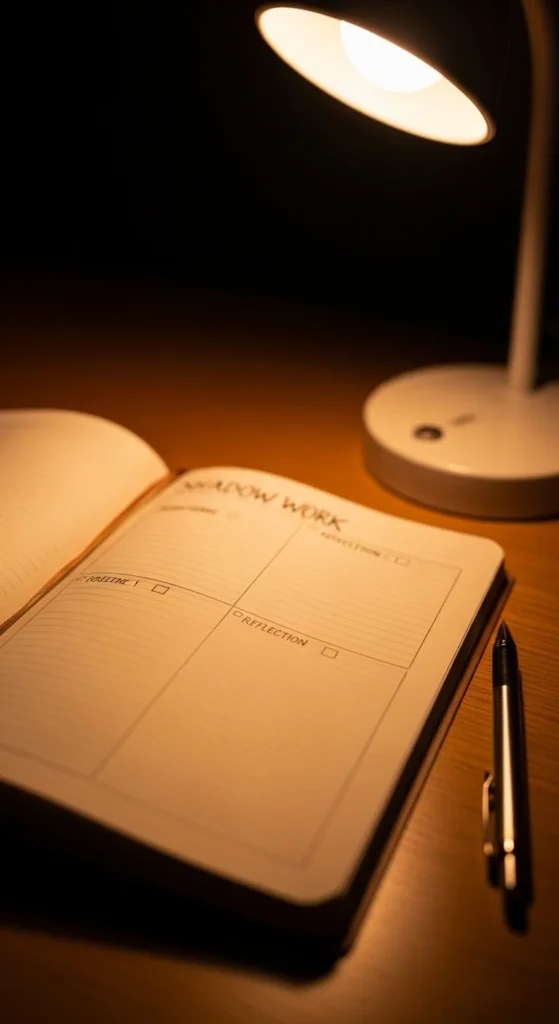
Pick one trait you judge in yourself. Jealousy, anger, avoidance, people-pleasing.
Write:
- When it shows up
- What it tries to protect
- What it might need instead
Budget tip: keep it to 8–10 lines.
DIY example: write one “repair action” you can try next time. Example: take a pause, speak honestly, ask for help.
This prompt is about understanding, not self-attack.
17. Healing Visualization Script
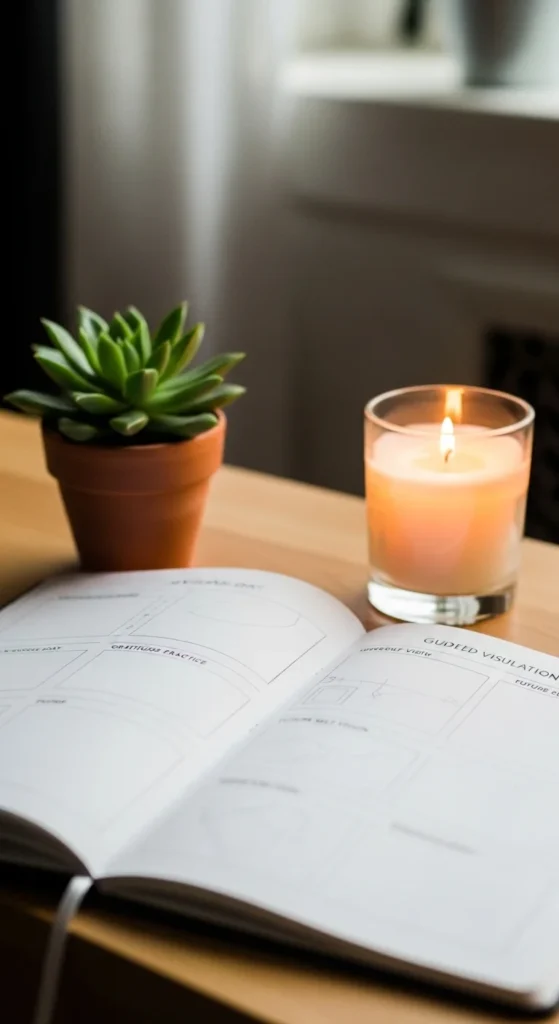
Write a short scene where you feel safe and calm. Use sensory detail.
Include:
- Where you are
- What you see
- What you hear
- What you touch
Then write one line: “I can return to this place when I feel overwhelmed.”
Budget tip: free. Just imagination and paper.
DIY example: sketch a tiny symbol that represents the place. A wave, a tree, a mountain.
This page gives your mind a calm reference point.
18. Fear Flip Action Page
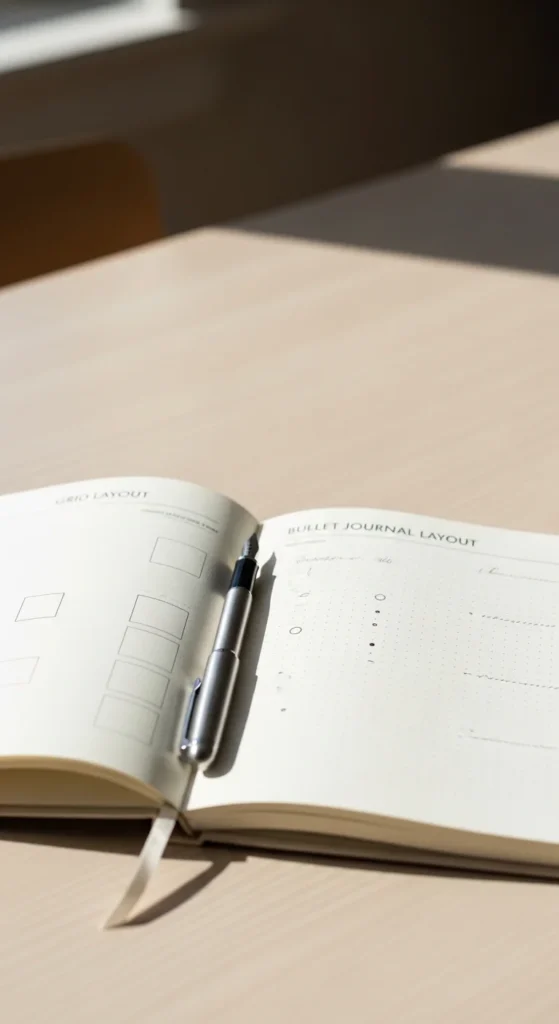
Write one fear. Then write one small action that respects the fear but still moves forward.
Example:
- Fear: “I will fail.”
- Small action: “Work for 10 minutes and stop.”
Budget tip: micro-actions cost nothing.
DIY example: add a 7-day row. Repeat the same small action for a week and mark each day you tried.
Progress often comes from small steps that feel safe enough.
19. Peace Anchors List
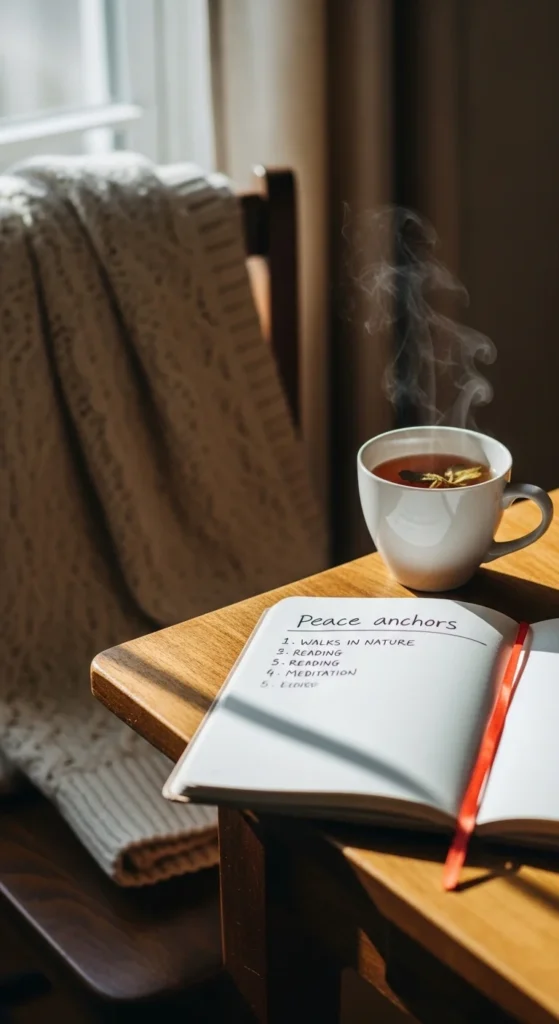
Write a list of 15 things that help you feel calm. Make it practical.
Examples: warm drink, walking, prayer, music, cleaning one corner, stretching, journaling, calling a friend.
Then circle three you can do today.
Budget tip: focus on no-cost options.
DIY example: label each anchor as “2 minutes,” “10 minutes,” or “30 minutes.” That makes it easy to pick one based on your time.
This page becomes your personal calm menu.
20. Trigger Pattern Spotter
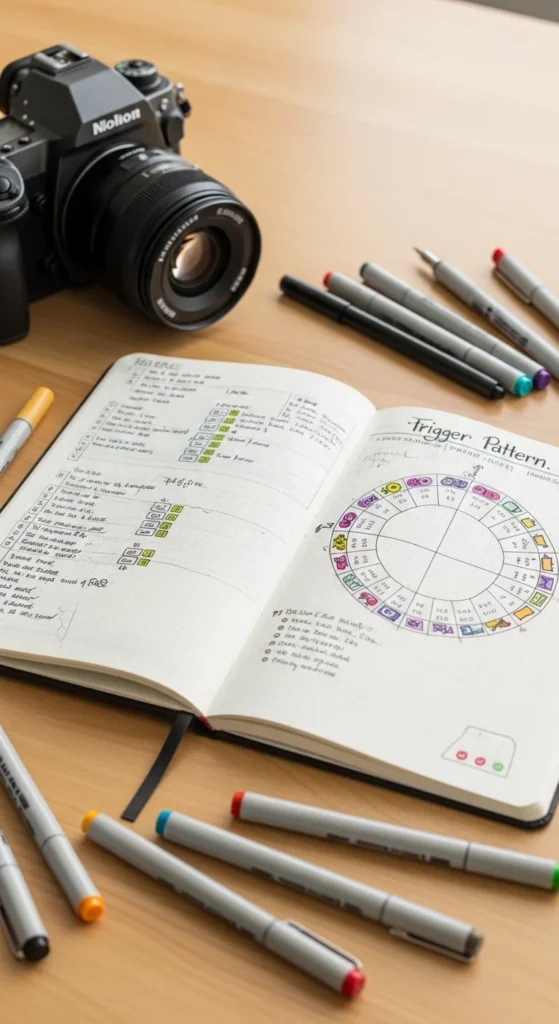
Track what happens before stress spikes.
Write:
- Trigger
- Time of day
- Place
- People involved
- What helped after
Budget tip: do this three times a week, not daily, if it feels like too much.
DIY example: use one color dot for each trigger type. Work, family, money, sleep, health. Visual patterns appear quickly.
Seeing patterns helps you plan support earlier.
21. Kindness Script for Hard Moments
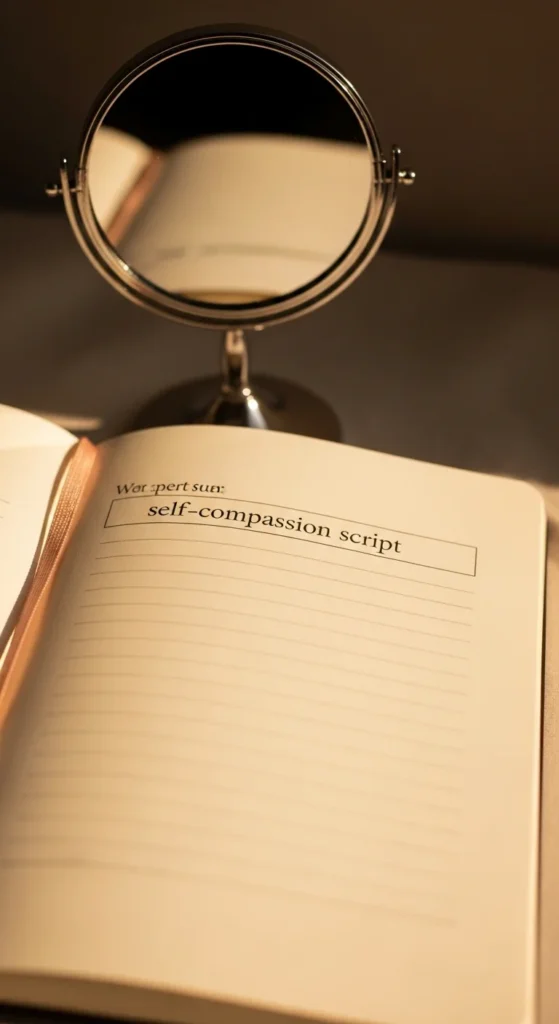
Write a short script you will read when you feel overwhelmed.
Example:
- “This is hard.”
- “Many people feel this.”
- “I will be kind to myself right now.”
Then add one action: drink water, sit down, breathe slowly, step outside.
Budget tip: free support on paper.
DIY example: copy the script onto a card and keep it in your wallet.
This builds a calmer response during stress.
22. Soul Purpose Reflection

Write:
- What matters most to me
- Who I want to show up for
- What I want to stand for this year
Then add one tiny action that matches that purpose. One message. One act of kindness. One honest conversation.
Budget tip: write one page per month.
DIY example: add a simple symbol at the top that represents your purpose. A heart, a star, a tree.
Purpose reduces chaos because it gives direction.
23. Hybrid Voice-to-Text Healing Entry

If writing hurts your hands or feels tiring, use voice notes.
Record a 2-minute voice entry answering:
- What I feel
- What I want
- What I will do next
Then write one sentence in your journal that captures the main point.
Budget tip: your phone voice recorder is enough.
DIY example: paste a small QR code sticker you create later that links to the audio file, or simply write the date and file name for easy finding.
This keeps the habit going even on low-energy days.
24. Support Circle Page
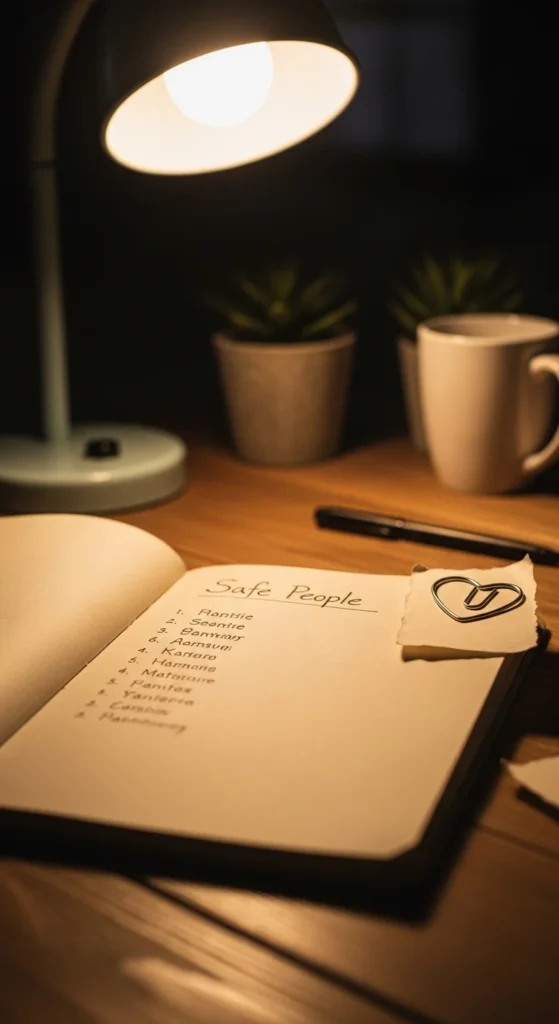
Write a short list:
- People who help me feel safe
- Places that calm me
- Activities that settle me
Then write one next step: “This week I will reach out to…”
Budget tip: a message counts. It can be short.
DIY example: add a small “contact plan” box with one day and one person. Keep it simple.
Healing is easier with support, even if it is just one person who listens.
25. Daily Calm Routine Builder
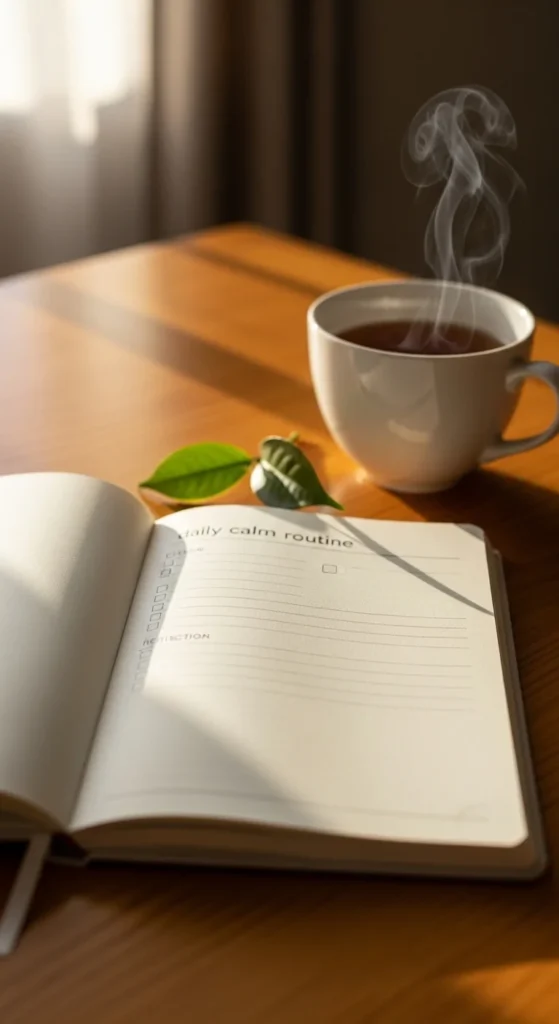
Create a short routine you can repeat. Keep it realistic.
Pick one from each:
- Morning: 2 minutes breathing or gratitude
- Midday: stretch or short walk
- Night: wind-down list or body scan
Budget tip: use free actions.
DIY example: make a weekly tracker with three checkboxes per day. Shade the boxes when done. The goal is consistency, not perfection.
This page turns inner peace into small daily habits you can actually maintain.
Conclusion
Inner peace often starts with small, repeatable choices. A healing journal gives you a private space to name what you feel, soften self-talk, and practice calm actions that fit your real life. Try one idea tonight. Keep it short. If a prompt feels heavy, switch to a gentler page like gratitude, body mapping, or a peace walk entry. With time, these pages become a personal guide you can return to whenever your mind feels loud.

Leave a Reply