

Affiliate marketing sounds fancy, but the beginner version is simple: recommend useful products, share your unique link, earn a commission when someone buys. You don’t need a huge following. You need a clear niche, consistent content, and a basic traffic plan. (Yes—boring… but it works.)
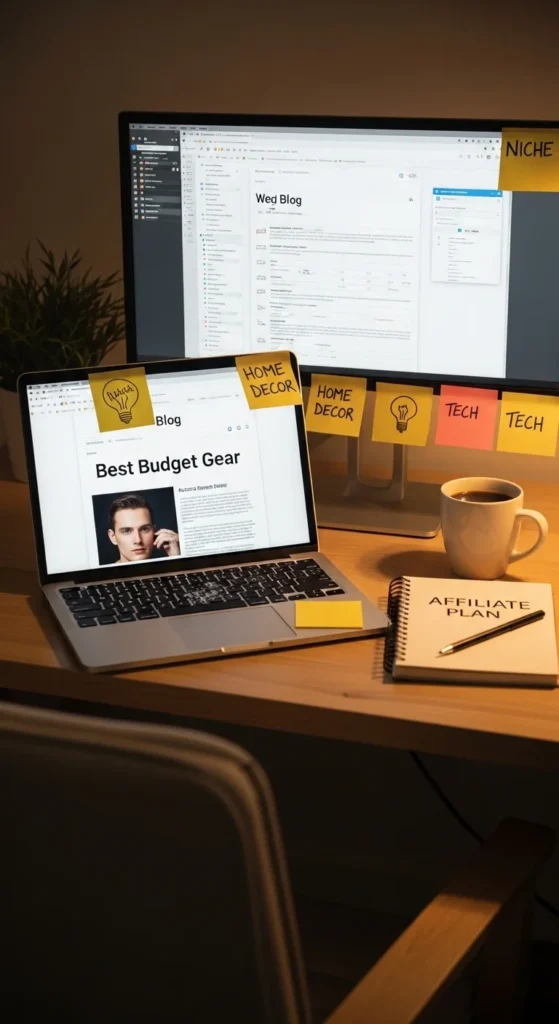
This step-by-step guide walks you through a realistic 90-day starter plan so you can go from “total beginner” to “first clicks + first commissions.”
Step 1: Pick a Niche You Can Actually Stick With
Most beginner guides start here for a reason: your niche decides what you create, what you promote, and who trusts you. Start with a niche you know, care about, or are willing to learn deeply. (Hostinger, Shopify)
Use this quick “niche-fit” test:
- Can I talk about it for 6 months without quitting?
- Do people buy things in this niche repeatedly?
- Can I create helpful content (reviews, tutorials, comparisons)?
- Is it specific enough to attract a clear audience?
Good beginner niches are often “big niche → micro niche,” like:
- Fitness → home workouts for busy moms
- Tech → budget gadgets for students
- Home decor → small-apartment organization
Step 2: Choose Your Platform (Don’t Overthink It)
Pick one primary platform for the first 30 days. Expand later.
Common beginner choices:
- Blog + SEO (slow start, strong long-term)
- YouTube (trust-building + search)
- TikTok (fast discovery + short-form)
- Email list (the “asset you own”) (Elementor)
A simple starter stack that works well:
- YouTube or TikTok for discovery
- Email list for follow-up
- Optional: a blog later for evergreen SEO
If you’re stuck, choose based on what you’ll actually do consistently:
- Hate talking on camera? Start a blog.
- Hate writing long posts? Start YouTube/TikTok.
- Want stability? Build email early.
Step 3: Join 1–2 Affiliate Programs (Start Simple)
Beginners often join too many programs and end up with a messy setup. A cleaner approach:
Start with:
- Amazon Associates (easy entry, huge product variety, high trust) (Elementor)
- Plus one niche network later (ShareASale, Impact, Awin, etc.)
Quick Amazon setup checklist:
- Create account
- Add your website/channel
- Generate links for 3–5 products you genuinely recommend
- Save links in a simple tracking sheet (more below)
Important mindset shift: Programs don’t create income—content + traffic does. Build the content engine first, then expand.
Step 4: Create Content That Sells Without Feeling Salesy
The top-performing affiliate content is usually “help first, links second.” (Hostinger, Shopify)
Start with these 3 formats:
- Comparison posts/videos
- “X vs Y: which is better for beginners?”
- Works because the buyer already wants to choose.
- Best-of lists
- “Best budget microphones for YouTube”
- Add a simple comparison table and a clear recommendation.
- Tutorial + tool I used
- “How I did ____ (and what I used)”
- This builds trust fast.
Soft, ethical CTA examples:
- “If you’re looking for a beginner-friendly option, this is what I use.”
- “I’ll link the exact one below so you can check the price.”
- “Here are the top picks I’d choose if I were starting today.”
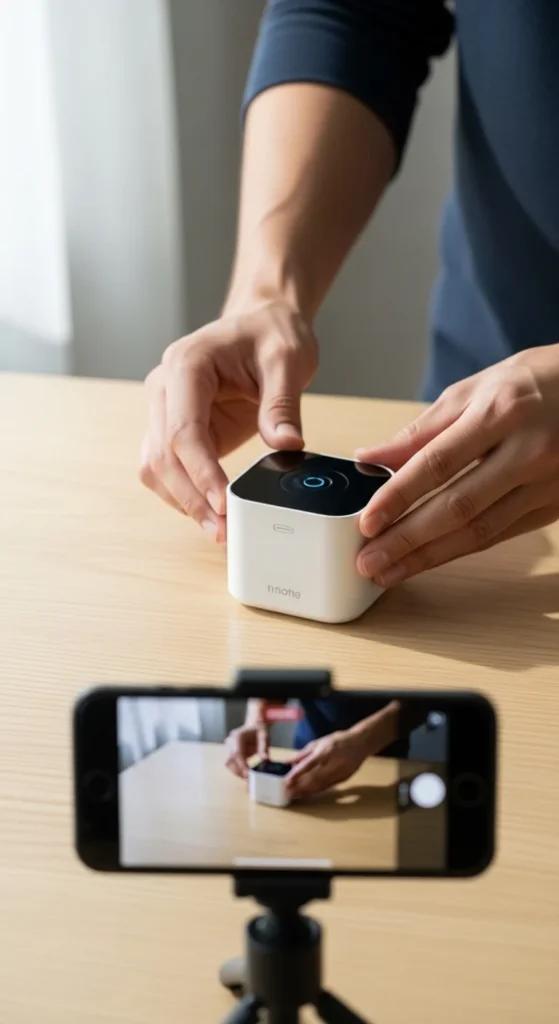
Step 5: Always Disclose Affiliate Links (Protect Yourself)
Disclosures aren’t optional—most platforms and FTC-style guidance expect clear transparency. (YouTube)
Copy-paste templates:
Blog disclosure (top of post):
“This post contains affiliate links. If you buy through my link, I may earn a commission at no extra cost to you.”
YouTube disclosure (description + quick mention):
“Some links are affiliate links, meaning I may earn a commission if you purchase.”
Email disclosure (near link):
“Affiliate link: I may earn a commission if you purchase.”
Simple rule: be clear, be honest, move on.
Step 6: Build a 30-Day Traffic Plan (Before You Obsess Over Earnings)
Many 2025–2026 guides emphasize that affiliate marketing is a consistency game, not a one-post miracle. (YouTube)
A beginner-friendly 30-day plan:
- Create 3 evergreen pieces (one per week)
- 1 comparison
- 1 best-of list
- 1 tutorial + tool
- Repurpose each piece:
- 1 long YouTube video → 3 short TikToks/Reels
- 1 blog post → 5 Pinterest pins
- Start an email list with one simple freebie:
- “Beginner checklist”
- “Top tools list”
- “Quick-start guide”
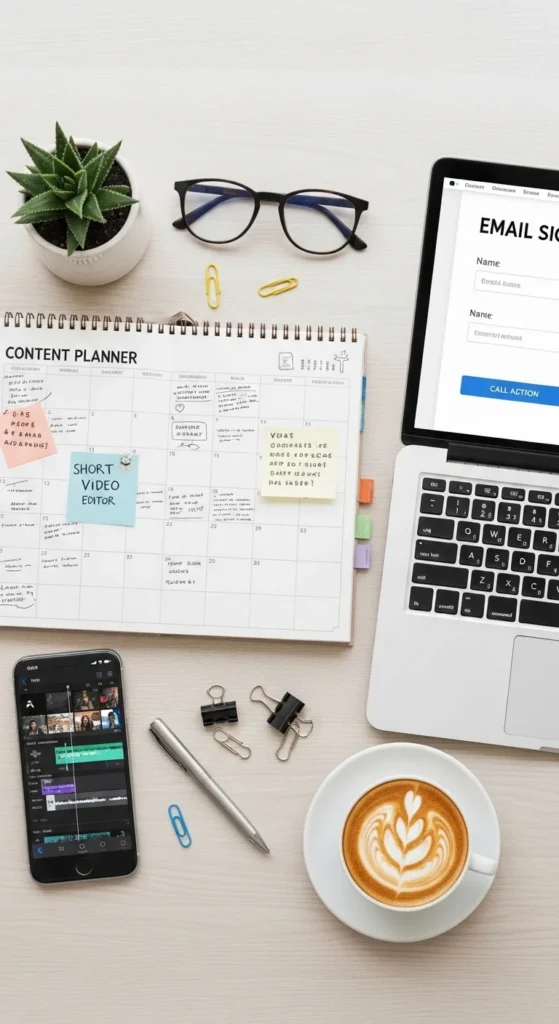
Step 7: Track What’s Working (And Give It 2–4 Weeks)
Affiliate success comes from testing:
- Which topics get clicks?
- Which products convert?
- Which CTAs actually get tapped?
Set up a simple tracker:
- Content title
- Publish date
- Views
- Clicks
- Sales/commissions
- Notes (what you’ll improve next time)
Then run tiny experiments:
- Change one thing (title, thumbnail, CTA placement)
- Wait 2–4 weeks
- Keep what works, drop what doesn’t
A Realistic 90-Day Beginner Timeline
- Days 1–7: pick niche, choose platform, join Amazon Associates
- Days 8–30: publish 3 strong pieces + start email list
- Days 31–60: publish weekly, refine topics, improve CTAs
- Days 61–90: add 1–2 new programs, scale what’s already working
You’re building a system—not chasing a hack.
Final Takeaway
Affiliate marketing is still one of the simplest online businesses to start because the cost is low: a niche, a platform, and consistent content. Focus on trust, evergreen content, and tracking—then your clicks and commissions compound over time.
Save this guide for later—and pick your niche today so you can start your first piece of content this week.

Leave a Reply