

You don’t need to buy a house to make money on Airbnb. In fact, thousands of savvy entrepreneurs are building profitable Airbnb businesses without ever owning a single property. From rental arbitrage to co-hosting, there are creative ways to turn other people’s properties into income streams — all while offering guests unique, memorable stays.
Understand the Power of Airbnb Hosting 🏡
Airbnb has transformed the hospitality industry by allowing everyday people to profit from short-term rentals. But here’s the secret: you don’t have to own property to be part of it. By positioning yourself as a connector, manager, or creative host, you can build real income streams from spaces you don’t own.
Two popular methods are:
- Rental Arbitrage – Renting a property long-term, then subletting it on Airbnb (with permission).
- Co-Hosting – Managing other people’s Airbnb listings for a share of the profits.
Both options can be started with low upfront investment, making them perfect for aspiring entrepreneurs.
Start With Rental Arbitrage 📝
Rental arbitrage is when you lease a property and list it on Airbnb, keeping the difference between what you pay the landlord and what you earn from guests.
How It Works:
- Find a landlord who allows short-term rentals.
- Sign a standard long-term lease (6–12 months).
- Furnish and stage the property to Airbnb standards.
- List it on Airbnb, set competitive pricing, and manage bookings.
For example, if your monthly rent is $1,200 but you can generate $2,500 in Airbnb bookings, your profit (before expenses) could be $1,300/month.

Tips for Success:
- Target locations with consistent demand: near airports, hospitals, business districts, or tourist spots.
- Run the numbers carefully: factor in utilities, cleaning costs, and Airbnb fees.
- Always get written permission from the landlord to avoid legal issues.
- Use smart locks and keyless entry to make guest check-ins smooth.
Become a Co-Host (No Lease Needed) 🤝
If you don’t want to sign leases, co-hosting is the ultimate low-risk Airbnb strategy. As a co-host, you help property owners manage their listings and earn a percentage of the booking revenue — usually between 10% and 30%.
What You Can Do as a Co-Host:
- Communicate with guests
- Manage check-ins and check-outs
- Schedule cleaning and maintenance
- Optimize listings and pricing
- Handle reviews and guest experience
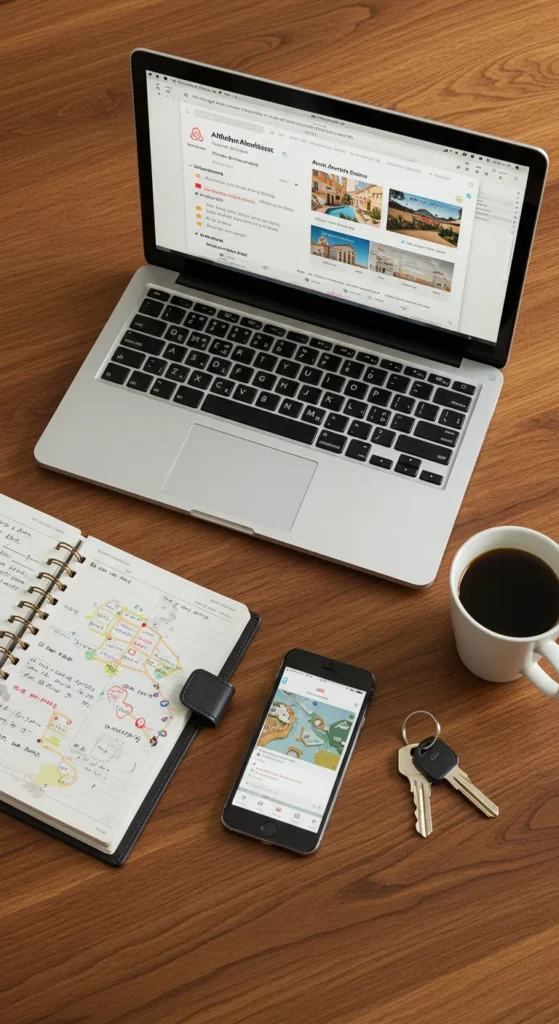
This approach is perfect if you’re organized, good with people, and comfortable managing schedules. You can co-host remotely (for online tasks) or locally (handling the physical side of hosting).
How to Get Co-Hosting Clients:
- Start by approaching friends or family with unused spaces.
- Network with local landlords who don’t have time to manage Airbnb guests.
- Offer to optimize an underperforming listing to prove your value.
- List your co-hosting services on Facebook groups, LinkedIn, or local community boards.
Master Listing Optimization 📸
Whether you’re doing arbitrage or co-hosting, your listing quality determines your income. Airbnb guests scroll fast, and eye-catching listings with glowing reviews always win.
Listing Must-Haves:
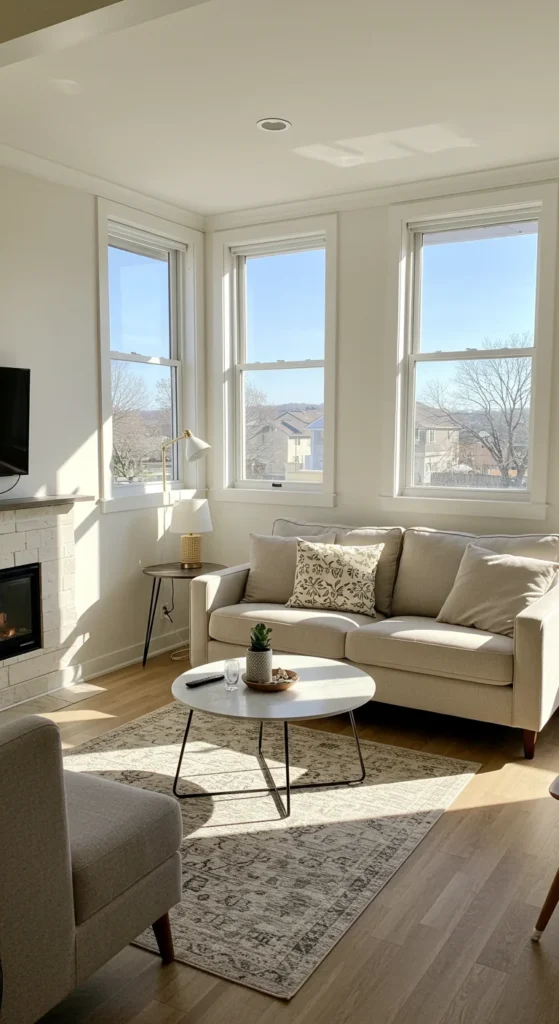
- Professional photos that highlight light, space, and cleanliness.
- A clear, keyword-rich title (e.g., “Bright Downtown Loft with Free Parking”).
- A well-written description that focuses on guest experience.
- Competitive pricing — use Airbnb’s smart pricing or research similar listings.
- Accurate details about amenities, location, and house rules.
Automate and Scale for Passive Income ⚙️
Once you have one or two properties running smoothly, scaling up becomes much easier.
Automation Tools to Use:
- Channel managers or Airbnb tools like Hospitable or Guesty for automated messaging.
- Dynamic pricing software to adjust rates in real-time.
- Cleaning crew scheduling apps to keep turnovers seamless.
By putting systems in place, you can manage multiple properties efficiently — and eventually, build a real business that runs without you micromanaging daily tasks.
Keep Guest Experience at the Core ✨
Airbnb success is built on five-star guest experiences. Good reviews mean better visibility, more bookings, and higher earnings.
Ways to impress:
- Provide clear check-in instructions.
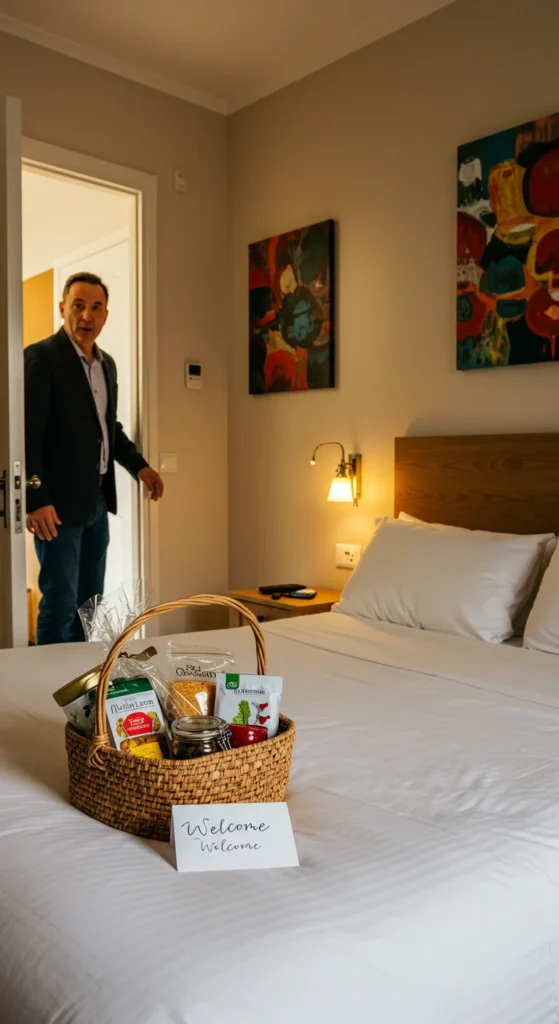
- Add thoughtful touches (like snacks, coffee, or a local guidebook).
- Respond to messages quickly.
- Resolve issues fast and professionally.
A single negative review can affect future bookings, so treat each guest like a VIP.
Final Takeaway 🚀
You don’t need to own property to succeed on Airbnb — you just need strategy, effort, and a bit of creativity. Whether you choose rental arbitrage for higher margins or co-hosting for low-risk cash flow, Airbnb can be a profitable and flexible income stream.

Leave a Reply