

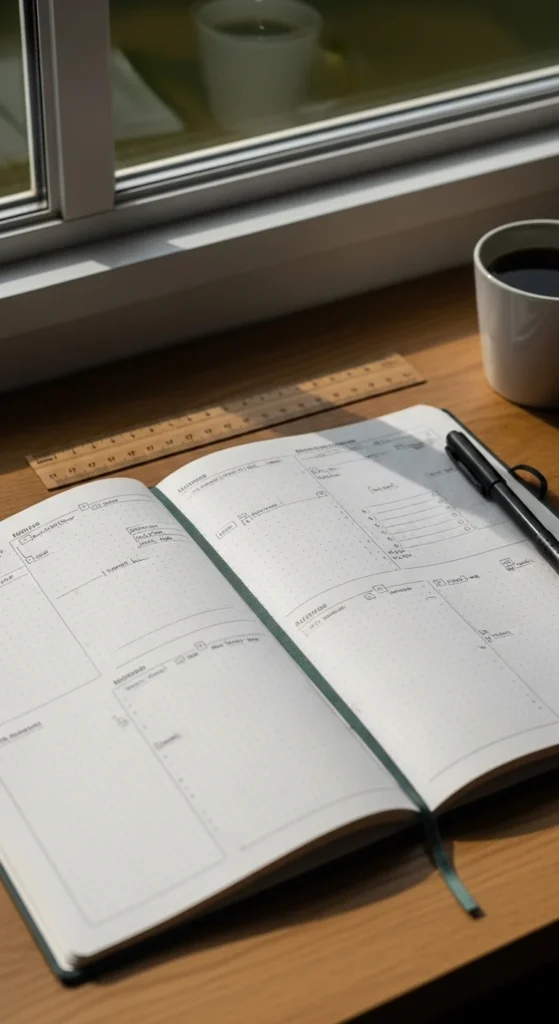
Staying organized doesn’t require complicated systems or expensive planners. A simple notebook can help you control the chaos and stay on top of life. Bullet journaling works because it makes tasks visible. You see what matters. You track progress. You capture ideas before they disappear.
If you’ve ever felt scattered or overwhelmed, this list will help you build structure step by step. Each idea is practical. Each layout is affordable. Most take under ten minutes to set up. Let’s walk through 25 genius bullet journal ideas that actually make daily life easier.
1. Starter Index + Key System
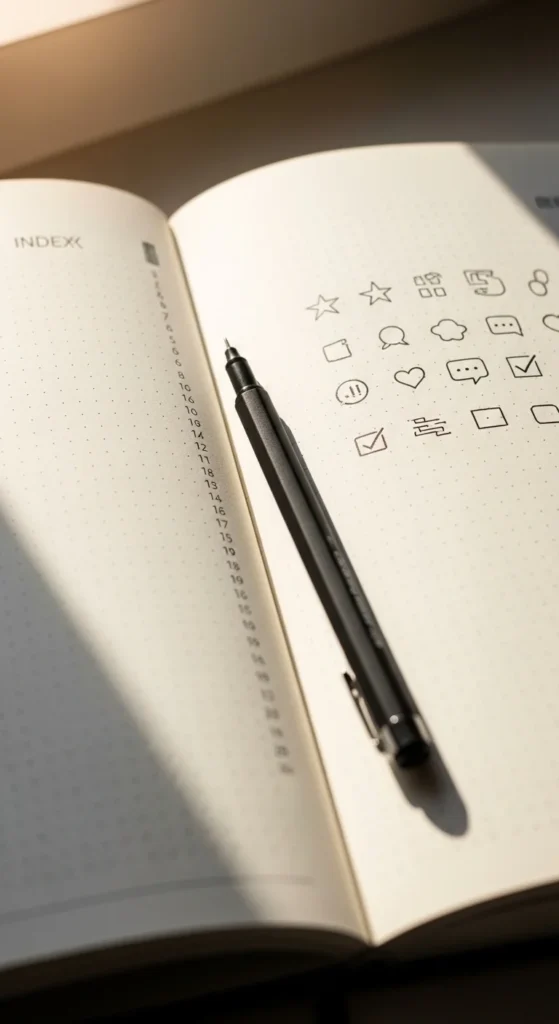
An index and key system is your foundation. Without it, pages disappear fast.
Number every page in your journal. Keep numbers small and neat. Then dedicate the first two pages to your index. Every time you create a new spread, log it here.
Your key is simple. A dot for tasks. A circle for events. A dash for notes. A star for priority.
That’s it.
You don’t need color coding. You don’t need stickers. Just clean symbols that make sense to you.
This layout solves the “where did that page go?” problem instantly.
Budget tip: Use a ruler and a basic black pen. No fancy supplies required.
Once your index is set up, everything else becomes easier to manage.
2. Daily Log Page
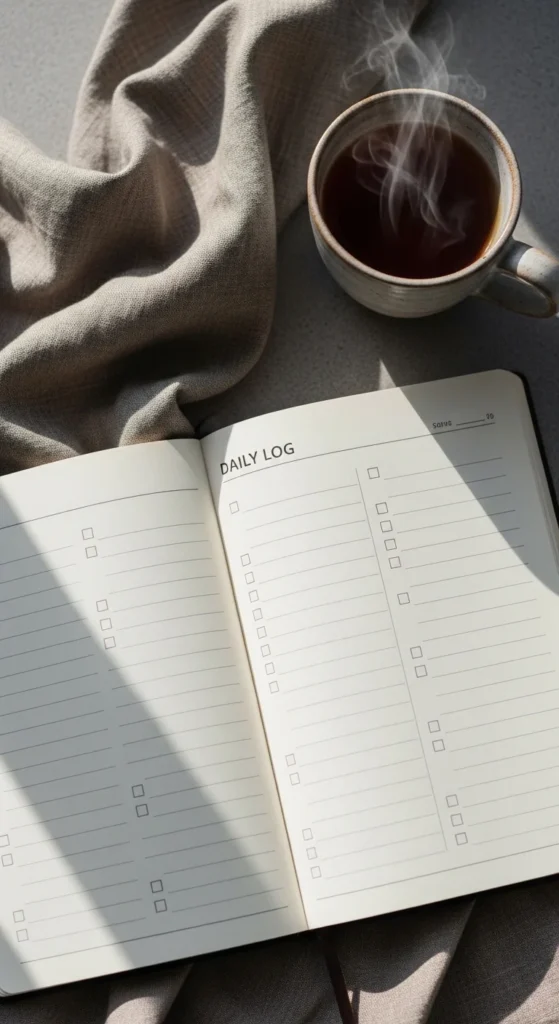
Your daily log is your command center.
Divide the page into simple rows. Add small boxes for tasks. Leave space for notes.
Keep it clean. No decoration required.
At the start of each day, list your top three priorities. Add smaller tasks below.
Migrate unfinished tasks forward. Cross off what’s done.
This page keeps you focused on what matters today, not next week.
If you’re busy, limit yourself to one page per day. That prevents overplanning.
Affordable tip: Use the dot grid as a guide instead of drawing heavy lines. It saves time.
A daily log keeps your brain clear and your day structured.
3. Weekly Spread with Priorities
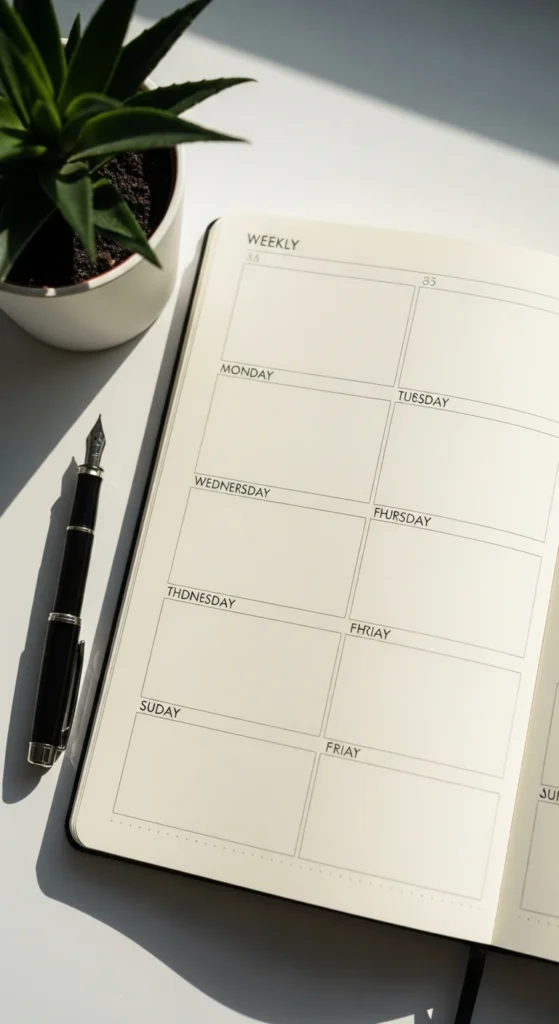
A weekly spread helps you see the bigger picture.
Divide two pages into seven sections. One for each day. Leave a side column for priorities.
List appointments first. Then add major tasks.
Don’t overfill it. Keep breathing space.
At the top, write three weekly priorities. Focus on those first.
This spread prevents overbooking.
Budget tip: Skip fancy headers. Just use simple block lettering.
A weekly layout keeps your time visible and realistic.
4. Monthly Calendar Overview
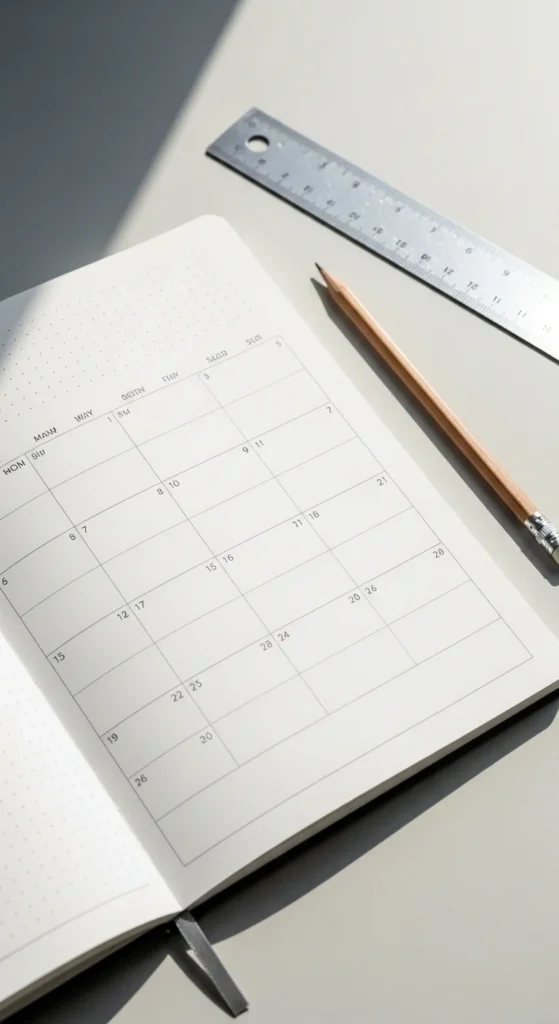
A monthly calendar helps you see deadlines fast.
Draw a simple grid. Add dates in the corners.
Mark important events. Highlight paydays or bills.
Keep it uncluttered. Too much detail makes it messy.
This page helps with long-term planning.
Budget tip: Use pencil first. Ink after. That keeps it tidy.
A monthly overview prevents last-minute surprises.
5. Brain Dump Inbox Page

Your brain holds too much. Empty it.
Dedicate one page to random thoughts, tasks, worries, and reminders.
No structure. Just write.
Later, sort items into proper spreads.
This stops mental clutter.
Do this once a week. Or whenever you feel overwhelmed.
Budget tip: No layout required. Just a blank page.
A brain dump makes space for focus.
6. Habit Tracker Grid
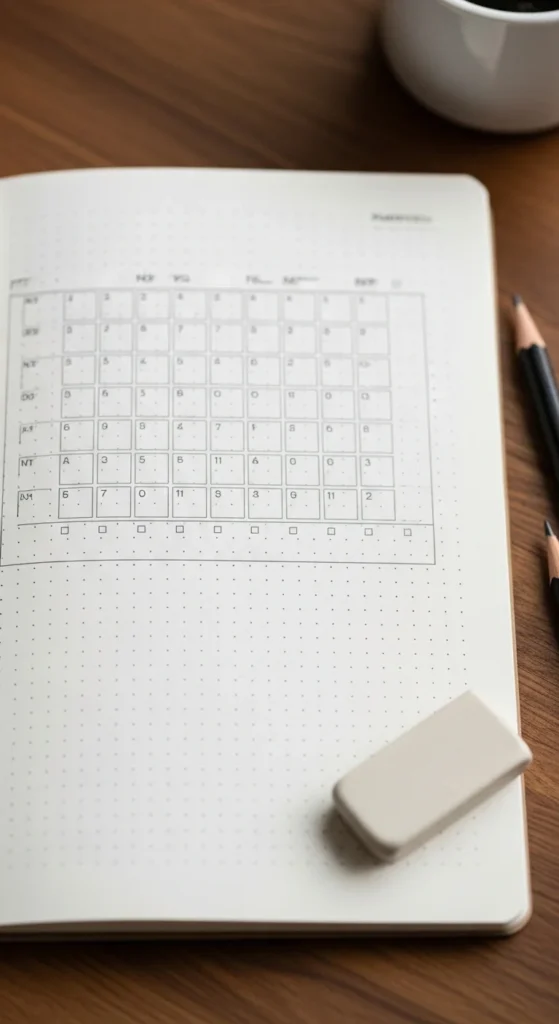
Habit trackers turn goals into visible patterns.
Create a grid. List habits on the side. Dates across the top.
Color or fill squares when completed.
Keep habits realistic. Three to five is enough.
Examples: Water intake. Reading. Steps. Screen time.
Budget tip: Use one pen. Skip color unless helpful.
You’ll notice patterns fast. Consistency becomes visible.
7. Monthly Habit Tracker

This is a bigger version of your weekly tracker.
Track habits across 30 days.
Seeing a full month helps identify trends.
Missed days become obvious.
Use it for fitness, sleep, or budgeting habits.
Keep the layout clean and compact.
Affordable tip: Use light pencil lines first.
This page builds long-term awareness.
8. Mood Tracker Wheel
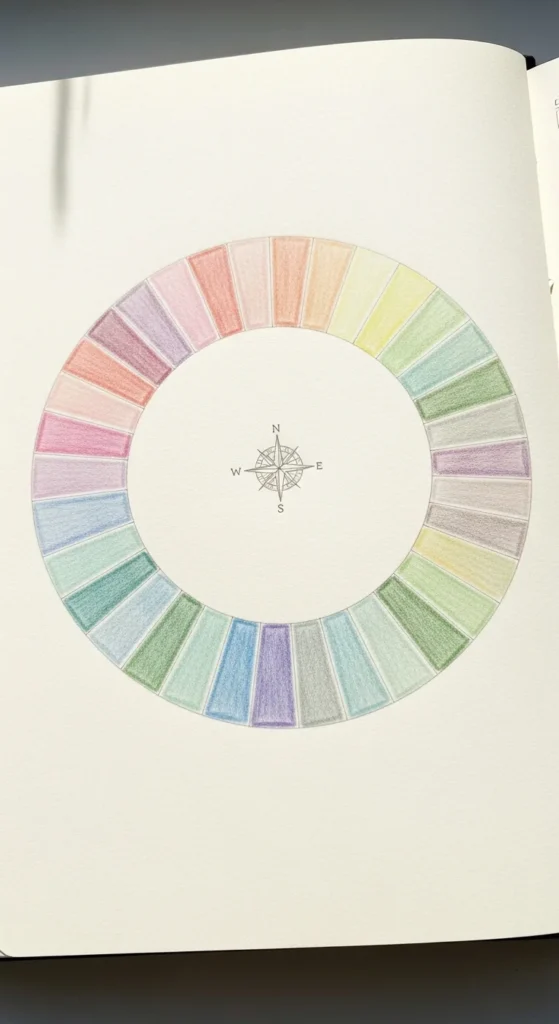
A mood tracker helps you see emotional patterns.
Draw a circle divided into 30 slices. Assign colors to moods.
Fill one slice per day.
After a month, patterns appear.
Pair it with habit tracking for insights.
Budget tip: Colored pencils are enough.
This layout helps connect actions and emotions.
9. Time Blocking Layout
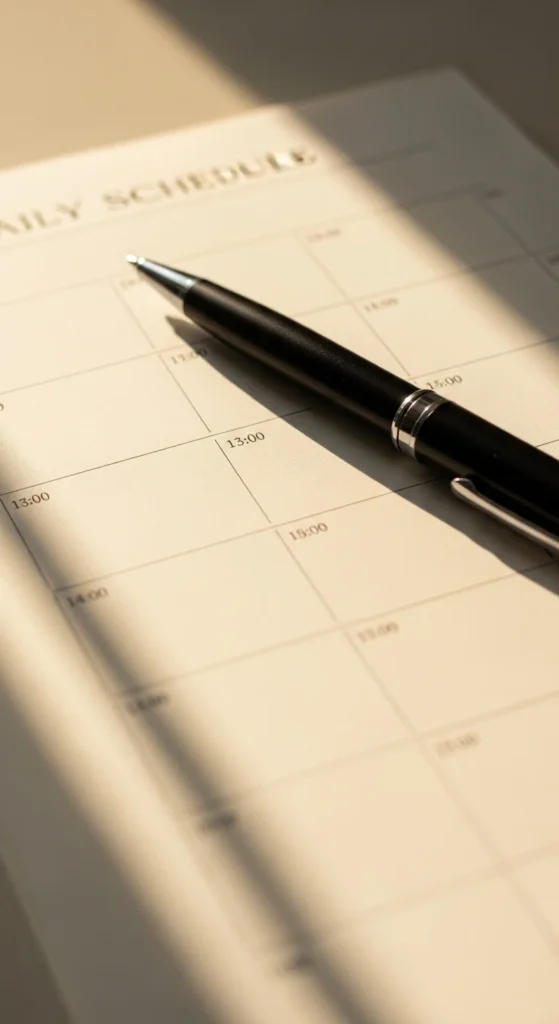
Time blocking structures your day by hours.
Draw a vertical timeline. Divide into hourly blocks.
Assign tasks to specific times.
This reduces procrastination.
Keep blocks realistic. Leave buffer time.
Budget tip: Use dot grid spacing as guides.
Time blocking prevents overloading your day.
10. Ideal Day Layout
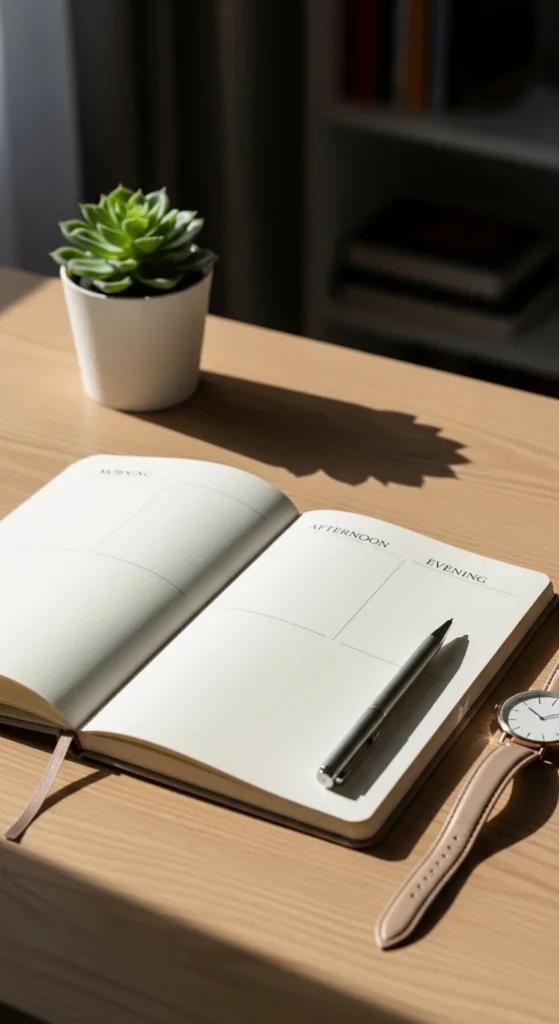
This page maps your dream routine.
Divide into morning, afternoon, evening.
List ideal habits and routines.
Use it as a reference when planning.
Keep it practical, not perfect.
Budget tip: No art required. Just structure.
It helps align your actions with your goals.
11. Weekly Priority Box
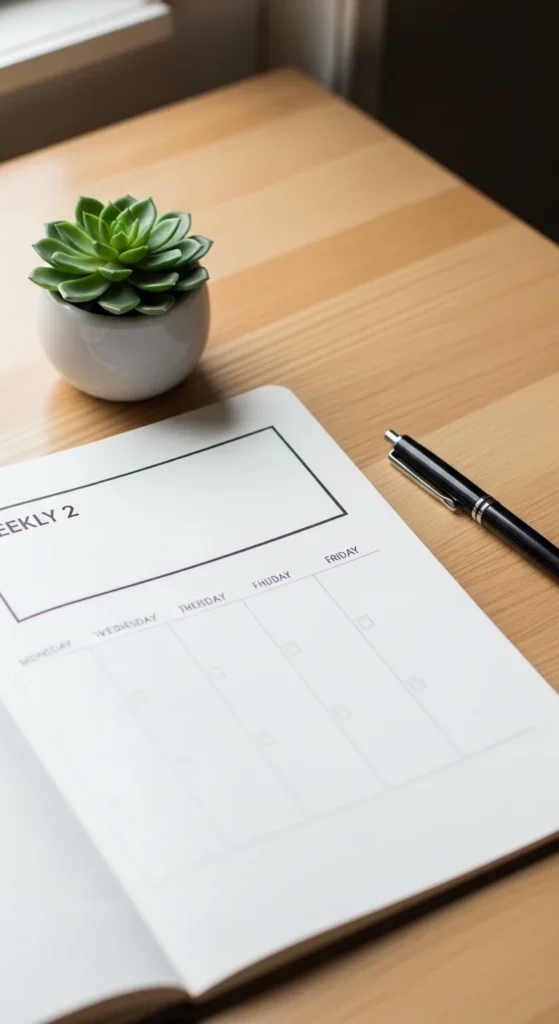
Create a bold box at the top of your weekly page.
List three main priorities.
Ignore everything else until these are done.
This prevents distraction.
Budget tip: Use thicker pen for the box.
Small structure. Big clarity.
12. Goal Breakdown Page
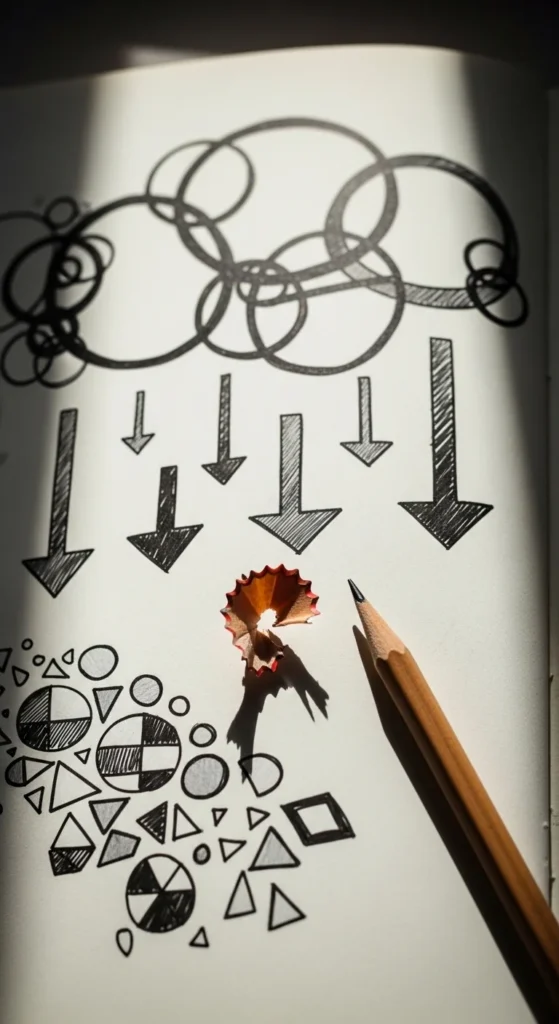
Break big goals into smaller tasks.
Draw the main goal at the top.
Add steps below.
Keep tasks tiny and specific.
This reduces overwhelm.
Budget tip: Simple arrows and lines work fine.
Clear breakdown means easier action.
13. Values Compass

Draw a circle divided into four parts.
Label each section with personal values.
Use this as your planning reference.
When scheduling, check alignment.
Budget tip: Pencil sketch first.
This spread keeps planning meaningful.
14. Cleaning Schedule Spread
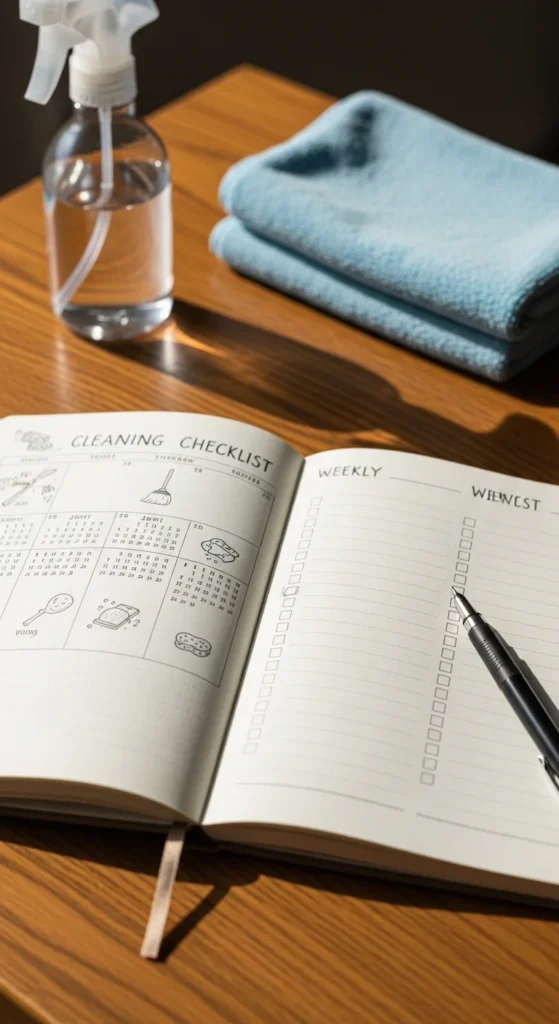
Divide chores by daily, weekly, monthly.
Keep tasks short and realistic.
Check them off as completed.
This keeps your home manageable.
Budget tip: Use one page per month.
Small steps keep your space calm.
15. Meal Planning Page

Divide page into seven boxes.
Assign meals per day.
Add grocery list below.
This saves money and reduces food waste.
Budget tip: Plan around sale items.
A meal plan prevents last-minute takeout.
16. Expense Tracker
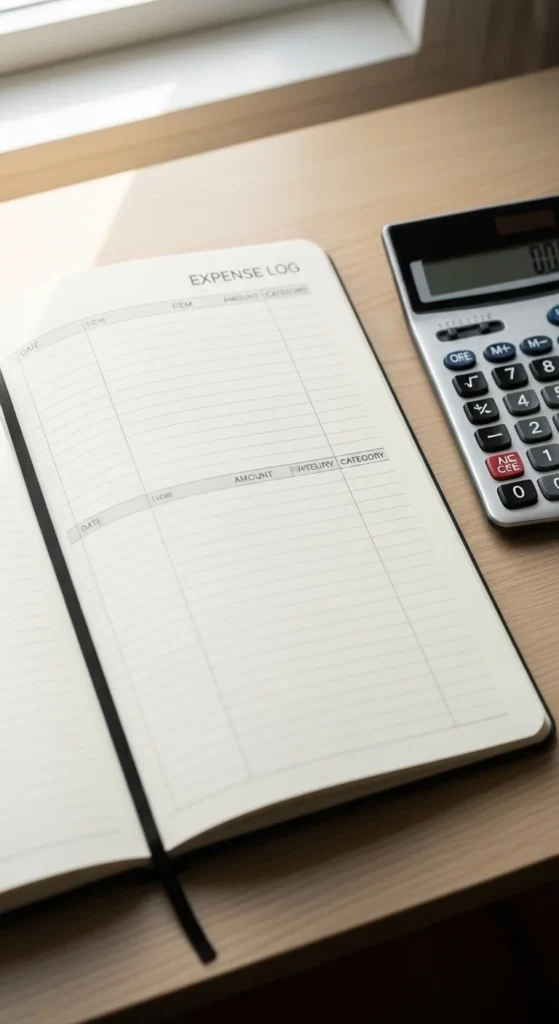
Create simple columns for date, item, cost.
Log every expense.
Patterns appear quickly.
This layout supports budgeting goals.
Budget tip: Track weekly totals.
Awareness changes spending habits.
17. Project Tracker

Break projects into steps.
Assign deadlines.
Track progress visually.
Keep tasks realistic.
Budget tip: Use one spread per major project.
Clarity leads to completion.
18. Study Planner
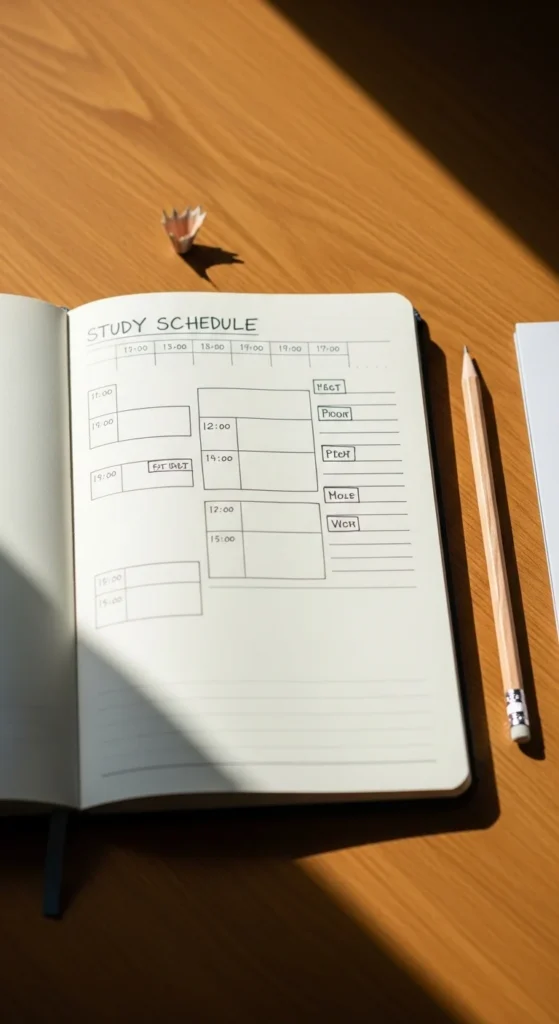
Divide subjects by day.
Add revision blocks.
Highlight deadlines.
Keep layout simple.
Budget tip: Use pencil for flexibility.
This prevents last-minute stress.
19. Tiny Wins Log

Create small boxes across a page.
Each box represents one small win.
Examples: drank water, cleaned desk, replied to email.
Fill one daily.
This builds momentum.
Budget tip: Keep it minimal.
Small wins add up fast.
20. Commonly Forgotten Checklist

List recurring but easy-to-miss tasks.
Examples: back up photos, refill medication, pay subscriptions.
Review weekly.
This prevents small problems from becoming big ones.
Budget tip: Keep it evergreen.
This page saves time and stress.
21. Do More Of / Do Less Of Page

Divide a page into two sections.
Left side: do more of.
Right side: do less of.
Review monthly.
This helps refine habits.
Budget tip: Keep it short and honest.
Clear reflection leads to better choices.
22. Book + Movie Tracker

Create two columns: books and movies.
Add small rating stars.
Track what you consume.
This keeps leisure intentional.
Budget tip: One page per year.
Organized fun still counts.
23. Travel Wish List

List destinations you want to visit.
Add savings goals next to each.
Track research and bookings.
Budget tip: Plan one affordable trip yearly.
Dreams become plans on paper.
24. Hybrid QR Dashboard
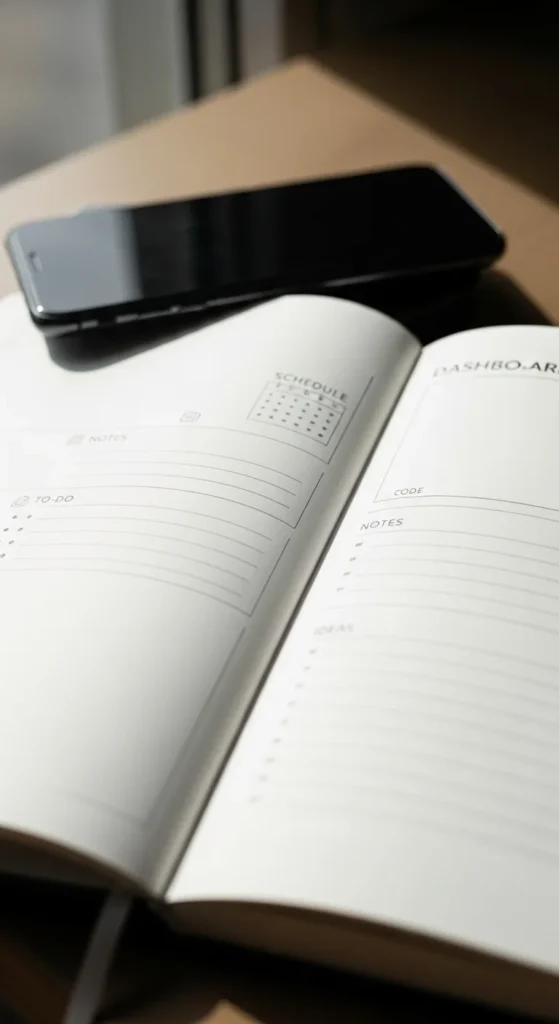
Create a dashboard page linking to digital tools.
Use QR codes for calendars or task apps.
This blends paper and digital planning.
Keep layout simple.
Budget tip: Free QR generators work fine.
Paper and tech can work together.
25. Yearly Roadmap + Theme
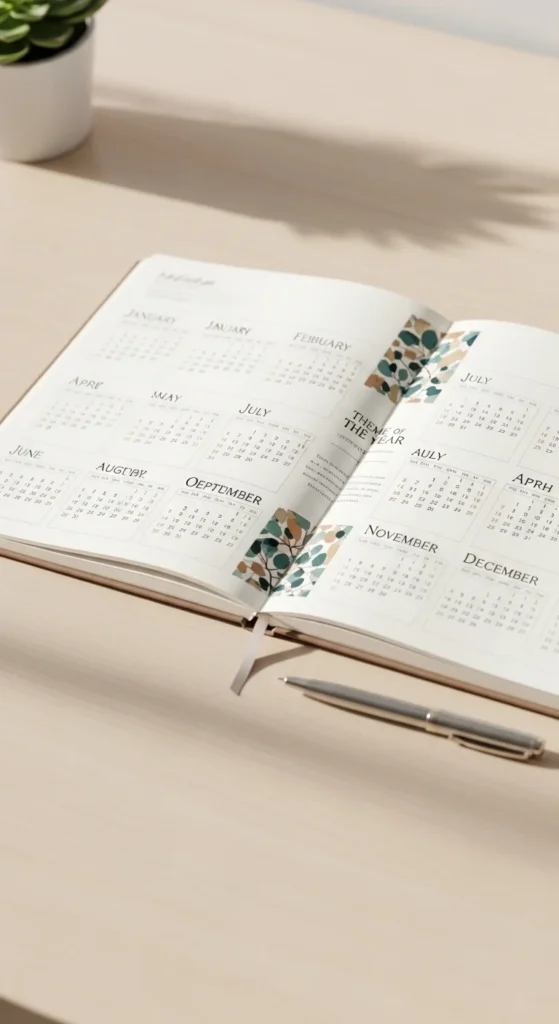
Divide two pages into twelve sections.
Assign one focus per month.
Add a yearly word or theme.
This keeps goals aligned all year.
Budget tip: Keep decorations minimal.
Simple structure creates direction.
Conclusion
You don’t need expensive tools or artistic talent to stay organized. A pen and a notebook are enough. Start small. Choose five spreads from this list. Build from there.
Bullet journaling works because it makes your life visible. When tasks, habits, and goals sit on paper, they feel manageable. Try one layout today. Keep it simple. Stay consistent. And let your journal help you control the chaos—one page at a time.

Leave a Reply