


The holiday season isn’t just for shopping—it’s also a smart time to grow your wealth. While many people focus on spending, savvy investors use this period to set up their finances for the coming year. From seasonal market patterns to clever savings strategies, Christmas can be a surprisingly powerful time to make money work harder for you.
Here are 24 practical Christmas investing tips to help you grow your wealth step by step, even if you’re starting small.
1. Set Clear Financial Goals for the New Year

Before investing, decide what you’re working toward. Break big financial targets into specific, time-bound goals—like building a $5,000 emergency fund or saving for a property down payment.
Use the quiet days around Christmas to reflect on what matters most financially. Write everything down in a notebook or digital planner. Clear goals give direction to every investment decision you make in the new year.
2. Automate Your Savings
Set up automatic transfers to your savings or investment accounts. Even small amounts add up over time.
For example, scheduling $10 every other day means over $180 invested by February without thinking about it. Automation helps you stay consistent while enjoying the holidays.
3. Invest Your Christmas Bonus Wisely

Many companies give year-end bonuses. Instead of spending it all, allocate a portion to investments.
You can split it into different areas—like index funds, a high-yield savings account, or a side business. Even investing 30% of your bonus can make a difference over time.
4. Take Advantage of Holiday Stock Patterns

The Santa Claus Rally is a term used for the stock market’s tendency to rise during the last week of December. While not guaranteed, many investors position themselves before this period to benefit from potential gains.
Research companies you trust and avoid panic buying. A small, well-timed investment can compound over time.
5. Buy Discounted Gift Cards to Save and Invest the Difference
Many platforms offer discounted gift cards during Christmas. Use them for planned purchases and invest the amount you save.
For example, buying a $100 card for $80 gives you $20 to invest without extra effort. This is a clever way to turn shopping into savings.
6. Open a High-Yield Savings Account

Many banks offer promotional interest rates at year-end. Shifting your savings to a high-yield account can earn more interest passively.
Set this up before January to maximize returns from the start of the year.
7. Explore Fractional Shares

You don’t need thousands to invest in big companies. Fractional shares let you buy small portions of high-priced stocks like Amazon or Tesla.
Start with small amounts during the holiday break. It’s a low-pressure way to get comfortable with the market.
8. Contribute to Retirement Accounts

The end of the year is a good time to top up retirement contributions. Many accounts offer tax advantages if you contribute before December 31.
Even a small extra deposit can compound for decades, helping your future self.
9. Sell Unused Items and Invest the Earnings

Declutter your home during the holidays and sell unwanted items on platforms like Facebook Marketplace or eBay.
Invest the proceeds instead of spending them. This turns clutter into capital for your financial goals.
10. Learn About Dividend Stocks
Dividend-paying stocks give you regular income while you hold them. Research stable companies that offer consistent payouts.
Reinvesting dividends can grow your portfolio without adding new money.
11. Start a Micro-Investment Account
Apps that round up your spare change make investing simple. By connecting your debit card, each purchase contributes to your investment account automatically.
It’s a hands-off way to build wealth during the busy holiday season.
12. Review Your Budget for Hidden Savings
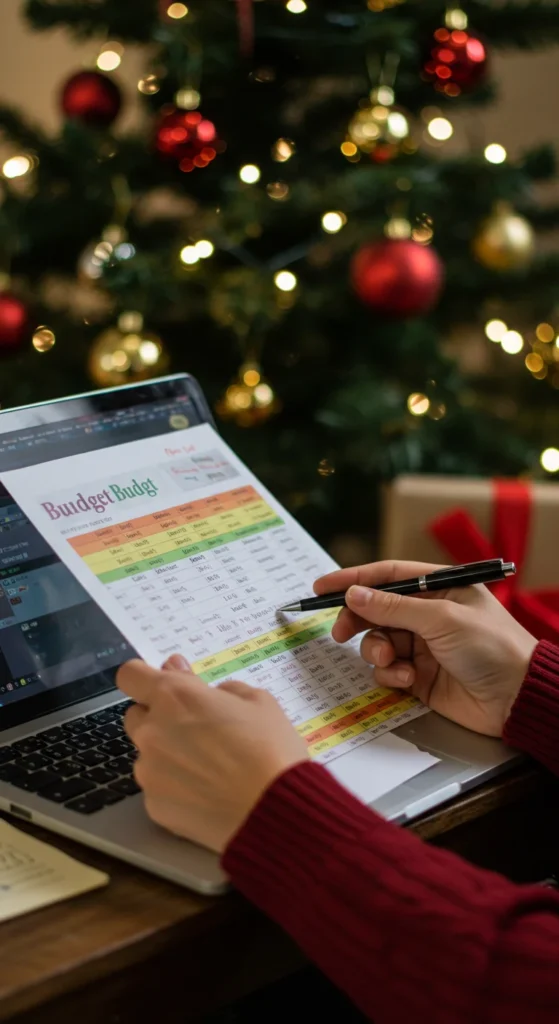
Holiday downtime is perfect for spotting unused subscriptions or overpayments. Cancel what you don’t use and redirect the savings to investments.
Even cutting $20 in monthly expenses equals $240 annually—money that can grow when invested.
13. Set Up a Holiday Savings Plan for Next Year

Avoid future credit card debt by starting a Christmas fund early. Save a little each month so next year’s holiday expenses don’t derail your investments.
Automating this plan keeps your finances stable.
14. Invest in Yourself Through Courses or Books

Building wealth isn’t only about stocks—it’s about knowledge. Use holiday discounts to buy online courses or books that improve your financial literacy.
A few quality lessons can pay off for years through smarter decisions.
15. Start a Side Hustle with Low Overhead

Christmas break is a good time to explore income-generating ideas like print-on-demand stores, freelance work, or digital products.
The extra earnings can fund your investments without cutting into your main income.
16. Gift Investments Instead of Toys

Instead of buying more plastic toys, consider gifting stocks or savings bonds to kids. Many platforms let you purchase small amounts in their name.
It’s a meaningful gift that grows with time.
17. Use Cashback Apps for Holiday Shopping

Cashback apps return a percentage of what you spend. Use these during holiday shopping and invest the cashback once it arrives.
It’s free money that can be redirected into productive assets.
18. Check for Year-End Tax Advantages

Some investments give tax deductions or credits if made before year-end. Check your eligibility and take advantage while there’s time.
This can increase your overall return without taking extra risk.
19. Consider Real Estate Crowdfunding Platforms

If buying property seems out of reach, real estate crowdfunding lets you invest smaller amounts in larger projects.
Many platforms accept investments as low as $100, making it accessible for beginners.
20. Review Your Investment Portfolio

Take a few hours to analyze your current holdings. Rebalance if needed to keep your risk level in check.
Doing this at year-end sets you up for a stronger start in January.
21. Invest in Index Funds for Long-Term Growth

Index funds are a simple way to diversify and grow steadily without needing constant monitoring.
Investing during the holidays gives your money more time in the market, which is key for long-term compounding.
22. Join an Investing Community

Learning with others keeps you motivated. Join online forums, groups, or social communities focused on investing.
You’ll pick up practical tips and stay accountable through shared goals.
23. Set Up Automatic Dividend Reinvestment
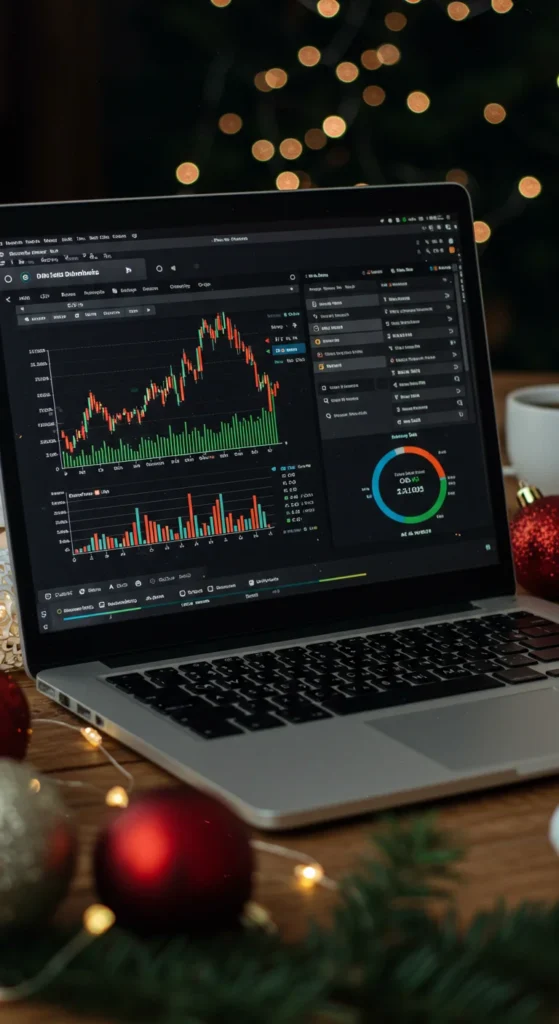
If you hold dividend stocks, enable automatic reinvestment. This buys more shares with each payout, compounding your returns without manual effort.
It’s a simple switch that accelerates portfolio growth.
24. Reflect on Financial Wins and Lessons

Take time to look back at your financial year. Celebrate wins—like debts paid off or investments started—and note what didn’t work.
This reflection gives clarity for better choices in the coming year.
Conclusion
Christmas isn’t just about spending—it can be a launchpad for financial growth. By applying these 24 smart investing tips, you can turn the holiday season into a stepping stone toward lasting wealth. Start small, stay consistent, and use the quiet festive moments to build strong financial habits that carry into the new year.

Leave a Reply