

If you’re good with words and understand how to sell someone’s story on paper, there’s a lucrative opportunity waiting for you: writing professional cover letters. Many job seekers struggle to express themselves confidently and pay handsomely for someone who can do it for them. This guide will walk you through how to start, find clients, and get paid writing cover letters that actually help people get hired.

Why Cover Letter Writing Is a Hidden Goldmine
While resumes showcase skills, cover letters sell the personality behind them. They help hiring managers connect emotionally with the candidate — and that’s where your writing skills shine.
Here’s why it’s profitable:
- Most job seekers hate writing cover letters.
- Companies expect them in nearly every professional application.
- Freelance platforms are filled with clients needing help daily.
If you can write persuasively and tailor content to each job, you can easily charge $30–$100 per letter — and even more for full job application packages.
Step 1: Learn What Makes a Cover Letter Work
A great cover letter isn’t a summary of the resume — it’s a story that connects passion to opportunity. To stand out as a cover letter writer, study the anatomy of one:
- Opening hook: Something personal or specific to the company.
- Body paragraph: Clear, relevant achievements or skills.
- Closing statement: A confident request for the interview.
Example:
“As a marketing enthusiast who increased engagement by 40% in my previous role, I’m thrilled at the idea of helping XYZ Company grow its online presence.”

Practice rewriting weak letters into strong ones. You’ll quickly develop an eye for clarity, tone, and confidence — qualities clients are happy to pay for.
Step 2: Build a Portfolio That Proves Results
Even if you’re just starting, create mock examples for different industries — marketing, tech, healthcare, education, etc. Show how your writing adapts to tone and purpose.
Tips for building a mini-portfolio:
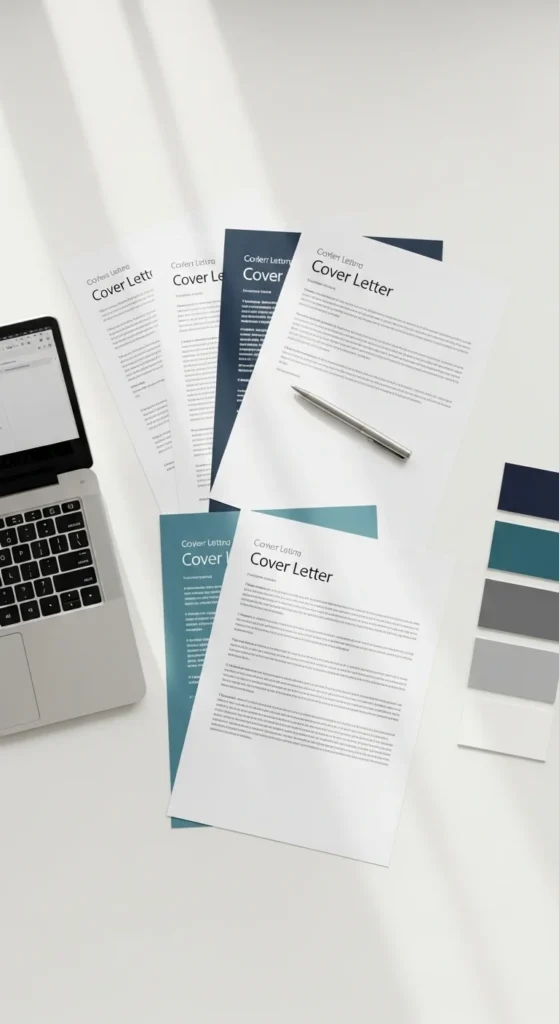
- Write 3–5 sample cover letters targeting different job types.
- Create a before-and-after example showing improvement.
- Use Canva or Google Docs to format them neatly.
Upload your portfolio to a personal website or LinkedIn profile so potential clients can view your style instantly.
Step 3: Find Clients Who Need Your Help
There are several easy places to find paying clients:
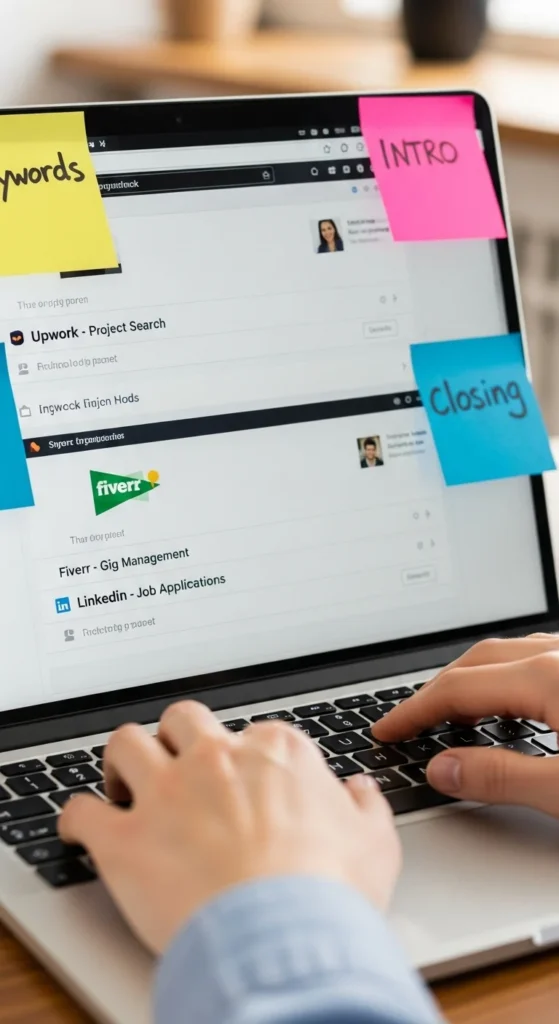
- Freelance marketplaces: Fiverr, Upwork, Freelancer.
- Career-related Facebook or LinkedIn groups.
- Job seekers on Reddit or resume forums.
- College students and recent graduates preparing for internships or jobs.
Start small with competitive pricing, then raise your rates as testimonials build up.
Pro tip: Offer bundled packages like “Resume + Cover Letter + LinkedIn Optimization.” This adds value and increases your earnings per client.

Step 4: Master the Art of Personalization
Each cover letter should feel handcrafted, not templated. Use the client’s experience and the job description as your roadmap.
Here’s how:
- Read the job post carefully.
- Pick 2–3 keywords from the role description.
- Start with a story or quick success that fits the company’s needs.
Example:
“When I read about your recent sustainability initiative, I knew this was a team I wanted to be part of…”
Clients love when you help them sound confident and authentic — without overdoing the flattery.
Step 5: Price Your Services Smartly
Start with a clear pricing structure:
- Basic Cover Letter: $30–$50
- Resume + Cover Letter: $60–$100
- Premium Package (includes revisions or LinkedIn): $120+
Offer quick delivery and unlimited edits for a set period — it makes you stand out from generic sellers.
Once you get positive reviews, gradually increase your prices. Your goal should be to land repeat clients or referrals through quality and reliability.
Step 6: Automate and Expand
Once you have steady work:
- Create templates for efficiency (not to copy-paste, but to speed up structure).
- Use AI tools to help brainstorm wording while keeping final drafts human.
- Offer career coaching add-ons or mock interview services.
The more value you provide, the more you can charge per client.

Final Takeaway
Writing cover letters isn’t just about words — it’s about helping someone land their dream job. With the right skills, empathy, and marketing, you can turn this into a steady, high-paying side hustle or full-time business.
So grab your laptop, polish your writing samples, and start offering your services today — someone out there needs your words to unlock their next big opportunity.

Leave a Reply