

If you love fitness, motivation, and helping others reach their goals, becoming an online fitness coach might be your dream side hustle—or even a full-time business. The best part? You can do it all from home, connecting with clients across the world while building a brand that earns you consistent income.

Let’s dive into how you can turn your passion for fitness into profit — with simple, realistic steps.
Step 1: Choose Your Fitness Niche
Before you start coaching, you need to define who you want to help and what results you’ll deliver. A focused niche makes your marketing clear and helps attract the right clients.
Here are some popular niches:
- Weight loss for busy professionals
- Strength training for women
- Post-pregnancy fitness
- Senior mobility and flexibility
- Mind-body wellness programs
The more specific your niche, the more you’ll stand out. Clients love working with coaches who understand their exact goals and struggles.

Step 2: Get Certified (and Build Trust)
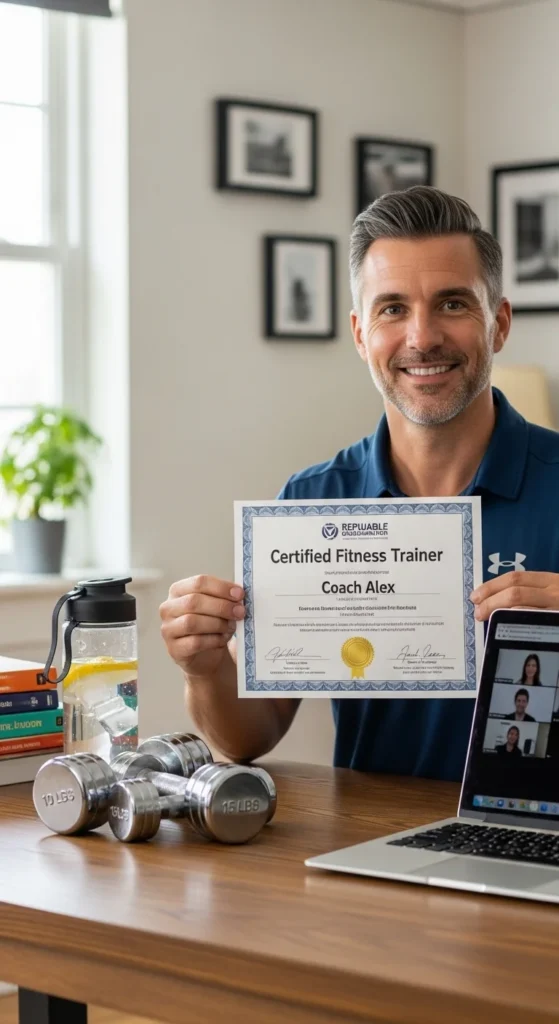
You don’t need a university degree to become a fitness coach, but certification builds credibility—especially online, where clients can’t meet you in person. It also teaches you proper exercise science and safety principles.
Consider certifications from:
- NASM (National Academy of Sports Medicine)
- ACE (American Council on Exercise)
- ISSA (International Sports Sciences Association)
Once certified, you can confidently promote yourself as a trained professional and charge premium rates.
Step 3: Build Your Online Coaching Brand
Your brand is how people will recognize you and connect with your message.
Start by creating:
- A memorable name or just use your real name as your brand.
- A simple website that lists your services, client results, and story.
- A consistent color scheme and logo to use across your content.
Social Media Strategy:
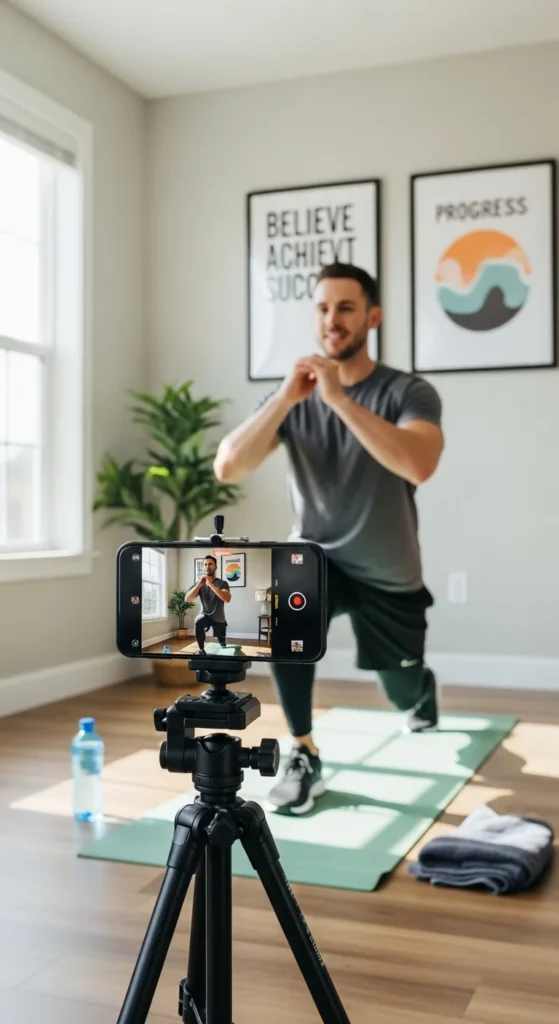
Use platforms like Instagram, TikTok, or YouTube to post:
- Workout clips
- Transformation stories
- Fitness tips
- Motivational messages
Be authentic, not overly polished. People buy from coaches who feel real.
Step 4: Create Your Signature Program
Instead of selling random one-time sessions, design a signature coaching package that delivers results.
For example:
- “8-Week Fat Burn Bootcamp”
- “12-Week Mind-Body Strength Program”
- “90-Day Total Transformation Plan”
Each program should include:
- Personalized workout plans
- Nutrition guidance (if certified)
- Weekly check-ins or progress tracking
- Motivational support or accountability calls
Package your offer clearly — clients pay more for structure and transformation than just workouts.
Step 5: Set Up Online Systems
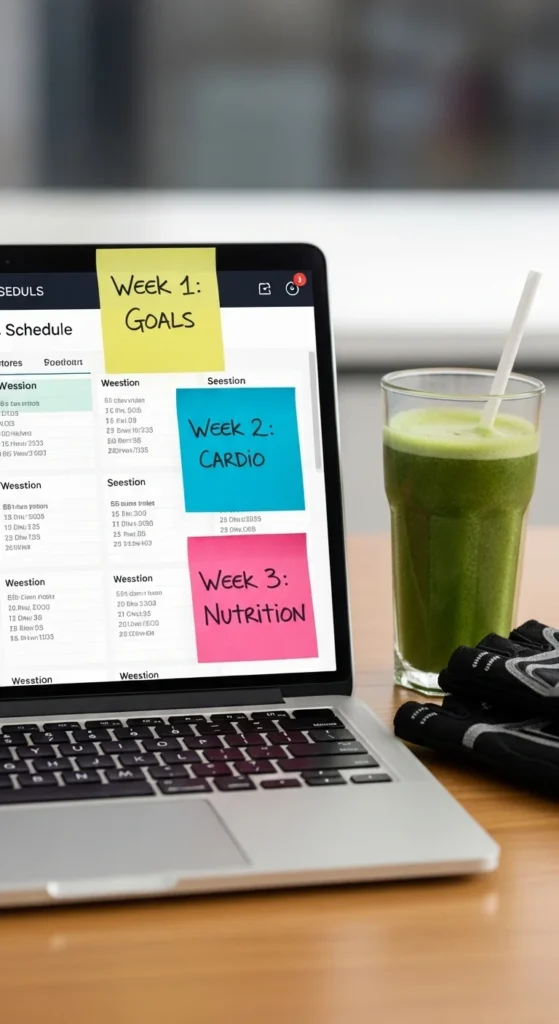
To make your business smooth, use tools that automate and organize your work.
Tools to Try:
- Zoom or Google Meet for live sessions
- Trainerize, TrueCoach, or My PT Hub for client programs
- Calendly for easy scheduling
- Stripe or PayPal for secure payments
You can coach clients 1-on-1, run small group classes, or sell pre-recorded video programs for passive income. The more automated your setup, the more time you’ll have to grow.
Step 6: Attract Clients with Free Value
Before people pay you, they need to trust you. The fastest way to build that trust is to offer free, valuable content.
Try:
- Posting free 5-minute workouts on social media
- Hosting a free fitness challenge (like “7 Days to Better Core Strength”)
- Giving away a free fitness planner or nutrition checklist
This helps you showcase your expertise and build an email list of interested leads.

Step 7: Price Your Services Confidently
When you’re just starting, it’s okay to charge lower rates to build experience and testimonials. But don’t undervalue yourself.
Here’s a simple structure:
- 1-on-1 Coaching: $200–$1,000/month
- Group Programs: $100–$300 per person
- Digital Courses or Challenges: $30–$100 each
As your client results and following grow, you can increase prices. Remember: people pay for results and accountability, not just workouts.
Step 8: Keep Growing and Evolving
The online fitness world changes fast — trends, techniques, and platforms evolve constantly. Stay updated by:
- Taking advanced certifications
- Learning marketing or sales skills
- Joining coaching communities for support
Also, keep collecting client testimonials and transformation photos (with permission). They’re powerful tools for attracting new clients.
Final Takeaway
Becoming an online fitness coach is more than teaching workouts — it’s about empowering others to live healthier, happier lives while creating freedom for yourself.
Start small, stay consistent, and share your story boldly.
Soon, you’ll be inspiring people worldwide — and getting paid to do what you love.

Leave a Reply