

If you’ve ever driven past a “For Sale” sign on a used car and thought, “Someone could make money off that,” you’re absolutely right. Flipping cars—buying used vehicles at a discount, fixing them up, and selling for profit—can be a fantastic side hustle, even if you don’t have thousands of dollars sitting around.
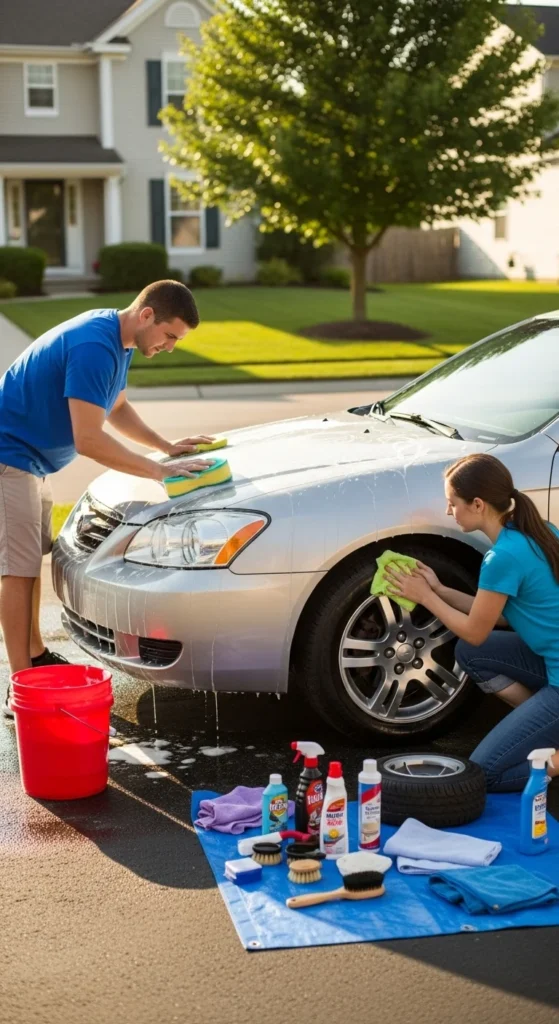
The secret? Start small, buy smart, and focus on value, not volume. You don’t need a big bankroll—just some research skills, patience, and a bit of elbow grease.
Let’s break down how you can start flipping cars profitably with limited cash.
Step 1: Start Small and Learn the Market
You don’t need to buy a fancy car to make a profit. In fact, the best way to start is by flipping low-cost vehicles in the $500–$2,000 range.
These are often:
- Older but reliable models (Toyota Corolla, Honda Civic, Ford Focus)
- Cars with minor cosmetic issues (scratches, faded paint, worn seats)
- Vehicles with simple mechanical fixes (battery, tires, or brakes)
Spend some time browsing Craigslist, Facebook Marketplace, and local auctions to understand pricing trends in your area. Take notes on what’s selling quickly and what’s sitting unsold.

Pro Tip: Look for ads that say “Needs TLC” or “Just needs minor work.” That’s often where the biggest profit margins are.
Step 2: Find Cars Below Market Value
The easiest way to make money flipping cars is to buy under market value.
You can find great deals from:
- Private sellers who just want quick cash
- Estate sales or divorce sales
- Local auctions or impound lots
- Friends or family upgrading their vehicles
When buying, always:
- Check Kelley Blue Book (KBB) for average resale prices
- Negotiate politely and show up with cash in hand
- Inspect the car in daylight and test drive it

If you’re unsure about mechanical issues, bring a trusted mechanic or use mobile inspection services for a small fee—it’s worth it to avoid lemons.
Step 3: Make Simple, High-Return Improvements
You don’t need to rebuild engines to make a car profitable. Focus on low-cost fixes that dramatically boost resale value.
Affordable upgrades include:
- Deep cleaning & detailing ($20–$50 in supplies)
- Headlight restoration ($10 kit)
- New floor mats or seat covers ($30–$40)
- Touch-up paint or trim polish ($15–$25)
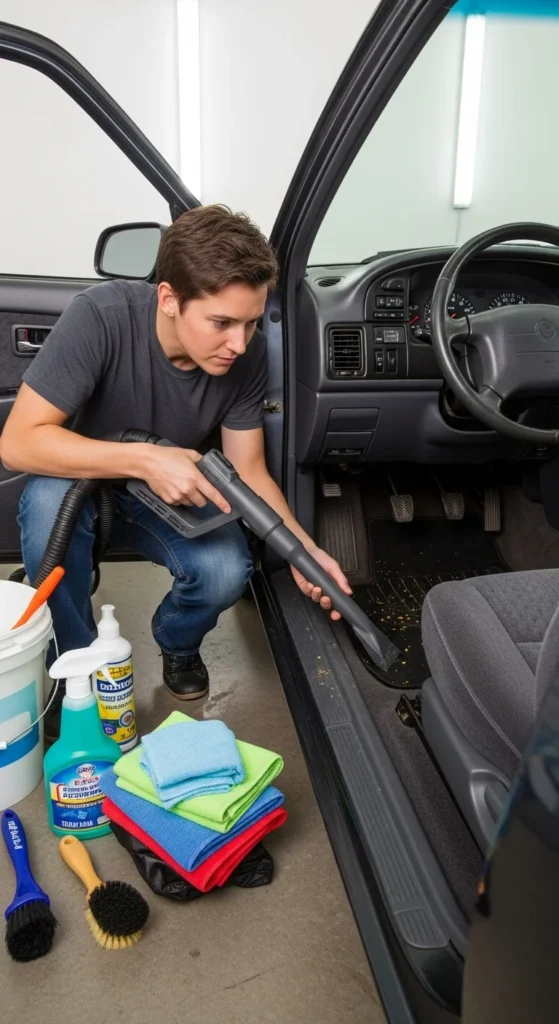
Buyers love cars that look clean, smell good, and seem well cared for. Often, simple detailing can add hundreds of dollars to your resale price.
Step 4: List Professionally and Sell Smart
When it’s time to sell, presentation and honesty matter. Create an ad that looks professional and answers questions before buyers ask.
Your listing should include:
- Clear, bright photos from multiple angles
- Detailed description (make, model, mileage, condition)
- List of new upgrades or repairs
- Honest notes about any flaws
Use multiple platforms:
- Facebook Marketplace (fast, local sales)
- Craigslist (wide reach)
- OfferUp or CarGurus (great for enthusiasts)
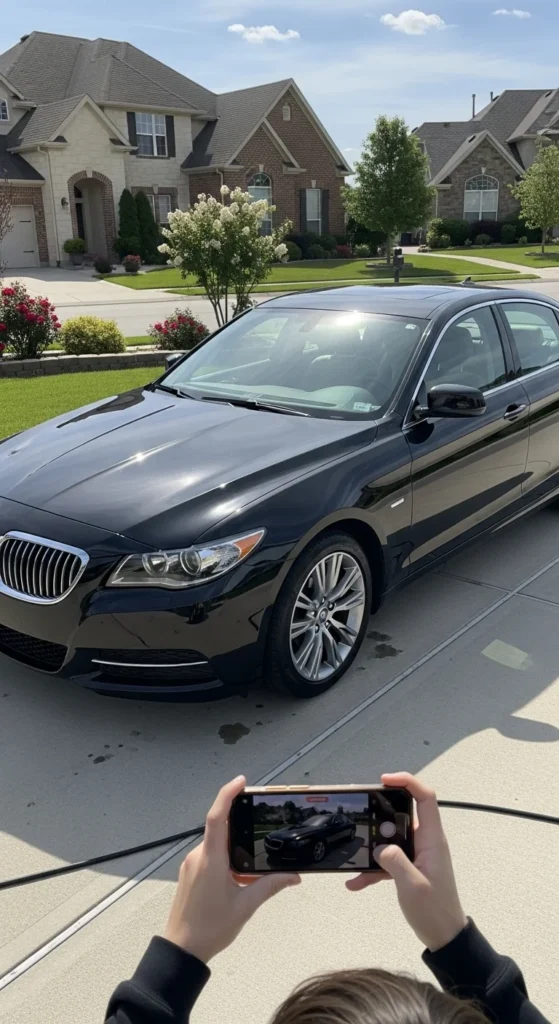
Pro Tip: Use natural lighting for photos and avoid cluttered backgrounds. A well-presented ad attracts serious buyers fast.
Step 5: Keep Costs and Paperwork in Check
Flipping cars involves some logistics. You’ll need to handle titles, registrations, and possibly taxes depending on your location.
Before you start:
- Research how many cars you can legally sell per year without a dealer’s license (usually 3–5).
- Always get a signed title and bill of sale.
- Keep copies of repair receipts for transparency.
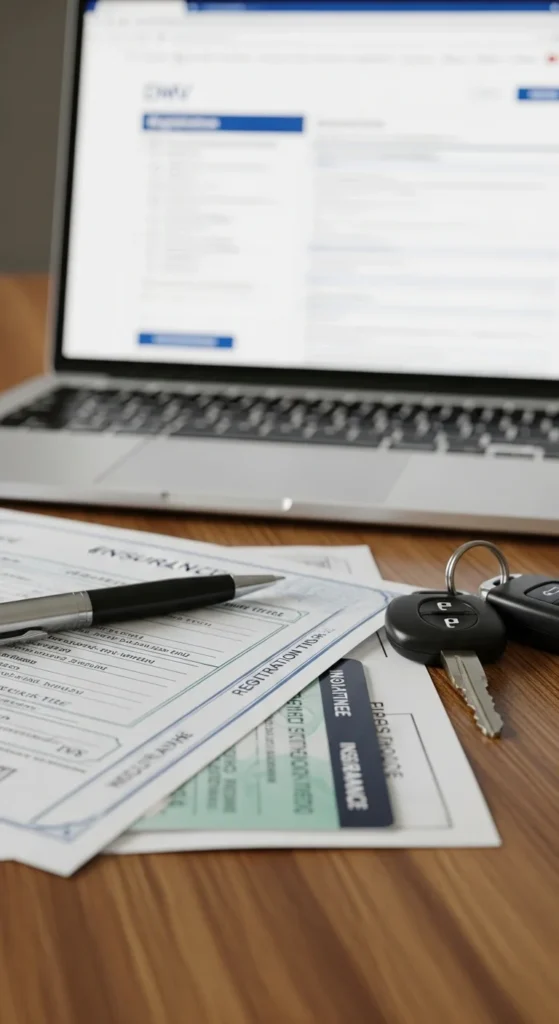
Keeping things organized ensures smooth sales—and protects you legally.
Step 6: Reinvest Your Profits
Once you make your first successful flip, resist the urge to spend your earnings right away. Instead, reinvest into a slightly higher-value car or two smaller ones.
Over time, you can:
- Build capital for bigger flips ($3,000–$5,000 cars)
- Learn which models sell fastest
- Establish a network of repeat buyers and sellers
The more you flip, the better you’ll become at spotting opportunities others miss.
Final Takeaway
Flipping cars doesn’t require a big budget—it requires smart buying, simple improvements, and hustle. With a few hundred dollars, some cleaning supplies, and a sharp eye for deals, you can start turning everyday vehicles into cash.
So go ahead—search those local listings, grab a sponge, and get ready to roll your first profit on four wheels.

Leave a Reply