

Flipping houses is one of the most exciting—and potentially profitable—ways to build wealth through real estate. Imagine buying an outdated property, giving it a stunning makeover, and selling it for a healthy profit. Sounds like something straight out of a home renovation show, right? The truth is, with the right strategy, you can make it happen in real life.

Step 1: Understand What House Flipping Really Is
At its core, house flipping means buying a property below market value, renovating it, and selling it for more than you paid—ideally fast. The goal is to turn a quick profit by improving the home’s condition and appeal.
But flipping houses isn’t just about paint and flooring. It’s about strategy, timing, and financial control. A successful flip starts with a clear plan that considers purchase costs, renovation budgets, and resale value.
Here’s the simple formula most flippers follow:
Profit = Sale Price – (Purchase Price + Renovation Costs + Holding Costs)
The key is finding the right property at the right price—because your profit is often made when you buy, not when you sell.

Step 2: Find the Right Property
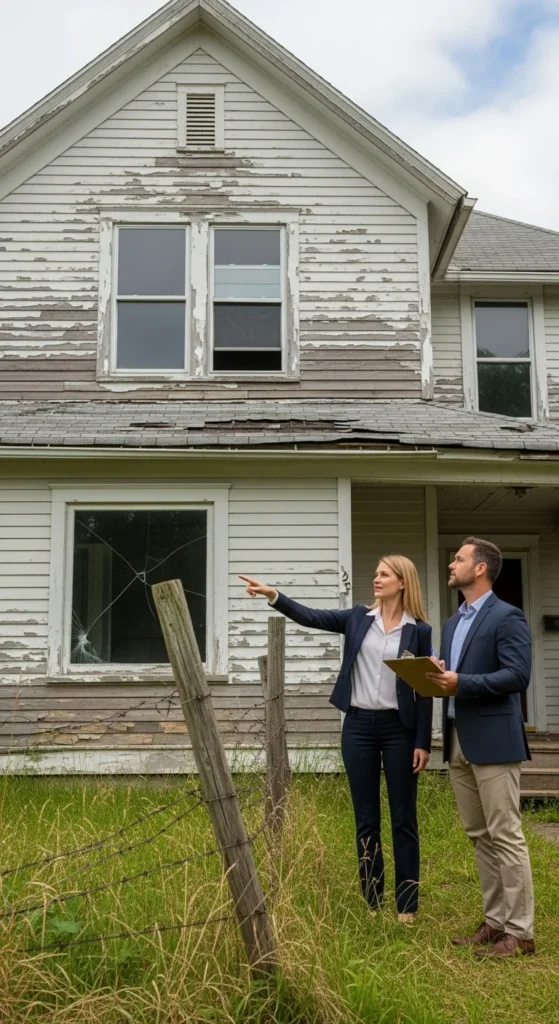
The success of your flip depends heavily on location and value. Look for properties that are undervalued but located in growing or desirable neighborhoods.
Where to find deals:
- Foreclosures and auctions: Great for bargain hunters willing to take risks.
- Distressed properties: Homes that need TLC often have low asking prices.
- Local listings or word-of-mouth: Networking with real estate agents can uncover hidden gems.
What to look for:
- Solid structure (avoid major foundation or roofing issues).
- Good layout that’s easy to modernize.
- Proximity to schools, shopping, and transportation—because location always sells.
A great flip isn’t always the cheapest house—it’s the one that can be transformed into something people want to buy quickly.
Step 3: Budget Like a Pro
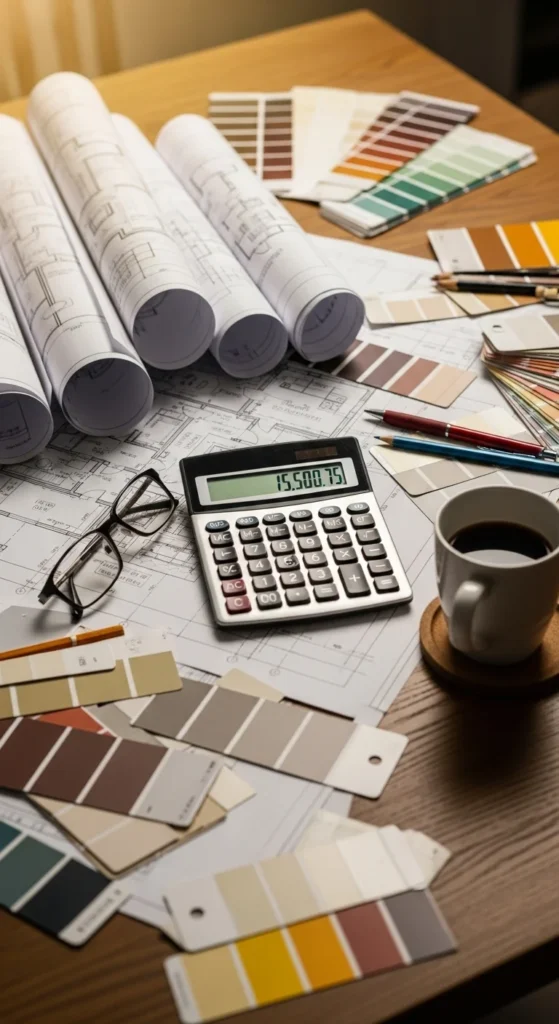
Your budget is where most flips succeed—or fail. It’s easy to underestimate renovation costs or overestimate resale value.
Here’s how to keep things under control:
- Set a renovation cap: Don’t spend more than 70% of the property’s after-repair value (ARV) minus repair costs.
- Create a detailed plan: Include materials, labor, permits, utilities, and holding costs.
- Add a buffer: Always keep 10–15% of your budget for unexpected surprises.
Remember, your goal is to increase the home’s value efficiently, not turn it into a luxury masterpiece. Buyers want clean, modern, and functional—not necessarily custom marble countertops.
Step 4: Renovate Smartly and Add Value
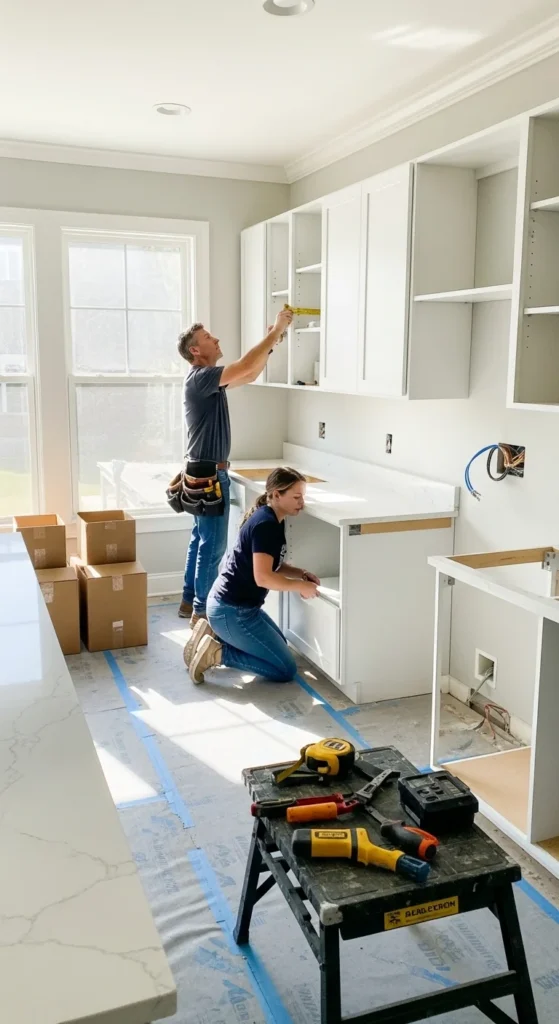
Renovations are where your vision—and profits—come to life. Focus on upgrades that provide the highest return on investment (ROI).
High-impact upgrades:
- Fresh paint and modern flooring
- Updated kitchen and bathrooms
- Improved lighting and curb appeal
- Energy-efficient windows or appliances
Avoid over-customizing. Choose neutral tones, clean designs, and materials that appeal to the widest audience.
Also, work with reliable contractors who understand time is money. Delays can eat into profits fast.
Step 5: Sell Fast and Smart
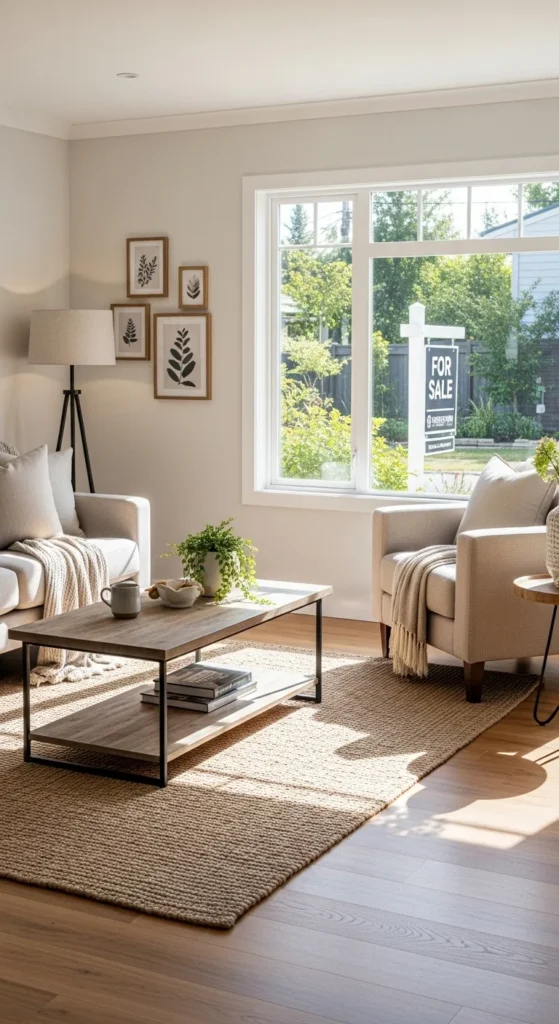
Once your property shines, it’s time to list it. Your goal now is to sell quickly and profitably to minimize holding costs like utilities, taxes, and insurance.
Tips to sell faster:
- Hire a professional photographer—great photos sell homes online.
- Stage the home to make it feel warm and inviting.
- Set a competitive price based on local market data.
If you’re working with a real estate agent, choose someone who specializes in your area. They’ll know how to price, market, and negotiate effectively.
Step 6: Learn and Repeat
Your first flip is a learning experience. You’ll discover what works, what doesn’t, and how to streamline your process for the next one.
Keep improving by:
- Tracking all your expenses and profits.
- Networking with experienced flippers and contractors.
- Studying market trends to find your next great deal.
Each project builds your confidence—and your capital—for bigger and more profitable flips in the future.
Final Takeaway
Flipping houses isn’t just about fixing homes—it’s about building financial freedom through strategy and smart execution. With research, planning, and persistence, you can turn old properties into new opportunities and create life-changing profits along the way.
So start small, learn fast, and stay focused. Your first profitable flip might just be the start of something amazing.

Leave a Reply