

If you’ve ever played a mobile game and thought, “I could make something like this,” you’re probably right — and you could make serious money doing it. Mobile gaming is a multi-billion-dollar industry, and even small indie developers can earn steady income through creative, well-designed games.
The best part? You don’t need a giant team or a huge budget to get started. All you need is an idea, a bit of patience, and the right tools.

Why Mobile Game Development Is So Profitable
Mobile games dominate app stores — from casual puzzles to intense strategy titles. Millions of people spend hours daily playing, and developers earn from every ad view, in-app purchase, or premium download.
Here’s why it’s such a strong business:
- Low entry cost: You can create games solo or with small teams.
- Global reach: Your game is available to billions of players instantly.
- Multiple income streams: You can combine ads, upgrades, and paid versions.
- Evergreen potential: A good game can earn for years with updates.
Whether you’re a hobbyist or aspiring entrepreneur, the mobile gaming space has room for everyone — especially for creative thinkers.
Step 1: Come Up With a Game Idea That Hooks Players
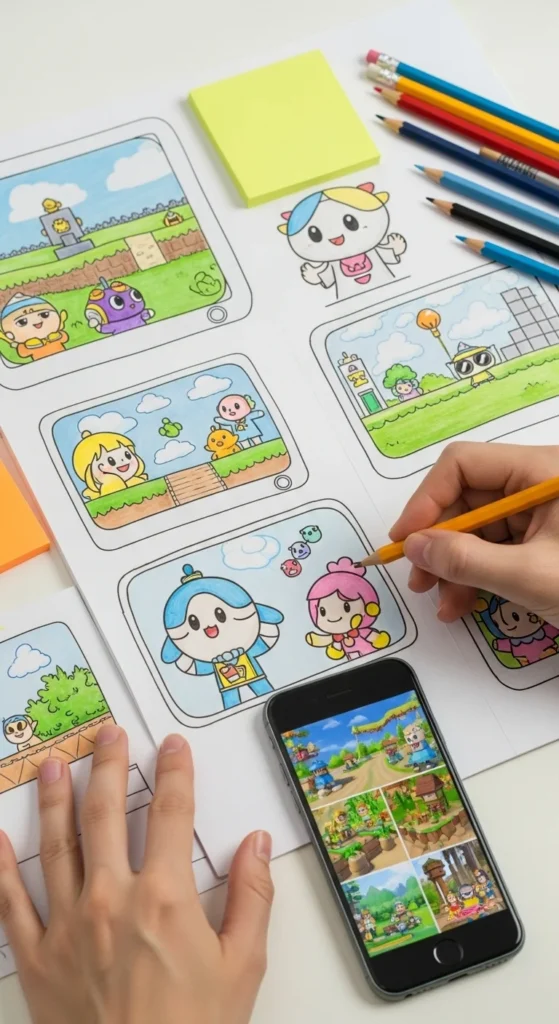
Every great game starts with a simple concept. The trick is to make it fun and addictive without being overly complicated.
Ask yourself:
- What kind of games do I love to play?
- What’s trending in the app stores right now?
- How can I add a unique twist to an existing concept?
Start with small, achievable ideas:
- Endless runners (like Temple Run)
- Simple puzzles (like Candy Crush)
- Tap-and-collect games (like Flappy Bird)
- Simulation or idle clickers (like Adventure Capitalist)
Remember: your first game doesn’t need to be perfect — it just needs to be playable and fun.
Step 2: Choose the Right Game Engine
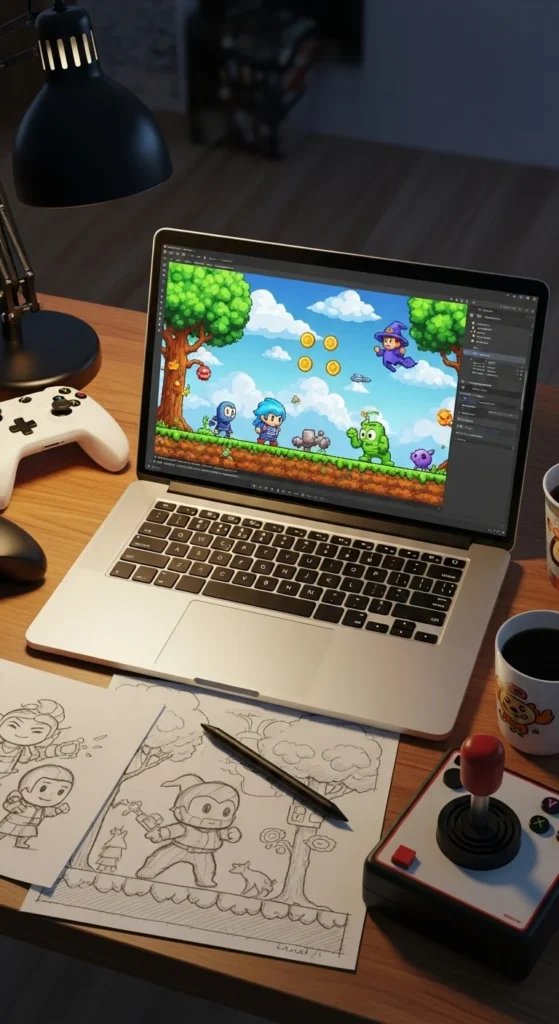
You don’t have to build everything from scratch — modern game engines make development easier than ever.
Here are some of the best tools for beginners and pros:
- Unity: Great for 2D and 3D games; huge community and tutorials.
- Unreal Engine: Ideal for high-quality 3D visuals; free for most projects.
- Godot: Open-source and lightweight for 2D games.
- Buildbox or GDevelop: No-code tools perfect for non-programmers.
Most of these engines have drag-and-drop features, asset stores, and templates — so you can create your first playable demo in days, not months.
Step 3: Monetize Your Game Smartly
Once your game is live, you can start earning through several revenue streams. The key is to pick a model that fits your gameplay style.
💰 1. In-App Ads
Add banner or video ads using platforms like AdMob or Unity Ads. You earn money when users view or interact with them.
💎 2. In-App Purchases
Offer coins, power-ups, or premium features. This is how games like Clash of Clans make millions.
📲 3. Paid Downloads
Sell your game for a one-time fee. Works best for niche or story-driven titles.
🧾 4. Subscriptions
Let users pay monthly for exclusive perks or content.
🎮 5. Brand Collaborations
Once your game grows, partner with brands for sponsored events or themed levels.
Mixing two or three strategies can maximize your profits without overwhelming players.

Step 4: Publish and Promote Like a Pro
Creating the game is only half the battle — the other half is getting players to find it.
Here’s how to attract attention fast:
- Optimize your app store listing: Use a catchy title, engaging screenshots, and keywords.
- Launch on both iOS and Android: Double your reach instantly.
- Use social media: Post gameplay clips on TikTok, YouTube, or Instagram.
- Collaborate with influencers: Small gaming YouTubers love reviewing indie games.
- Collect feedback: Update your game based on player reviews and ratings.
Even a small game can go viral if it’s visually appealing and shareable.

Step 5: Keep Updating and Growing
The secret to long-term success in mobile gaming is consistency. Players love updates — new levels, characters, or events keep them coming back.
Simple ways to grow:
- Add seasonal events or holiday themes.
- Release new challenges or unlockable rewards.
- Introduce multiplayer or leaderboard features.
- Listen to community feedback on Reddit or Discord.
Updates not only improve engagement but also boost your app’s ranking in stores — meaning more organic downloads and income over time.

Final Takeaway
Making money with mobile games isn’t about luck — it’s about creativity, consistency, and understanding what players enjoy.
Start small. Learn as you go. Keep improving your craft. One successful game could turn into a full-time business or even your dream career in gaming.

Leave a Reply