

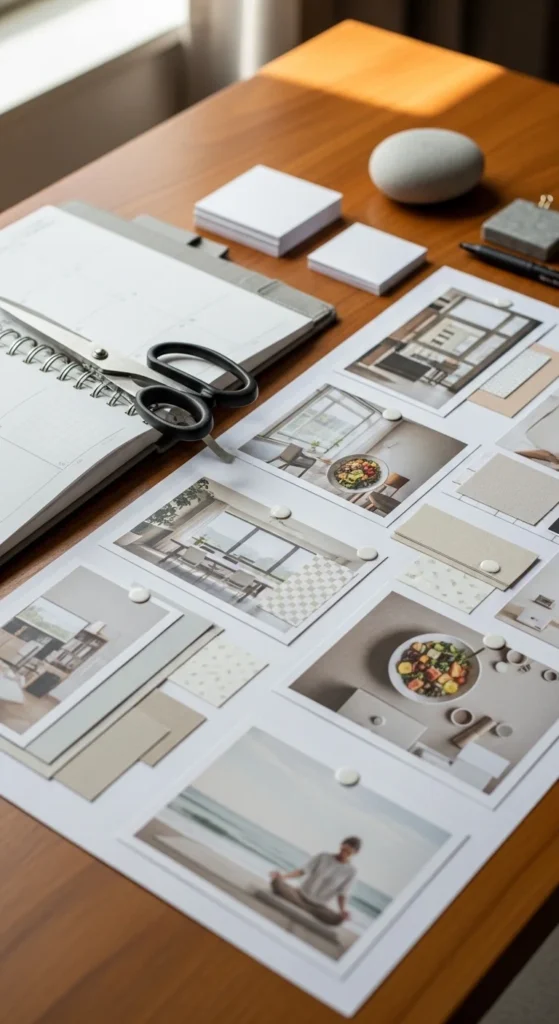
Goal-setting works best when your plans stay clear and visible. A smart vision board helps filter distractions and keeps attention on what matters right now. Instead of vague inspiration, these ideas focus on clear direction, simple structure, and real actions you can repeat daily. Each vision board idea below is designed to support focus using affordable supplies and easy layouts that fit real schedules, small spaces, and everyday routines.
1. One-Goal Focus Vision Board
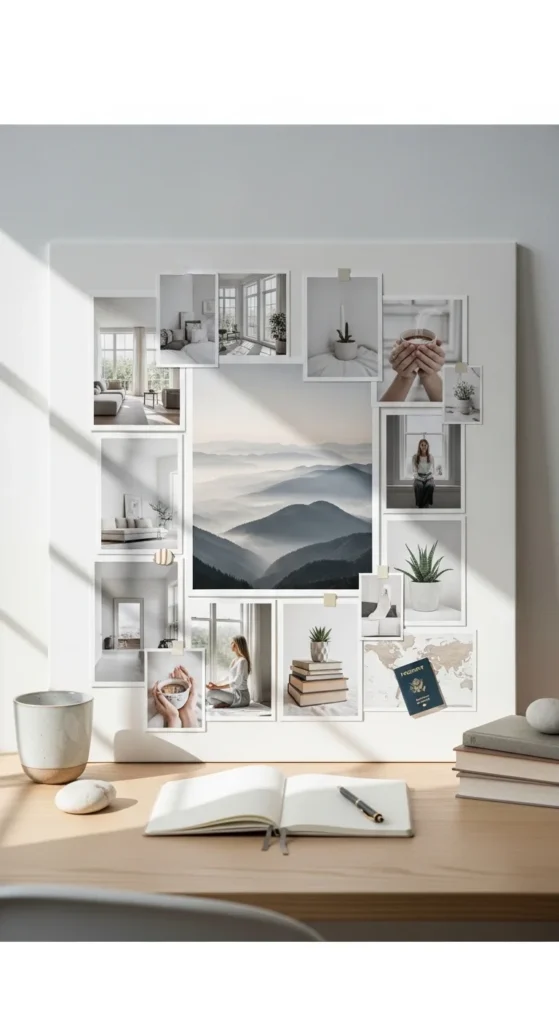
This board is built around one clear goal. Choose a single image that represents your main priority. Place it in the center. Everything else should support it.
Add only three to five smaller images. These can show habits, tools, or routines connected to the goal. Keeping the board small helps reduce mental noise.
Use cardboard, printer paper, or an old notebook cover. This keeps costs low. Hang it near your desk or bed so it stays visible.
This setup works well for short-term goals like finishing a project or building one habit. Fewer visuals make it easier to stay focused.
2. Daily Action Vision Board
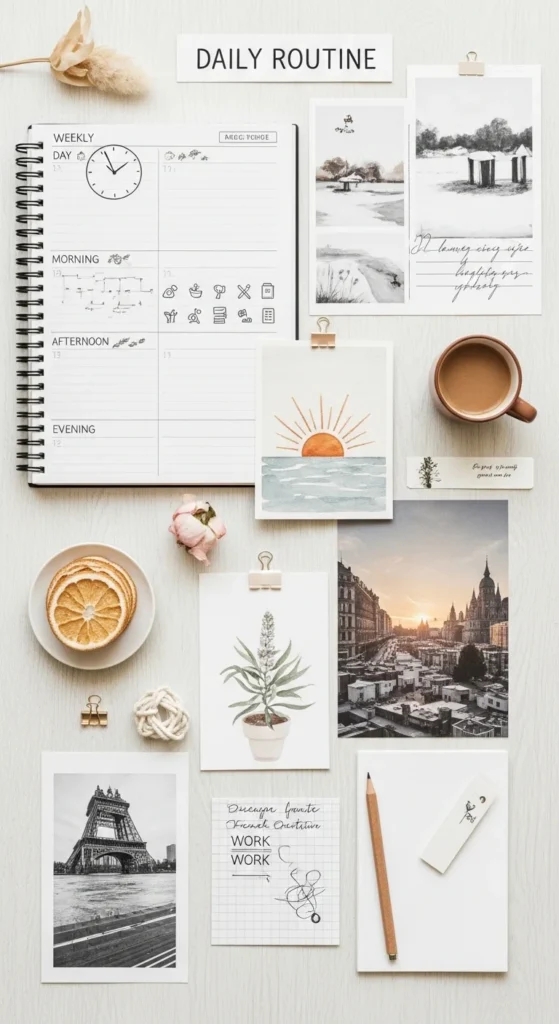
This board highlights actions instead of outcomes. Choose images that show what you’ll do each day.
Examples include writing, walking, cooking at home, or studying. Avoid dramatic end results. Daily effort keeps progress steady.
Print small images or cut from magazines. Arrange them in a simple row or grid. This makes the board easy to read at a glance.
Place it near your workspace. It acts as a visual reminder of what to repeat today.
3. Weekly Priority Vision Board
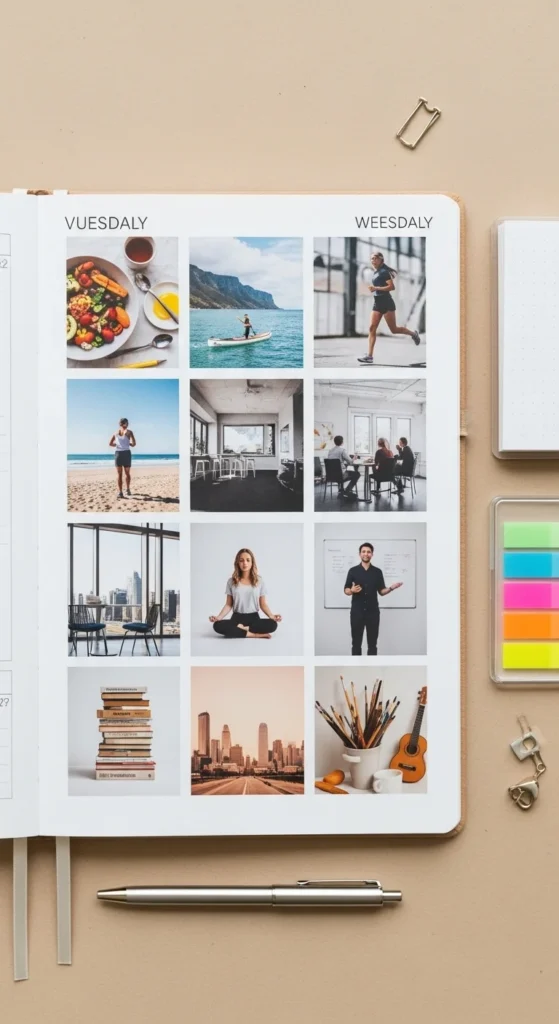
This board resets focus each week. Choose one theme for the week and support it with a few images.
Use removable tape so updates stay easy. Replacing visuals weekly keeps attention current.
This idea works well for busy schedules. It prevents overload and keeps planning short and clear.
4. Habit-Stack Vision Board
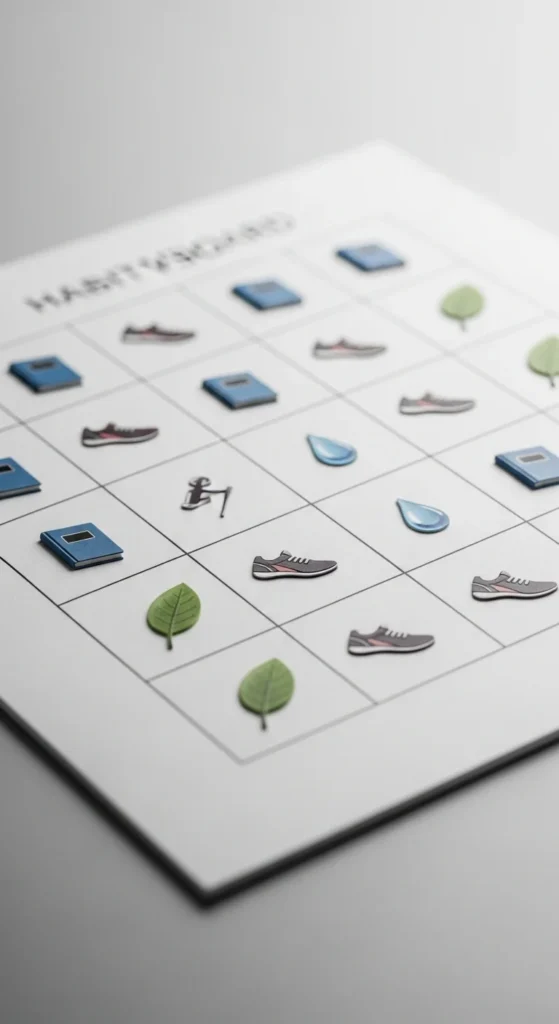
Habit-stack boards show actions that build on each other. One habit leads into the next.
Arrange images in a vertical line. Morning habits at the top. Evening habits at the bottom.
This layout helps routines feel connected. Use small images to keep things tidy.
5. Time-Block Goal Board
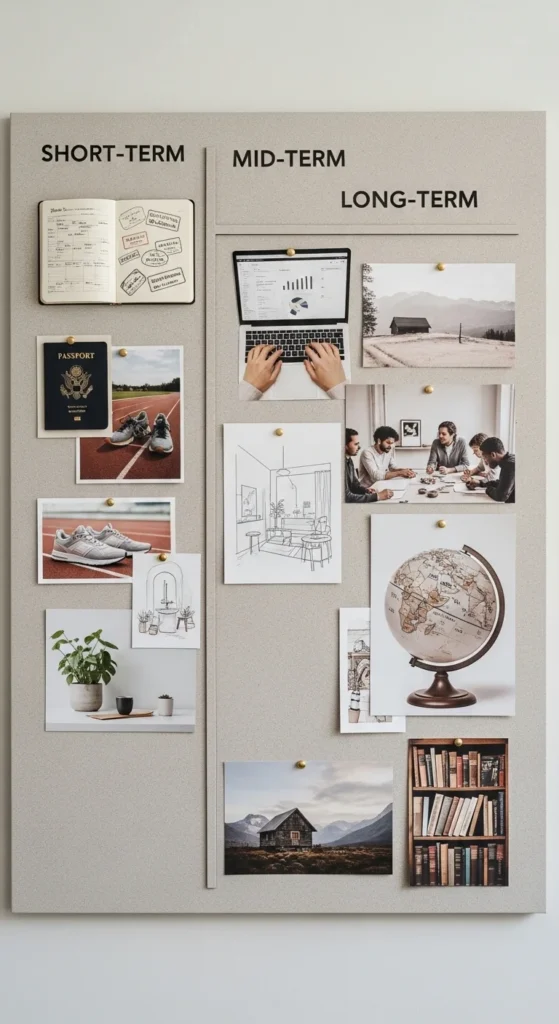
This board matches goals to parts of the day. Morning, afternoon, evening.
Use images that fit each block. This keeps planning realistic.
Painter’s tape or pencil lines work well for sections.
6. Short-Term Wins Board
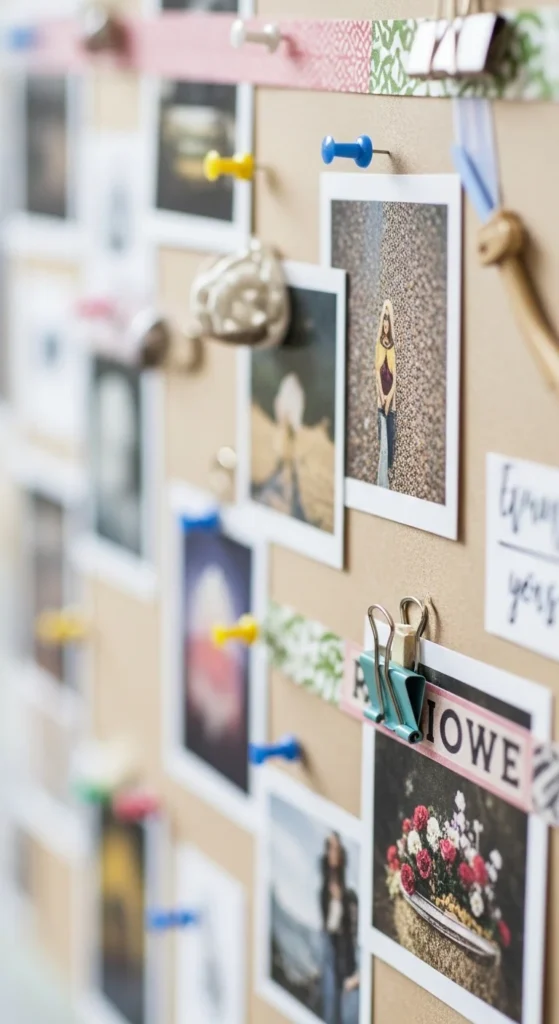
This board highlights small milestones. Choose images that represent steps, not final results.
It helps build consistency through visible progress.
Keep it near where you track tasks.
7. Calm Focus Vision Board
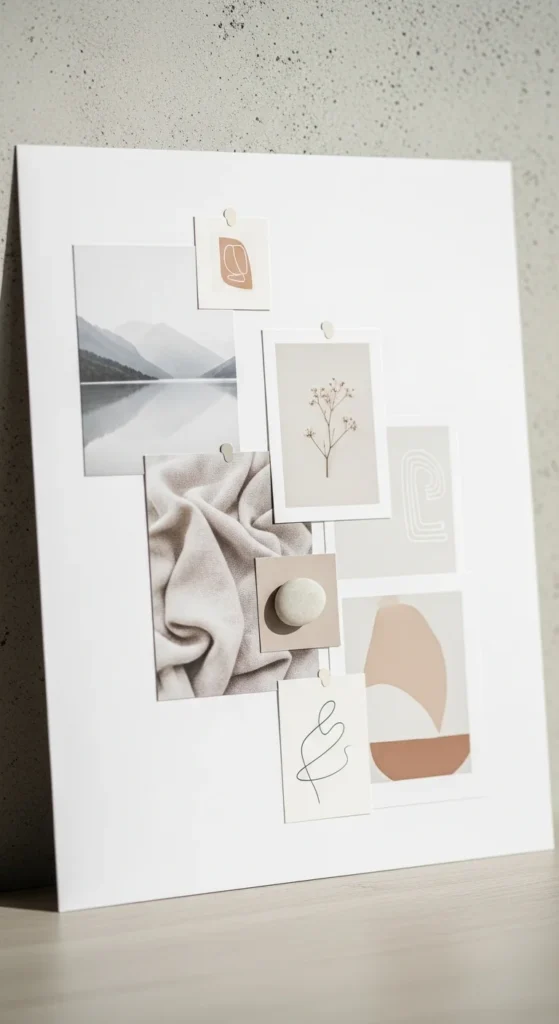
This layout reduces clutter. Use few images and generous spacing.
It works well in shared or small rooms.
Less visual noise helps attention stay steady.
8. Desk-Sized Goal Board
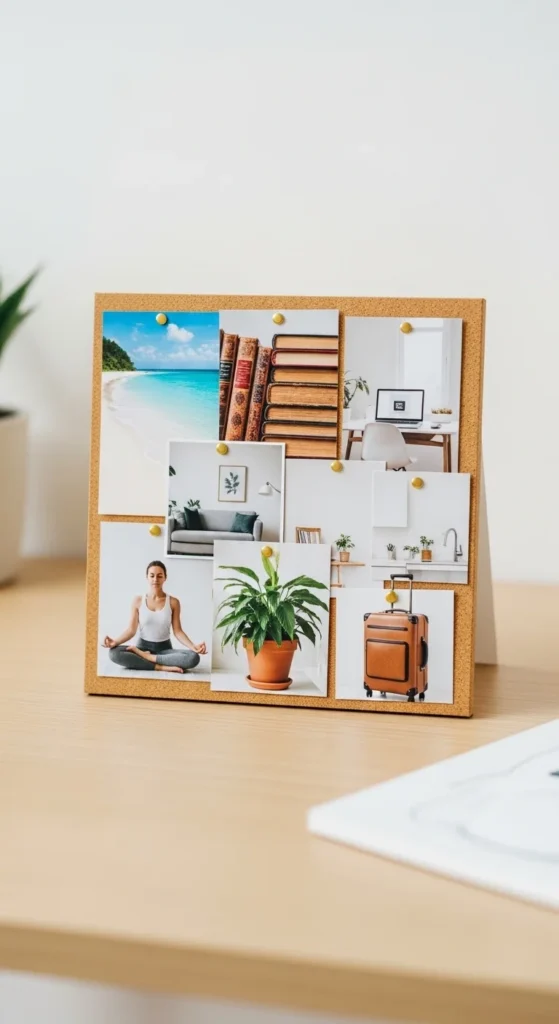
Small boards stay close to daily work. Limit images to five or fewer.
This keeps focus sharp during tasks.
Clip it to a stand or frame it lightly.
9. Project-Based Vision Board
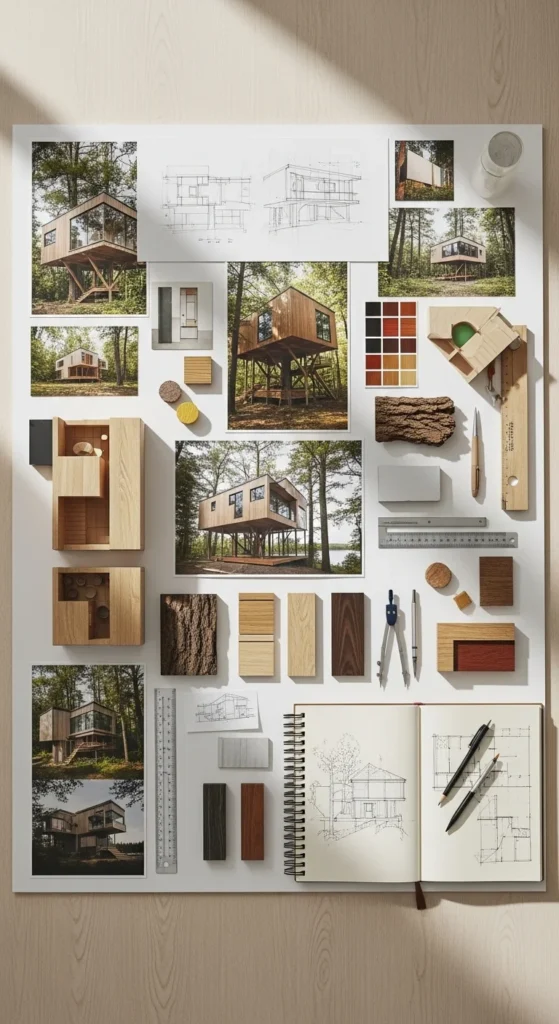
This board supports one project at a time. Use visuals tied to tools, steps, and timelines.
Remove it once the project ends.
This keeps planning current.
10. Progress Path Vision Board
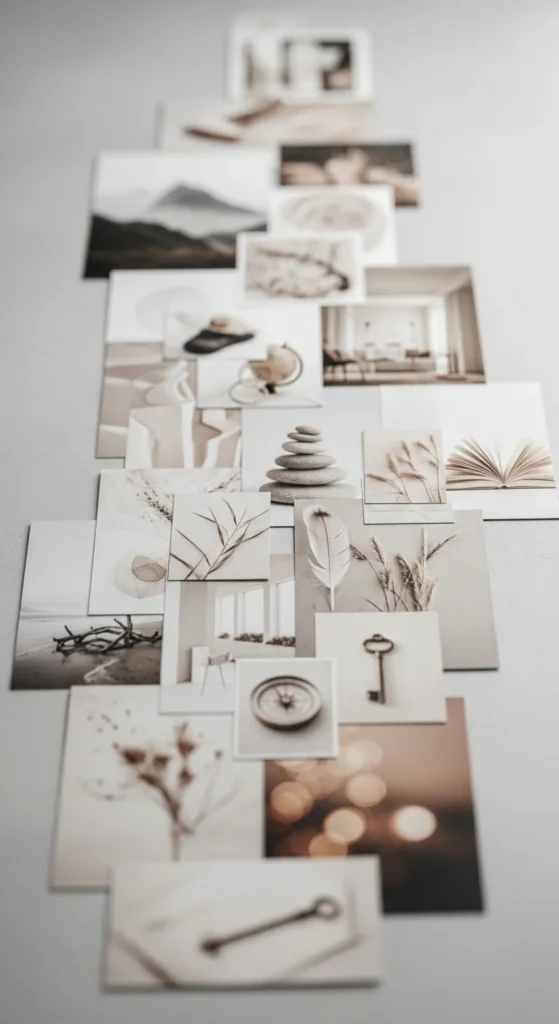
Arrange images to show movement from start to finish.
This helps track direction without pressure.
Use arrows or spacing instead of words.
11. Financial Focus Vision Board
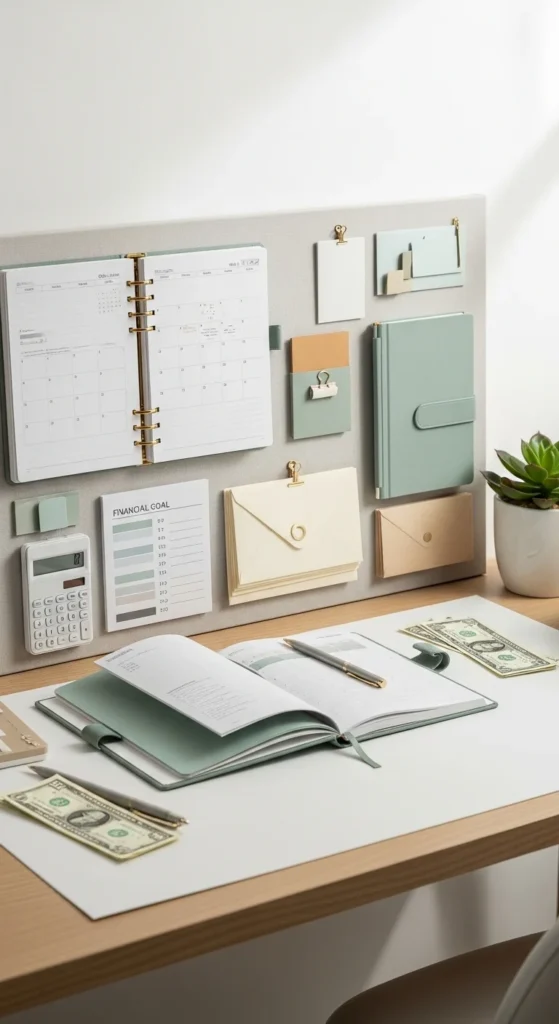
Choose images showing order and calm spending habits.
Avoid luxury visuals. Practical imagery supports consistency.
Place near budgeting tools.
12. Learning Goal Vision Board
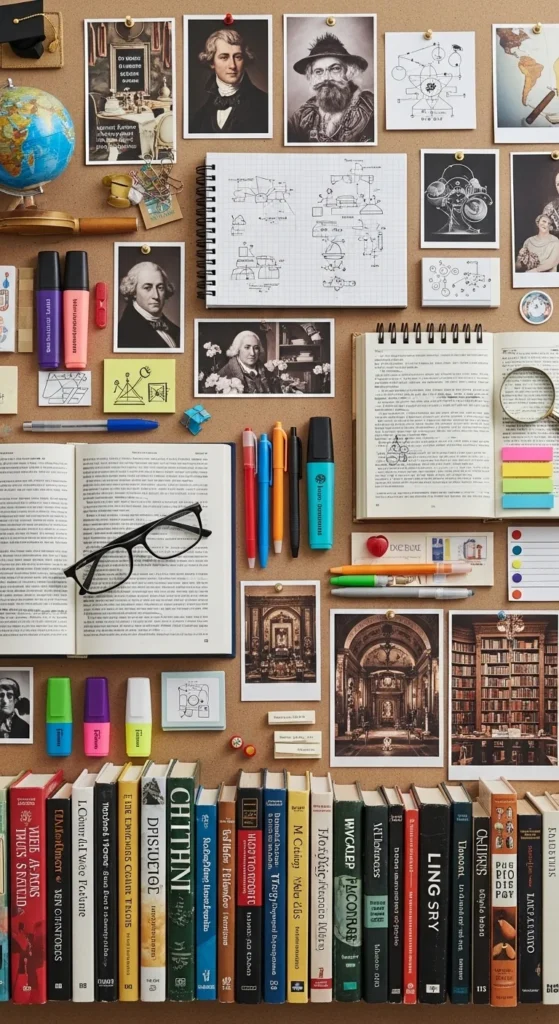
This board supports skill-building. Choose images of reading, notes, or practice.
It pairs well with notebooks or binders.
13. Health Routine Vision Board
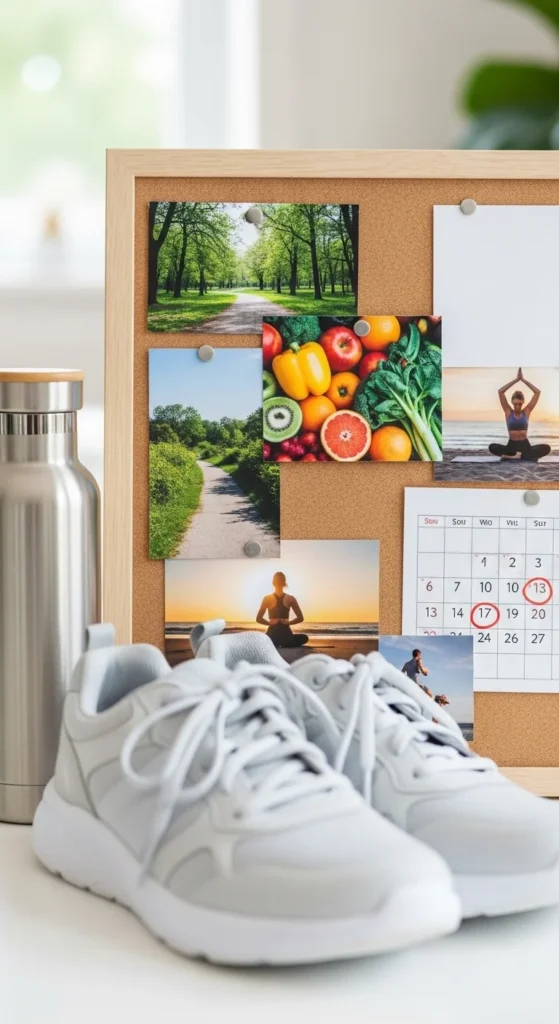
Focus on simple routines like movement or hydration.
Use realistic visuals.
Keep it near daily routines.
14. Morning Focus Board

Morning boards guide how the day starts.
Place near your alarm or mirror.
This supports consistency.
15. Evening Reset Board

Evening boards support rest and reflection.
Use soft visuals.
Keep size small.
16. Weekly Review Vision Board
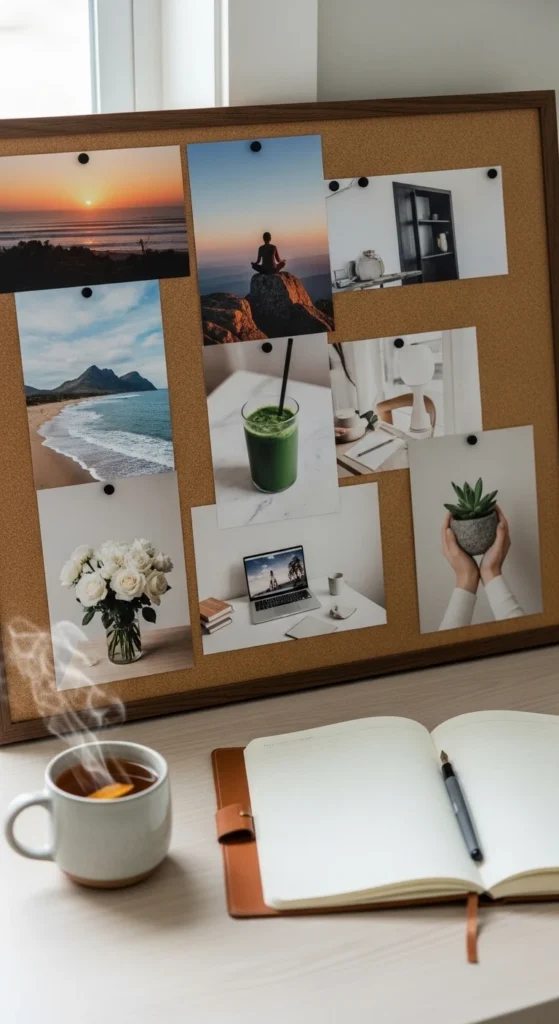
This board supports review habits.
Swap images during weekly check-ins.
17. Minimal Milestone Board
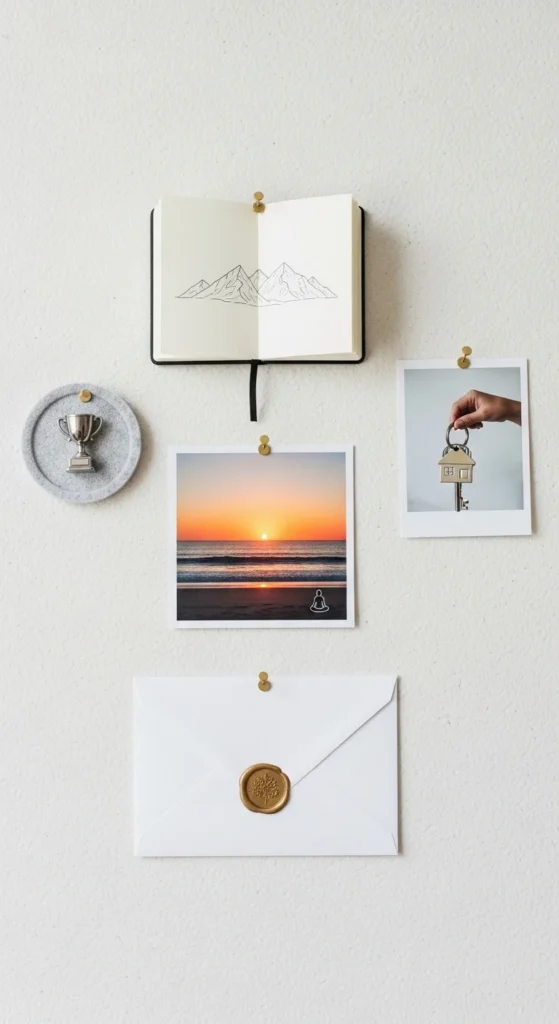
Milestone boards focus on progress points.
Keep visuals limited.
18. Portable Binder Vision Board
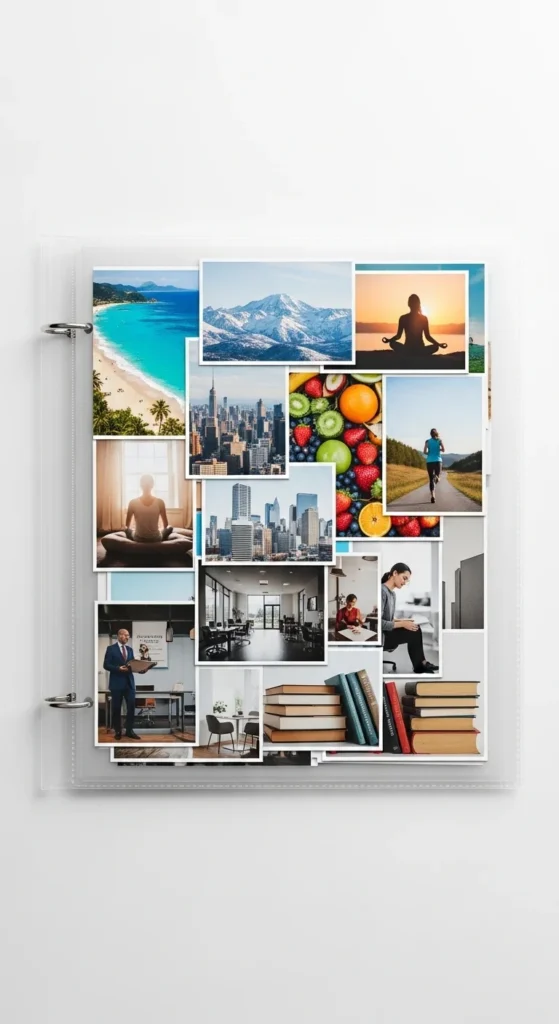
Binders keep goals portable.
Each page holds one focus.
19. Workspace Boundary Board
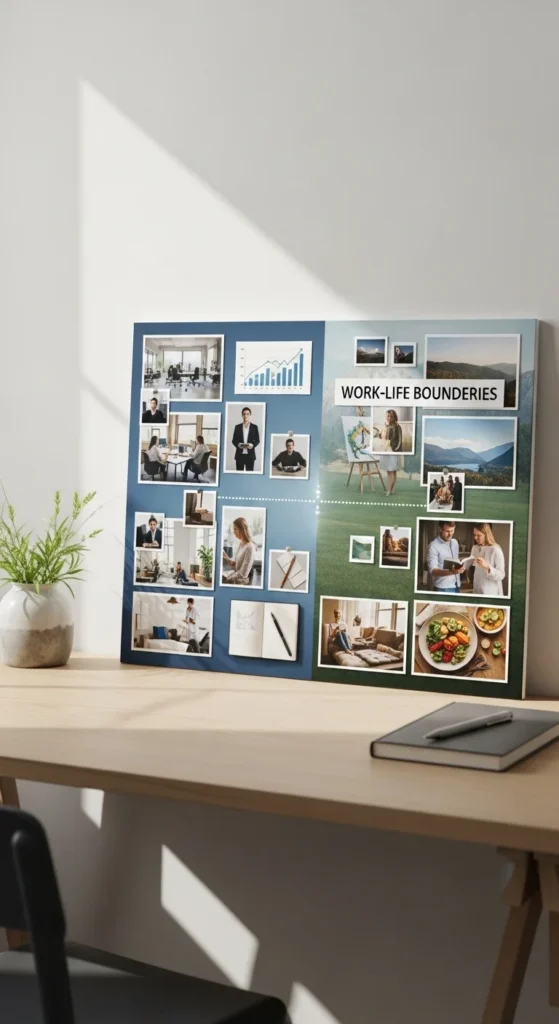
This board supports focus during work hours.
Use visuals tied to time limits and rest.
20. Personal Growth Focus Board
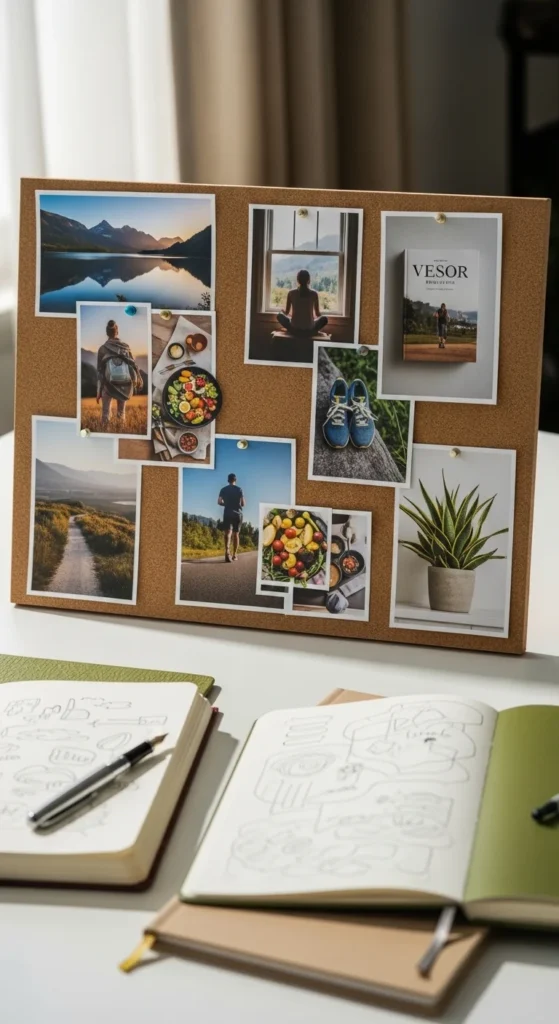
Focus on reflection and learning.
Use gentle imagery.
21. Skill Practice Board
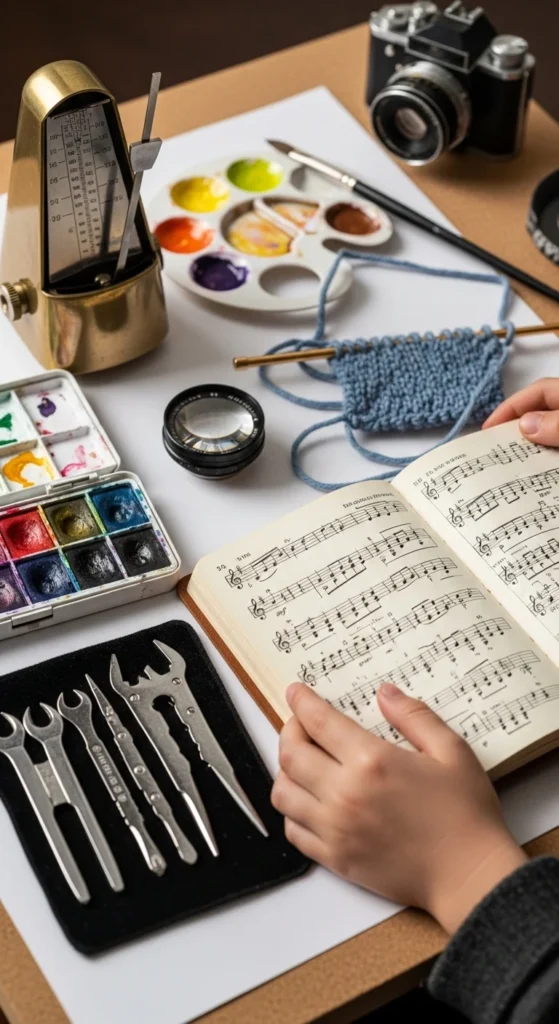
Choose visuals tied to repetition.
This supports steady effort.
22. Seasonal Goal Board
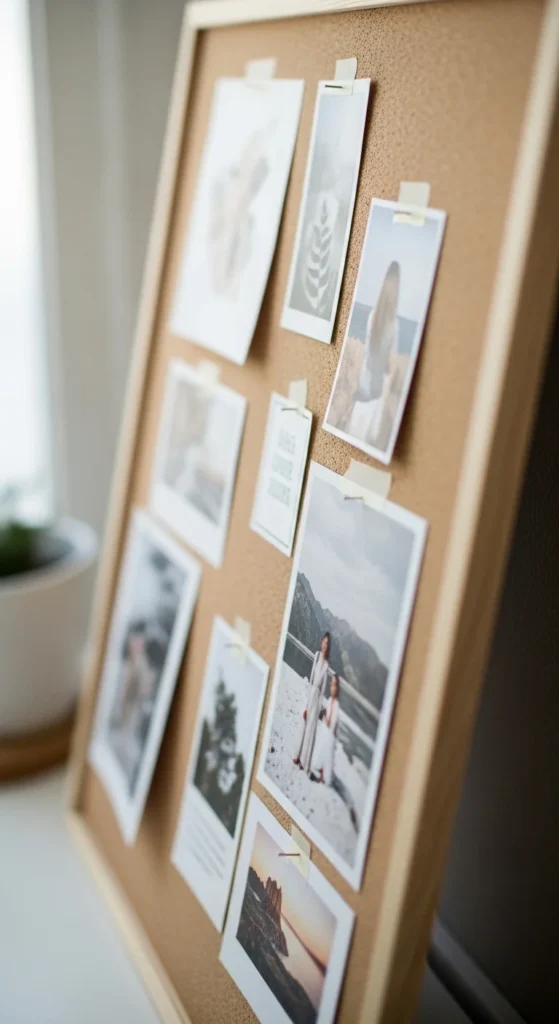
Match goals to the season.
Swap quarterly.
23. Habit Check Board
This board supports tracking habits visually.
Use stickers or dots nearby.
24. Quiet Motivation Board
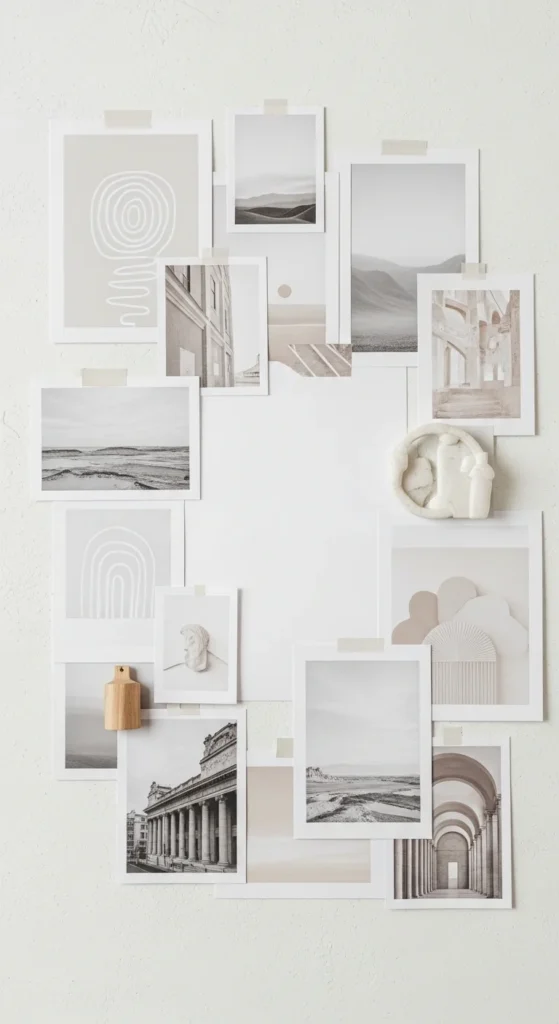
This layout avoids loud imagery.
It supports calm focus.
25. One-Page Focus Board
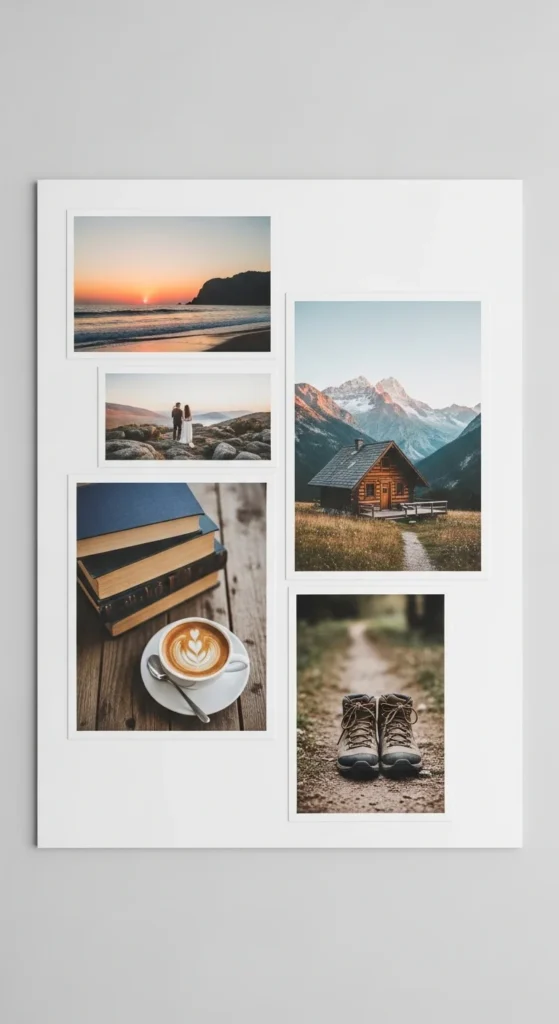
Limit everything to one page.
This keeps direction clear and manageable.
Conclusion
Smart goal-setting vision boards work because they turn attention into action. When visuals stay clear and realistic, focus becomes easier to maintain. You don’t need complex tools or large spaces. A few meaningful images, simple layouts, and steady updates can guide daily effort in a practical way. Choose one idea, start small, and let consistency do the work.

Leave a Reply