


Gratitude practices attract people who want steadier emotions, healthier relationships, and a more positive daily rhythm. These habits are simple, low-cost, and realistic. They fit naturally into everyday routines without pressure. Each idea below helps shift attention toward what is already working, making it easier to notice supportive moments and positive patterns. You can start with one practice today and build from there at your own pace.
1. Write Three Simple Thank-Yous Each Morning

Begin each morning by writing three things you feel thankful for. Keep them ordinary and honest. A quiet room. A warm drink. A full night of rest. This habit trains your mind to scan for what feels supportive instead of what feels lacking.
Use any notebook or scrap paper. Two minutes is enough. Short phrases work better than long explanations. Over time, this routine builds emotional steadiness. You start the day grounded rather than rushed. Small daily appreciation shapes calmer thinking patterns.
2. Pause Before Complaints

Before expressing frustration, pause for a few seconds. During that pause, name one thing that is still okay. This brief moment often changes how words come out.
No tools required. This works at home, work, or in traffic. It does not silence emotion. It simply softens delivery. Gratitude changes tone without hiding truth. Over time, conversations feel less tense and more respectful.
3. Send One Thank-You Message Each Week

Once a week, send a short thank-you message to someone. Keep it specific. Mention one action or moment you appreciated.
A text or brief note is enough. This practice builds connection and reminds you how much support already exists. Shared appreciation strengthens trust and goodwill.
4. Create a Gratitude Jar

Place a jar or box in a visible area. Write down good moments as they happen. Use scrap paper. Include dates.
On difficult days, read a few notes. This habit creates a physical reminder of positive experiences. Visible gratitude helps during emotional lows.
5. Thank Everyday Tasks

While doing chores, silently thank the task. Clean water. Working hands. A safe home.
No extra time required. Just a shift in attention. Ordinary routines feel lighter when appreciation is present.
6. Keep One Gratitude Object Nearby

Choose an object that represents something meaningful. Place it where you see it daily.
Each glance becomes a reminder. Visual cues support emotional habits.
7. Journal About Past Wins

Write about challenges you handled well in the past. Focus on what helped you move through them.
This builds self-trust. Remembered strength supports present confidence.
8. Practice Silent Thanks Before Meals

Pause briefly before eating. Acknowledge the food and effort behind it.
This habit encourages slower, more mindful meals. Awareness increases satisfaction.
9. Appreciate Your Body’s Effort

Each day, thank one part of your body. Legs for walking. Eyes for seeing.
This practice supports self-kindness and acceptance. Gentle gratitude softens inner criticism.
10. End the Day With One Positive Recall

Before sleep, recall one good moment from the day. Keep it simple.
Ending the day this way shapes memory and rest. Positive closure supports better sleep.
11. Care for Something Living
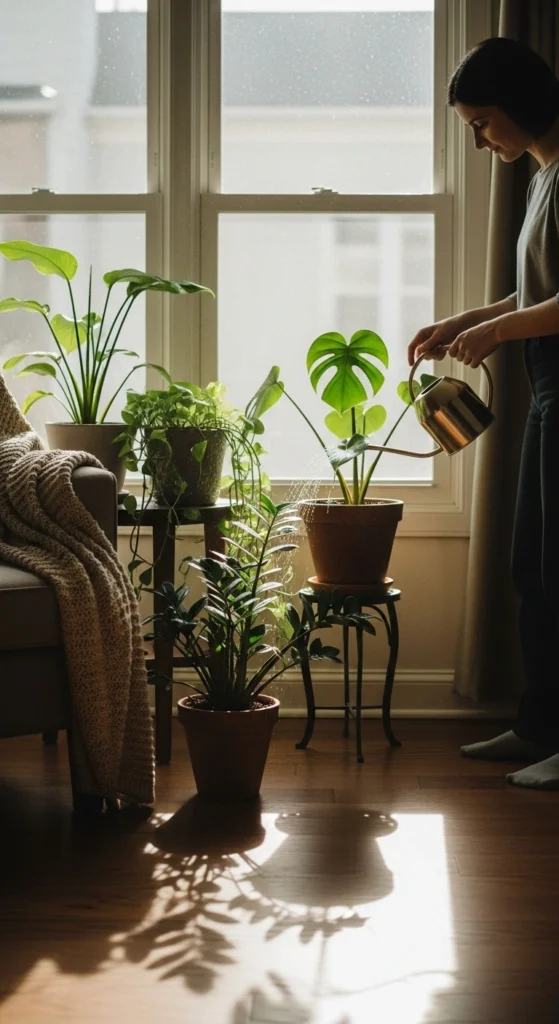
Tend to a plant or pet while naming what you appreciate about growth and care.
Nurturing attention builds steady appreciation.
12. Thank People Out Loud

Say thank you clearly and calmly. Eye contact matters.
Spoken appreciation strengthens relationships.
13. Appreciate Safety and Shelter

Acknowledge shelter, light, and security.
Stability awareness calms the nervous system.
14. Thank Your Breath

Take three slow breaths. Say thank you silently.
Breath-based gratitude restores balance quickly.
15. Write Gratitude Lists During Stress

List five things that still feel okay.
Simple lists ground emotional responses.
16. Save Positive Messages

Keep kind messages or notes.
Stored appreciation supports self-belief.
17. Light a Candle for Reflection

Light a candle and name three things you appreciate.
Quiet rituals signal emotional care.
18. Appreciate Order You Create

After tidying, acknowledge your effort.
Recognition reinforces positive habits.
19. Thank Yourself

Say thank you to yourself.
Self-directed gratitude builds inner support.
20. Appreciate Quiet Moments

Notice silence when it appears.
Stillness holds quiet value.
21. Celebrate Shared Laughter

Pause and appreciate laughter when it happens.
Acknowledged joy lasts longer.
22. Keep Gratitude Visible

Post a short gratitude list where you see it daily.
Repetition strengthens awareness.
23. Return to Gratitude After Mistakes

After errors, name one lesson or retained strength.
Gentle reflection supports growth.
24. Practice Gratitude Before Sleep

Thank the day itself before sleeping.
Calm closure supports emotional rest.
Conclusion
Gratitude practices work best when they remain simple and repeatable. None of these habits require special tools or extra spending. Choose one or two that feel natural and practice them daily. Over time, appreciation shapes attention, emotional balance, and relationships. Start small, stay consistent, and let gratitude become part of how you move through each day.

Leave a Reply