

A lightweight crochet shawl is one of the most versatile pieces you can make. It works as a breezy layer on cool spring mornings, a soft wrap on summer evenings, and an extra bit of warmth during fall and winter. Even better, it looks elegant without feeling heavy or bulky—and it’s much easier to crochet than it looks.
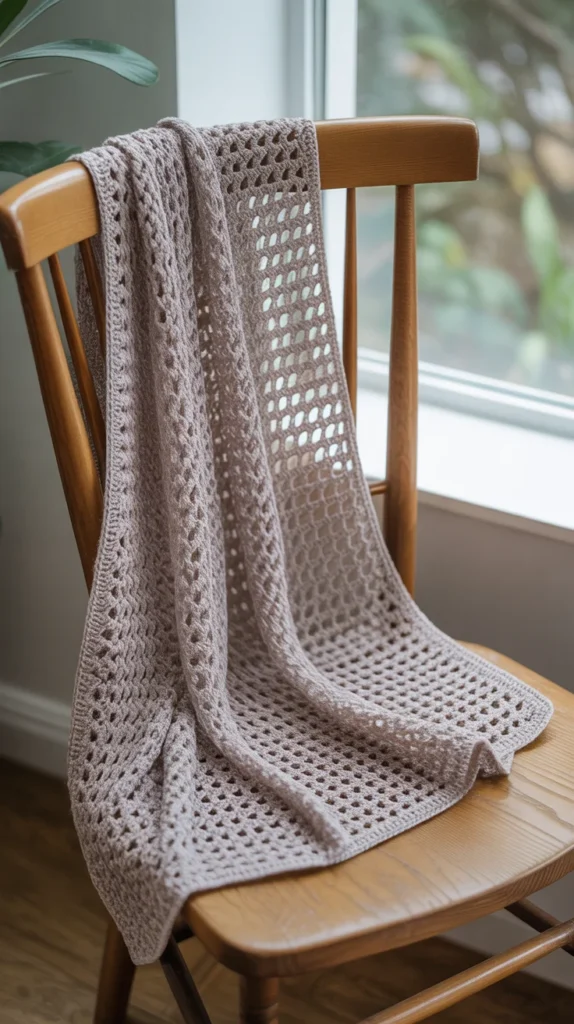
This guide walks you through everything you need to know, from choosing the right yarn to finishing your shawl so it flows beautifully in any season.
Choose Yarn That Feels Light and Breathable
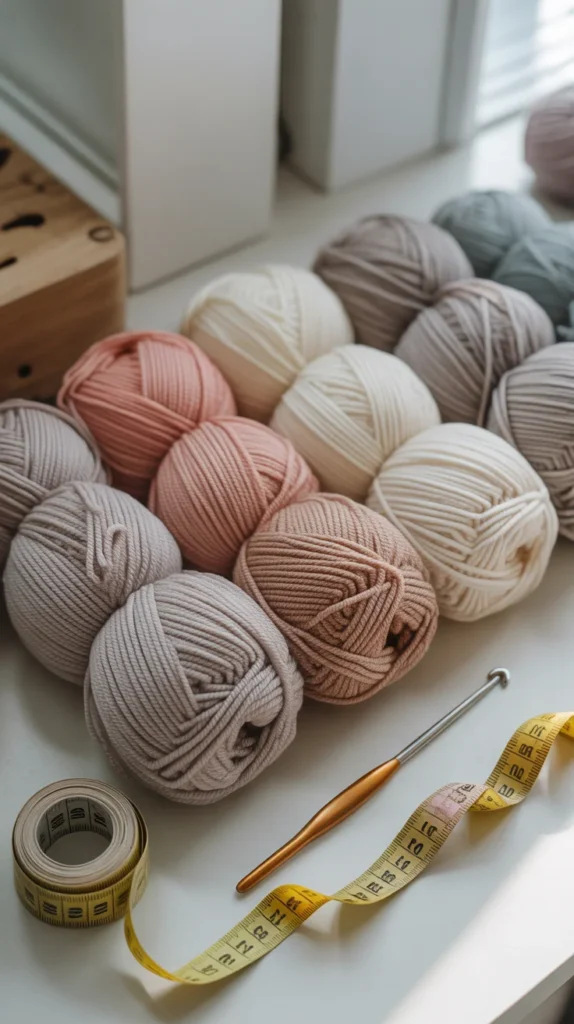
The secret to a year-round shawl is yarn choice. You want something that drapes well without trapping too much heat.
Best yarn options for lightweight shawls
- Cotton or cotton blends – Breathable and great for warmer weather
- Bamboo yarn – Silky, soft, and perfect for drape
- Wool blends (lightweight) – Ideal for transitional seasons
- Acrylic blends – Budget-friendly with good color options
Avoid bulky or heavy yarns. Even a simple stitch can feel too warm if the yarn is thick.
Yarn weight tips
- DK or light worsted yarn works well
- Fingering weight creates very airy shawls
- Lighter yarn = more fluid movement
Pick a Shawl Shape That Fits Your Style
Shawls come in many shapes, but a few are especially beginner-friendly.
Popular shawl shapes
- Triangle shawl – Classic, flattering, and easy to adjust
- Asymmetrical shawl – Modern and stylish
- Rectangular wrap – Simple and versatile
Triangle shawls are a great place to start because you can stop crocheting whenever the size feels right.
Size guidance
- Small shawl: light shoulder coverage
- Medium shawl: everyday wrap
- Large shawl: dramatic and cozy
The beauty of shawls is flexibility—there’s no exact size requirement.
Choose an Airy Stitch Pattern
Lightweight shawls look best with open, flowing stitches. You don’t need anything complicated.
Beginner-friendly shawl stitches
- Double crochet with chains – Light and fast
- V-stitch – Open and elegant
- Shell stitch (spaced) – Decorative but breathable
- Moss stitch with chains – Subtle texture and drape
Avoid very tight stitches unless you’re using fine yarn.
Stitch tips
- Relax your tension slightly
- Let the yarn and stitch create movement
- Test a small swatch before committing
Start Crocheting the Shawl Base
Most shawls begin at a point or edge and grow gradually.
Triangle shawl basics
- Start with a small chain or magic ring
- Increase evenly at the edges
- Keep the center stitch consistent
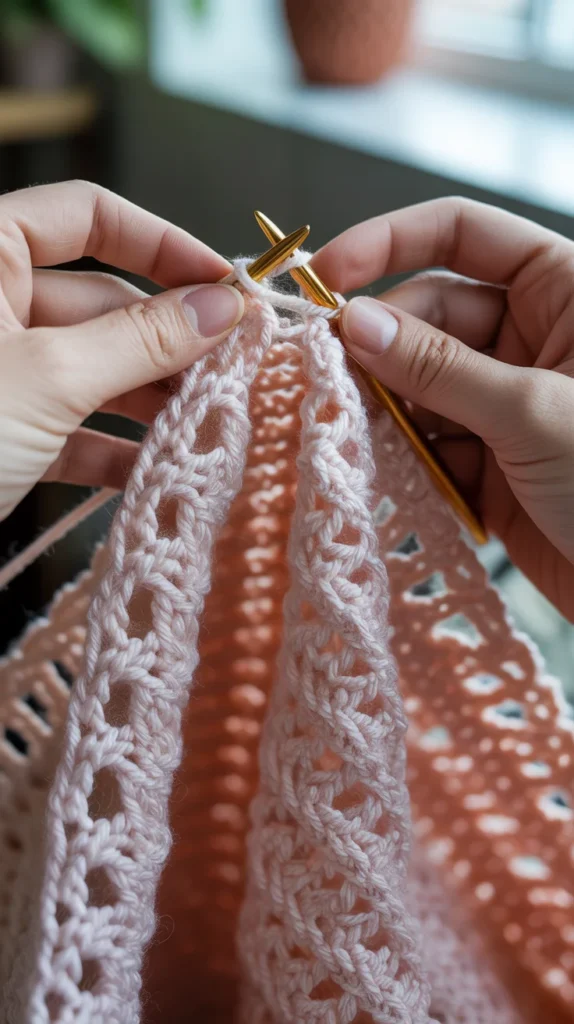
Helpful checks
- Lay the shawl flat every few rows
- If it curls, add more chain space
- If it ripples, reduce increases
Take your time here—this sets the shape for the whole piece.
Build Length and Flow Gradually
Once the base is established, the shawl becomes very relaxing to work on.
How to keep the shawl lightweight
- Add chain spaces between stitch groups
- Avoid packing stitches too closely
- Rotate the shawl occasionally to keep tension even
Keep crocheting until:
- You like the width across your shoulders
- The length drapes nicely when worn
Shawls don’t have to be symmetrical. Slight variations add charm.
Add a Simple, Elegant Border
Borders finish the shawl and help define its shape.
Easy border ideas
- One round of single crochet
- A scalloped edge using chains and double crochet
- A picot edge for subtle detail
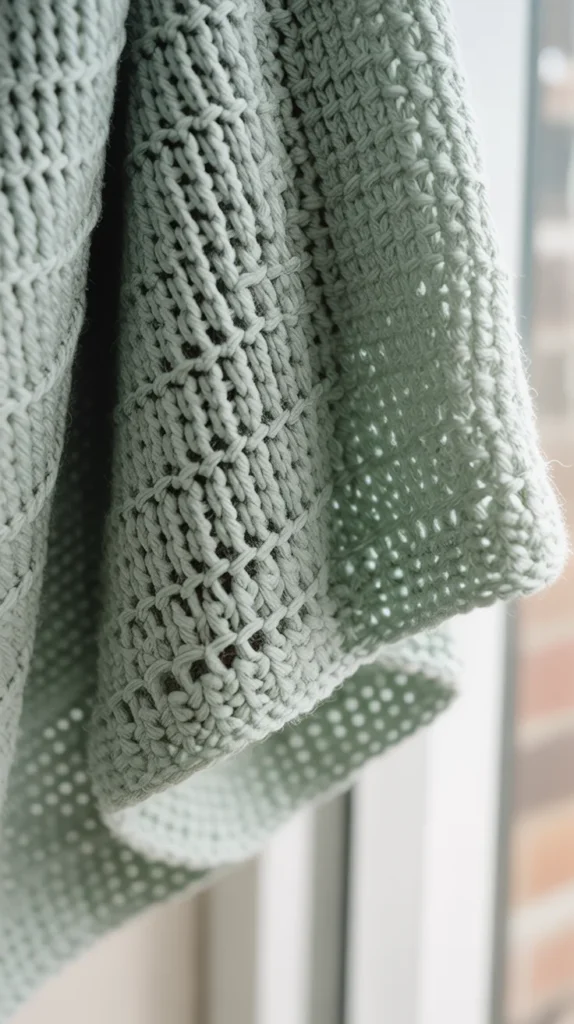
Borders should complement the shawl, not overpower it. Keep them light and flexible.
Block the Shawl for Best Drape
Blocking makes a huge difference, especially for lightweight pieces.
Simple blocking steps
- Gently wash the shawl
- Lay it flat on a towel or blocking mat
- Pin lightly to open stitches
- Let it dry completely
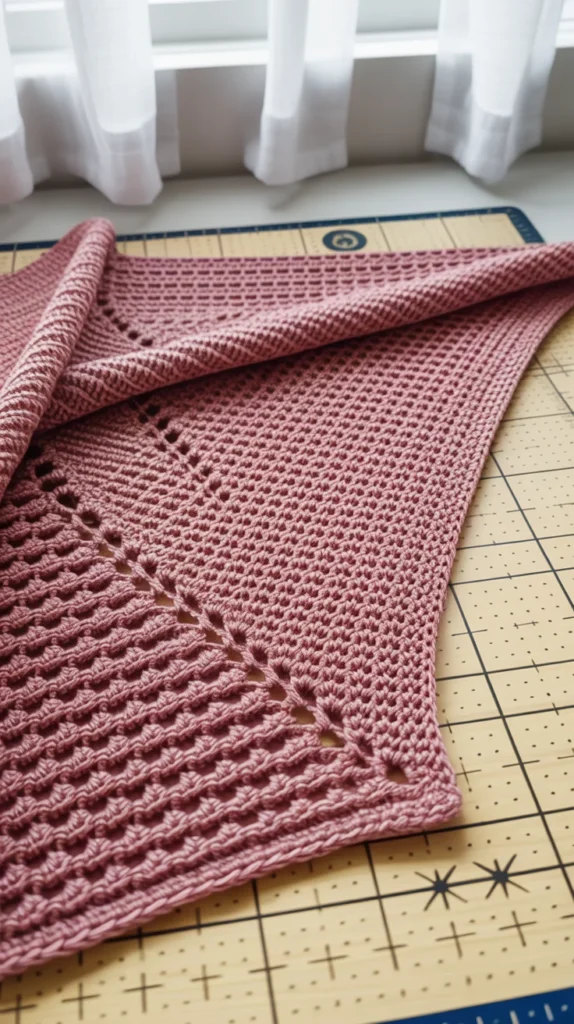
Blocking helps stitches relax and gives the shawl that airy, professional look.
Style Your Shawl for Any Season
A lightweight shawl works year-round with the right styling.
Styling ideas
- Drape loosely over shoulders in summer
- Wrap around neck like a scarf in fall
- Layer over a coat in winter
- Pair with a dress or jeans for spring
Neutral colors work everywhere, while soft pastels feel seasonal.
Common Mistakes to Avoid
- Using heavy yarn → stiff, bulky shawl
- Overly tight stitches → poor drape
- Skipping blocking → uneven shape
- Too many dense rows → less airflow
Lightness comes from space, not thickness.
Final Thoughts
Crocheting a lightweight shawl is one of the most satisfying projects you can make. It’s relaxing, adaptable, and endlessly wearable. With the right yarn, an airy stitch, and gentle finishing, you can create a shawl that feels just right in every season.
🧶 Save this tutorial for later, choose your favorite yarn, and start crocheting a shawl you’ll reach for all year long.

Leave a Reply