

Inner peace isn’t something you reach once and keep forever. It’s something you practice daily, in small, intentional ways. Life will always bring noise, pressure, and uncertainty—but peace comes from how you respond internally, not from eliminating challenges.
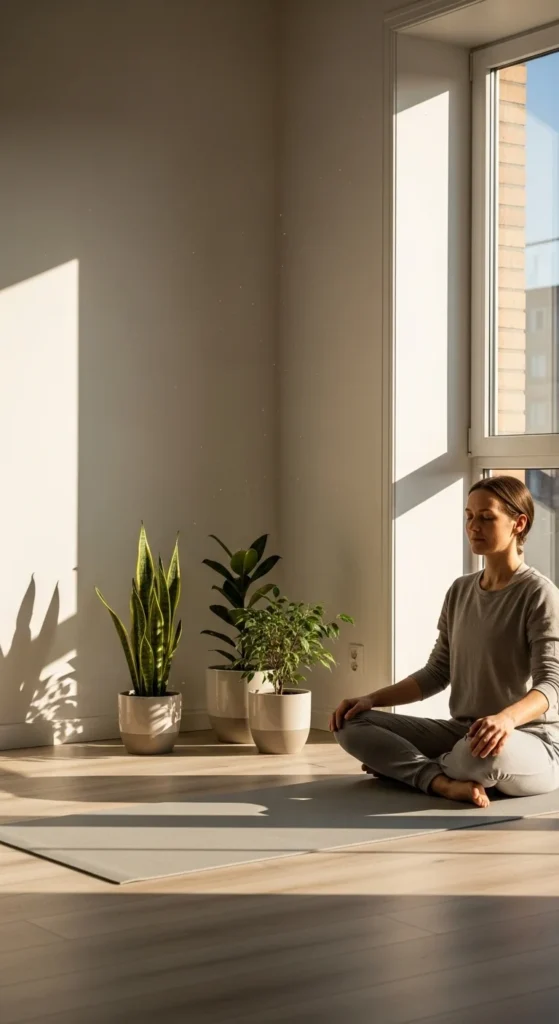
In this guide, you’ll learn how to manifest inner peace daily using realistic habits that fit into everyday life—no perfection, no escape, just steady calm from within.
What Does Inner Peace Really Mean?
Inner peace doesn’t mean you’re always happy or stress-free. It means:
- You feel grounded even during uncertainty
- Your emotions don’t completely control you
- You can return to calm after disruption
Inner peace is emotional stability, self-trust, and acceptance combined.
When you aim for peace instead of control, life feels lighter.
Step 1: Start Your Day Without Rushing Your Mind
How you begin your morning sets the tone for your nervous system.
Before checking your phone or jumping into tasks, pause.
Try one of these:
- Take 5 slow breaths
- Sit in silence for one minute
- Stretch gently
- Set a calm intention for the day
Even 60 seconds of presence helps your body feel safe—and peace grows from safety.

Step 2: Simplify Your Inner Dialogue
Much of our stress comes from constant mental commentary.
Notice thoughts like:
- “I’m behind.”
- “This shouldn’t be happening.”
- “I need to fix everything now.”
Instead of fighting thoughts, soften them.
Gentle replacements:
- “I’m allowed to move at my pace.”
- “I can handle one step at a time.”
- “This moment doesn’t define me.”
Inner peace grows when your mind becomes a safe place.
Step 3: Practice Emotional Acceptance Throughout the Day
Resisting emotions creates inner conflict. Allowing them creates peace.
When an emotion shows up:
- Name it (stress, sadness, frustration)
- Allow it without judgment
- Breathe through it
You don’t need to fix emotions to feel peaceful. You need to let them pass.

Acceptance reduces internal struggle—and peace expands naturally.
Step 4: Create Daily Peace Anchors
Peace anchors are small rituals that bring you back to calm.
Examples:
- Drinking tea mindfully
- Stepping outside for fresh air
- Listening to soft music
- Writing one sentence in a journal
These moments remind your body and mind that calm is available now.
You don’t need more time—just more intention.
Step 5: Reduce Mental Noise From Comparison and Overload
Comparison is one of the biggest peace disruptors.
Inner peace fades when you:
- Compare timelines
- Absorb too much news or social media
- Measure worth by productivity
Protect your peace by:
- Limiting scrolling
- Curating your environment
- Choosing depth over distraction

Peace grows when external noise quiets.
Step 6: Align Your Actions With What Feels Calm
Inner peace increases when your life reflects your values.
Ask daily:
- What drains my energy?
- What restores it?
- What can I say no to today?
Aligned actions might include:
- Setting boundaries
- Taking breaks without guilt
- Letting go of unnecessary pressure
Peace isn’t passive—it’s intentional self-respect.
Step 7: End the Day With Gentle Reflection
Nighttime reflection helps release the day instead of carrying it to tomorrow.
Try:
- Writing one thing you handled well
- Acknowledging one challenge without judgment
- Taking three deep breaths before sleep

Letting go daily prevents emotional buildup.
Common Habits That Block Inner Peace
Be mindful of:
- Overcommitting
- Ignoring your needs
- Trying to control everything
- Harsh self-criticism
Peace grows when you replace pressure with compassion.
Final Thoughts: Inner Peace Is a Daily Choice
Manifesting inner peace isn’t about changing your entire life. It’s about changing how you meet each moment.
Some days will feel calm. Some won’t. Both are okay.

Leave a Reply