

Think investing is only for the wealthy? Think again. Thanks to modern tools and platforms, you can start growing your wealth with just a few dollars—even less than the cost of a weekly coffee habit. The key is to start early, stay consistent, and make smart choices that compound over time.

In this guide, you’ll learn practical, beginner-friendly ways to start investing even when you don’t have much money—no complicated jargon, no Wall Street suits required.
1. Shift Your Mindset — Small Steps Lead to Big Results
Before diving into investment options, let’s tackle the biggest barrier: mindset. Many people hesitate because they believe they “don’t have enough” to make investing worth it. But the truth is, even small amounts can grow significantly over time, thanks to the power of compound interest.
Imagine investing just $25 a month with an average 8% annual return. In 20 years, that small monthly amount could grow to over $14,000. If you increase contributions as your income grows, the results multiply even more.
👉 Pro Tip: Don’t wait until you “have more.” Start now with what you can, and let time work its magic.

2. Build a Solid Financial Foundation First
Investing is exciting—but before you jump in, make sure your financial base is secure. Think of it like building a house: the foundation comes before the walls.
Here’s what to have in place:
- Emergency Fund: Aim for at least 3–6 months of essential expenses in a separate savings account.
- Debt Strategy: Tackle high-interest debt (like credit cards) before focusing heavily on investing.
- Budget Check: Make sure your essential bills and basic needs are covered consistently.

👉 Once your financial foundation is steady, you can invest with confidence—knowing you won’t need to pull your money out at the first unexpected expense.
3. Choose Investment Platforms That Welcome Small Investors
Gone are the days when you needed thousands to open a brokerage account. Today, many platforms let you start with just $1. Look for:
- Robo-Advisors – Automated investing services that create and manage a diversified portfolio for you. Ideal for beginners who want a hands-off approach.
- Micro-Investing Apps – Apps like Acorns or Stash allow you to invest spare change from everyday purchases.
- No-Minimum Brokerages – Platforms like Fidelity, Schwab, or Robinhood offer zero minimum balance accounts and no trading fees.
- 401(k) or Employer Plans – If your employer offers matching contributions, that’s free money—take advantage of it first.
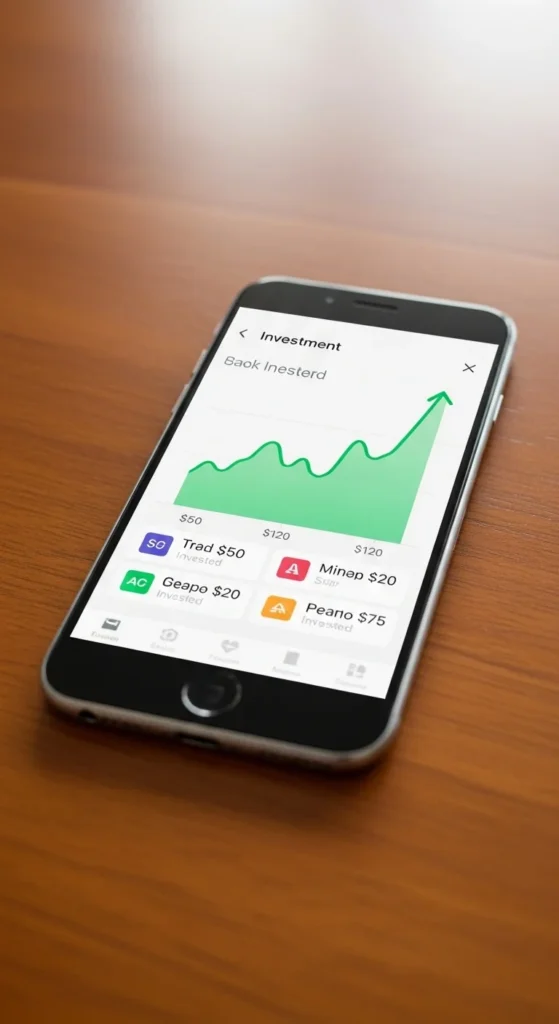
👉 Tip: Pick one or two platforms to start. Simplicity beats overwhelm when you’re just getting your feet wet.
4. Start With Simple, Low-Cost Investments
You don’t need to become a stock-picking expert to invest successfully. In fact, most beginners (and many seasoned pros) do best with simple, diversified investments that grow steadily over time.
Great beginner-friendly options include:
- Index Funds & ETFs – These track the market (like the S&P 500) and have low fees. A single fund can give you exposure to hundreds of companies.
- Fractional Shares – Instead of buying a full $300 stock, you can invest $5 or $10 in a fraction of it.
- Target-Date Funds – Ideal for retirement goals. These automatically adjust your asset mix as you age.
- Robo-Advisor Portfolios – Let algorithms handle diversification and rebalancing for you.

👉 Focus on long-term growth, not quick wins. Investing isn’t a race — it’s a marathon.
5. Stay Consistent and Let Time Do the Heavy Lifting
The real secret to building wealth with little money is consistency. It’s less about how much you start with and more about sticking with it month after month.
Practical tips to stay on track:
- Automate contributions so investing happens without thinking.
- Increase amounts gradually as your income grows.
- Avoid panic-selling during market dips — volatility is normal.
- Celebrate milestones to keep motivation high.

👉 Even if you start small, consistent investing + time = powerful wealth-building.
Final Takeaway: Start Where You Are, Grow As You Go
Starting to invest with little money isn’t just possible — it’s smart. By shifting your mindset, building a solid foundation, choosing beginner-friendly tools, and staying consistent, you can set yourself on the path to long-term financial success.
Your future wealth doesn’t depend on hitting the lottery or earning a six-figure salary. It starts with your first small step today.

Leave a Reply