


The New Year inspires many people to rethink how they handle money, and investing becomes a major part of that plan. Readers often search for practical steps that feel doable without needing a finance background. This guide shares simple actions anyone can apply to start shaping better habits. Every tip focuses on small, affordable steps that help you learn, reduce confusion, and build more confidence with your money. You’ll find realistic examples, clear explanations, and plenty of easy adjustments you can begin right away.
1. Start With Small Monthly Contributions

Start tiny. Even $10 or $20 a month helps you form a consistent pattern. Many people feel stuck waiting until they have large amounts, but smaller steps feel lighter and easier to repeat. Set up an auto-transfer into a basic investment account. You can use a free budgeting app to track progress. Keep your setup simple. Add contributions on payday to avoid forgetting. If your income varies, choose a flexible amount that feels comfortable. Over time, you can increase the number when life feels steadier. You don’t need complex tools. A notebook and a simple calendar reminder work well. Small amounts build momentum, and that momentum builds confidence. Simple progress feels good and helps you stay committed through the year. Aim for consistency instead of perfection. Little habits compound when they’re repeated long enough.
2. Pick One Beginner-Friendly Investment Type

Choosing one category helps you avoid confusion. You don’t need to explore every investment type on day one. Pick one area like index funds or bonds and learn the basics. Use free online videos or a low-cost book. Make short notes about what each option does. Stick with easy language so you don’t overwhelm yourself. Create a small test purchase of one share or a low-minimum fund. This lets you learn by doing. Add tiny contributions weekly or monthly. Take screenshots of your progress and save them in a folder so you can track change over time. This habit builds clarity. When you feel comfortable, expand to the next category. Keep your expectations simple so the learning feels manageable. You’ll find your confidence grows quickly when you focus on one area at a time.
3. Set Clear Money Goals for the Year

Knowing what you want helps guide your choices. Write down three simple goals for the year. Maybe you want to invest a certain amount or build a small emergency cushion. Keep each goal short and realistic. Use a notebook you already have instead of buying new tools. Break your goals into tiny monthly targets so they feel reachable. Create a checklist you can update weekly. The act of tracking your changes keeps you focused and engaged. You can also take a photo of your planner setup each month to motivate yourself visually. These small habits make the process feel grounded and easy. Clear goals simplify decisions and help you avoid distractions that pull you off track. Keep your goals visible so you recall them regularly.
4. Use Low-Cost Index Funds to Keep It Simple

Index funds help many beginners feel less pressure because they spread your money across many companies. This reduces the stress of picking single stocks. Look for funds with low fees and easy access. You can start with a small amount and add to it each month. Many apps allow automatic contributions, which helps you stay consistent. If you like visual tracking, create a simple spreadsheet or use a free app to chart your progress. Keep your updates short. Just one line per month is enough. This approach keeps investing from feeling complicated. You can also discuss options briefly with a trusted friend who is learning too. This makes the process feel supportive. Index funds offer a simple path for steady progress without needing advanced knowledge.
5. Review Your Spending Before Investing More

Spending habits influence how much you can invest. Look at your monthly expenses and identify one or two areas where you can adjust lightly. This might be smaller purchases you often forget about. Instead of cutting everything, choose gentle shifts. Maybe skip one delivery meal and put that amount into your investment account. Keep a small notebook or digital memo for quick notes. At the end of the month, review your adjustments. This helps you create more breathing room for investing without pressure. The goal is not extreme saving but gradual changes that feel easy. These small improvements free up extra cash that can support your long-term plans.
6. Automate Investments to Build Routine

Automation helps you stay consistent without daily effort. Set up a small recurring transfer from your main account to your investment account. This creates a routine that runs quietly in the background. Start with a small amount so it feels light. You can adjust it later. Use a calendar reminder to check on your progress once a month. If you want a visual cue, place a sticky note on your desk reminding you of your automated plan. This method removes decision fatigue. Many investors stay consistent because the habit becomes automatic. It also helps you avoid emotional choices where you skip investing due to short-term stress. With automation, your contributions flow naturally all year.
7. Learn Simple Risk Basics

Understanding risk doesn’t require complicated math. It simply means knowing that some investments move a lot while others move slowly. Create a simple chart with two columns—calm movements and active movements. List examples you find from short online videos or articles. Keep your notes light. Use plain language. This helps you decide how bold or cautious you want to be. Try a tiny test amount in each category to see how they behave over a month. This hands-on approach feels less intimidating because you’re working with small amounts. You’ll begin recognizing patterns and learning what makes you comfortable. Risk becomes easier to handle when you see it in action instead of reading long technical explanations.
8. Keep a Simple Investing Journal

An investing journal helps you track your thoughts and decisions. You don’t need a special template. Write the date, what you invested in, and why. Keep entries short. A few lines are enough. Over time, you’ll spot habits that help or distract you. This awareness helps guide your next steps. If a product or idea feels confusing, write down your questions so you can research later. You can also store screenshots of your account balances to watch your progress visually. Taking a photo of your journal each month adds a motivational boost. This journal becomes a helpful tool for reflection without feeling heavy.
9. Avoid High-Pressure Buying Moments

High-pressure moments often lead to quick decisions. Take a pause before acting on a trending investment or sudden hype. Give yourself 24 hours. This simple waiting period protects your money from emotional decisions. Write down why you want to buy something and review your journal the next day. If it still feels right, act. If not, skip it. This tiny habit helps you stay calm during market noise. It also encourages thoughtful choices. You can place a sticky note near your desk that reminds you to pause. This method costs nothing and offers strong clarity during fast-moving seasons like the New Year.
10. Add Micro-Investing Apps to Build Momentum

Micro-investing apps let you invest spare change automatically. When you make purchases, small amounts round up into your account. This creates steady contributions without you thinking about it. Use this method to soften the learning process. Start with everyday purchases like groceries or small household items. Review your round-ups weekly to see how they grow. You can also add tiny one-time deposits when you feel comfortable. This approach works well for people who feel unsure about bigger steps. It helps form habits slowly while still moving forward.
11. Learn From Short Financial Podcasts

Short podcasts help you pick up new ideas on the go. Choose episodes under ten minutes to keep things light. Listen while walking, cleaning, or cooking. Write down any simple action you want to try. You can create a small “podcast notes” section in your journal. Over time, these small bits of knowledge help you feel more informed. If something sounds confusing, research it for just five minutes instead of diving into long articles. Keep your learning playful and practical. This keeps you engaged without pressure.
12. Start With Broad Market ETFs
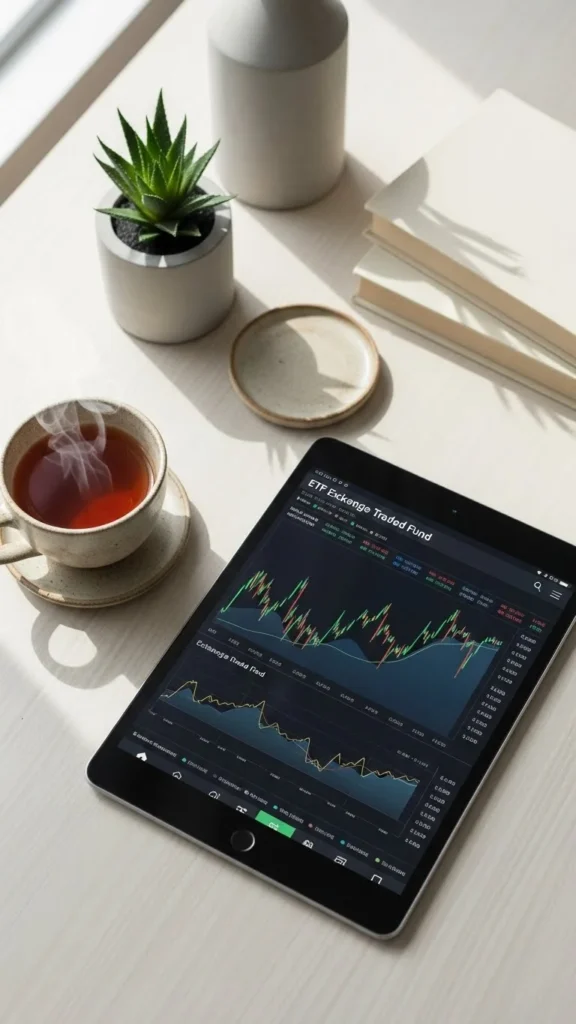
Broad market ETFs give you exposure to many companies at once. This reduces the stress of picking individual winners. Start with one ETF and add small amounts each month. Create a simple schedule to check it monthly. Don’t focus on daily changes. Long-term patterns matter more. Snap a screenshot each month and save it in a folder. This builds a visual timeline of your progress. ETFs are easy to understand and great for beginners who want a hands-off approach.
13. Avoid Chasing Quick Wins

Quick wins often come with fast losses. Slow, steady efforts feel more reliable. Before making any purchase, ask yourself if you’re chasing excitement or building long-term habits. Write down your answer. This makes you more aware. Create a simple rule: if the idea promises fast profit, pause. Go back to your goals and journals. This reflection keeps you grounded. You can still explore new ideas, but with a calmer mindset. Steady investing usually feels more satisfying than chasing sudden spikes.
14. Review Your Portfolio Once a Month

Monthly reviews keep things organized. Pick one day each month to check your progress. Keep your review simple. Look at your contributions and note any changes. Avoid making quick adjustments. If something feels off, write a question in your journal and research later. This habit prevents emotional decisions. Use your phone to take a monthly screenshot for visual tracking. Over time, you’ll notice patterns that guide future choices.
15. Start With Low Fees

Fees can eat into your returns over time. Pick investments with low ongoing charges. Many platforms show the fee percentage clearly. Compare two or three options and choose the lowest. Keep your setup simple. You can track your fees in a notebook by writing the amount you pay each year. This awareness helps you avoid costly products. Lower fees help your money grow more efficiently. Small changes make a big difference over long periods.
16. Avoid Overloading on Too Many Stocks

Having too many stocks creates clutter. Start with just a few or pick a broad fund instead. This keeps your tracking simple. When choosing stocks, pick ones you understand. Write short notes about why you chose them. Review these notes monthly so you stay intentional. If you feel overwhelmed, sell small portions and return to a simpler setup. Keeping your investments tidy reduces stress and improves clarity.
17. Build a Small Emergency Cushion First

An emergency cushion makes investing feel safer. Start with a small target like $200 or $300. Add to it whenever you have extra cash. Use a separate jar or savings account. This cushion helps you avoid pulling money out of investments suddenly when unexpected expenses arrive. Keeping this fund simple helps your investing journey stay steady. Once you reach your target, you can shift more focus toward long-term investments.
18. Learn Simple Tax Basics

Taxes affect your investment returns, but you don’t need deep knowledge. Learn basic terms like taxable accounts and retirement accounts. Use a free online guide to understand how gains and losses work. Keep your notes short. One or two lines per concept help you stay organized. This awareness guides smarter choices without overwhelming you. If anything feels confusing, search for a short beginner video instead of long articles.
19. Explore Dividend-Paying Investments
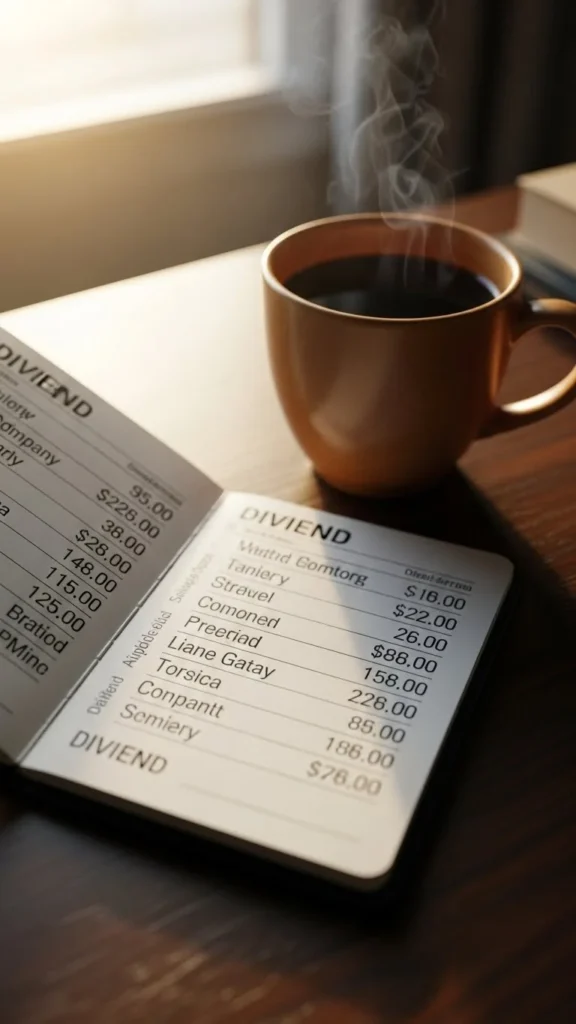
Dividend-paying investments share small cash amounts regularly. These payments can help you reinvest and grow your account. Start with one dividend stock or a dividend fund. Add tiny contributions monthly. Track your dividends in a notebook. Watching these payments increase over time feels rewarding. Reinvest them to speed up growth. This method works well for long-term habits.
20. Avoid Constant Market Checking

Checking prices constantly creates stress. Set a rule to check once a day or once a week. Turn off unnecessary notifications. Focus on long-term patterns instead of hourly changes. Create a calming workspace where your laptop stays closed unless it’s review day. This helps you stay grounded. Investing feels easier when you give your mind room to breathe.
21. Join a Small Money Group

A small money group helps you stay motivated. Meet once a month to share ideas and progress. Keep conversations simple and supportive. You don’t need deep financial knowledge. Focus on small wins and helpful habits. You can also share resources like short videos or articles. The group atmosphere creates gentle accountability without pressure.
22. Use Dollar-Cost Averaging

Dollar-cost averaging means investing the same amount on a regular schedule. It spreads your purchases over time, which softens emotional decision-making. Start with a small weekly or monthly amount. Use automation if possible. This method helps you stay consistent. Track your contributions in your journal for motivation. Over time, you’ll see steady growth from simple repetition.
23. Keep Cash for Opportunity Moments

Opportunity moments appear when prices dip slightly or when a good investment becomes available. Keeping a small cash reserve lets you act calmly when that moment arrives. Set aside $20–$50 per month in a separate envelope or account. Use it only for intentional purchases that align with your goals. This habit helps you stay ready without chasing excitement.
24. Revisit Your Plan Every New Year

Each New Year is a chance to refresh your mindset. Read through your past journal entries and update your goals. Adjust anything that feels outdated. Keep your changes simple and realistic. Celebrate your progress, even if it feels small. You can photograph your new setup to inspire yourself visually. This annual ritual helps you stay connected to your long-term vision.
Conclusion
Small, steady habits shape a calm investing experience. By focusing on simple actions, light routines, and easy tracking, you build confidence without pressure. Pick two or three tips from this guide and start today. Each small step helps your money grow over time, and with consistent effort, you’ll feel more grounded in your financial journey throughout the New Year.

Leave a Reply