

If you’re looking for a profitable online business that helps real-world companies grow, starting a local SEO business might be your perfect path. Local SEO helps small businesses — like restaurants, plumbers, salons, or gyms — get found on Google when customers search nearby.
The best part? You don’t need a huge budget or years of experience to start. With basic SEO knowledge, the right tools, and a simple plan, you can build a steady income helping local businesses get more traffic and sales.

Why Local SEO Is a Goldmine
Local SEO is one of the fastest-growing segments of digital marketing. Why? Because every small business wants local visibility — and most don’t know how to get it.
Consider this:
- Over 80% of local searches lead to an in-person visit or call.
- “Near me” searches have grown by more than 200% in the past few years.
- Businesses will pay $500–$2,000/month for consistent leads.
You’re solving a high-demand problem. Once you help a client appear in the top 3 spots on Google Maps, you become a long-term partner in their success — and that means recurring revenue for you.
Step 1: Learn the Core Skills of Local SEO
Before selling your services, you need to understand how local SEO works. Luckily, you can learn the basics quickly from free or affordable resources.
Focus on mastering these key areas:
- Google Business Profile (GBP): Claiming, optimizing, and updating business profiles.
- On-page SEO: Optimizing titles, descriptions, and keywords for local intent.
- Citations: Listing businesses consistently across directories like Yelp and Bing.
- Reviews: Encouraging and managing positive customer reviews.
- Local backlinks: Getting other local sites to link back to your clients.
Free resources like Google’s SEO Starter Guide, YouTube tutorials, and courses from Moz or Ahrefs are perfect for beginners.

Step 2: Choose Your Niche and Target Area
Trying to help every type of business at once will stretch you thin. Instead, pick a specific niche and area to focus on.
Examples:
- Dentists in Dallas
- Real estate agents in Miami
- Restaurants in Chicago
- Fitness studios in Los Angeles
Focusing on one niche helps you:
- Build repeatable systems faster.
- Use proven strategies across similar clients.
- Become the “go-to SEO expert” in that industry.
Once you dominate one city or niche, you can easily expand to nearby markets.
Step 3: Build a Simple Portfolio
You don’t need fancy case studies to start. You just need to prove your skills.
Try these beginner-friendly approaches:
- Optimize your own website for a local keyword like “Local SEO Expert in [Your City].”
- Offer free or discounted SEO audits to 2–3 local businesses in exchange for testimonials.
- Track results (traffic, calls, rankings) and use them as mini case studies.
A small portfolio with real examples builds instant credibility and helps you attract your first paying clients.

Step 4: Find Your First Clients
This is the most exciting (and rewarding) step — turning your skills into income.
Here are the best ways to get your first clients:
- Cold email or DM: Reach out to local business owners with a short, value-packed message.
“Hey [Name], I noticed your Google Business listing could use a few quick optimizations. I specialize in helping local businesses rank higher — would you like a free audit?” - Attend local networking events or Chamber of Commerce meetings.
- Use Facebook and LinkedIn groups: Share helpful tips to attract leads naturally.
- Collaborate with web designers or ad agencies: They often refer SEO clients.
Pro tip: Offer a free audit or “Local SEO Quick Win” report. Once business owners see real insights, they’ll trust you to handle the full strategy.

Step 5: Create Packages and Scale
When clients start saying “yes,” make your pricing clear and professional.
Common pricing models:
- Monthly retainer: $500–$1,500/month for ongoing SEO and updates.
- One-time setup: $400–$800 for GBP optimization and citations.
- Performance-based: Bonuses tied to leads or ranking milestones.
As you grow:
- Use tools like BrightLocal or Whitespark to automate reports.
- Hire virtual assistants for data entry or citation work.
- Build templates for audits and proposals to save time.
Once your systems are in place, scaling becomes smooth — more clients, less stress.
Step 6: Build Long-Term Relationships
The secret to sustainable income isn’t chasing new clients — it’s keeping the ones you already have.
Ways to retain clients:
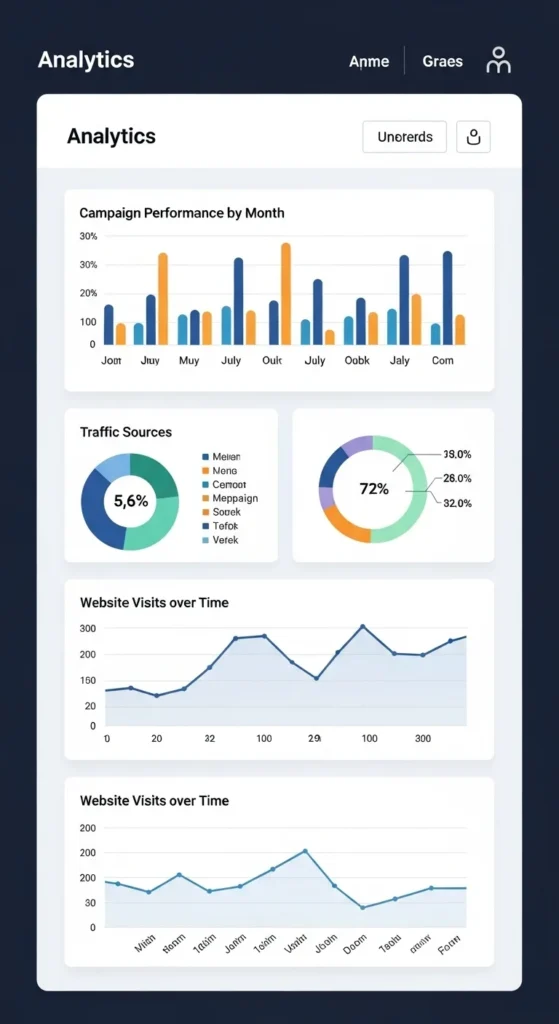
- Send monthly progress reports showing keyword gains and call volume.
- Offer free strategy sessions to review performance.
- Stay proactive — suggest new ideas for content, reviews, or backlinks.
Happy clients will refer you to others, turning your business into a self-sustaining growth machine.
Final Takeaway
Starting a local SEO business from scratch is one of the best low-cost, high-profit ventures online today. You’re helping real businesses grow, building recurring income, and developing a skill set that’s always in demand.
Start with one niche, one city, and one client. Deliver value, track results, and scale from there.

Leave a Reply