

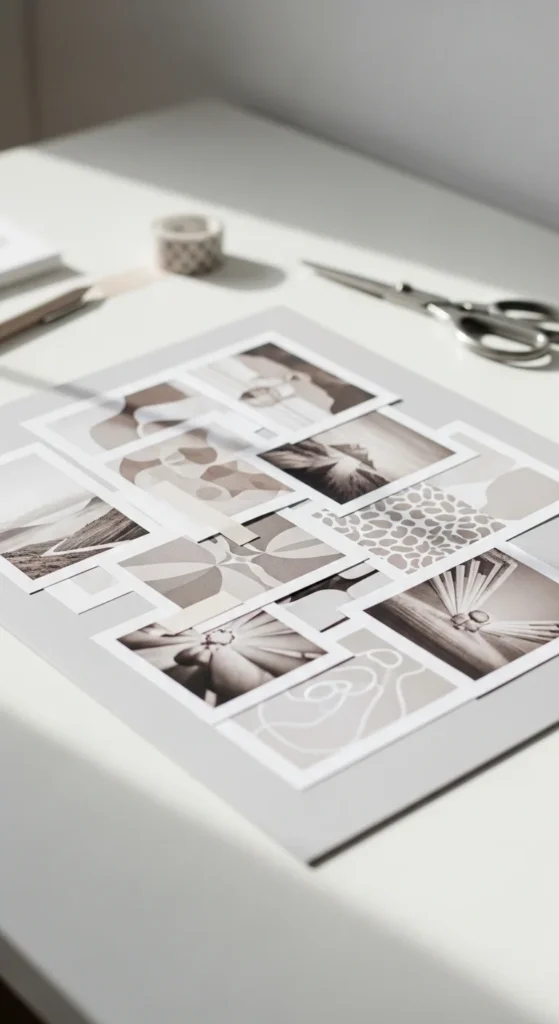
Minimalist vision boards are for people who want clarity, not clutter. When visuals feel calm, your mind follows. Many people search for clean minimalist vision board ideas because busy boards can feel distracting instead of helpful. A minimalist board strips things back to what truly matters. Fewer images. More space. Clear intention. The ideas below focus on simplicity, affordability, and realistic daily use. Each one helps you stay focused without visual noise. You do not need expensive supplies or perfect layouts. You only need thoughtful choices and space to breathe.
1. One-Goal Focus Board
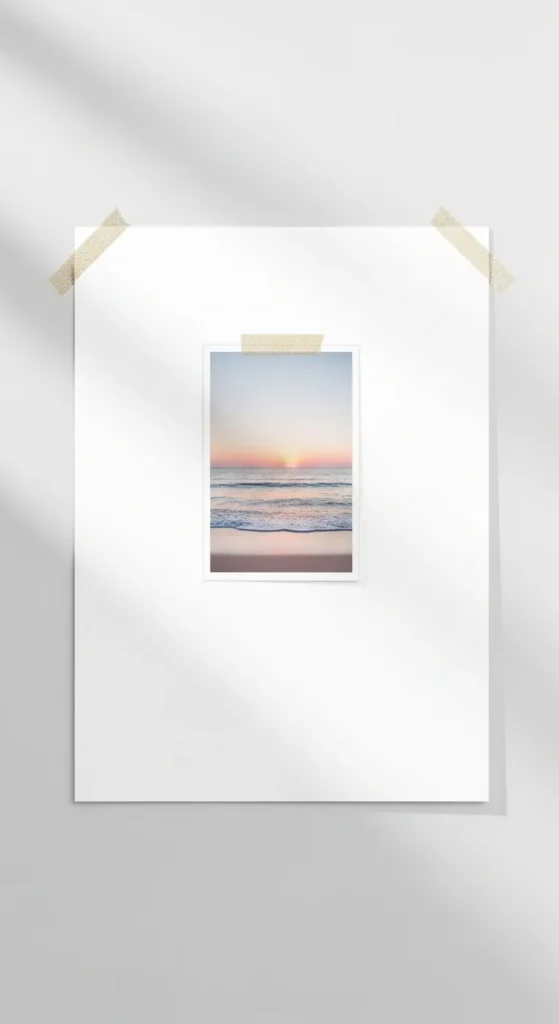
This board is about clarity. One goal. One image. Nothing else fighting for attention.
Choose a photo that represents your main focus right now. Work calm. Better rest. Simple routines.
Use plain white paper or cardboard. Center the image. Leave space around it.
This board works well when you feel scattered. It gently pulls your attention back.
Budget tip: Print one photo at home. Tape it neatly.
Place it where your eyes land often. Desk. Wall near your bed.
When focus improves, daily decisions feel easier.
2. Black and White Clarity Board
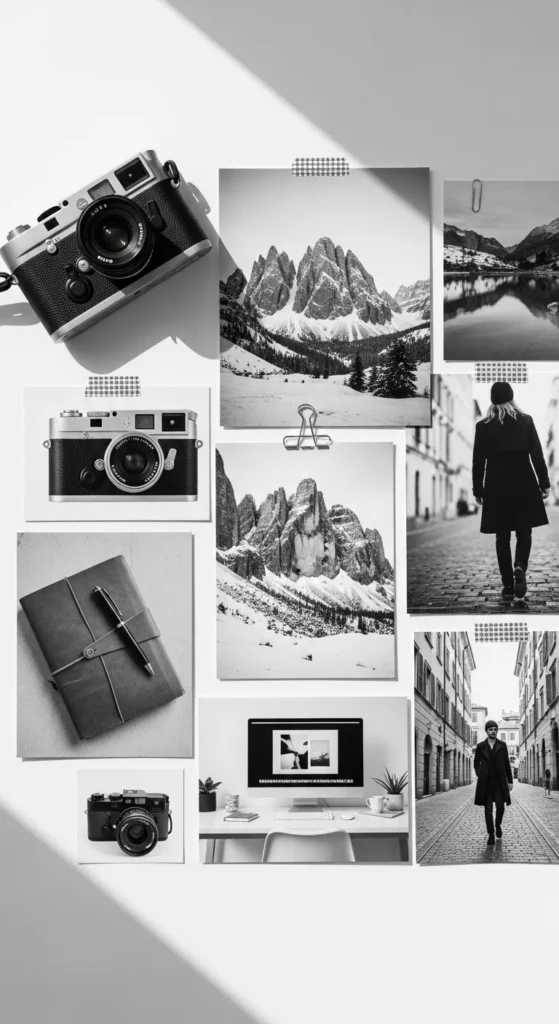
Black and white removes distraction. No color pulling your attention.
Choose images with simple shapes. Hands. Architecture. Calm spaces.
Print in grayscale to save ink. Trim edges cleanly.
Use even spacing between images. Avoid overlap.
This board fits workspaces well. It supports clear thinking.
3. White Space Priority Board
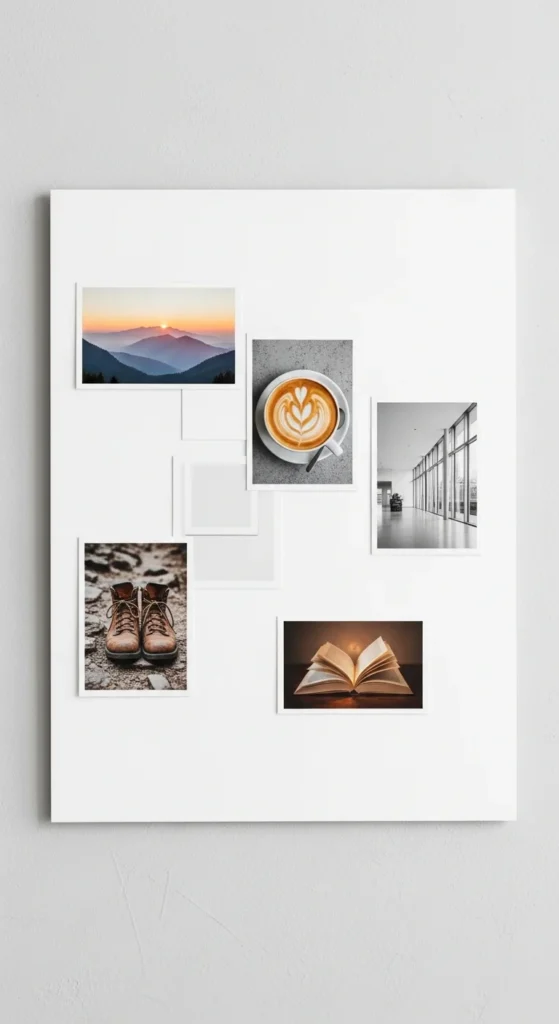
This board uses space as a tool. Less is more.
Choose two or three images only. Spread them out.
White space helps your eyes rest.
This board works well in small rooms.
4. Neutral Tone Board
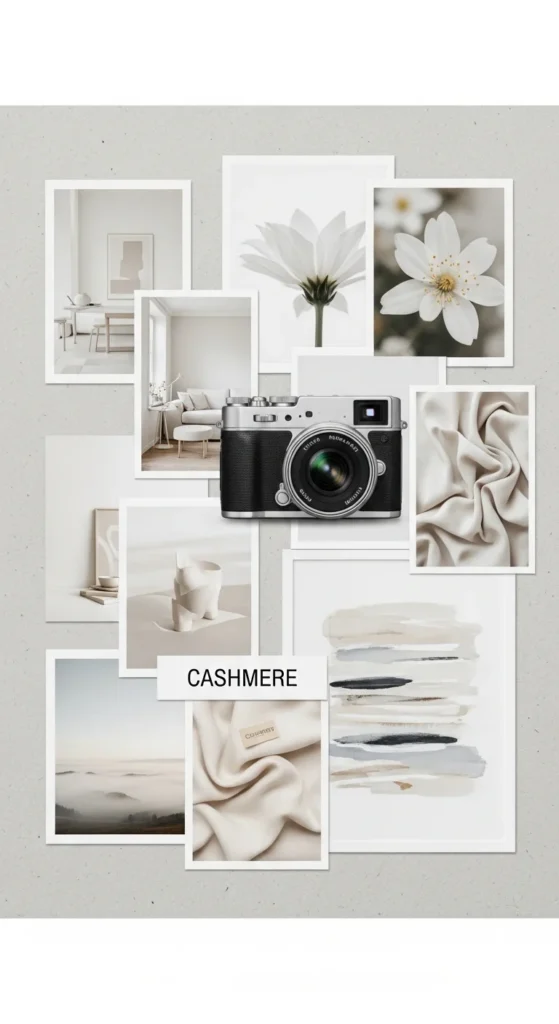
Neutral tones feel calm and steady.
Use kraft paper or recycled cardboard as a base.
Choose images with soft lighting.
This board blends into any room.
5. Clean Desk Life Board
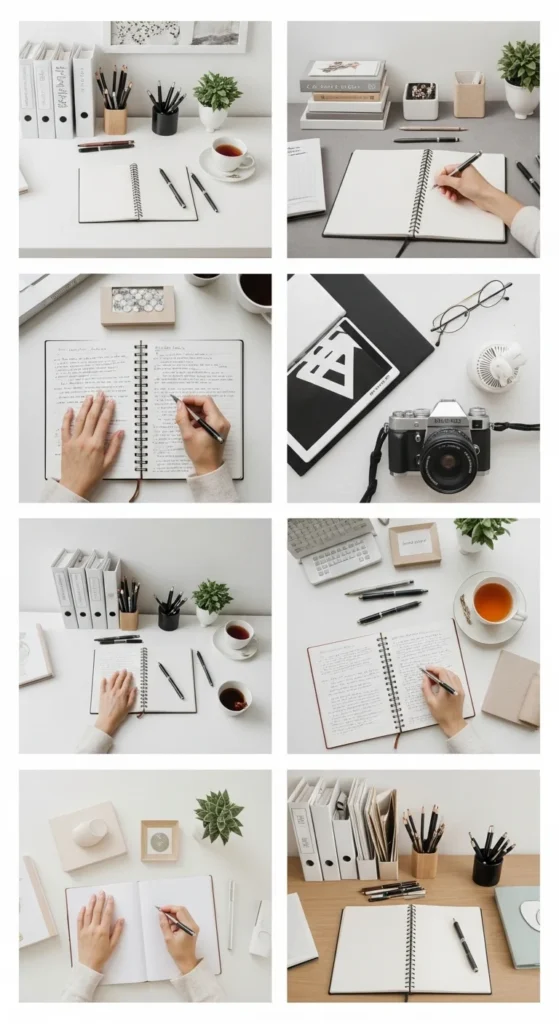
This board supports focused work habits.
Choose realistic desk scenes.
Place it near your workspace.
6. Minimal Morning Board
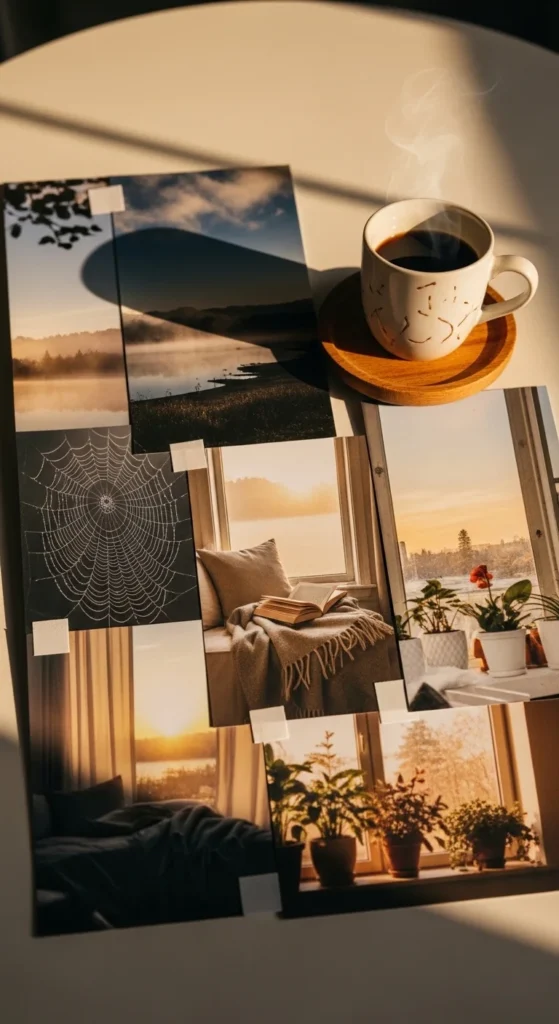
This board sets a calm tone for your day.
Use warm light images.
Place near your bed.
7. Calm Evening Board
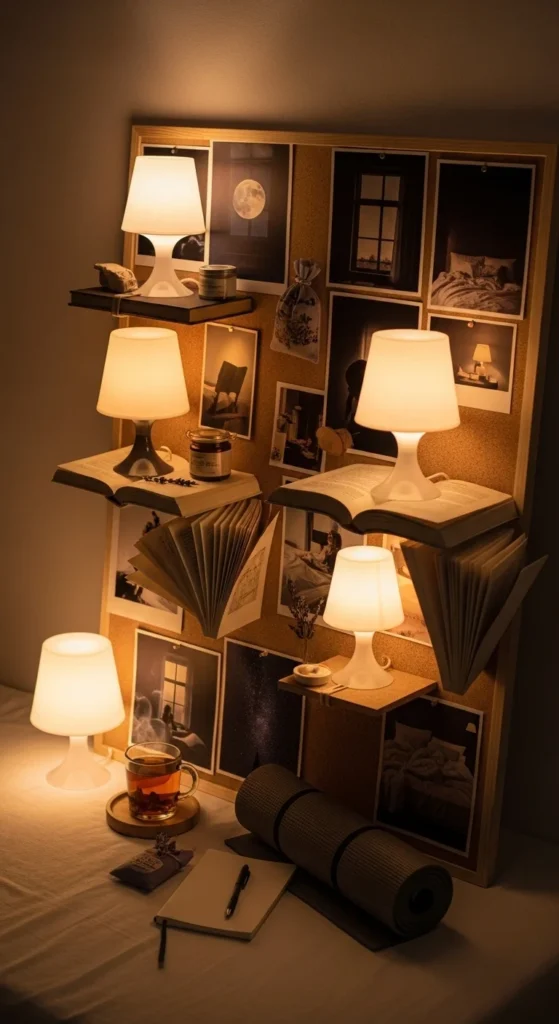
This board supports rest.
Use darker, muted images.
8. Simple Health Habits Board

Focus on habits, not outcomes.
Keep visuals realistic.
9. One-Line Layout Board
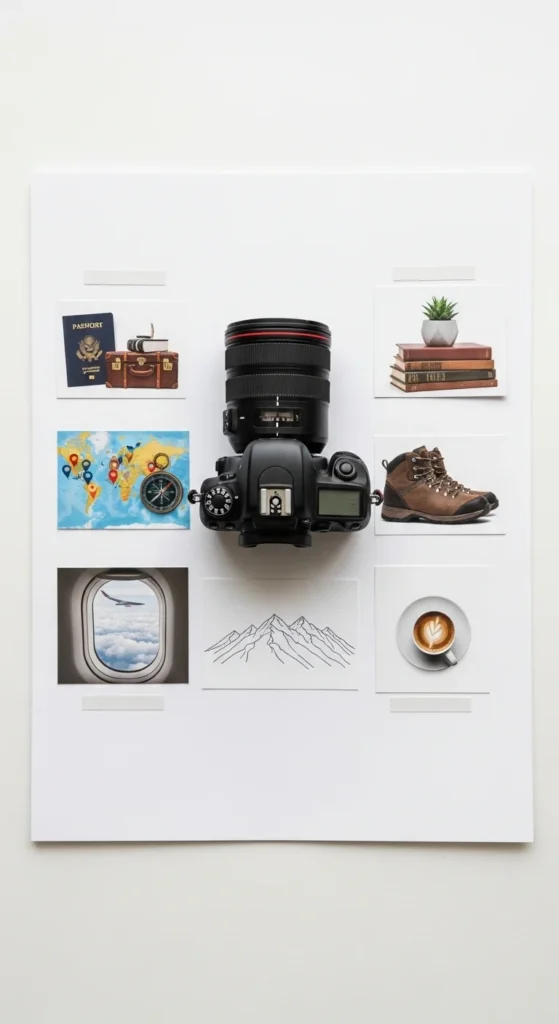
Straight lines feel organized.
Use equal spacing.
This board feels orderly.
10. Minimal Home Board
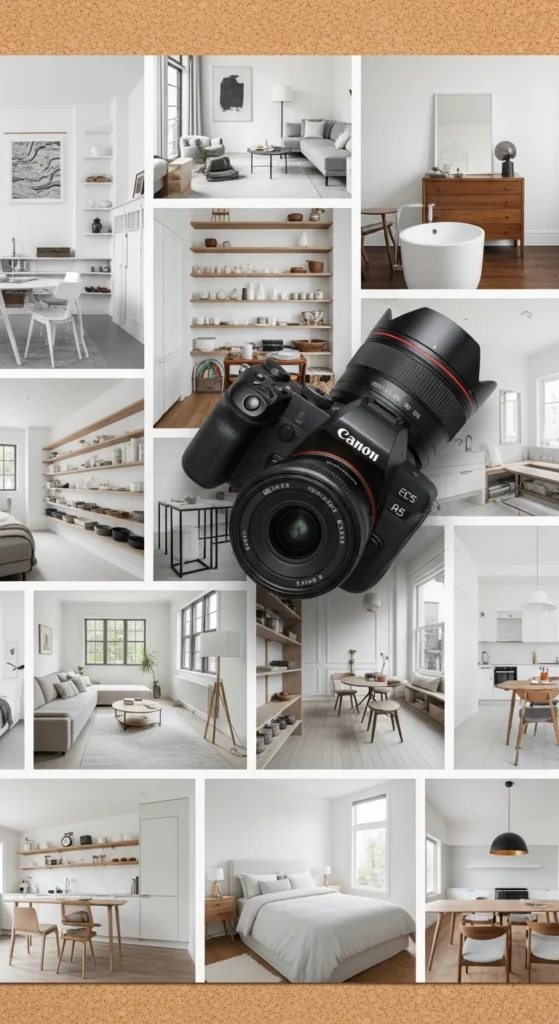
This board supports tidy spaces.
Choose uncluttered images.
11. Soft Shadow Board
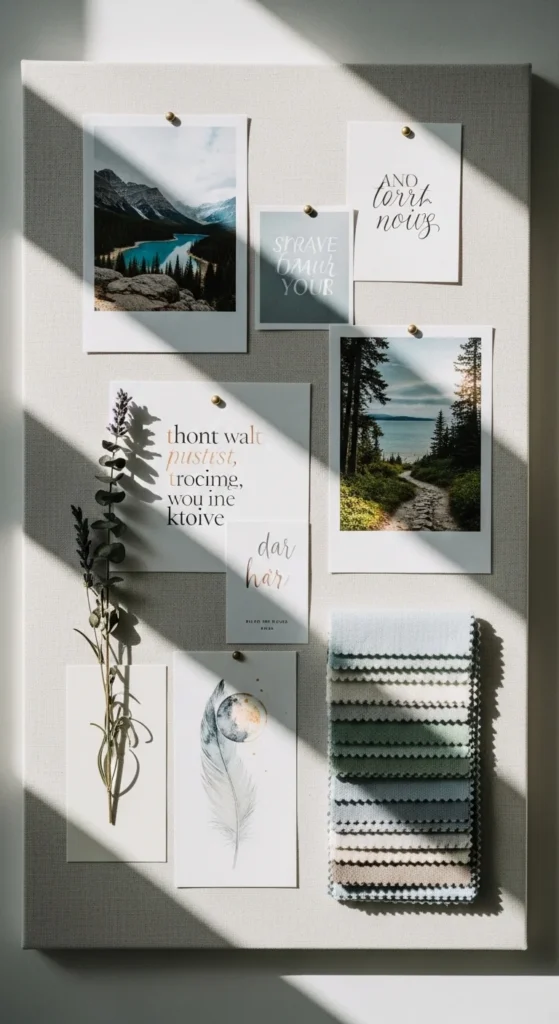
Shadows add depth without clutter.
Choose calm photos.
12. Clean Travel Board

Focus on calm travel, not landmarks.
Keep it simple.
13. Minimal Learning Board
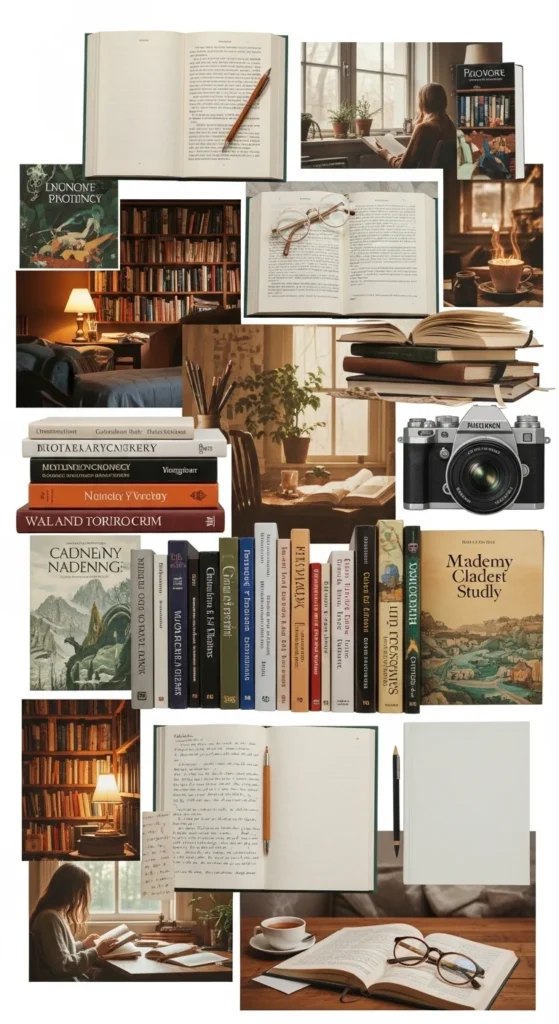
Learning feels easier with calm visuals.
Use two images only.
14. Neutral Fabric Board
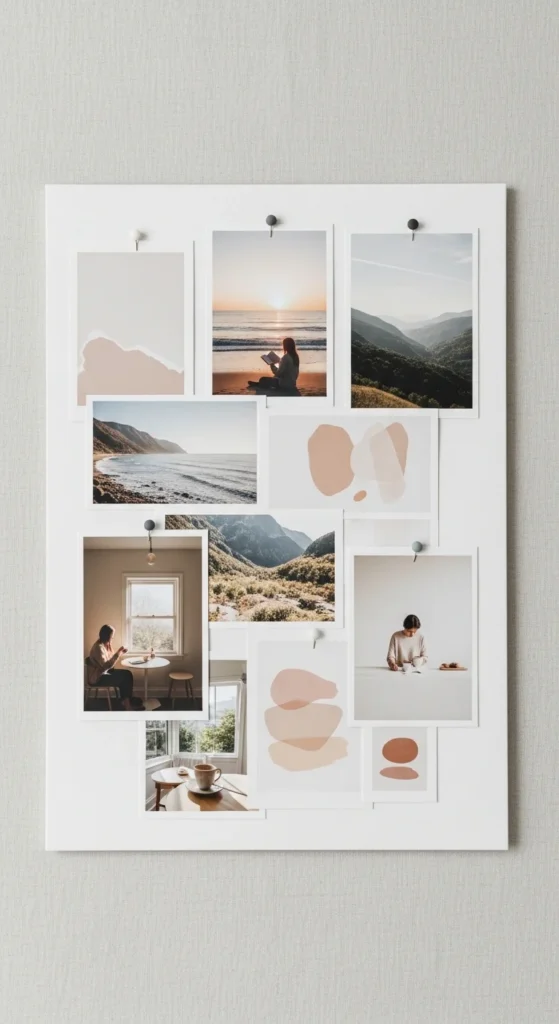
Fabric adds warmth without clutter.
Use scrap fabric.
15. Minimal Confidence Board
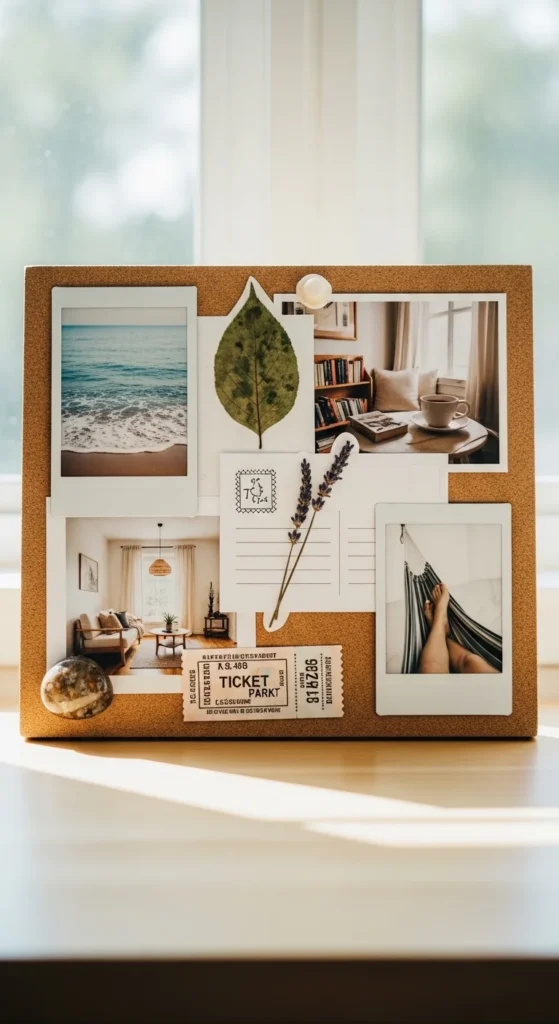
Confidence can feel quiet.
Choose subtle images.
16. Clean Routine Board
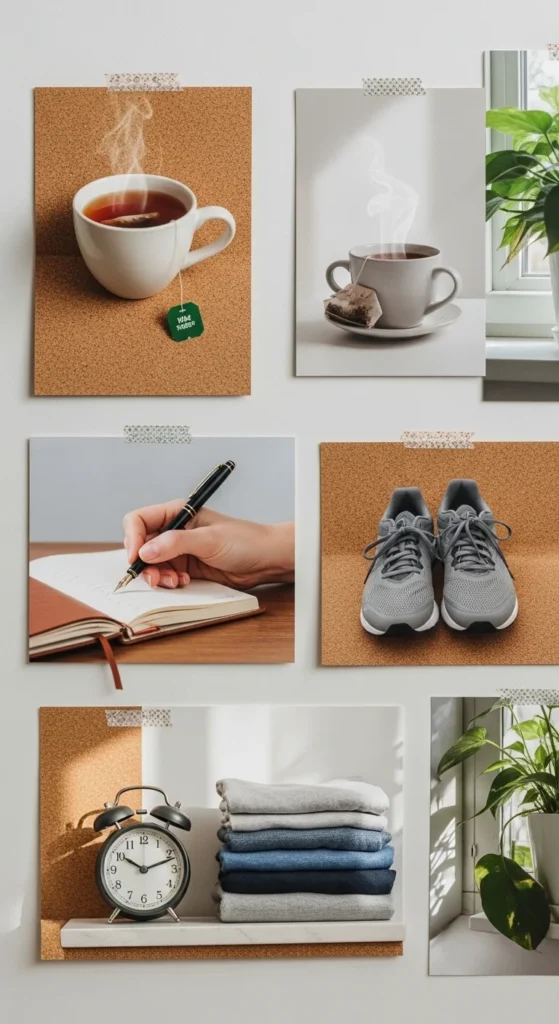
Routines build focus.
Keep visuals basic.
17. Simple Gratitude Board
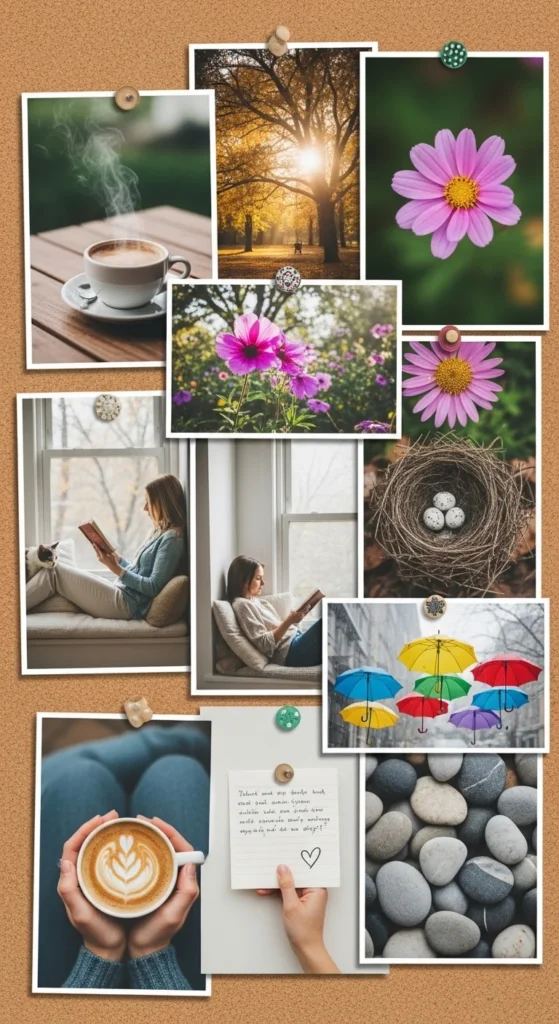
Gratitude does not need many images.
Choose one or two.
18. Minimal Balance Board
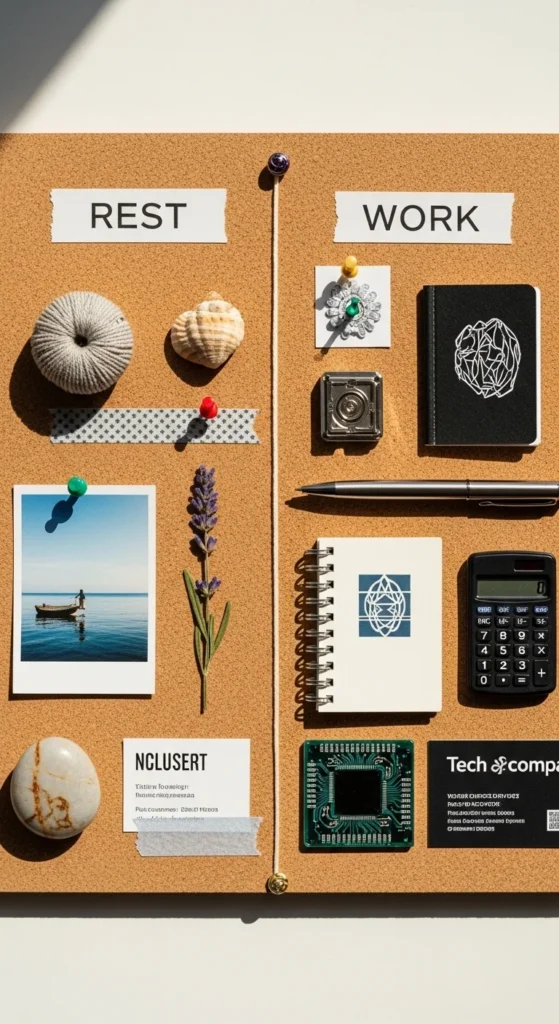
Balance feels clearer when visuals stay clean.
19. Clean Reset Board
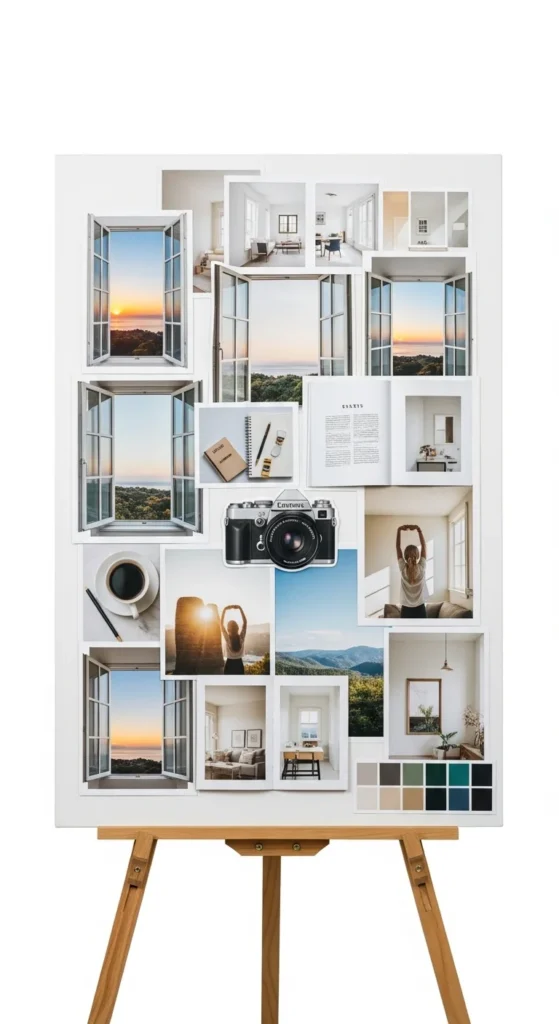
This board supports new beginnings.
20. Neutral Color Block Board
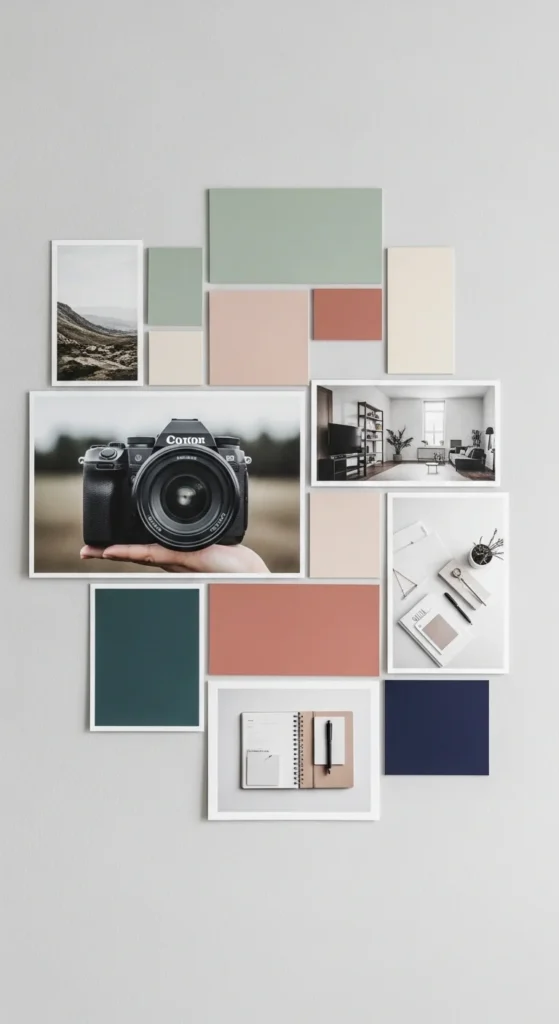
Color blocks guide mood gently.
Use paper scraps.
21. Minimal Nature Board
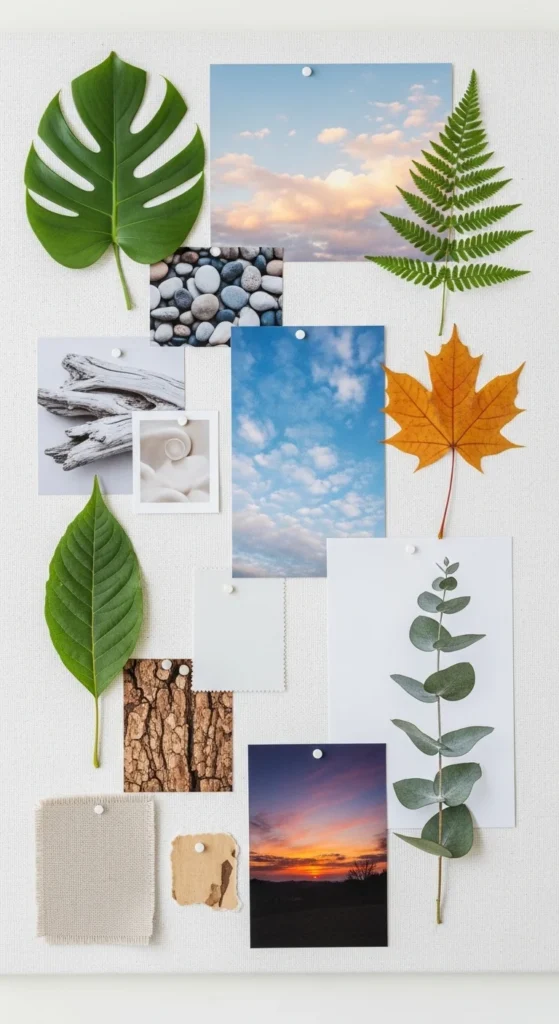
Nature calms the mind.
Keep it sparse.
22. Simple Action Board
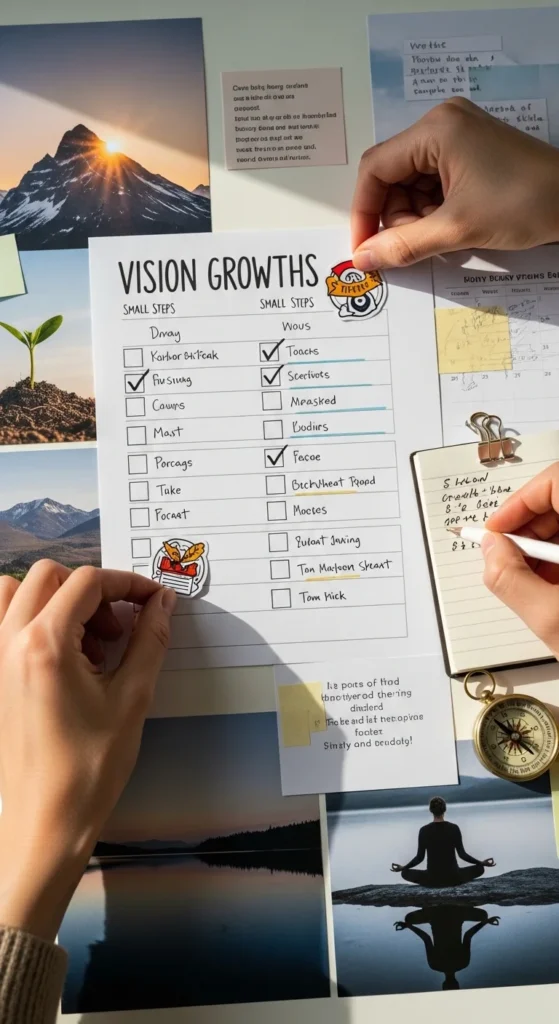
Action feels easier when visuals stay clear.
23. Minimal Memory Board
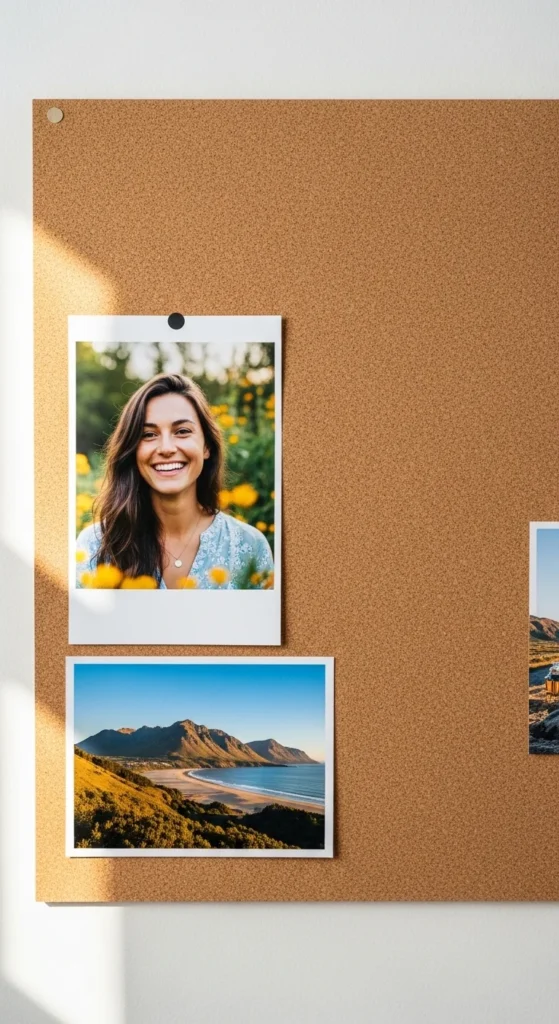
Memories feel stronger without clutter.
Print small photos.
24. Clean Long-Term Board
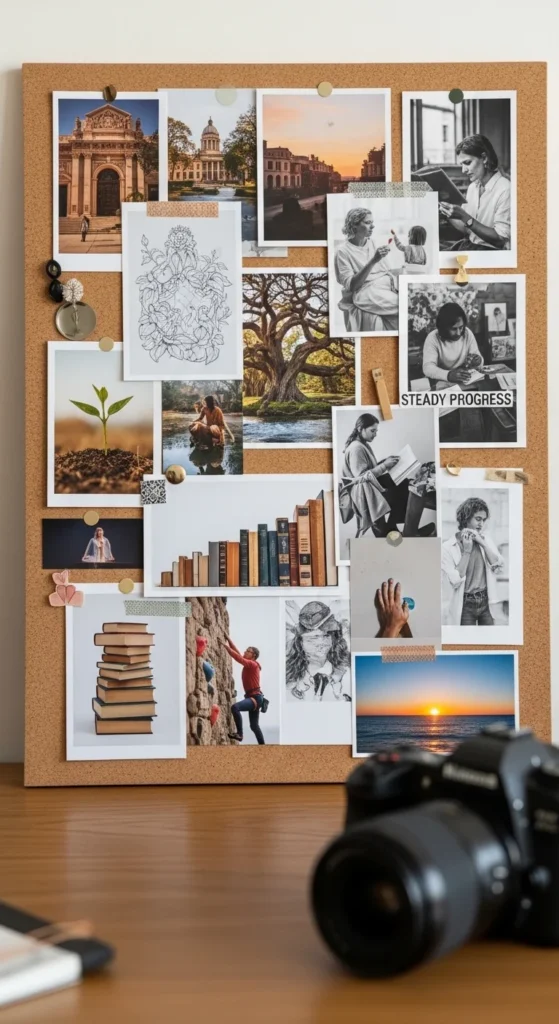
Long-term focus feels calmer with simple visuals.
Choose timeless images.
Conclusion
Minimalist vision boards help clear mental noise by keeping visuals intentional and calm. These ideas focus on space, simplicity, and realistic daily use. Choose one style that feels comfortable and fits your space. Use materials you already own. Keep images limited and spacing generous. When your board feels peaceful to look at, focus comes more naturally and stays with you longer.

Leave a Reply