

Have you ever listened to a podcast and thought, “I could do this!”? You’re not wrong. Starting a podcast today is easier than ever—and with the right strategy, you can turn your voice into income faster than you think. Whether you’re passionate about storytelling, business, lifestyle, or true crime, podcasting gives you a platform to connect with the world and earn from it.

Let’s break down how to start a podcast from scratch and begin monetizing it in record time—without expensive equipment or a massive audience.
Step 1: Find Your Niche and Voice
The most successful podcasts focus on a specific audience and a clear message. You don’t need to be an expert—just someone with valuable insights or relatable stories.
Ask yourself:
- What do I love talking about for hours?
- What problems can I help people solve?
- What tone fits me—educational, funny, motivational, or casual?
Popular niches include:
- Personal finance and side hustles
- True crime and mystery
- Health, fitness, and wellness
- Pop culture or lifestyle
- Business and entrepreneurship

Pro Tip: Focus on a niche with both passion and profit potential. For example, “budget travel hacks” or “productivity for freelancers” attract sponsors faster than general talk shows.
Step 2: Set Up Your Podcast Gear
You don’t need a fancy studio to sound professional. A few smart purchases and quiet surroundings will do the trick.
Basic setup checklist:
- Microphone: A USB mic like Blue Yeti or Samson Q2U works great.
- Headphones: Closed-back headphones prevent echo.
- Recording software: Free tools like Audacity or GarageBand get the job done.
- Quiet space: Record in a small, soft-furnished room to reduce echo.

Keep your editing simple. Trim out pauses and background noise. Add light background music for polish. If you want to level up later, you can outsource editing affordably on Fiverr or Upwork.
Step 3: Record and Launch Your First Episodes
Start strong with 3–5 episodes before your official launch. This helps new listeners binge your content and get hooked.
Tips for engaging recordings:
- Begin with energy—your intro should grab attention.
- Keep episodes between 20–40 minutes for easy listening.
- Use stories and examples to keep your audience connected.
- End every episode with a clear call-to-action (e.g., “Subscribe for more tips!”).
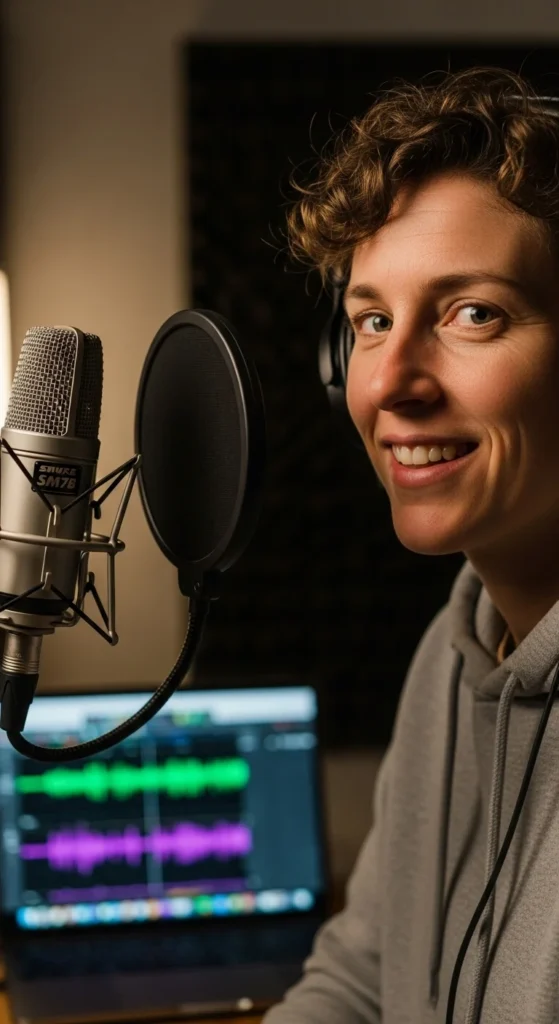
Once you’re ready, upload your episodes to hosting platforms like Spotify for Podcasters, Buzzsprout, or Podbean. They’ll automatically distribute your show to Spotify, Apple Podcasts, Google Podcasts, and more.
Step 4: Grow Your Audience
You can’t monetize without listeners—but building an audience doesn’t have to take years.
Try these quick-growth strategies:
- Promote on social media – Share short clips, quotes, and teasers on Instagram or TikTok.
- Collaborate with guests – Interview influencers in your niche. They’ll often share your episode with their audience.
- Post transcripts and blogs – Boost your SEO by repurposing your podcast content into blog posts.
- Engage your listeners – Create polls, Q&As, or shoutouts to build community.
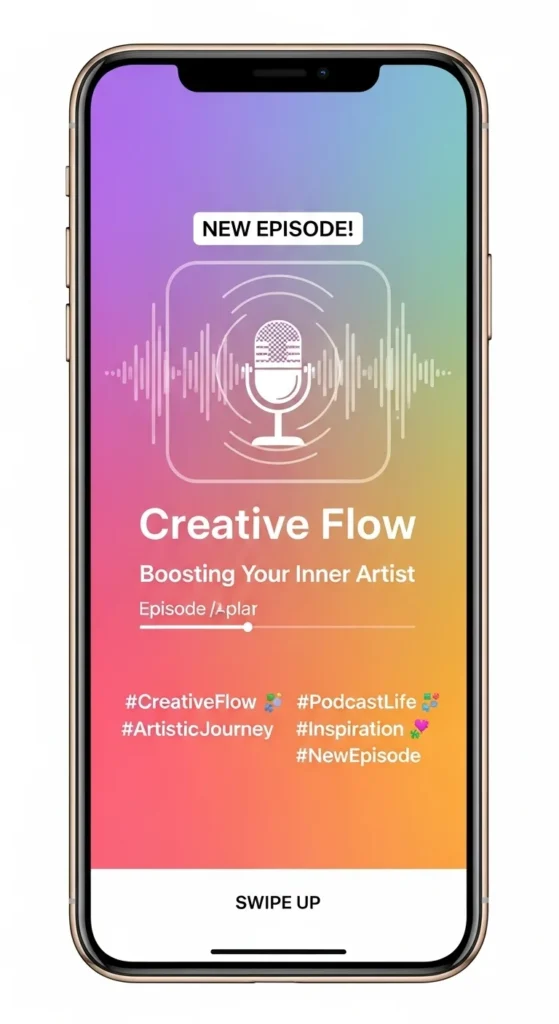
Consistency is key. Release episodes weekly (or biweekly) so your audience knows when to expect you.
Step 5: Monetize Your Podcast Fast
Now for the fun part—turning your content into cash. Even small podcasts can earn money once they’re consistent and niche-focused.
Here are five ways to monetize quickly:
- Affiliate marketing – Promote products you love and earn a commission per sale.
- Sponsorships – Partner with brands that fit your audience’s interests.
- Listener donations – Use platforms like Patreon or Buy Me a Coffee.
- Merchandise – Sell branded mugs, shirts, or digital downloads.
- Your own services – Offer coaching, digital products, or online courses.
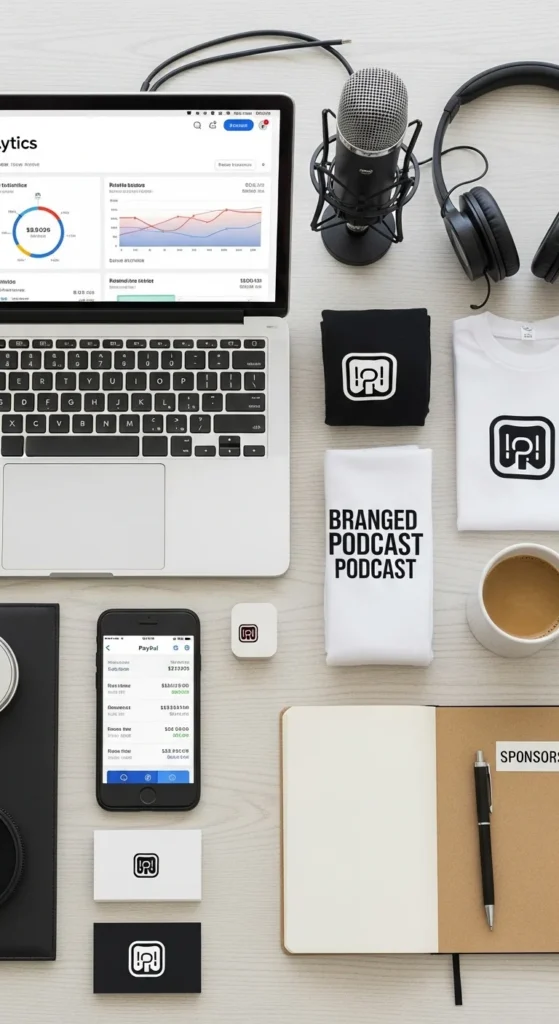
Pro Tip: Even without sponsors, affiliate links and digital products can help you earn passive income early on.
Step 6: Keep Improving and Expanding
Once your podcast gains traction, focus on refining your brand and expanding your income streams.
- Upgrade your gear for better audio quality.
- Launch a YouTube channel with video versions of your episodes.
- Collect listener feedback through surveys.
- Attend podcasting events or join creator communities.
Each episode you release builds trust and authority—making it easier to grow your audience and revenue over time.
Final Takeaway
Starting a podcast isn’t about perfection—it’s about showing up, sharing value, and staying consistent. With a clear niche, good sound, and smart monetization, your podcast can grow from a side hobby to a reliable source of income.

Leave a Reply