

In 2026, the print on demand space is more crowded than ever—but that also means opportunity. The difference between a design that gets ignored and one that sells daily comes down to clarity, niche focus, and emotional impact.
The truth? It’s not about making more designs. It’s about making smarter, more intentional designs that instantly connect with a specific audience.
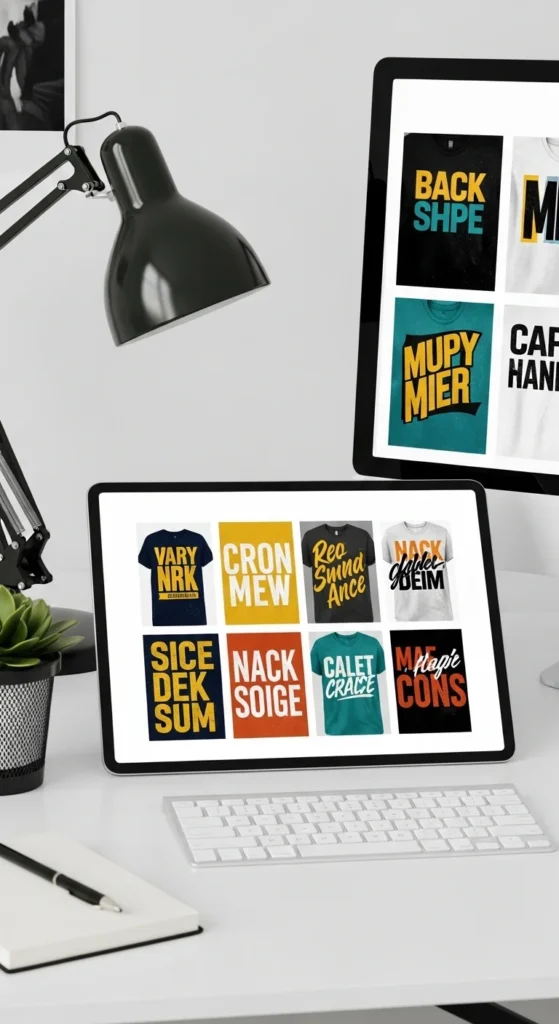
Let’s break down exactly how to create POD designs that stand out in 2026.
Step 1: Design for Micro-Niches, Not Broad Audiences
The biggest mistake beginners make is trying to design for “everyone.” In 2026, winning designs are built for micro-niches—small, passionate communities.
Think beyond general ideas like “fitness” or “pets”:
- Dog lovers of specific breeds (Golden Retriever moms, Husky owners)
- Gym niches (powerlifters, yoga beginners, marathon runners)
- Lifestyle groups (introverts, night shift workers, digital nomads)
Why this works:
- Strong emotional identity = higher conversion
- Less competition = easier ranking
- More repeat buyers in the same niche
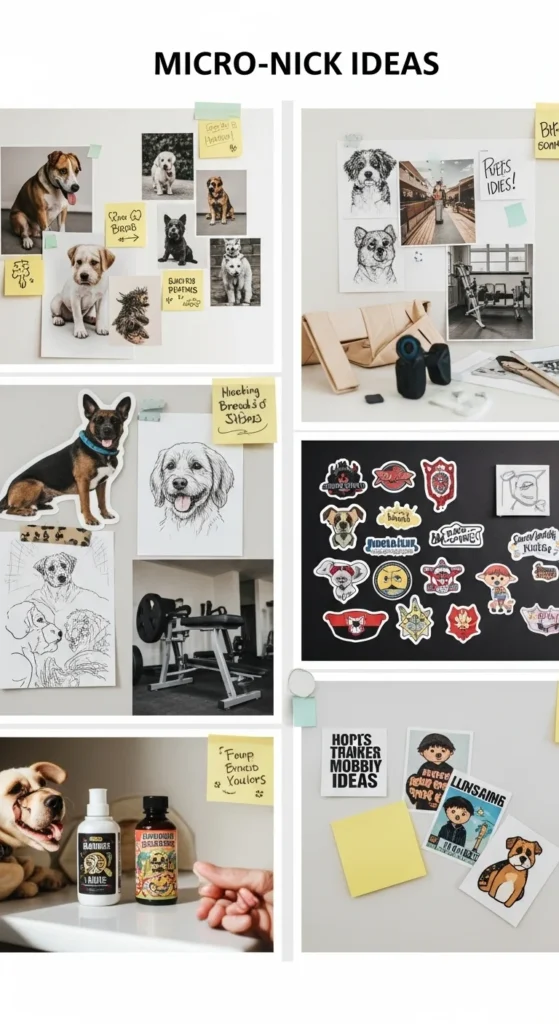
When you design for identity, you stop competing on price—and start competing on connection.
Step 2: Build a Consistent Design System
Top sellers don’t reinvent their style every time. They build a repeatable design system.
A strong system includes:
- One core color palette per niche
- A consistent typography style
- A recognizable layout structure
- Repeatable textures or graphic elements
This helps you:
- Scale faster without creative burnout
- Build brand recognition
- Maintain visual consistency across products
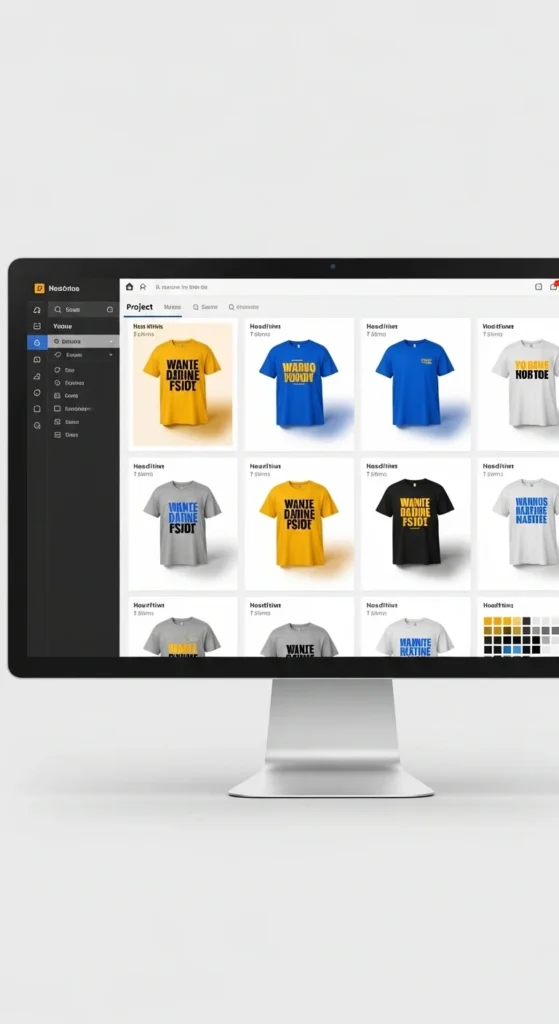
Think of it like a “visual formula” you can reuse again and again.
Step 3: Make Designs Thumbnail-Proof
Most customers will see your design on a small phone screen first, not in full detail. That means readability is everything.
To pass the thumbnail test:
- Use bold, simple fonts
- Avoid overcrowded layouts
- Increase contrast between text and background
- Keep messages short and impactful
Quick checklist:
- Can it be read in 2 seconds?
- Does it stand out when shrunk?
- Is the message instantly clear?
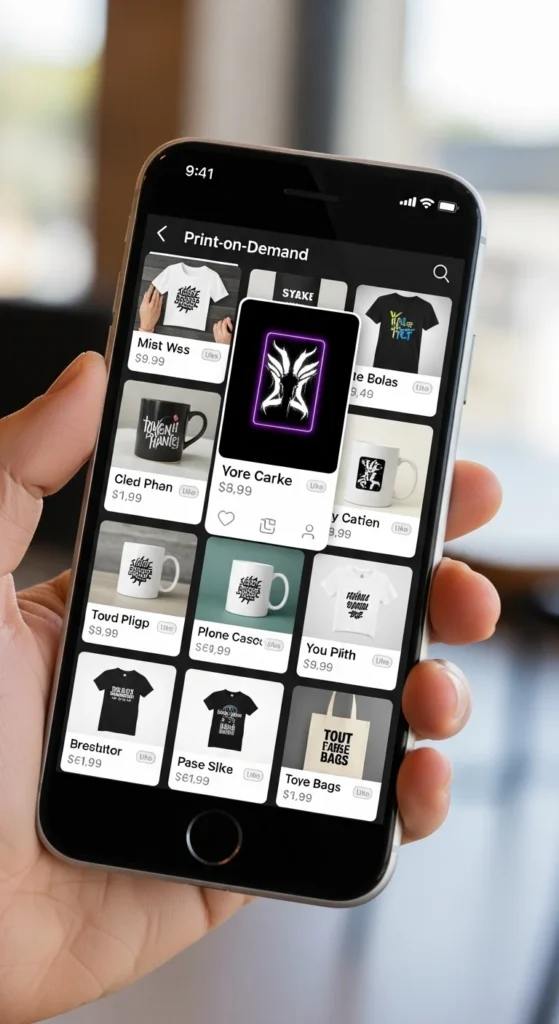
If it doesn’t pass the scroll test, it won’t sell.
Step 4: Use AI to Create Unique Visual Styles
AI tools have changed POD design forever. In 2026, top creators are using AI for idea generation and surreal design concepts, not just copying trends.
Winning AI-powered styles include:
- Dreamlike surreal mashups (animals + galaxies + objects)
- Retro-futuristic hybrids
- Emotional storytelling visuals
- Abstract minimalism with bold contrast
Tools like Kittl, Canva AI, and Midjourney help speed up creation—but your creativity decides the result.
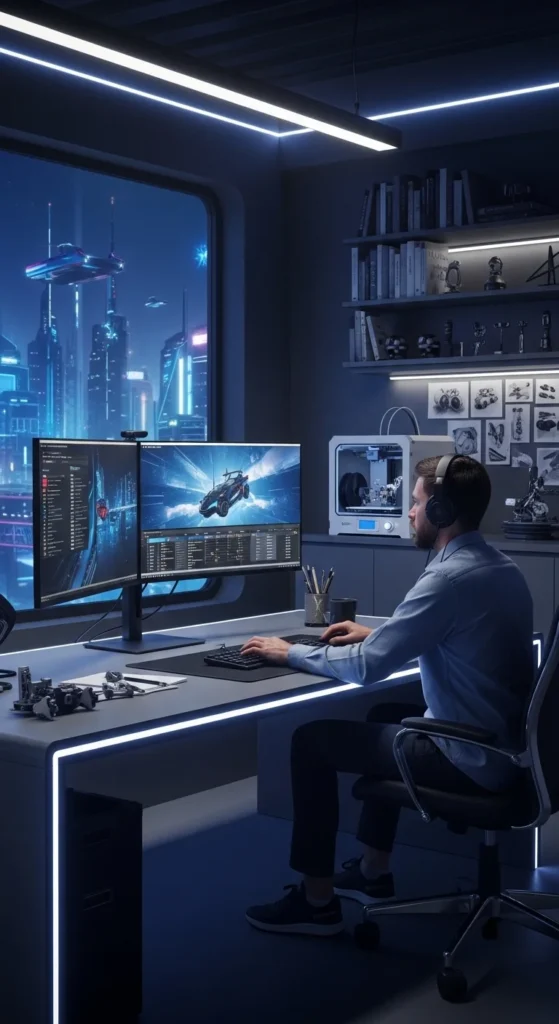
AI gives you speed. Your taste gives you profit.
Step 5: Focus on Emotional & Personalized Designs
In 2026, generic quotes are fading. Emotional, story-driven, and personalized designs are dominating.
Instead of:
- “Just Be Happy”
Try:
- “Built Different Since Day One”
- “Introvert, But Still Here”
- “Surviving on Coffee and Chaos”
Better yet, go hyper-personal:
- Event-based designs (birthdays, weddings, graduations)
- Relationship-based (best friends, couples, siblings)
- Identity-based humor
Why it works:
- Personal connection = higher willingness to pay
- Customers feel “seen”
- Stronger sharing potential
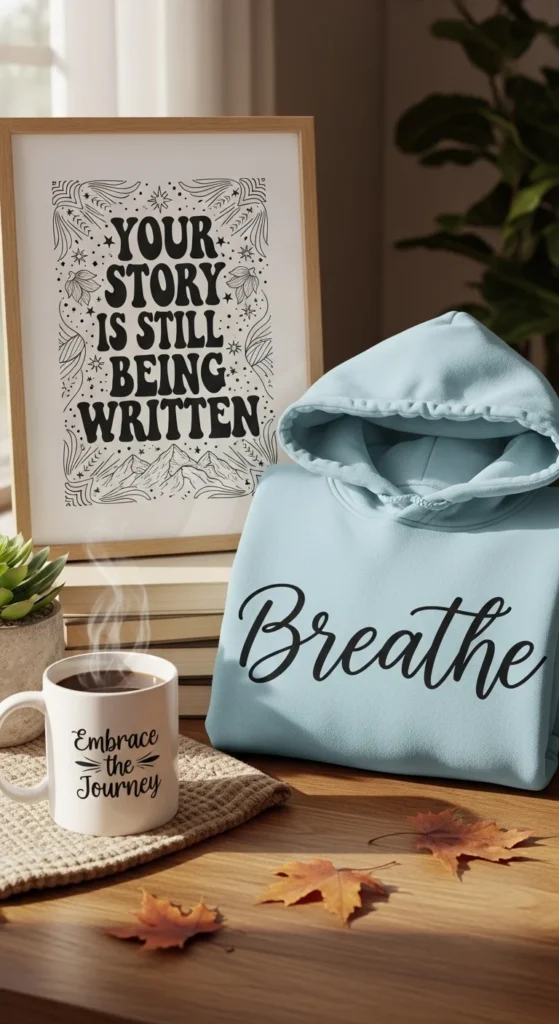
Emotion always outsells decoration.
Step 6: Validate Before You Scale
Don’t guess what will sell—test it.
Smart validation process:
- Upload 5–10 designs per niche
- Share previews in Reddit or Facebook groups
- Track engagement (likes, comments, saves)
- Double down only on winners
Also pay attention to:
- Which designs get clicks but no sales
- Which ones convert immediately
- Which styles get repeated attention
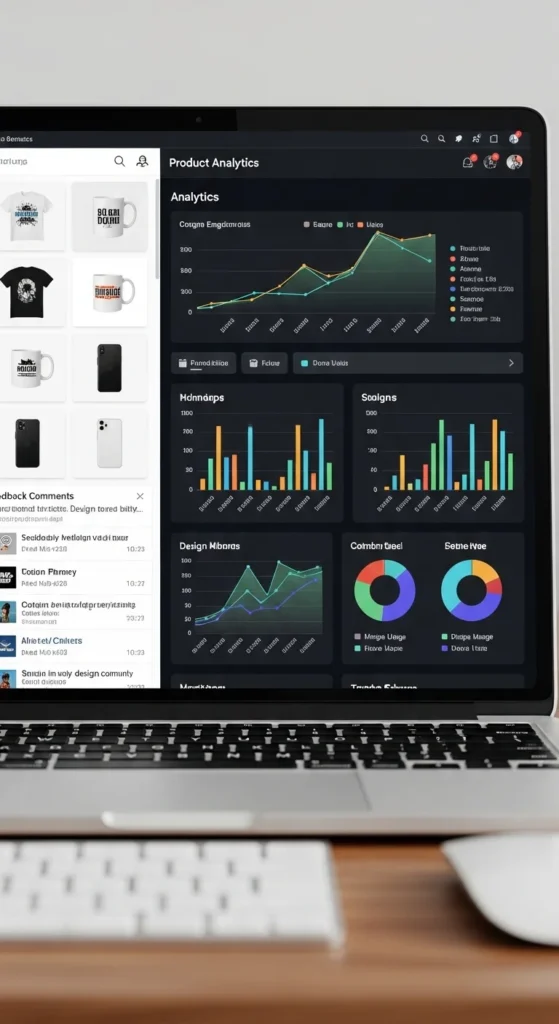
Data removes emotion from decision-making—and increases profit.
Final Thoughts
Standing out in print on demand in 2026 isn’t about being the most creative—it’s about being the most strategic.
Focus on:
- Micro-niches over broad markets
- Simple, repeatable design systems
- Thumbnail clarity and emotional impact
- AI-assisted creativity with human taste
- Real-world validation before scaling
When you combine these, your designs stop being “just products” and start becoming branded identity pieces people want to wear and share.
Save this strategy, refine your first niche, and start designing smarter—not harder.

Leave a Reply