

Imagine waking up, checking your phone, and seeing new sales rolling in—all while you were sleeping. That’s the appeal of print on demand. But here’s the truth: it’s not “easy money,” it’s smart system-building money.
If you approach it strategically, Print on Demand (POD) can become a scalable passive income stream powered by creativity, data, and automation.
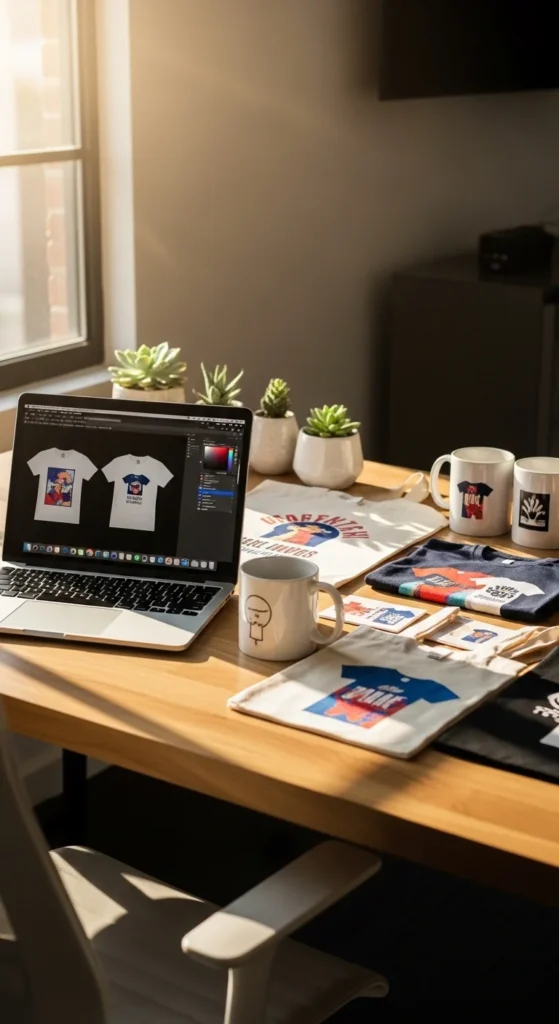
Let’s break down how to build it the smart way.
Step 1: Start With Profitable Niches (Don’t Design Blindly)
Most beginners fail because they design first and think later. Smart sellers do the opposite—they validate niches first.
Evergreen niches like pets, hobbies, fitness, or occupations tend to perform consistently because they don’t rely on short-term trends.
Here’s how to pick winners:
- Look for communities with strong identity (dog lovers, gym trainers, nurses)
- Check demand on Etsy, Pinterest, and Amazon listings
- Avoid overly saturated viral trends
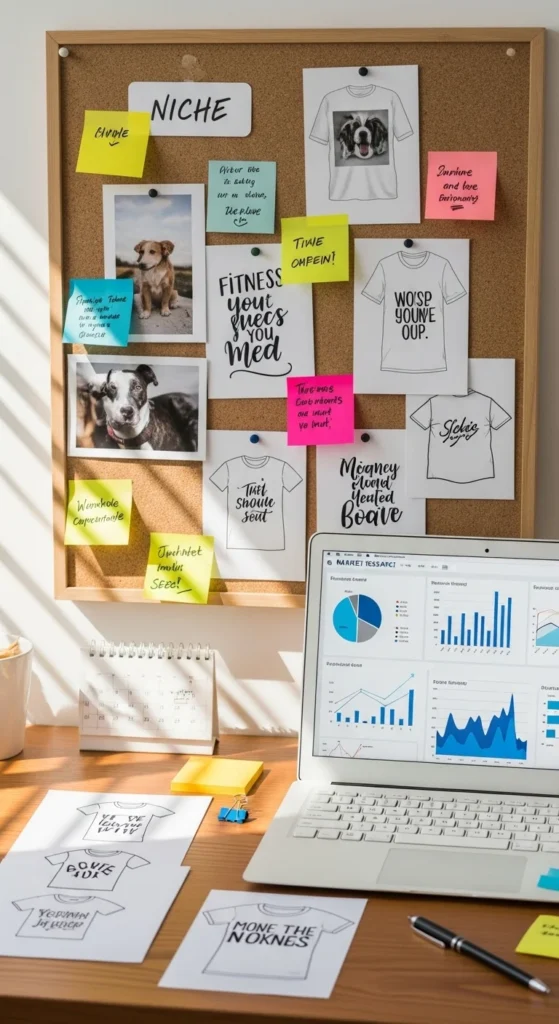
Think of niches as the “foundation” of your passive income house. If the foundation is weak, nothing scales.
Step 2: Create Designs That Actually Sell
Design quality beats design quantity every single time.
Instead of uploading 100 random designs, focus on 5–10 highly targeted, emotionally appealing designs.
Winning design principles:
- Simple, readable typography
- Emotion-driven quotes (funny, motivational, relatable)
- Trend-aware visuals without copying trends directly
- Clean, print-friendly graphics
Tools like Canva or AI design generators can speed things up, but the real secret is validation—ask:
Would someone proudly wear or gift this?

When your design connects emotionally, it sells repeatedly without extra effort.
Step 3: Choose the Right Print on Demand Platform
Your platform controls your quality, profit margins, and delivery speed. Choosing wisely is crucial.
Popular options include:
- Printful for premium quality and branding control
- Printify for wider supplier selection and competitive pricing
- Gelato for global fulfillment efficiency
Instead of rushing, compare:
- Product quality consistency
- Shipping time by region
- Base cost vs profit margin
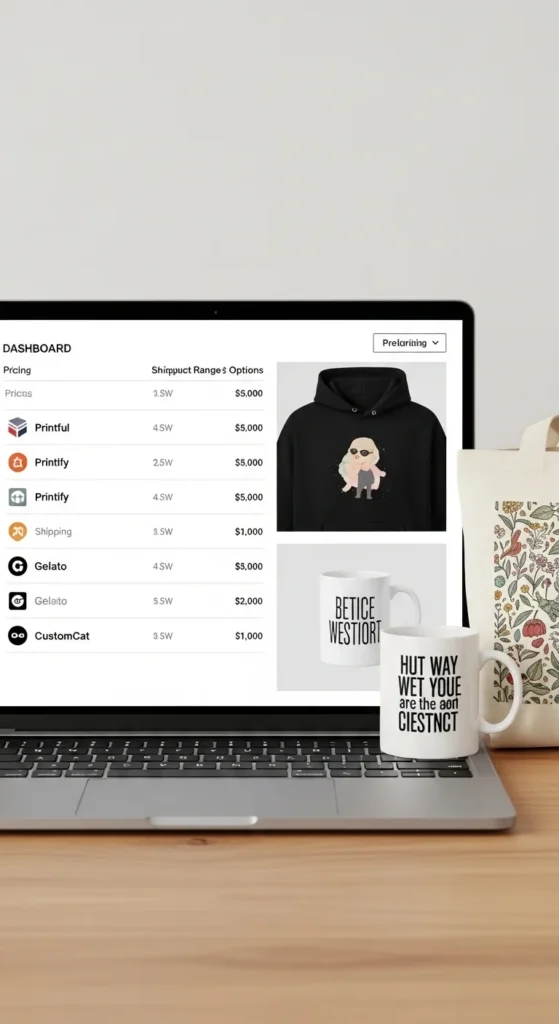
A smart seller doesn’t chase platforms—they choose systems that scale.
Step 4: Build a Branded Store, Not Just Listings
If you rely only on marketplaces, you’re building someone else’s business. A branded store gives you control, identity, and long-term value.
Shopify is a popular choice because it integrates easily with POD apps.
Your store should include:
- A clear niche-focused brand identity
- Clean product pages with lifestyle mockups
- Simple navigation (don’t overcomplicate it)
Think of your store as a “mini brand,” not just a shop.

When customers trust your brand, they buy more than once.
Step 5: Drive Free Traffic With SEO + Pinterest
The smartest POD sellers don’t rely heavily on ads—they focus on organic traffic systems.
Two powerful channels:
- Pinterest (visual discovery engine)
- SEO (Google + Etsy search optimization)
What works best:
- Keyword-rich product titles
- Pinterest pins linked to product pages
- Blog content targeting niche audiences
Consistency is key. One viral pin or ranking page can bring passive traffic for months.
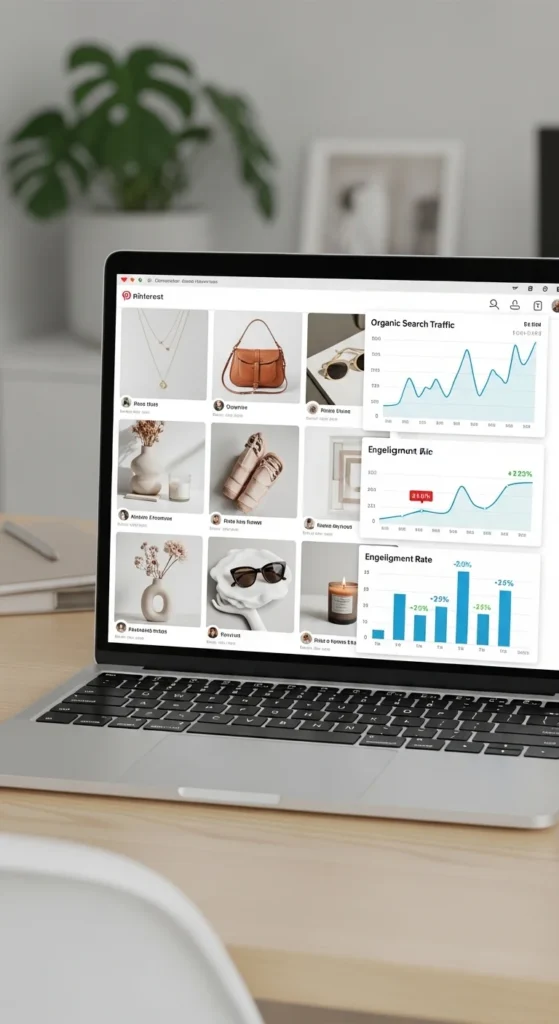
This is where “passive” truly starts to happen.
Step 6: Automate, Test, and Scale Slowly
Once you get your first sales, don’t rush. Instead, optimize.
Focus on:
- Scaling only winning designs
- Using automation tools for order fulfillment
- Testing 5–10 new designs at a time
- Tracking sales data weekly
Automation is what turns a side hustle into passive income:
- POD handles printing & shipping
- Tools manage orders and updates
- You focus only on design + strategy
Final Thoughts
Print on Demand isn’t a shortcut—it’s a system. When you combine niche research, smart design, the right platform, and organic traffic, you build something that can earn long after the work is done.
Start small. Validate fast. Scale only what works.
And remember—your first goal isn’t thousands of products. It’s a few winning designs that sell on repeat.
Save this strategy for later—and start building your POD system step by step.

Leave a Reply