


Self-care journaling is a quick way to steady your mood when life feels loud. You do not need a perfect routine or fancy supplies. A few lines on paper can help you notice what is working, what is draining you, and what would feel kinder right now. The best self-care pages are simple. They focus on small actions you can actually do today. Use these ideas as a menu. Pick one that matches your mood, write for five minutes, and stop. Over time, you will build a personal toolkit you can return to whenever you feel tired, stressed, or emotionally messy.
1. Three Things That Made Me Smile Today

Start with a short list. Write three small moments that made you smile. Keep them simple. A funny video. A good meal. A quiet moment after work.
Then add one line under each item explaining why it mattered. This trains your brain to notice good moments even on hard days.
Budget tip: use one pen only. No colors required. If you want a little decoration, draw a tiny circle or heart next to each item.
DIY example: keep a “smile page” running all week. Add three new smiles each day. On Sunday, read the full page and pick your favorite moment.
This idea is great when you feel low because it gives your mind something safe to hold. It also builds a record of joy you can revisit later.
2. Mood Weather Report
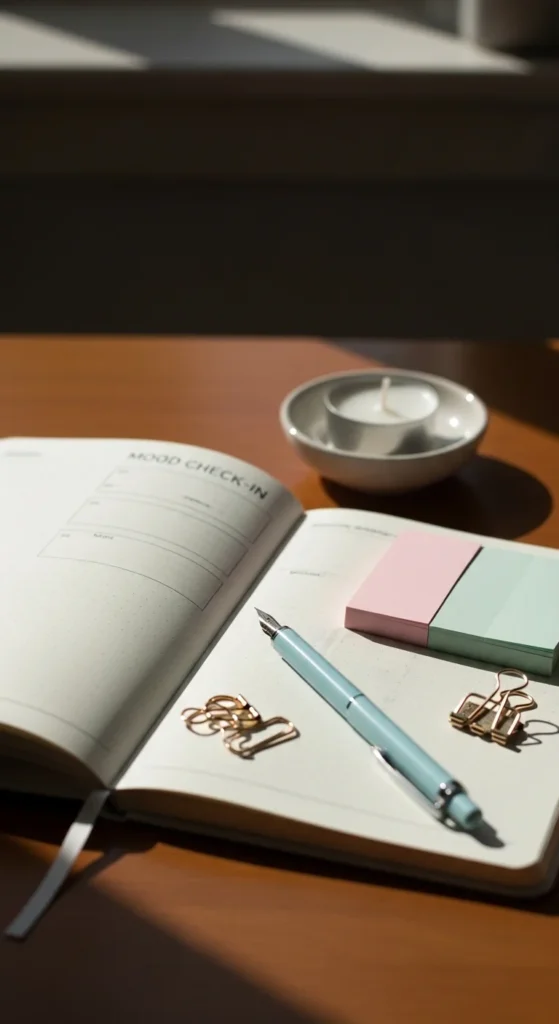
Describe your mood like weather. “Cloudy.” “Sunny with gusty anxiety.” “Foggy.” It makes emotions feel easier to name.
Write three lines:
- Weather today:
- What caused it:
- What could help:
Keep it honest. If you feel heavy, write it plainly. Then write one small comfort you can do within 10 minutes. Water. Stretch. A shower. A short walk.
Budget tip: no trackers required. Just words.
DIY example: draw a tiny cloud or sun icon beside the entry. Even stick figures work.
This prompt helps because it separates you from the feeling. You are not the storm. You are the person noticing the storm.
3. One-Minute Energy Score

Write: “Energy today: __/10.”
Then answer two quick questions:
- What raised my energy?
- What lowered my energy?
Do not overthink. Two short sentences are enough.
Budget tip: use a pencil so you can circle the score.
DIY example: color-code the score with one marker. Green for 7–10, yellow for 4–6, gray for 1–3. This gives instant insight without complicated charts.
After a week, look back. You may notice patterns. Late screen time. Skipped meals. Too many meetings. This simple score helps you adjust gently, not harshly.
4. Color Mood Map (No Art Skills Required)
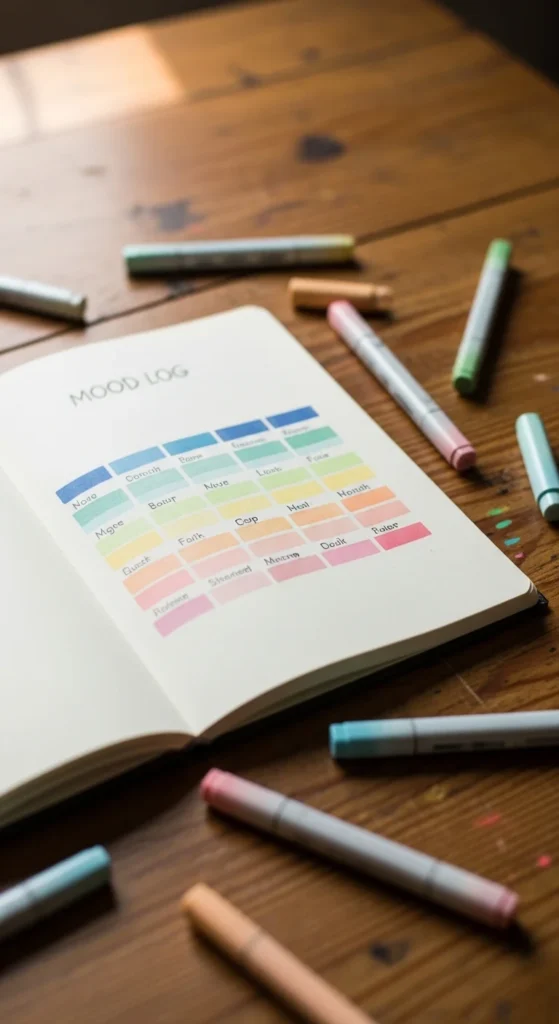
Draw seven small squares for the week. Choose one color per mood. Blue for calm. Orange for social. Purple for tired. Any system works.
Each night, fill one square with the color that matches your day. Add one word under it. “Restless.” “Hopeful.” “Flat.”
Budget tip: cheap highlighters are enough.
DIY example: if you only have one pen, use patterns instead of colors. Dots for calm, stripes for stress, waves for sadness.
This is fast, visual, and helpful when you do not want to write a lot. After a month, you will see what weeks feel heavy and what weeks feel lighter.
5. Tiny Wins Tracker
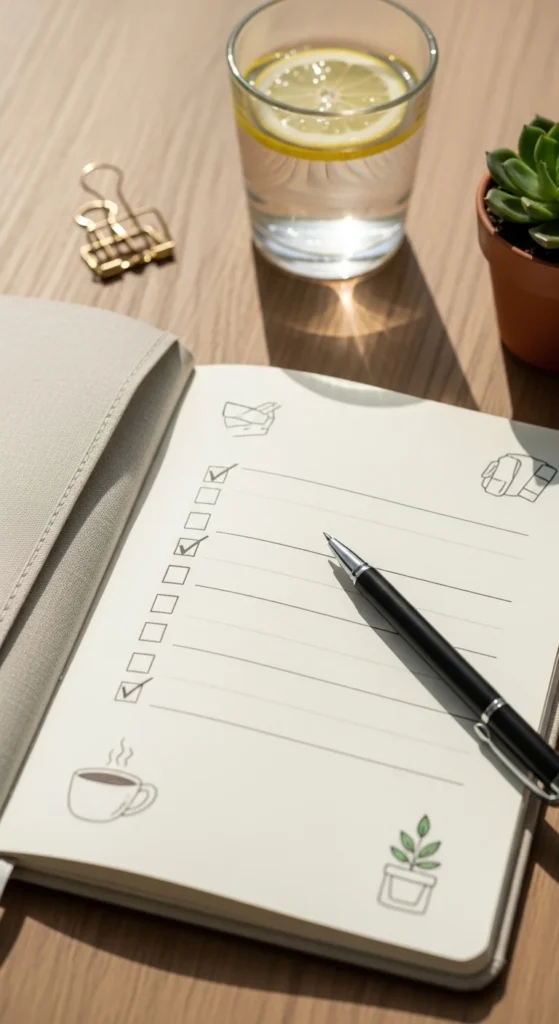
Write a short list called “Wins.” Then record 3–5 small wins from today. Make them realistic. “Answered emails.” “Took a shower.” “Cooked food.” “Did a 5-minute clean.”
Wins are proof that you are moving.
Budget tip: use simple bullet points.
DIY example: add a “win jar” section. Each win gets a tiny drawn jar line. You are filling it daily.
When your mind says you did nothing, this page disagrees. It is also useful on low-energy days because it teaches you to count small progress as real progress.
6. Self-Love Letter (Short Version)
Write to yourself like you would write to a friend. Keep it short. Start with: “Dear me…”
Include three parts:
- What I am dealing with:
- What I respect about myself:
- What I will do next:
Example: “I am tired. I still showed up. Tonight I will rest and eat something simple.”
Budget tip: plain notebook paper works.
DIY example: write the letter on a sticky note and place it where you see it.
This is powerful when self-talk gets harsh. It replaces inner criticism with calm support.
7. Future-Me Postcard
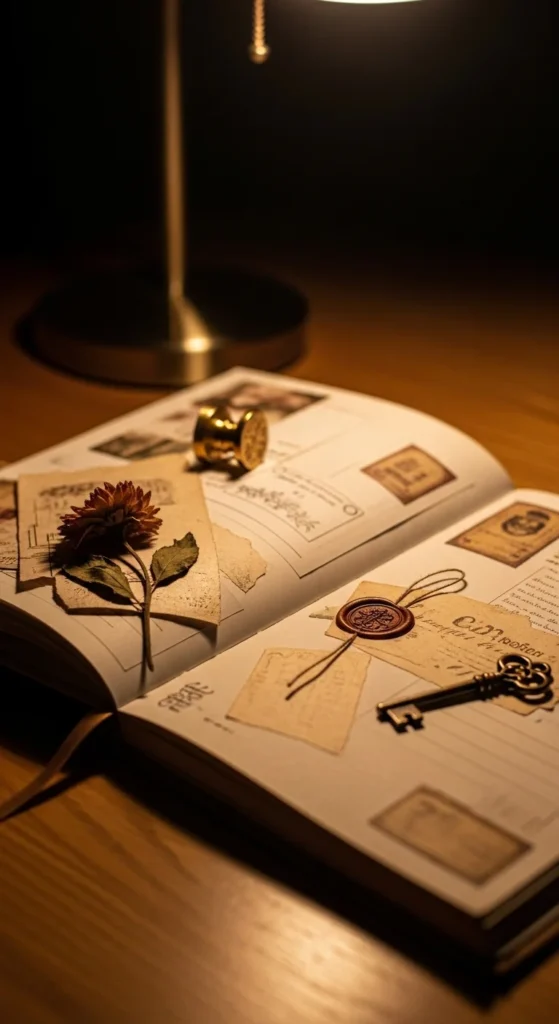
Pretend you are writing a postcard to yourself one month from now. Keep it friendly and light.
Write:
- Where I am today:
- What I hope you remember:
- One small promise:
Budget tip: cut a rectangle from scrap paper and glue it in like a postcard.
DIY example: decorate the edges with washi tape or magazine scraps.
This page helps you zoom out. It can soften panic because it reminds you that time moves and feelings change.
8. “No More Yes” Boundary Page

Write three headings:
- What drains me:
- What I will say no to:
- What I will protect:
Be specific. “Answering messages late at night.” “Taking calls during lunch.” “Over-explaining my decisions.”
Budget tip: one page only. No planners required.
DIY example: create a “boundary script” line you can reuse. Example: “I can’t do that, but I can do this.” Write it and practice it.
This helps prevent burnout because it turns vague stress into clear choices.
9. My Non-Negotiables List

Write 5 non-negotiables that support you. Keep them small and doable. Sleep by a certain time. Drink water. Walk for 10 minutes. Eat a real meal.
Budget tip: use a cheap notebook and keep this page at the front.
DIY example: put a box beside each non-negotiable and check it off daily.
This page is helpful when life feels chaotic. It gives you a simple baseline to return to.
10. Body Appreciation Scan

Write three things your body did for you today. Not how it looks. What it did.
Examples:
- My legs carried me.
- My lungs kept breathing.
- My hands made food.
Then write one comfort action for your body. Stretch shoulders. Warm shower. Lotion on hands.
Budget tip: no products required. A slow breath counts.
DIY example: outline a simple body shape and write the notes around it. Stick figure is fine.
This helps shift your focus from criticism to gratitude in a real, grounded way.
11. Stress Trigger Audit
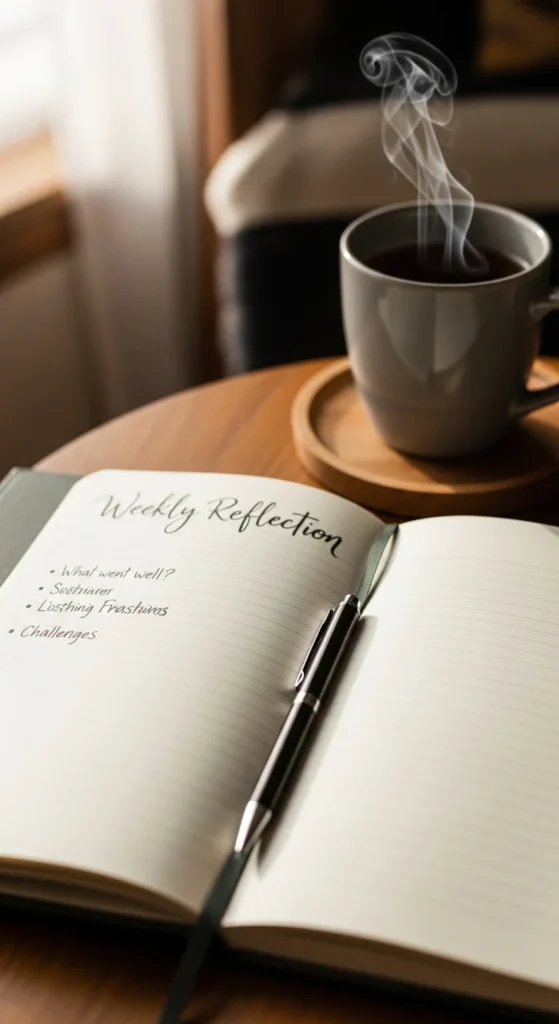
Write:
- Trigger:
- What happened right before:
- My reaction:
- What I can try next time:
Keep it short. This is not about blame. It is about patterns.
Budget tip: do this once a week, not daily, if it feels heavy.
DIY example: highlight the “right before” line. That is often where the pattern hides.
This page helps you feel more in control because you can prepare for situations instead of being surprised by them.
12. Five-Minute Mind Dump

Set a timer for five minutes. Write everything on your mind. No grammar. No order.
When the timer ends, draw two circles:
- What I can control
- What I can’t control
Put one worry into each circle.
Budget tip: use scrap paper if you do not want it in your journal.
DIY example: tear the “can’t control” section and throw it away.
This clears mental clutter fast. It also reduces the loop of repeating the same worries.
13. Affirmation Bank for Tough Days

Create a list of 10 phrases you can read when you feel low.
Examples:
- “I can do one small step.”
- “This feeling will pass.”
- “I am learning.”
Budget tip: write it once and reuse it.
DIY example: copy the best three onto a sticky note and keep it on your mirror.
This page becomes an easy rescue tool. When your mind is loud, reading simple phrases can calm your nervous system.
14. Rest Ritual Planner

Plan a short rest routine for tonight. Keep it realistic.
Write:
- What time I will stop screens:
- One calming activity:
- One small comfort:
Examples: shower, stretch, music, tea, reading.
Budget tip: free options work best. Stretching and dim lights cost nothing.
DIY example: draw a small checkbox beside each step. Checking them feels satisfying.
This makes rest feel like a real plan instead of a vague wish.
15. Joy Spark Tracker
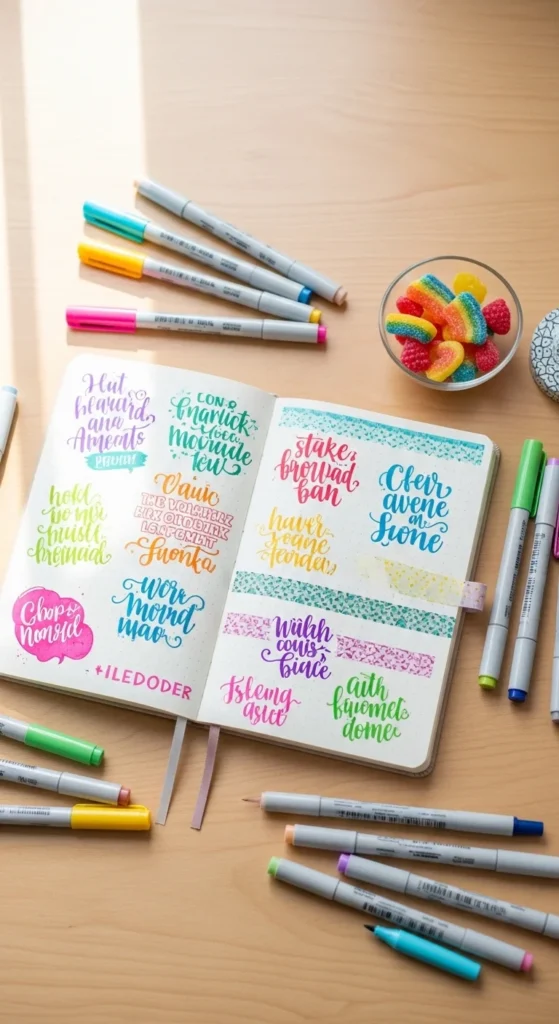
Write a list called “Joy sparks.” Add anything that brings quick joy. Music, sunlight, funny videos, warm socks, tidy space.
Then pick one spark and schedule it for tomorrow.
Budget tip: choose free sparks. A walk, a song, a short call.
DIY example: make a “joy menu” page and circle one item daily.
This page helps when life feels dull. It reminds you that joy can be planned in small doses.
16. Feelings Check-In (Name It Simply)
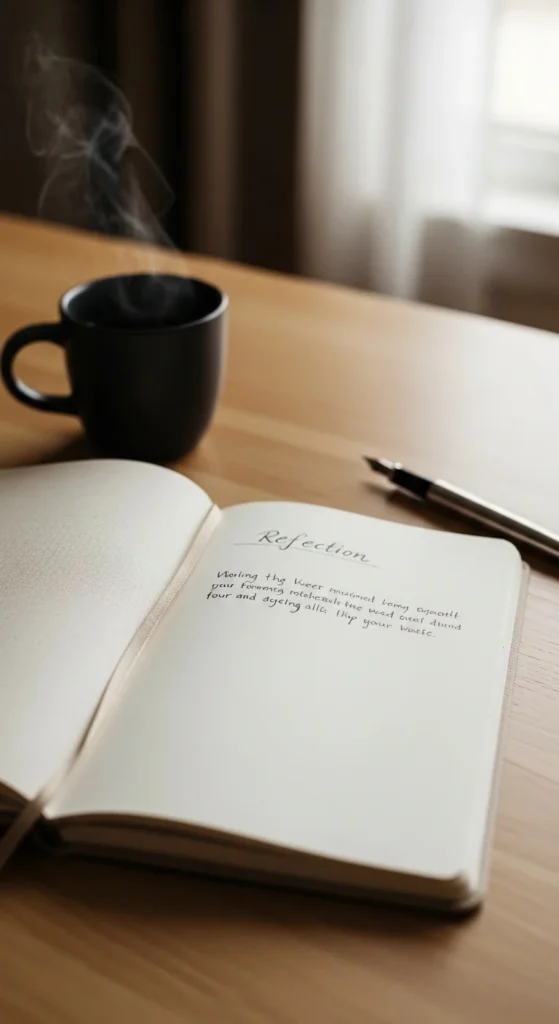
Write:
- I feel:
- I want:
- I need:
Use simple words. “Tired.” “Annoyed.” “Nervous.” Then one sentence for each line.
Budget tip: one line per prompt is enough.
DIY example: draw three small icons beside the lines (heart, star, cup) to make it feel lighter.
Naming emotions reduces confusion. It also helps you respond with care instead of reacting blindly.
17. Nature Gratitude Entry

Write about one thing in nature you noticed today. Wind, clouds, sunlight, rain, trees.
Then add a sensory detail. What did you see? Hear? Smell?
Budget tip: you do not have to go outside. A window view works.
DIY example: tape in a small leaf or draw a simple branch in the corner.
Nature reflection helps ground you when thoughts race.
18. Micro-Step Goal Page
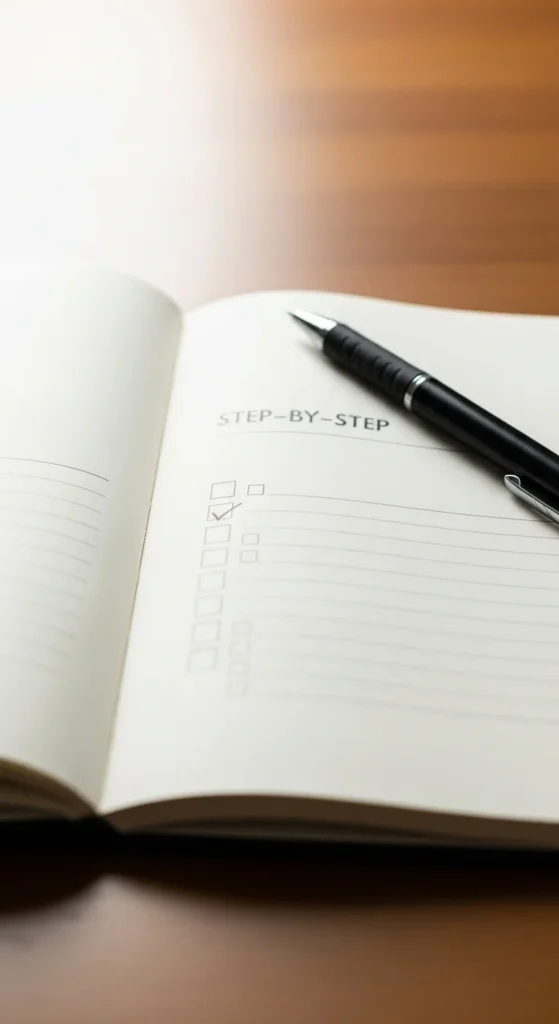
Pick one goal that feels heavy. Then break it into micro-steps.
Example: “Clean room” becomes:
- Pick up clothes
- Clear one surface
- Take out trash
Budget tip: write steps on scrap paper and cross them out.
DIY example: draw tiny boxes for each micro-step and shade them as you go.
Small steps reduce overwhelm. They also create quick progress you can see.
19. Digital Detox Reflection

Write:
- How much time did I spend on screens today?
- How did it make me feel?
- What would feel better tomorrow?
Then choose one small rule for tomorrow. Example: phone away during meals.
Budget tip: use airplane mode. Free and simple.
DIY example: track “screen-free hour” with a single checkbox.
This page helps you reclaim attention and reduce mental noise.
20. Self-Forgiveness Page

Write about one thing you regret. Keep it short.
Then write:
- What I learned:
- What I would tell a friend:
- What I will do differently:
End with one sentence of forgiveness. “I made a mistake, and I am still worthy of care.”
Budget tip: write this once a week, not daily.
DIY example: draw a small “release” symbol like a simple open hand.
This helps reduce guilt loops and allows mental space for growth.
21. Loving-Kindness Script (Self First)

Write three lines:
- May I be safe.
- May I be calm.
- May I be kind to myself.
Repeat them slowly as you write.
Then write one way you can show kindness today. A break. A meal. A slower pace.
Budget tip: no meditation app required.
DIY example: write the lines in a small box and return to it anytime.
This is simple, soothing, and quick.
22. Sensory Comfort List (Five Senses)

Create five headings: sight, sound, smell, taste, touch.
Under each, list one comfort you can access easily.
Examples:
- Sound: a calm playlist
- Taste: warm tea
- Touch: soft blanket
Budget tip: use what you already own.
DIY example: circle one comfort to use today.
This page works fast because senses directly affect mood.
23. Hydration + Movement Mini Log
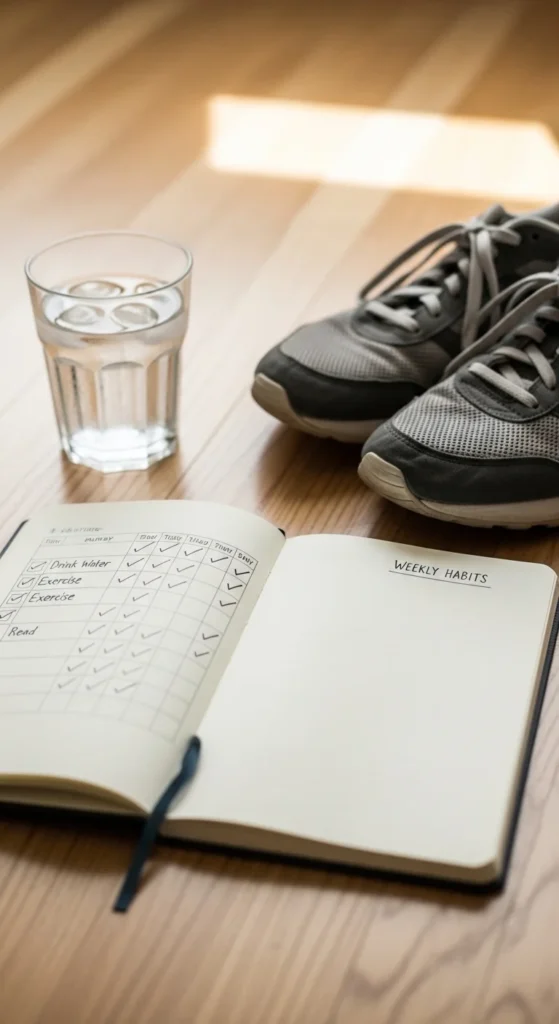
Write two quick lines:
- Water: __ cups
- Movement: __ minutes
Then write one sentence about how you feel after water or movement.
Budget tip: walking counts. Stretching counts.
DIY example: draw a tiny droplet icon and a tiny shoe icon and shade them when done.
This links body care with mood in a simple, practical way.
24. “What I Can Control Today” List

Write two columns:
- I can control:
- I can’t control:
Keep it short. Then pick one action from the control column and do it.
Budget tip: this is free clarity.
DIY example: highlight the one action you will take.
This reduces anxiety by narrowing focus to what is real and doable.
25. Pleasure Planner (Small Delight Scheduled)

Write one small delight you will plan for tomorrow. A favorite snack. A short walk. A hot shower. A quick call with someone you trust.
Then write when you will do it.
Budget tip: choose delights that cost nothing.
DIY example: draw a tiny calendar icon next to it.
Planning pleasure gives your brain something to look forward to.
26. Bounce-Back Bank (Proof of Strength)

Write about one time you got through something hard.
Keep it short:
- What happened:
- What I did:
- What I learned:
End with: “I handled it then. I can handle this now.”
Budget tip: one paragraph only.
DIY example: add a small star next to the strongest line.
This page builds confidence when you feel shaky.
27. Doodle Detox Page
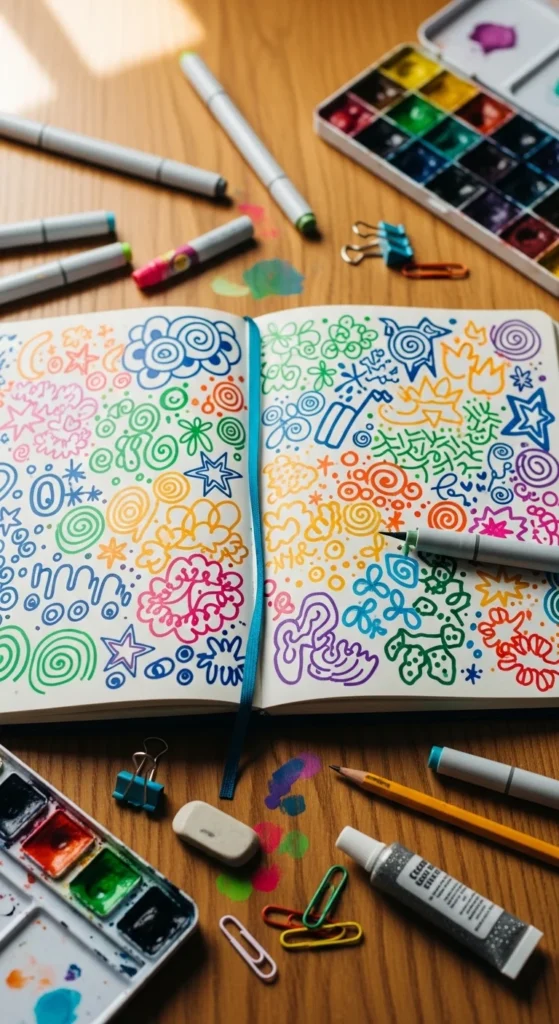
Fill a page with doodles. No rules. Circles, waves, scribbles, tiny shapes.
Then add one short sentence about how you feel.
Budget tip: a single pen works. Patterns create interest without color.
DIY example: set a timer for three minutes and doodle nonstop.
Doodling can calm the nervous system because it gives your hands a gentle task while your mind slows down.
28. Printable Self-Care Template Page (DIY Version)
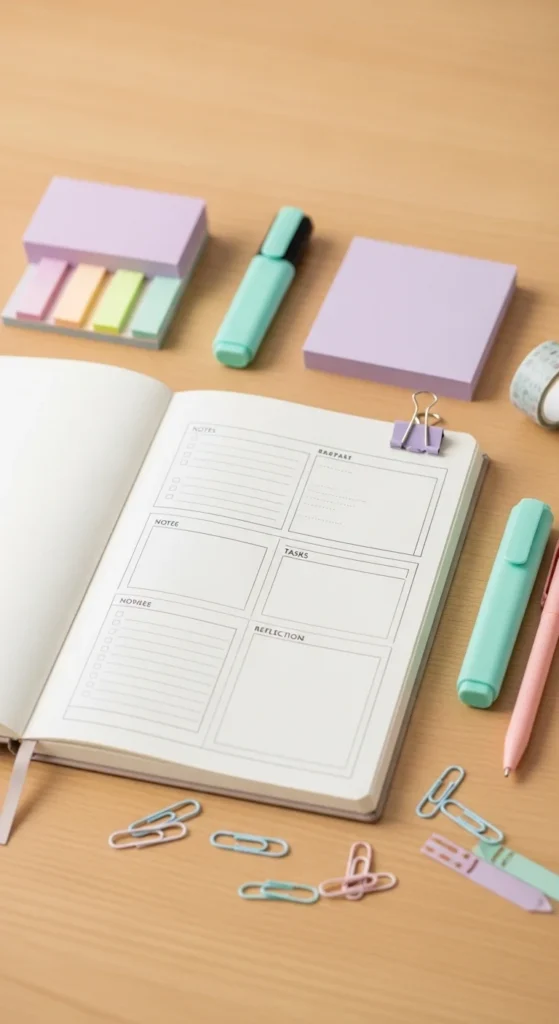
If you like structured pages, make your own “printable” by drawing a simple template once and copying it weekly.
Include:
- Mood today:
- One win:
- One kindness to myself:
- One boundary:
- One rest plan:
Budget tip: use tracing paper or take a phone photo and redraw it quickly.
DIY example: keep a master template on the first page of your journal. Use it like a reusable guide.
This makes self-care journaling simple and repeatable without buying anything.
Conclusion
Self-care journaling works best when it feels easy and kind. You do not have to write long entries or create perfect pages. Pick one idea that fits your mood today. Write for five minutes. Then stop. Over time, these small pages become a personal record of what helps you feel steadier, safer, and more supported. Start tonight with one prompt, and let the habit grow naturally from there.

Leave a Reply