

Have you ever dreamed of turning your kitchen into a mini soap studio and earning extra cash from your creations? Making and selling handmade soap is a rewarding, low-cost side hustle that blends creativity with business potential. Whether you love experimenting with scents or enjoy crafting beautiful bars, soap-making can grow from a hobby into a thriving income stream.
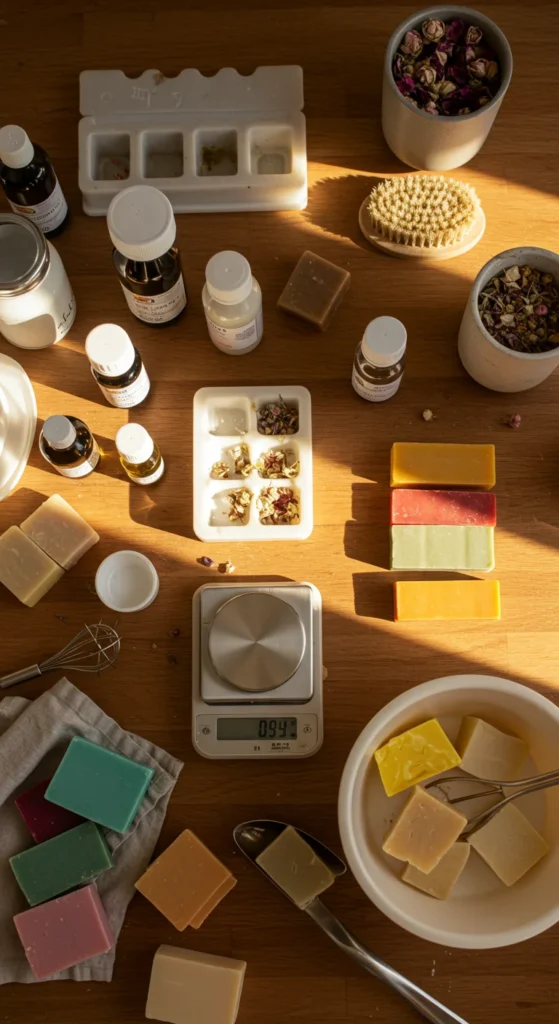
In this guide, we’ll walk through the steps to make soap at home — and how to turn it into a profitable handmade business.
Choose Your Soap-Making Method
Before diving in, decide which soap-making method suits your goals and comfort level. Each technique has its pros and learning curve.
1. Melt and Pour (Beginner-Friendly)
- Start with a pre-made soap base.
- Melt it, add your scents and colors, then pour into molds.
- No lye handling required.
- Perfect for quick production and experimentation.
2. Cold Process (More Advanced)
- Made from scratch using oils, lye, and water.
- Allows full customization of ingredients.
- Requires curing time (4–6 weeks) but produces long-lasting bars.
3. Hot Process
- Similar to cold process but uses heat to speed up curing.
- Has a rustic, handmade look that customers love.
Pick a method based on your experience and the style of soap you want to sell. Many beginners start with melt-and-pour, then move into cold process for unique recipes.
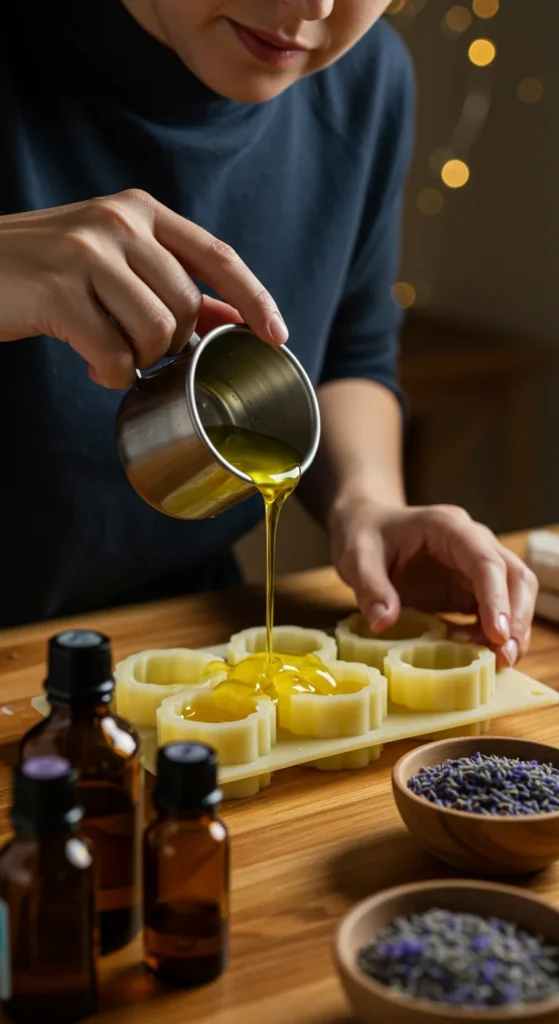
Gather High-Quality Ingredients and Tools
Using natural, skin-loving ingredients helps your soaps stand out in a crowded market. Customers are willing to pay more for quality.
Basic Ingredients:
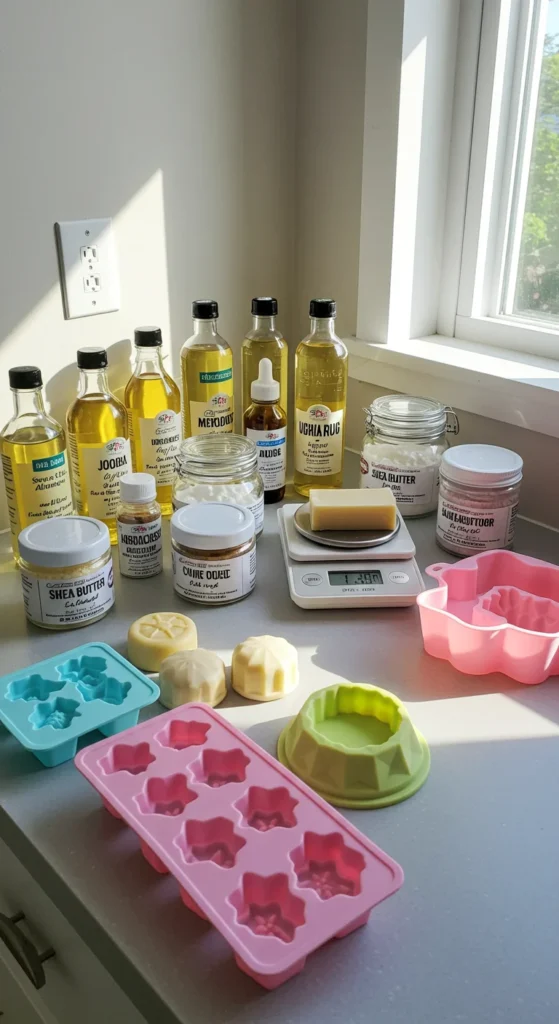
- Soap Base or Oils: Olive oil, coconut oil, shea butter, or ready-made melt-and-pour base.
- Lye (Sodium Hydroxide): Needed for cold and hot process methods. Handle with care.
- Distilled Water: Ensures purity and consistency.
- Essential Oils or Fragrances: Lavender, peppermint, citrus, or custom blends.
- Colorants & Botanicals: Natural clays, mica powders, dried flowers, or herbs.
Essential Tools:
- Heat-resistant bowls and spatulas
- Digital scale for accurate measurements
- Stick blender (for cold process)
- Thermometer
- Molds (silicone works best)
- Safety gear (goggles and gloves for lye)
Craft Your Signature Soap Recipes
Creating unique soap recipes is where your brand personality shines. Think about:
- Scent combinations that stand out (e.g., lavender + vanilla, citrus + mint).
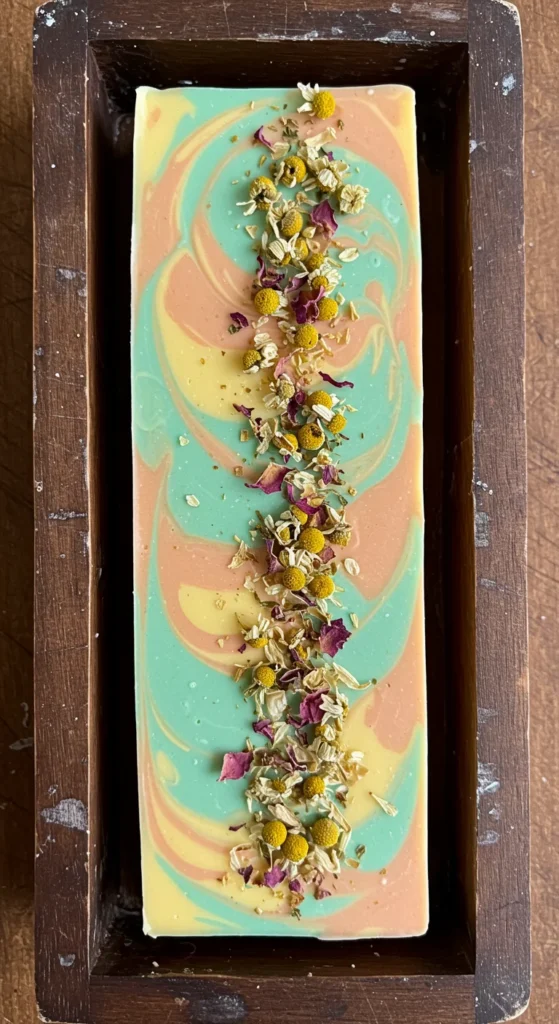
- Colors and designs like swirls, layers, or embedded botanicals.
- Skin benefits, such as moisturizing, exfoliating, or soothing properties.
Start simple with a basic recipe, then experiment with small batches until you find your signature line.
Example Cold Process Recipe (Beginner):
- 10 oz olive oil
- 10 oz coconut oil
- 4.5 oz distilled water
- 2.8 oz lye
- 1 oz essential oil (lavender or citrus)
- Optional colorants or additives
Once mixed and poured into molds, let the soap cure for 4–6 weeks before selling.
Package Your Soaps to Impress
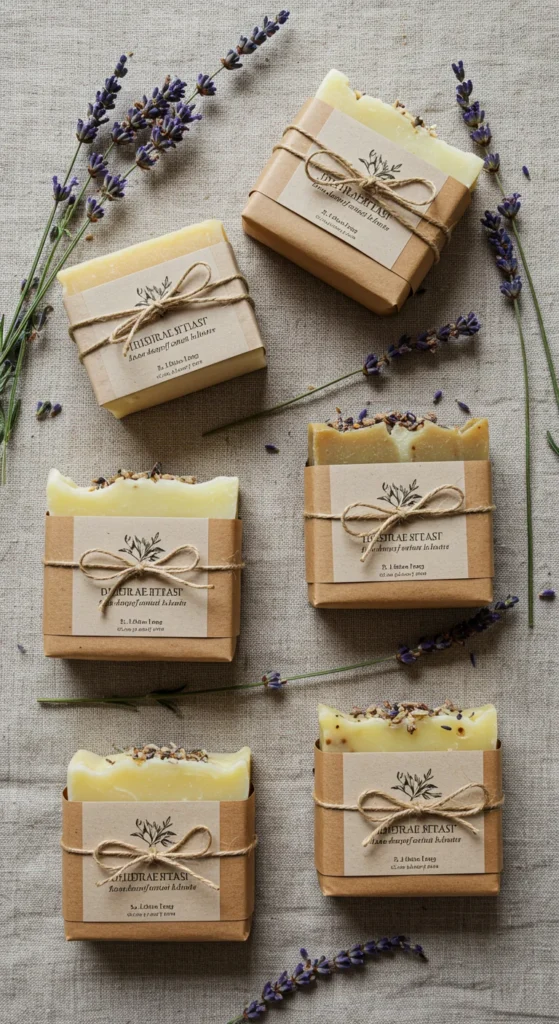
Packaging is more than protection — it’s part of your brand identity. Beautiful presentation makes your products feel premium and gift-worthy.
Packaging Ideas:
- Kraft paper wraps with branded labels.
- Eco-friendly boxes tied with twine.
- Transparent cello wraps to show off colors and textures.
- Add ingredient lists and care instructions for trust and compliance.
Good packaging can make even simple soaps look boutique-quality, boosting perceived value.
Sell on the Right Platforms
Once your soaps are ready, choose where to sell them. The best platform depends on your goals and audience.
- Etsy: Great for handmade soaps and reaching gift buyers.
- Shopify: Ideal for building your own brand over time.
- Farmer’s Markets or Craft Fairs: Perfect for in-person sales and feedback.
- Instagram & Pinterest: Showcase aesthetic product shots and tutorials.
- Local Boutiques or Spas: Wholesale or consignment options.
Pricing Tips:
- Calculate cost of ingredients + labor + packaging + fees.
- Add a healthy profit margin (usually 2–3× your cost).
- Consider bundling soaps into gift sets for higher order values.
Promote Your Soap Business
Even the best soaps won’t sell themselves. Use a mix of organic and paid strategies to grow your customer base:
- Pinterest: Create pins with your products and tutorials for long-term traffic.
- Instagram Reels & TikTok: Show the soap-making process, cutting bars, or packaging orders.
- Email Marketing: Offer discounts and announce new launches.
- Seasonal Collections: Create themed soaps (e.g., holiday, floral spring, fall spice) to drive excitement.
Final Takeaway
Making and selling handmade soap is a creative and profitable side hustle with endless possibilities. Once you master your craft, build your brand, and market consistently, your soaps can become a steady income source — and a joy to create.
Start with one recipe, refine your style, and watch your home soap studio blossom into a small business.

Leave a Reply