

If you love hunting for hidden treasures and making money on the side, flipping thrift store finds might just be your next favorite hustle. From vintage clothing to home décor and collectibles, thrift stores are packed with items that can be resold for a tidy profit. All you need is a keen eye, a little creativity, and the right strategy to turn other people’s cast-offs into cash.
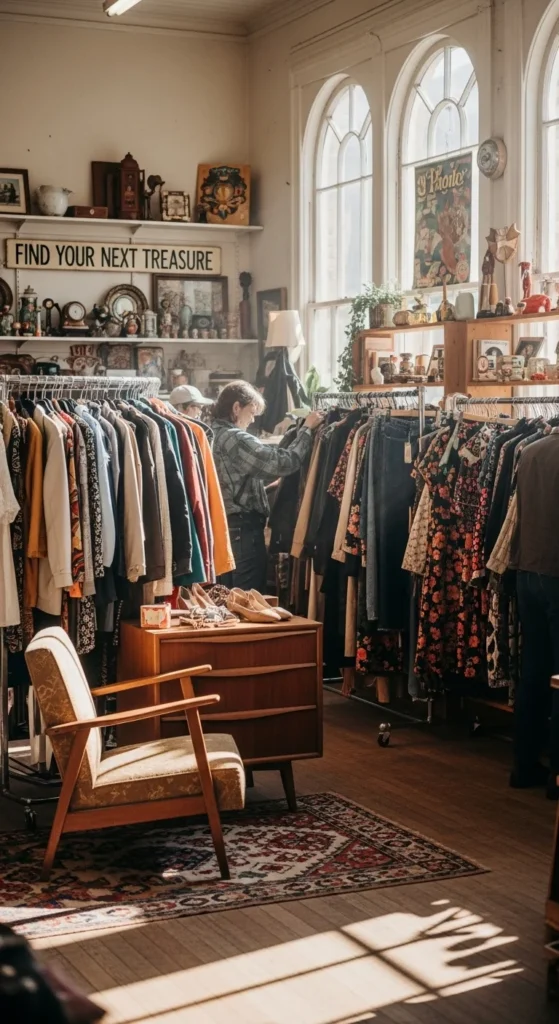
Step 1: Learn What Sells and Why
Before you hit the thrift stores, it helps to know which items are profitable to flip. Not everything on the shelves will bring in money—but certain categories have proven track records.
Hot items to look for:
- Vintage clothing: Brands like Levi’s, Nike, and Ralph Lauren sell fast on Depop and eBay.
- Home décor: Mirrors, picture frames, and mid-century furniture can sell for 5–10× their thrift price.
- Electronics: Old cameras, record players, or retro gaming consoles are collector favorites.
- Books and vinyl: Limited editions or out-of-print titles can bring surprise profits.
- Designer handbags or shoes: Check labels carefully—authentic pieces can sell for hundreds.
Start by researching prices on eBay or Facebook Marketplace. Compare what items actually sold for, not just what they’re listed for. That’s how you’ll spot real opportunities.
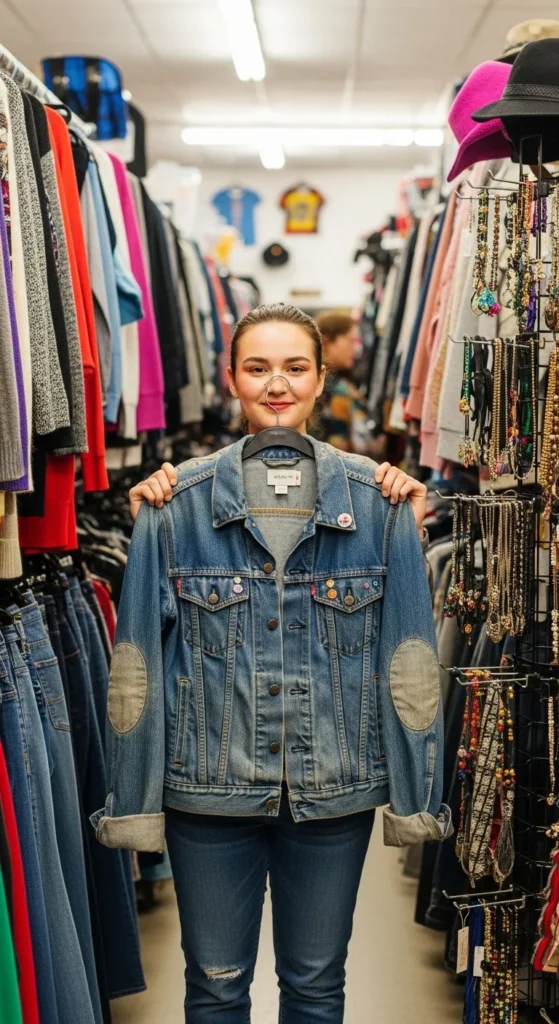
Step 2: Source Smart and Shop Strategically
Flipping is all about buying low and selling high—so sourcing smartly is key.
Thrift store tips:
- Visit during midweek mornings, when stores restock after weekend donations.
- Ask staff when they rotate new inventory—some thrift stores follow weekly schedules.
- Look for discount days or loyalty programs for extra savings.
Don’t overlook other great sources:
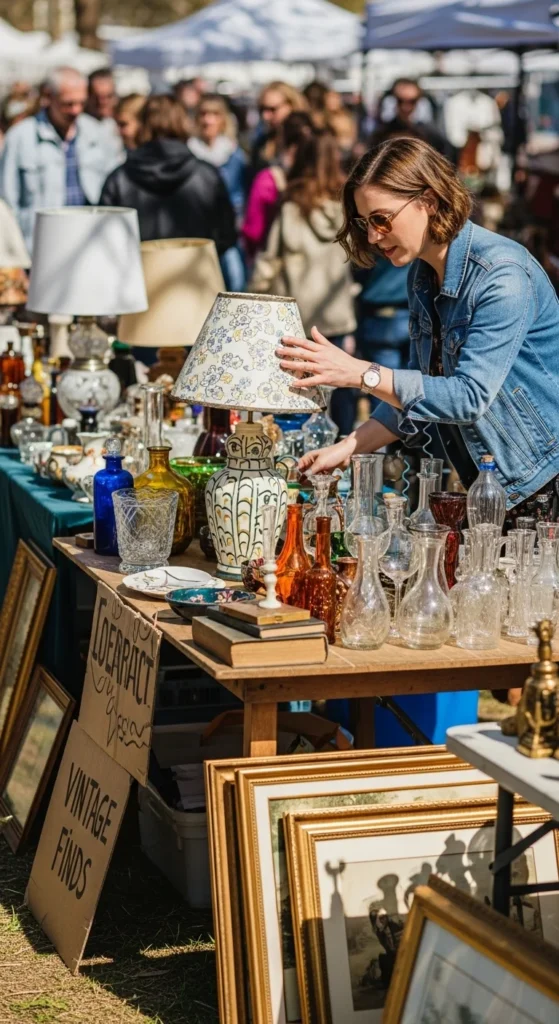
- Yard sales and flea markets – great for bulk finds.
- Online marketplaces – filter by “free” or “under $20.”
- Estate sales – perfect for unique antiques and collectibles.
A good rule of thumb: buy only what you’re confident you can resell within a few weeks. The faster your items move, the better your cash flow.
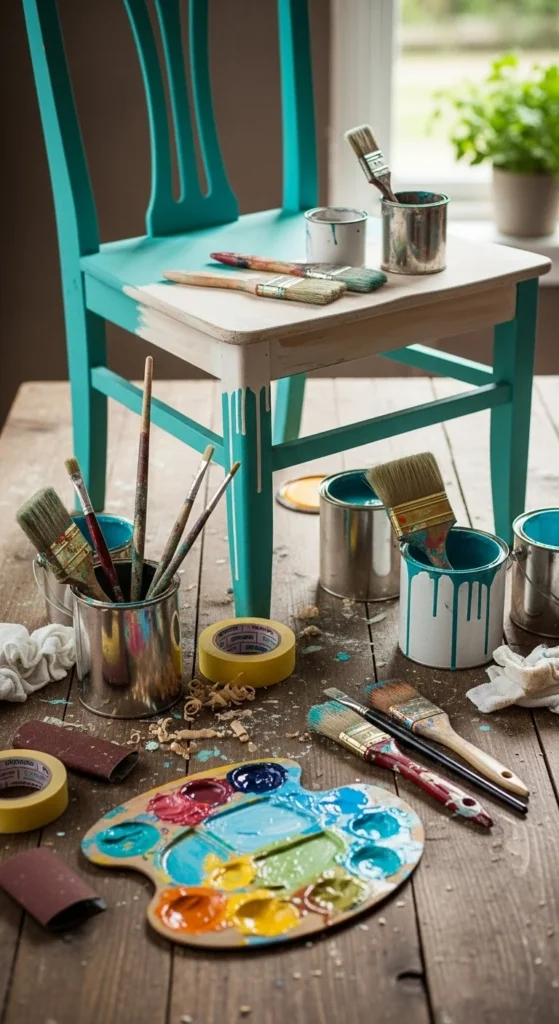
Step 3: Clean, Repair, and Refresh Your Finds
A little effort can turn a dusty old item into something buyers will pay top dollar for. Presentation matters more than you might think!
Quick ways to add value:
- Clean thoroughly: Wipe, wash, or polish items before listing.
- Repair small flaws: Tighten screws, fix buttons, or touch up paint chips.
- Restyle creatively: Repaint furniture, replace hardware, or upcycle vintage items into modern décor.
For example, an old wooden chair bought for $10 can sell for $75 after a quick sanding and a fresh coat of paint. Small upgrades make a big difference.
Step 4: Photograph and List Like a Pro
Your listings are what sell the product—so make them shine. Great photos and descriptions help your items stand out and build buyer trust.
Photo tips:
- Use natural light—shoot near a window for soft, flattering brightness.
- Keep the background simple and clutter-free.
- Take multiple angles and close-ups of key details (labels, textures, etc.).
Listing tips:
- Write short, engaging titles that include keywords (e.g., “Vintage Mid-Century Coffee Table, Solid Wood”).
- Be honest about condition—buyers appreciate transparency.
- Use platforms that fit your niche:
- eBay for collectibles and electronics
- Etsy for vintage and handmade items
- Depop or Poshmark for fashion
- Facebook Marketplace for local furniture
- eBay for collectibles and electronics

Step 5: Price Smart and Sell Fast
Setting the right price is an art. You want to make a profit while still keeping your listings attractive to buyers.
Here’s how:
- Check sold listings for similar items.
- Start slightly higher than your target price to leave room for negotiation.
- Offer bundle deals or discounts for repeat buyers.
If something hasn’t sold after a few weeks, refresh the photos, update the description, or slightly lower the price. Quick adjustments often lead to faster sales.
Step 6: Reinvest and Scale Up
Once you’ve flipped a few items successfully, reinvest your profits into higher-value pieces. The more experience you gain, the better you’ll become at spotting deals others miss.
Smart ways to grow:
- Specialize in a niche (e.g., vintage décor, designer clothes, or retro toys).
- Build a small brand or Instagram page to attract repeat customers.
- Track profits, expenses, and best-selling categories using a simple spreadsheet.
Soon, you’ll have a reliable system—and flipping thrift store finds could turn into a steady part-time or even full-time business.
Final Takeaway
Flipping thrift store finds isn’t just about money—it’s about creativity, sustainability, and the thrill of discovery. You can turn forgotten treasures into profitable pieces while keeping items out of landfills and learning valuable business skills along the way.
Start small, stay consistent, and have fun hunting for your next great flip.

Leave a Reply