

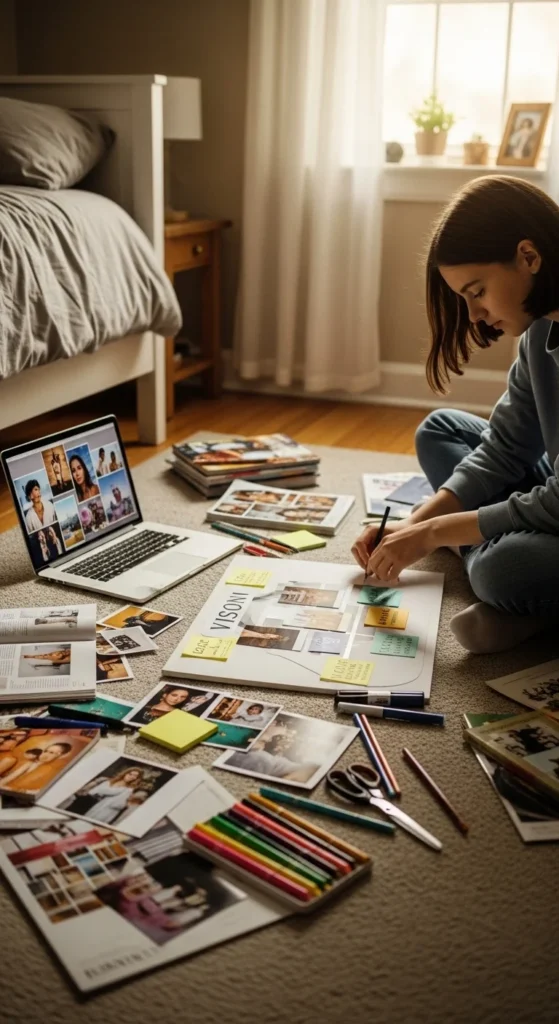
Teen years bring big questions about identity, school, future paths, and self-confidence. Vision boards help teens organize ideas visually without pressure. They turn goals into something visible and motivating. Using simple materials, teens can map academic plans, personal growth, habits, and creative dreams. These ideas focus on clarity, realistic steps, and affordable DIY approaches that help teens stay inspired throughout the year.
1. Academic Success Vision Board
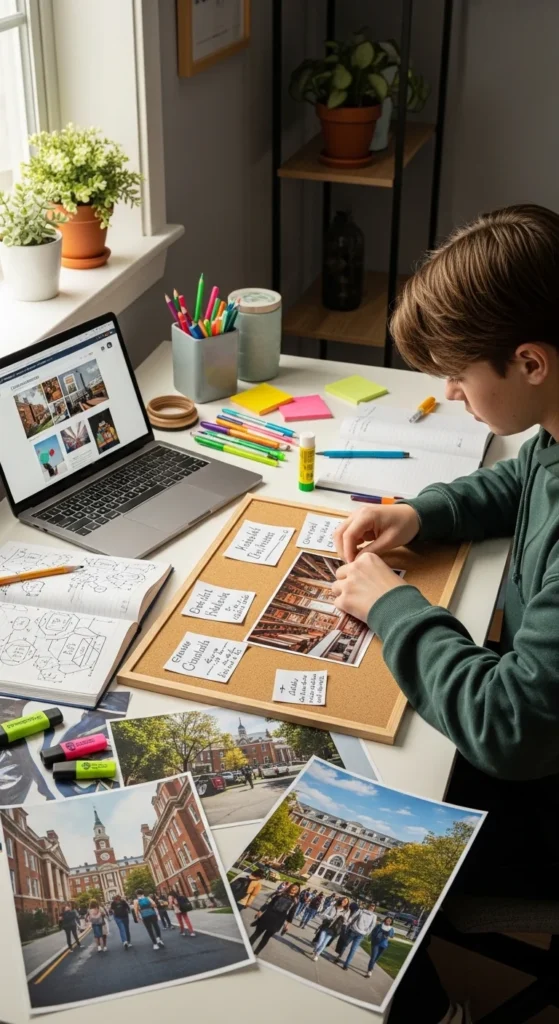
Academic boards help teens visualize school progress. Include subject icons, grade targets, and study routines. Teens can print images of classrooms, planners, or dream campuses.
Break goals into smaller visual steps. For example, math practice, reading time, and project completion. Sticky notes work well because they can move as progress happens.
Budget tip: use old notebooks, worksheets, and free printable icons. No need for expensive supplies.
Place the board near a study space. Seeing it daily builds consistency. Teens can update subjects each semester so it stays relevant.
Adding completed milestones gives motivation. A small check mark or star shows progress clearly without pressure.
2. Future Career Path Board

Career boards help teens explore possibilities. Include tools, workspaces, and role examples rather than job titles only.
Teens can add multiple options. Interests change, and boards should reflect exploration.
Draw daily activities related to each path. This makes careers feel real instead of distant ideas.
Budget tip: cut images from ads, packaging, or free online resources.
Leave space for new interests. Career boards grow over time and help teens connect school choices with future paths.
3. Confidence Affirmations Board
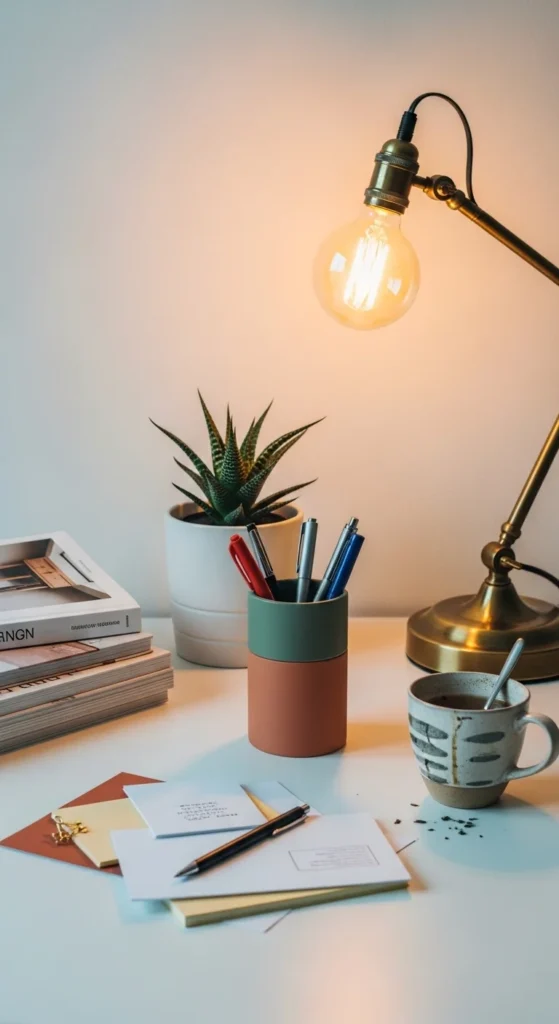
Affirmation boards focus on mindset. Teens write short encouraging phrases on cards and decorate around them.
Handwritten notes feel personal. They can be simple and direct.
Use colors that feel calming or energizing. Visual mood matters.
Budget tip: scrap paper works perfectly for affirmation cards.
Place the board near a mirror or desk. Reading affirmations daily builds positive habits without effort.
4. Digital Vision Board Setup

Digital boards are convenient. Teens can design using free tools and update anytime.
Screenshots, saved photos, and mood boards work well. Digital formats allow experimentation without wasting materials.
Budget tip: use free templates and screenshots instead of paid graphics.
Set the board as wallpaper on devices. This keeps goals visible daily.
5. Personal Growth Board
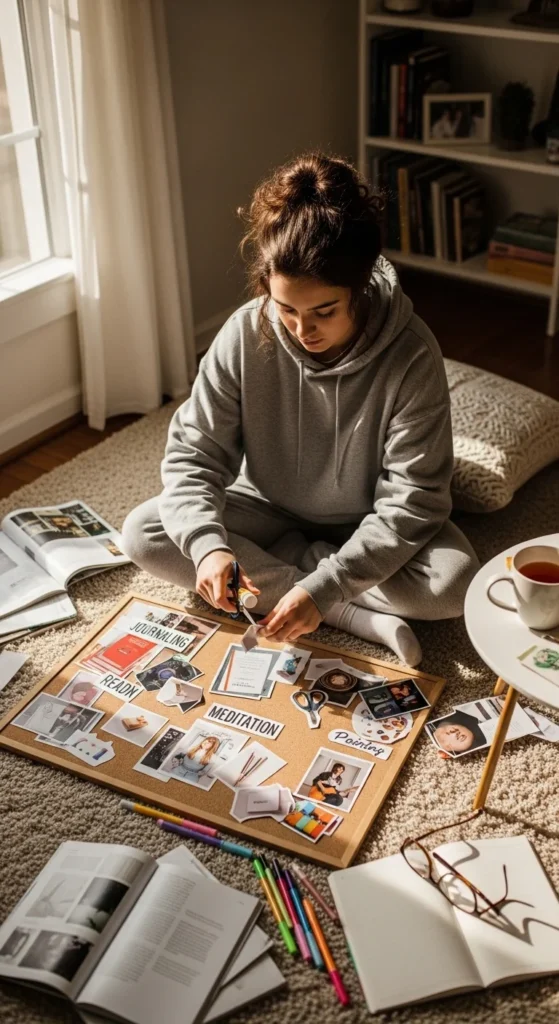
Personal growth boards highlight emotional development. Include journaling, reading, new skills, and reflection.
Focus on habits rather than outcomes. Small actions create progress.
Budget tip: draw symbols instead of printing photos.
Review monthly. Teens can replace items as priorities change.
6. Health and Wellness Board

Wellness boards visualize routines. Sleep, movement, hydration, and breaks can all appear visually.
Icons are easier than text. Teens respond to visual reminders quickly.
Budget tip: grocery flyers provide food images.
Add trackers using removable stickers.
7. Public Speaking Confidence Board
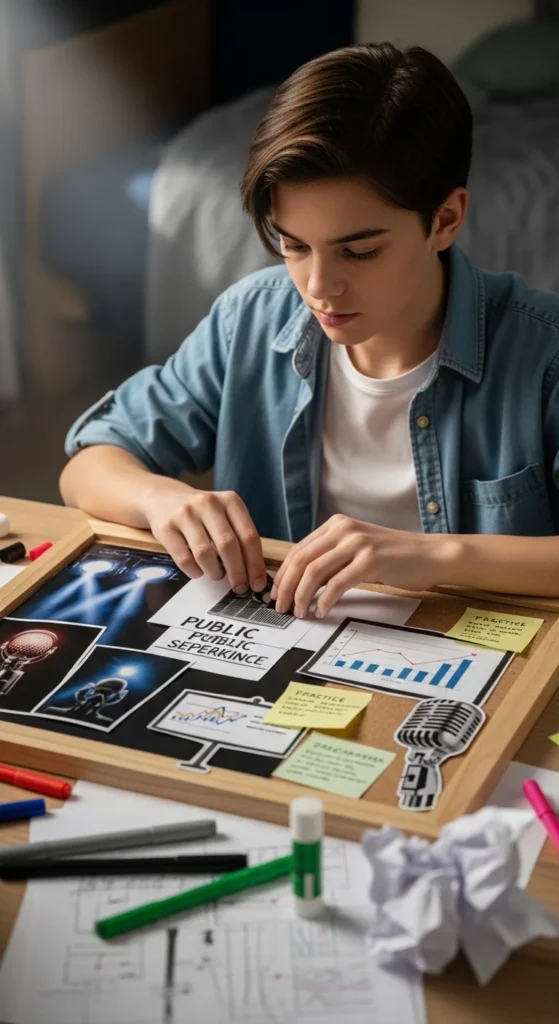
Public speaking boards help teens practice visibility. Include stage visuals, classroom presentations, and confidence cues.
Teens can add practice checklists using sticky notes.
Budget tip: draw microphones and stages.
Track small wins like speaking in class or presenting projects.
8. Roadmap Milestones Board
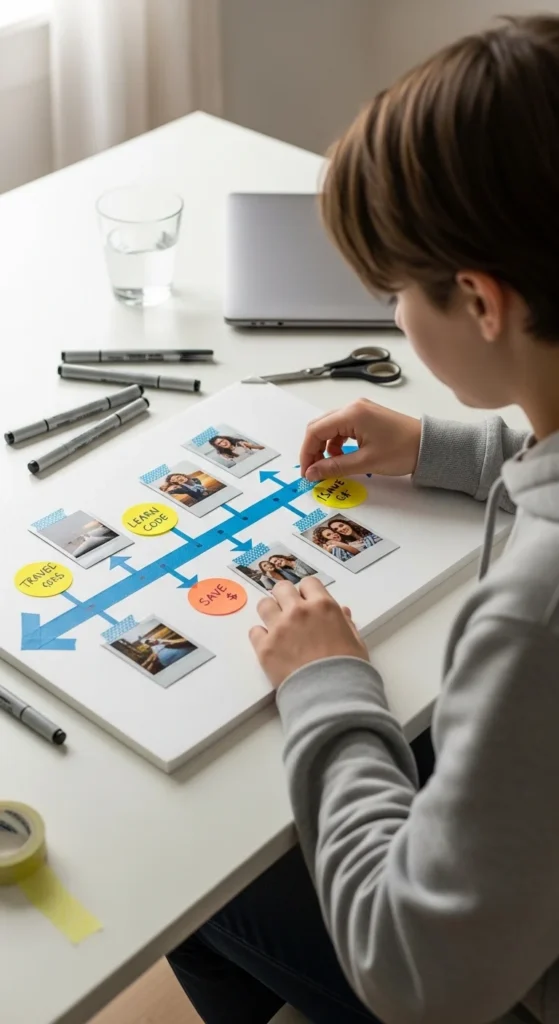
Roadmap boards break big dreams into steps. Use arrows, paths, or timelines.
Include certifications, internships, projects, or school milestones.
Budget tip: masking tape creates path lines cheaply.
Update when goals change. Visual paths reduce overwhelm.
9. Role Model Inspiration Board
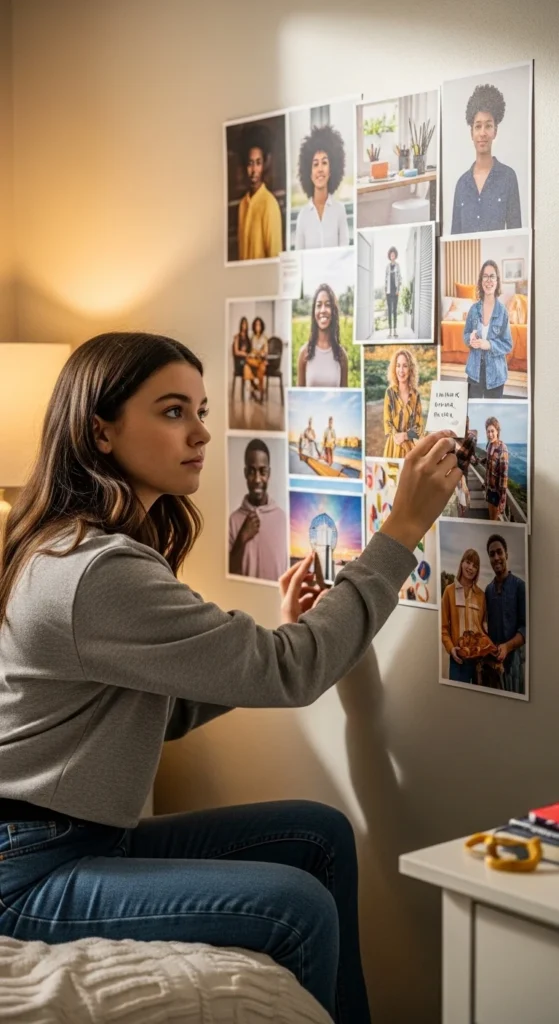
Role model boards show what is possible. Focus on qualities, not comparison.
Teens can list traits they admire.
Budget tip: print small photos or draw symbols.
Add notes describing what inspires them.
10. SMART Goal Visual Board
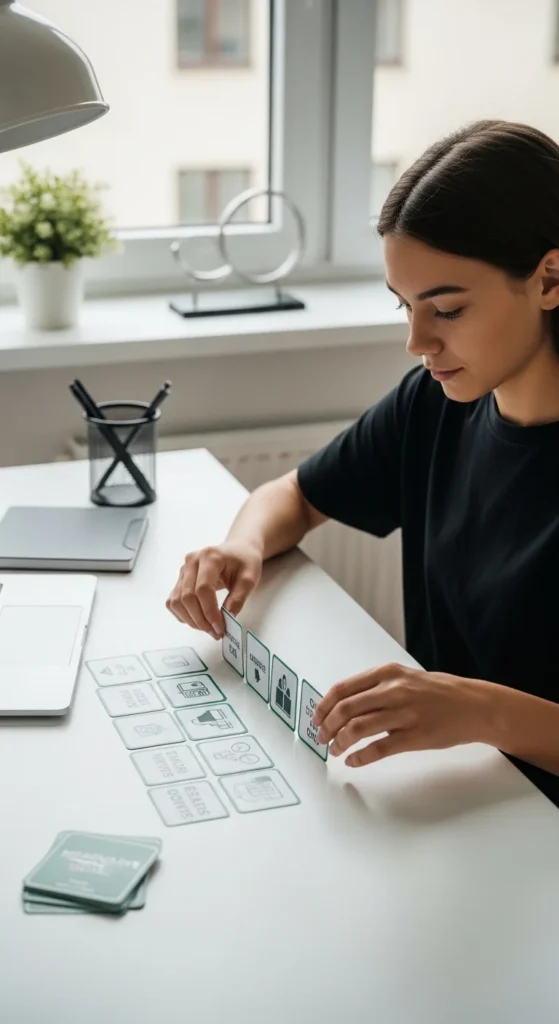
SMART boards show clear actions. Replace vague ideas with specific visuals.
Example: workout icons three times per week instead of general fitness ideas.
Budget tip: icon sketches work well.
Review weekly for adjustments.
11. Adventure and Travel Board
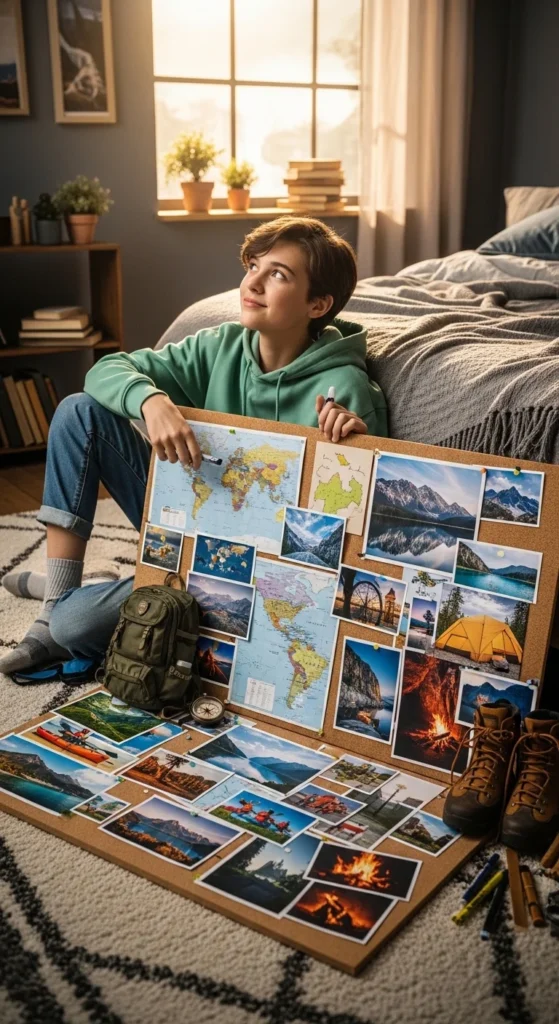
Travel boards expand perspective. Include local trips and long-term destinations.
Teens can add experiences rather than locations only.
Budget tip: old calendars provide scenic photos.
Mark completed trips.
12. Passion Projects Board

Project boards highlight making. Teens choose one idea at a time.
Budget tip: reuse packaging images.
Add progress photos.
13. Self-Care Visual Board
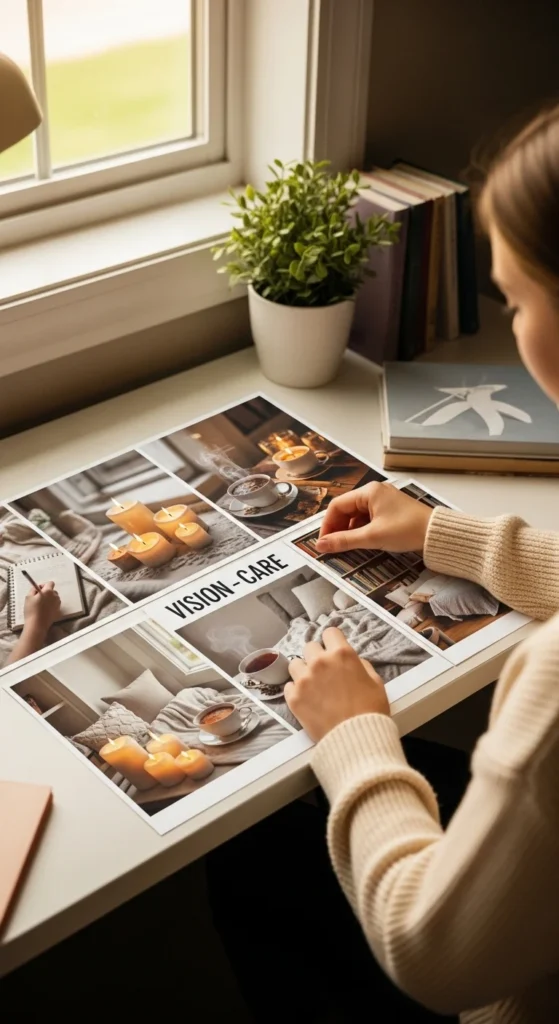
Self-care boards show balance. Include rest, hobbies, and breaks.
Budget tip: draw cozy scenes.
Use weekly check marks.
14. School Year Focus Board
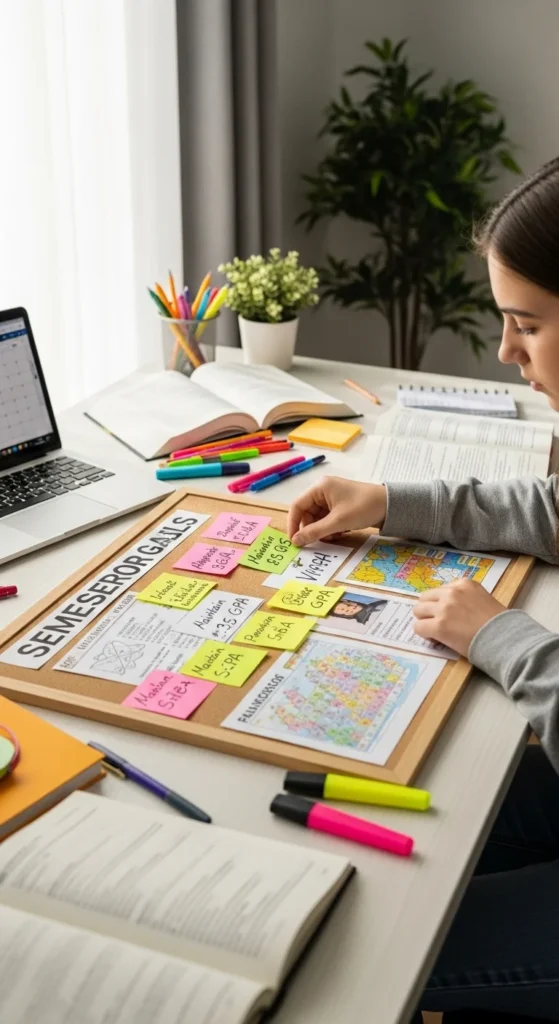
School-year boards align with semesters. Update regularly.
Budget tip: reuse planners and worksheets.
Remove completed goals.
15. Skill Exploration Board

Skill boards encourage trying new things. Keep it experimental.
Budget tip: draw icons.
Rotate monthly.
16. Gratitude Reflection Board
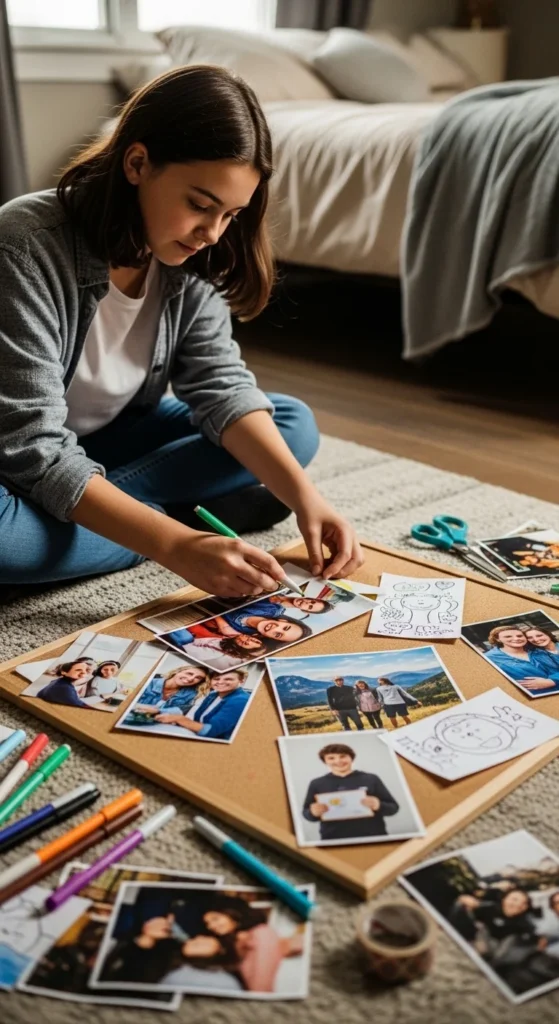
Gratitude boards ground teens. Add moments weekly.
Budget tip: scrap paper works.
Keep entries short.
17. Habit Tracker Board
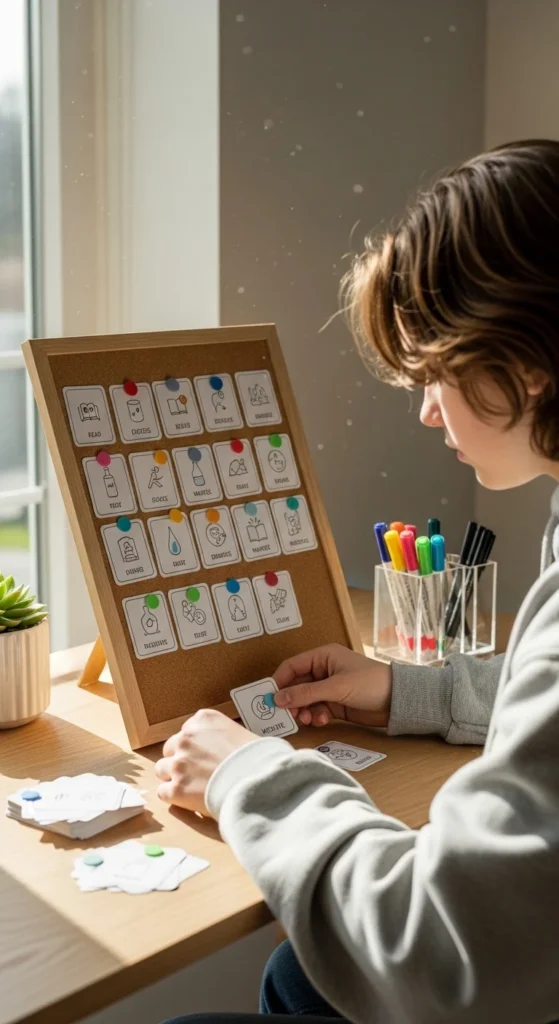
Habit boards track routines visually.
Budget tip: printable grids or hand-drawn charts.
Update daily.
18. Dream University Board
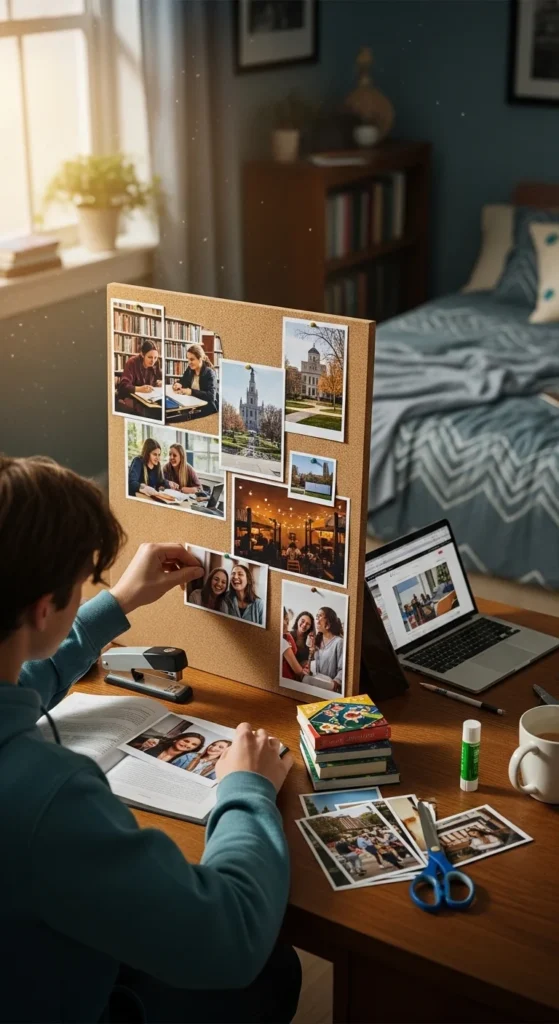
University boards show direction. Include lifestyle images.
Budget tip: print small campus photos.
Update yearly.
19. Creative Identity Board
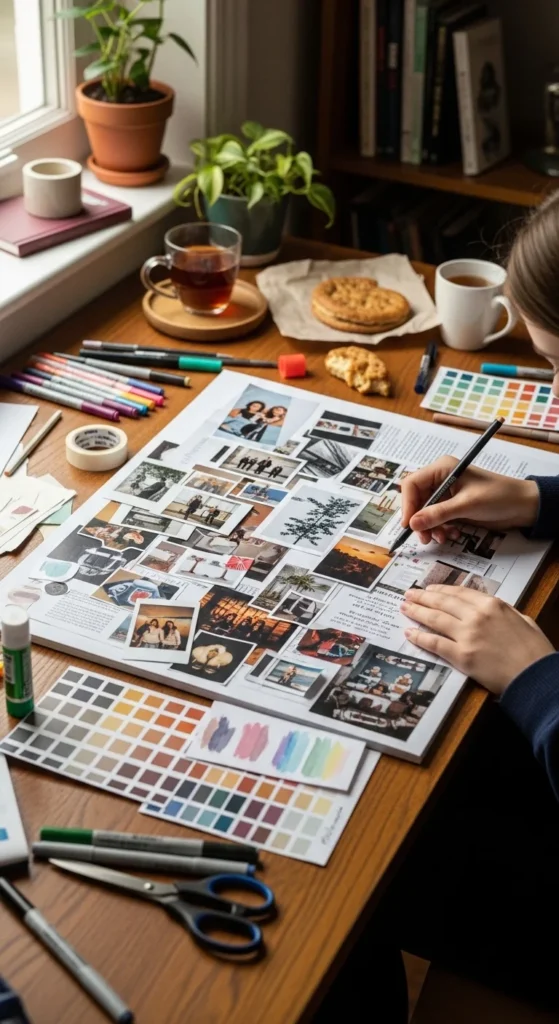
Identity boards explore personality. Include style, interests, and mood.
Budget tip: create color swatches.
Refresh often.
20. Mindfulness Board
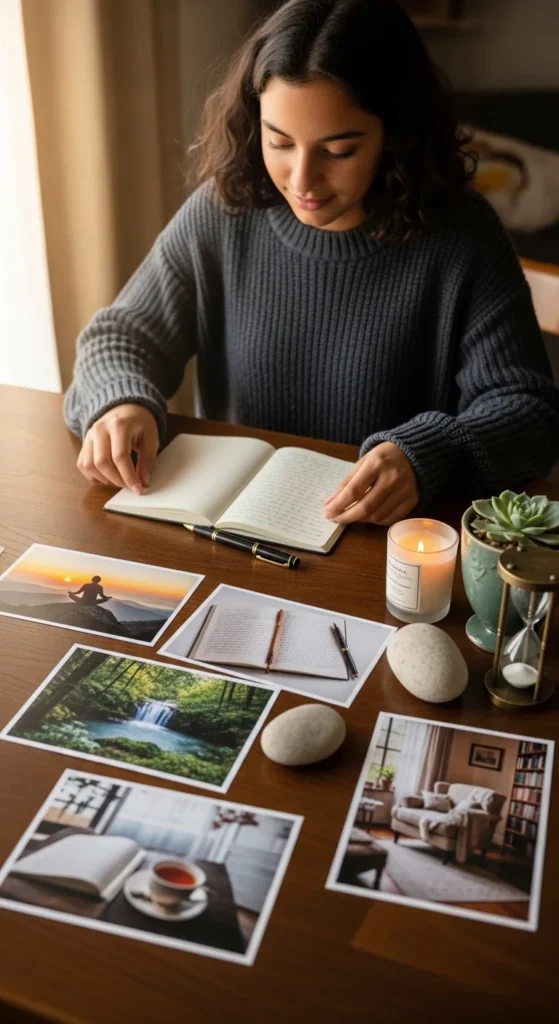
Mindfulness boards support calm habits. Include breathing, journaling, and nature.
Budget tip: draw nature symbols.
Place near bed.
21. Voice Your Vision Board
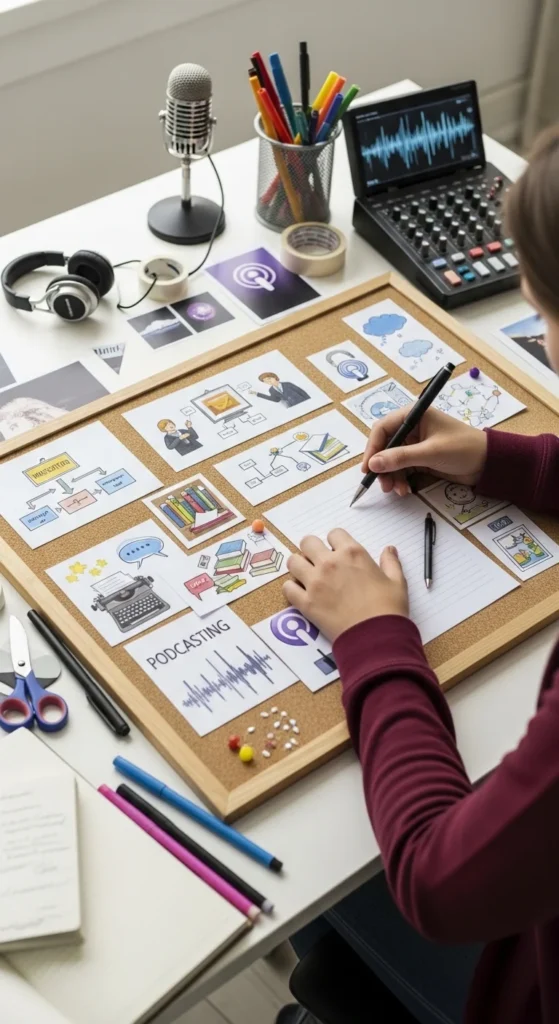
Voice boards highlight expression. Writing, speaking, sharing ideas.
Budget tip: draw speech icons.
Track practice.
22. Annual Refresh Board
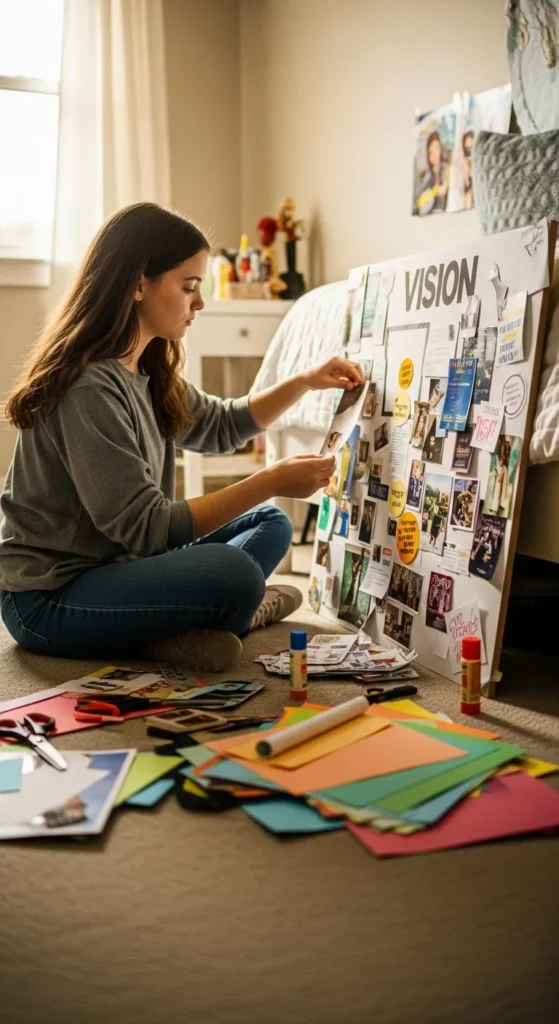
Refresh boards keep goals relevant. Review yearly.
Budget tip: reuse board base.
Archive old goals.
23. Discovery Board for Undecided Teens
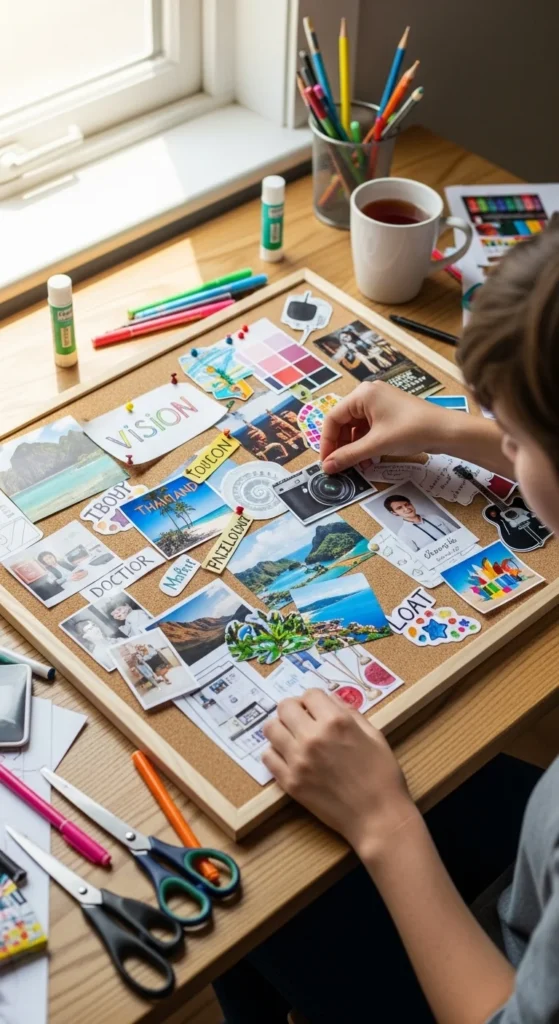
Discovery boards remove pressure. Teens explore themes without commitment.
Use categories instead of goals.
Budget tip: scrap images.
Let curiosity guide updates.
Conclusion
Teen vision boards help organize ideas, build clarity, and turn abstract goals into visible reminders. They support academic planning, self-growth, creative exploration, and emotional balance using simple materials. Start with one theme, keep it flexible, and update regularly. Small visual steps make big dreams feel manageable and real.

Leave a Reply