

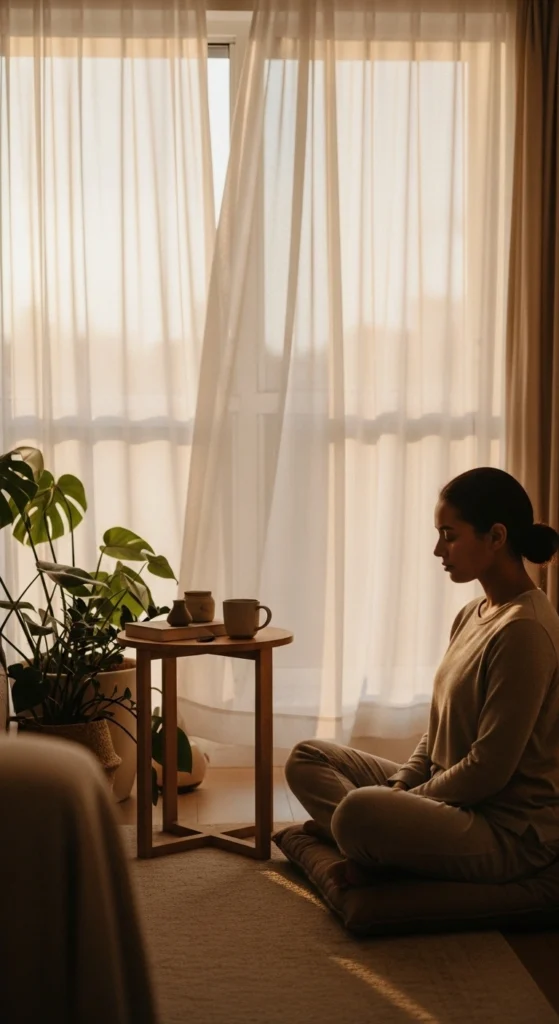
Visualization techniques appeal to people searching for simple mental practices that fit daily life. Many want clarity without pressure or long routines. Visualization works best when it feels familiar and emotionally easy. These techniques focus on small, repeatable actions that gently guide thoughts and behavior. You do not need special tools or extended sessions. Short moments practiced often help ideas settle into awareness and influence everyday choices naturally.
1. Morning Outcome Visualization

Morning outcome visualization begins before distractions appear. Sit quietly after waking and close your eyes for two minutes. Imagine the day ending in a satisfying way. Focus on feelings like calm or relief rather than detailed events. Let simple scenes appear naturally.
This practice influences how you approach the day. When your mind expects ease, actions often follow that direction. Keep the image light and familiar.
A simple tip is labeling your phone alarm with a feeling such as “steady day.” Writing one short line afterward can also help reinforce the image.
2. Scripted Scene Writing

Scripted scene writing turns imagination into words. Choose one desire and write it as if it already happened. Use present tense and simple descriptions. Keep sentences short and relaxed.
Writing slows racing thoughts and adds clarity. Any notebook or scrap paper works. Five minutes is enough. Read what you wrote once and pause.
Fold the paper and place it somewhere visible. Seeing it again keeps the scene active throughout the day without effort.
3. Emotional Rehearsal

Emotional rehearsal focuses on feeling rather than images. Sit quietly and recall how you expect to feel when your desire appears. Relief and contentment work well. Let the emotion fill your chest and shoulders.
This technique suits people who find visualization difficult. Feelings are often easier than images. Practice for one minute at a time.
Pair this with slow breathing. Inhale gently and exhale longer. Over time, the feeling becomes familiar and steady.
4. Visual Cue Anchoring
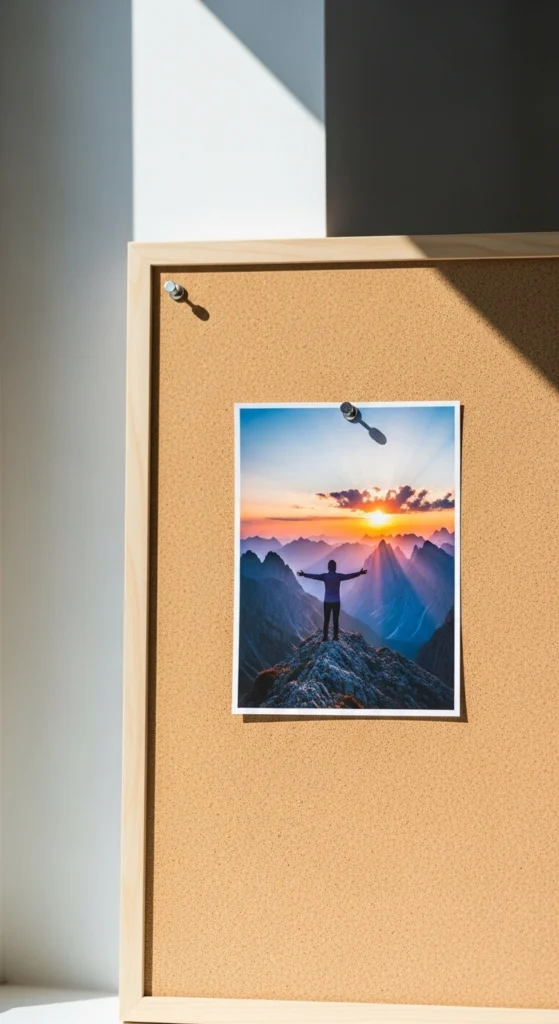
Visual cue anchoring uses one physical image. Choose a photo that represents your desired outcome. Look at it once or twice daily.
While looking, imagine stepping into the scene. Notice posture and expression. Keep it brief. Ten seconds is enough.
Create this for free using magazines or screenshots. One image repeated often works better than many.
5. Walking Visualization

Walking visualization blends movement with imagery. During a walk, imagine your desired outcome unfolding naturally. Match steps with breathing.
Movement helps thoughts flow without tension. This suits people who feel restless when sitting still. Even indoor walking works.
Repeat the same scene each time. Familiarity builds confidence and guides behavior.
6. Pre-Sleep Mental Replay

Before sleep, replay a short positive moment. Keep it gentle and quiet. Nighttime visualization works well because the mind is relaxed.
Choose one scene and let it end well. Allow sleep to arrive naturally without effort.
7. Affirmation Visualization Pairing

Pair short affirmations with simple images. Silently repeat a phrase while imagining a matching scene.
Practice during daily tasks like cooking or waiting. Ordinary moments become mental practice time.
8. Mirror Visualization
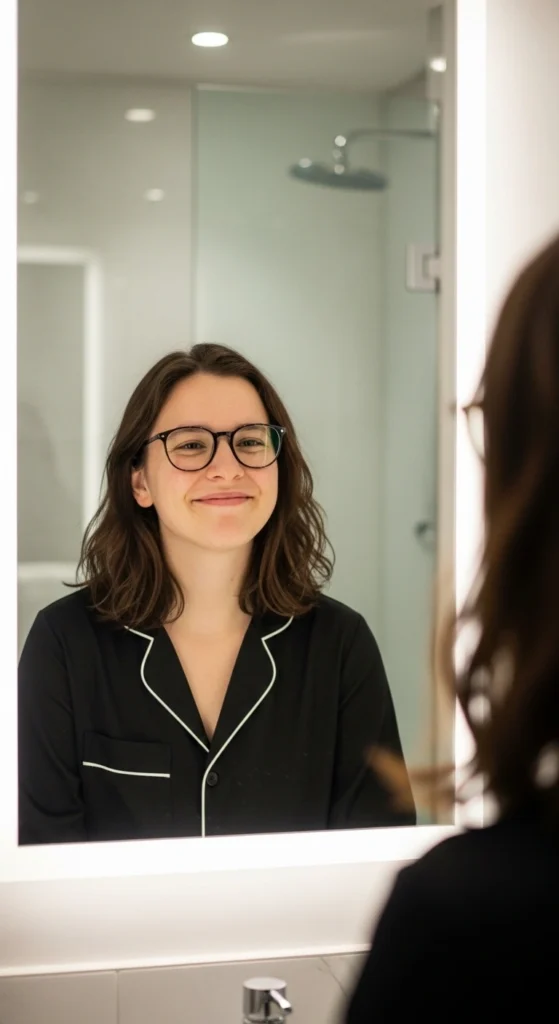
Stand in front of a mirror and imagine your future self. Notice posture, expression, and calm energy.
Hold eye contact for a few seconds. Any awkward feeling fades with repetition.
9. Micro-Scene Focus

Micro-scenes last only a few seconds. Choose one clear snapshot and repeat it throughout the day.
Short visuals fit busy routines and reduce overwhelm.
10. Sound-Triggered Visualization

Use the same calm music during visualization. Over time, the sound alone brings the image back.
Free music apps work well. Keep volume low.
11. Letter From the Future

Write a letter from your future self describing life now. Keep the tone natural.
Read it weekly to build familiarity with the outcome.
12. Symbol Placement

Choose a small object that represents your desire. Place it somewhere visible.
Each glance recalls your image briefly.
13. Breath-Led Visualization
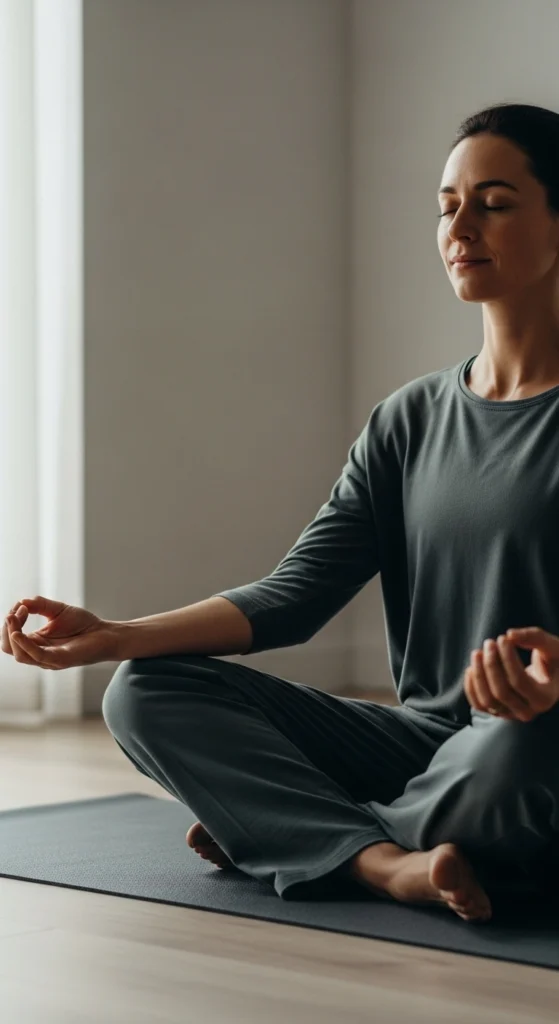
Pair breathing with imagery. Inhale clarity. Exhale completion.
This works well during short breaks.
14. One-Page Outcome Mapping

Write one page describing your desired result. Read it once daily.
Avoid frequent edits. Repetition builds familiarity.
15. Sensory Layering

Add texture, sound, and scent to your images. Familiar sensations make scenes feel natural.
16. End-of-Day Reflection Visual

Review the day as if it flowed smoothly. Adjust scenes gently.
17. Body Response Awareness

Notice physical comfort during visualization. Relax shoulders and jaw.
Physical ease supports focus.
18. Sketch Visualization

Draw a simple sketch of your outcome. Artistic skill does not matter.
Simple visuals improve clarity.
19. Routine Pairing

Attach visualization to an existing habit like coffee or bedtime.
Habits support consistency.
20. Gratitude Forward Imaging

Visualize gratitude for something not yet present. Feel appreciation early.
Gratitude softens resistance.
21. Stillness Window Practice
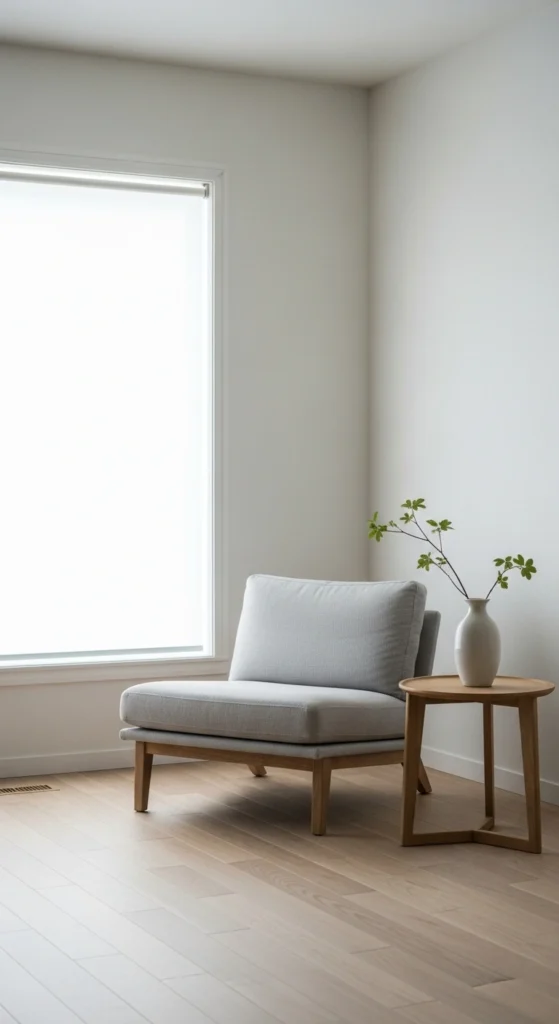
Sit in silence for one minute before visualizing. Stillness clears mental noise.
22. Task Completion Preview

Before starting a task, imagine it finished and feel relief.
This supports follow-through.
23. Nightly Reset Visualization
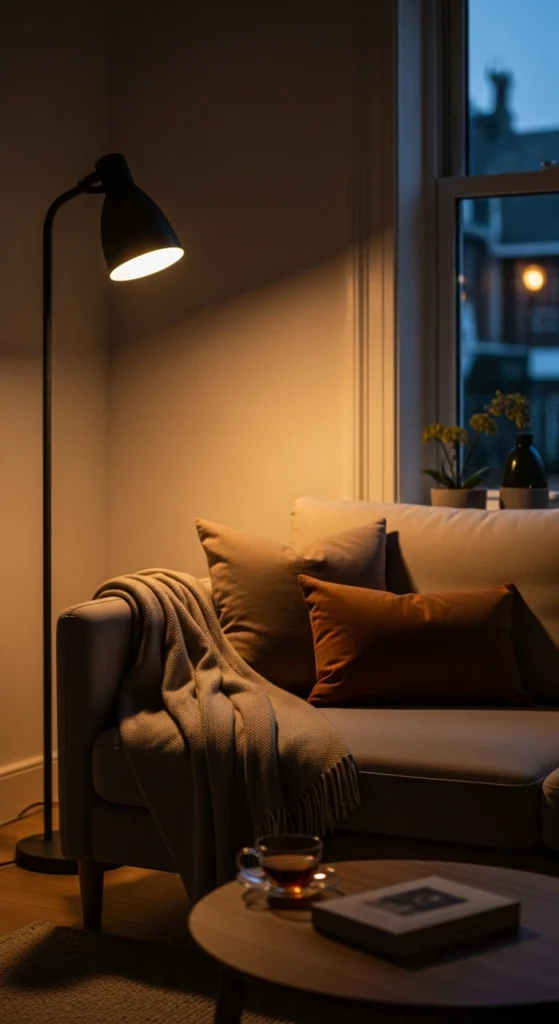
Clear the day mentally and imagine tomorrow flowing smoothly.
This supports restful sleep.
24. Gratitude Journal Imagery

Write one gratitude line paired with an image.
Writing strengthens recall.
25. Environment-Based Visualization

Visualize in spaces that match your goal. Calm spaces support calm aims.
26. Repetition Without Pressure
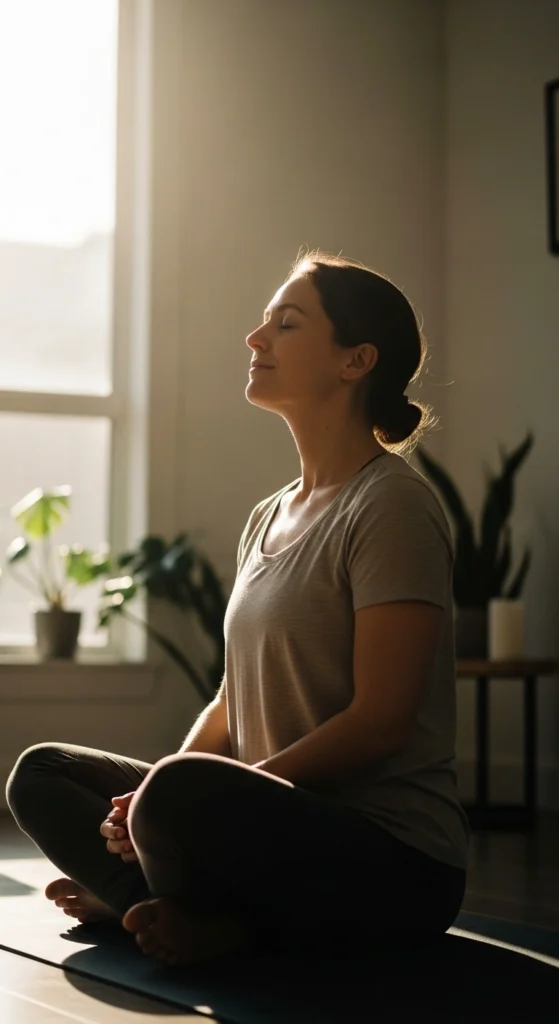
Repeat the same image daily without forcing emotion. Familiarity grows naturally.
Conclusion
Visualization works best when it feels simple and repeatable. These numbered techniques show how short, calm practices can fit into everyday routines without pressure. Choose one or two methods that feel natural and return to them often. Saving this guide and revisiting it regularly helps keep focus steady and supports gentle alignment between thoughts and daily actions.

Leave a Reply