

Working from home as a virtual assistant sounds like freedom—no commute, flexible hours, and the comfort of your own space. But here’s the truth: without structure, distractions can quietly destroy your productivity.
The difference between struggling VAs and successful ones isn’t talent—it’s routine, environment, and systems.
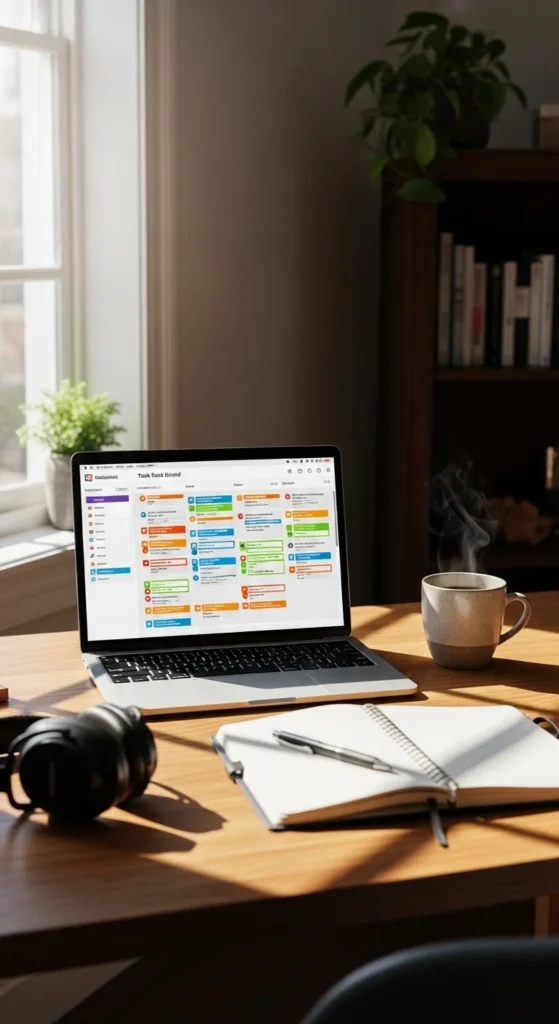
Step 1: Build a Dedicated Workspace That Trains Your Brain
Your brain associates environment with behavior. If you work from bed or the couch, your focus will constantly drift.
A productive VA workspace doesn’t need to be fancy—it needs to be intentional.
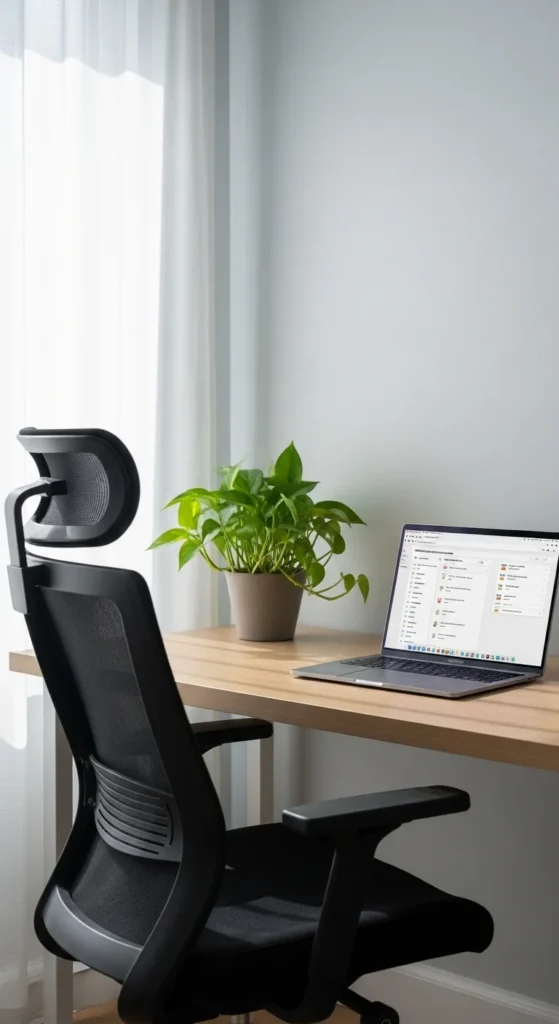
Include:
- A dedicated desk or table
- Comfortable chair with proper support
- Good lighting (natural light is best)
- Minimal clutter
Even small upgrades make a huge difference in focus and energy levels.
Step 2: Create a Fixed Daily Routine (Not Random Work Hours)
One of the biggest productivity killers for remote VAs is “working whenever.”
Instead, treat your work like a real job with structure:
- Set start and end times
- Match work hours with your peak energy
- Plan breaks in advance
- Stick to a repeatable routine
A simple daily flow could look like:
- Morning: High-focus tasks
- Midday: Meetings and communication
- Afternoon: Admin or lighter work
Consistency trains your brain to focus faster.
Step 3: Use Time Blocking and Task Batching to Stay in Control
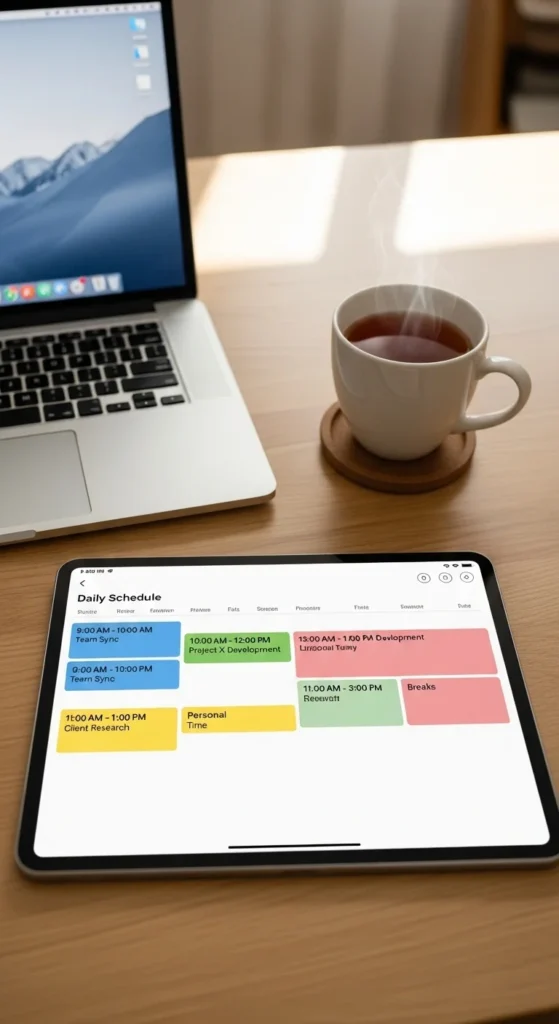
If you switch tasks constantly, you lose time and energy. That’s where time blocking and task batching come in.
Time blocking means assigning specific hours for specific tasks:
- 9–11 AM → Client work
- 11–12 PM → Emails
- 1–3 PM → Projects
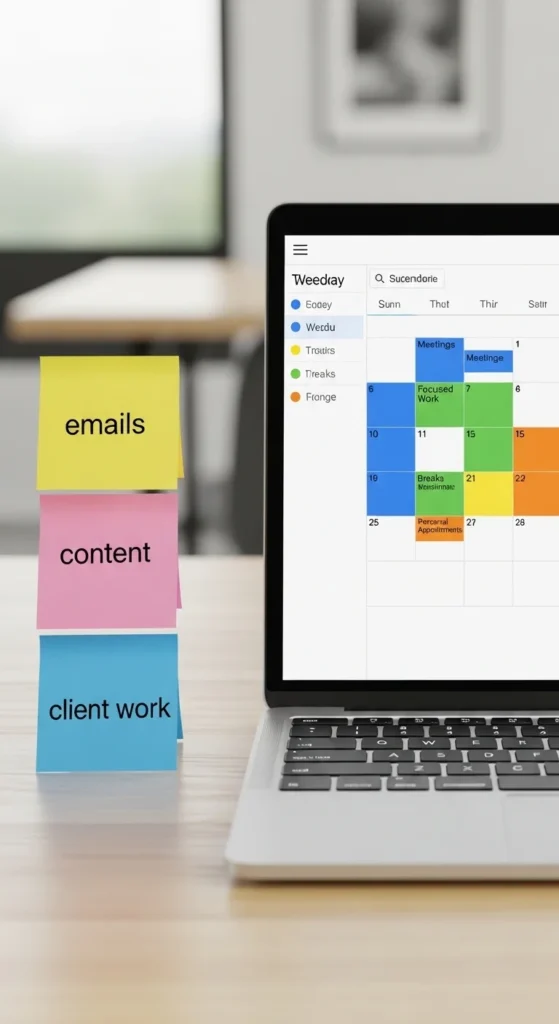
Task batching means grouping similar work together:
- All emails at once
- All scheduling at once
- All research at once
This reduces mental switching and increases output.
Step 4: Use the Pomodoro Technique to Avoid Burnout
Working nonstop doesn’t mean working better—it leads to burnout.
The Pomodoro technique is simple:
- 25 minutes focused work
- 5 minutes break
- Repeat 4 times
- Then take a longer break
This keeps your mind fresh and focused throughout the day.
You can also use apps like Pomodoro timers or productivity tools to stay consistent.

Step 5: Eliminate Distractions Before They Eliminate Your Focus
Distractions are the silent productivity killer.
To stay focused:
- Turn off phone notifications
- Use “Do Not Disturb” mode
- Close unused browser tabs
- Silence social media alerts
Even small interruptions can break deep focus and waste valuable time.
Think of focus as something you protect, not something you find.

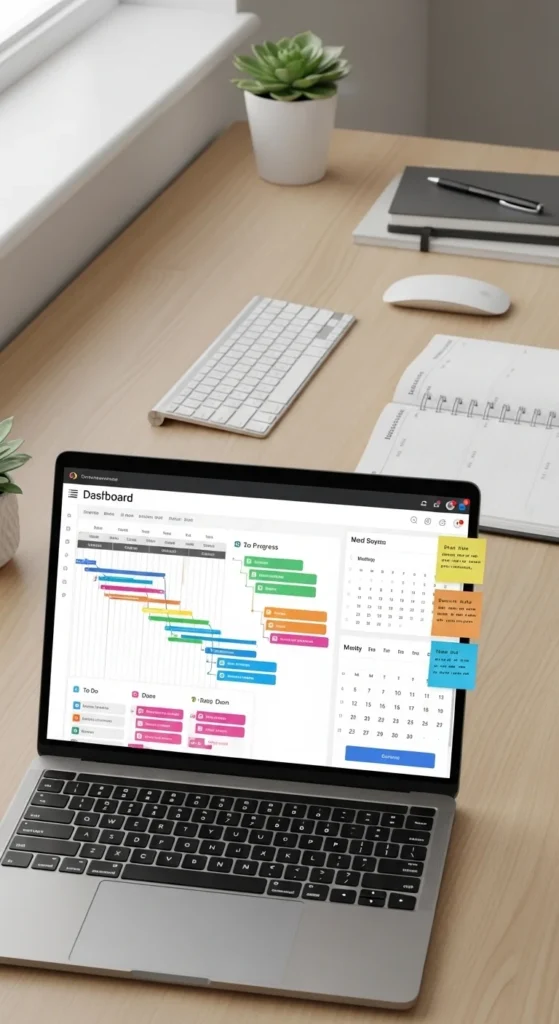
Step 6: Use Tools and Systems to Stay Organized
Top-performing VAs don’t rely on memory—they rely on systems.
Useful tools include:
- Asana for task management
- Toggl for time tracking
- Google Calendar for scheduling
- ChatGPT or Zapier for automation
These tools help you:
- Track client work
- Manage deadlines
- Reduce mental load
- Automate repetitive tasks
The more you systemize, the less you stress.
Step 7: Protect Your Energy with Breaks and Boundaries
Productivity is not about working longer—it’s about working smarter.
You need:
- Short breaks every hour
- A proper lunch break
- A clear “end of work” routine
Try a simple shutdown habit:
- Close laptop
- Write tomorrow’s priorities
- Step away from your workspace
This helps your brain disconnect and prevents burnout.

Final Takeaway: Structure Creates Freedom
Working from home as a virtual assistant can be incredibly rewarding—but only if you build systems that support your focus.
To stay productive:
- Design your workspace intentionally
- Follow a fixed routine
- Use time blocking and Pomodoro focus
- Remove distractions aggressively
- Rely on tools, not memory
- Protect your energy with breaks
When your day has structure, your productivity becomes predictable—and success becomes much easier.
Save this guide and build your own routine today—your future self will thank you.

Leave a Reply