

If you’re handy with tools and love fixing things, why not turn that skill into a profitable business? From assembling furniture and repairing drywall to installing fixtures and tackling small home projects, handyman services are always in demand. Homeowners want trusted, reliable help—and they’re willing to pay for it.

Starting a handyman business from scratch doesn’t require a massive investment—just skill, organization, and a smart game plan. Here’s exactly how to get started.
Identify Your Services and Specialties
Before printing business cards, figure out what kind of handyman work you want to offer. Not all jobs are created equal, and choosing your niche helps you attract the right clients.
Popular handyman services include:
- Furniture assembly and mounting
- Painting and drywall patching
- Faucet and fixture installations
- Door, lock, and window repairs
- Light carpentry and shelving
- Minor electrical or plumbing fixes (depending on local laws)
- Caulking, weatherproofing, or seasonal prep work
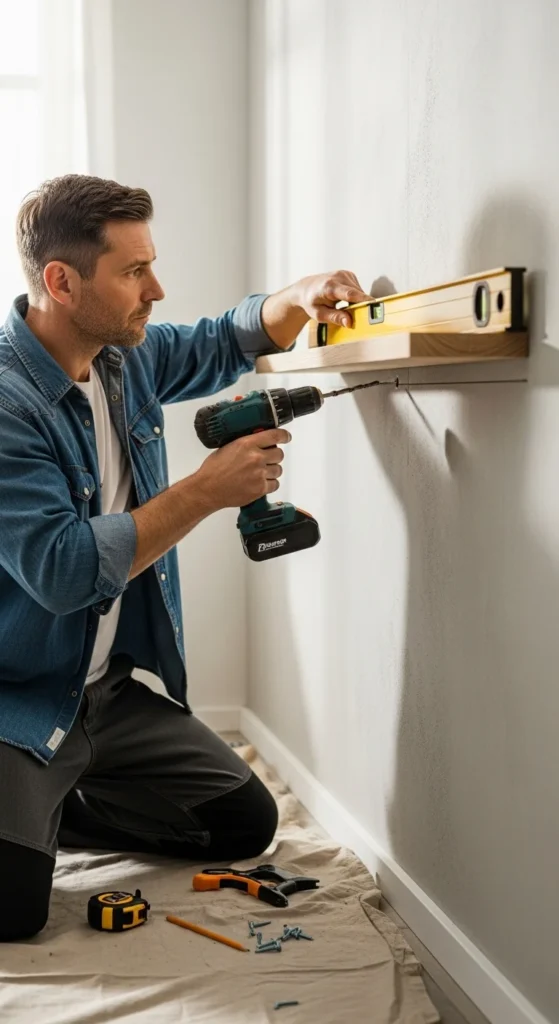
👉 Start with what you’re best at. Over time, you can expand your services or hire specialized workers as your business grows.
Get the Right Tools and Gear
You can’t run a handyman business without reliable, quality tools. While you may already have a basic toolbox, investing in a solid set will help you work efficiently and professionally.
Essential tools include:
- Cordless drill and bits
- Hammer, screwdrivers, and wrenches
- Level, tape measure, and stud finder
- Power saw (for light carpentry)
- Ladder and safety equipment
- Tool belt and organized storage for quick access
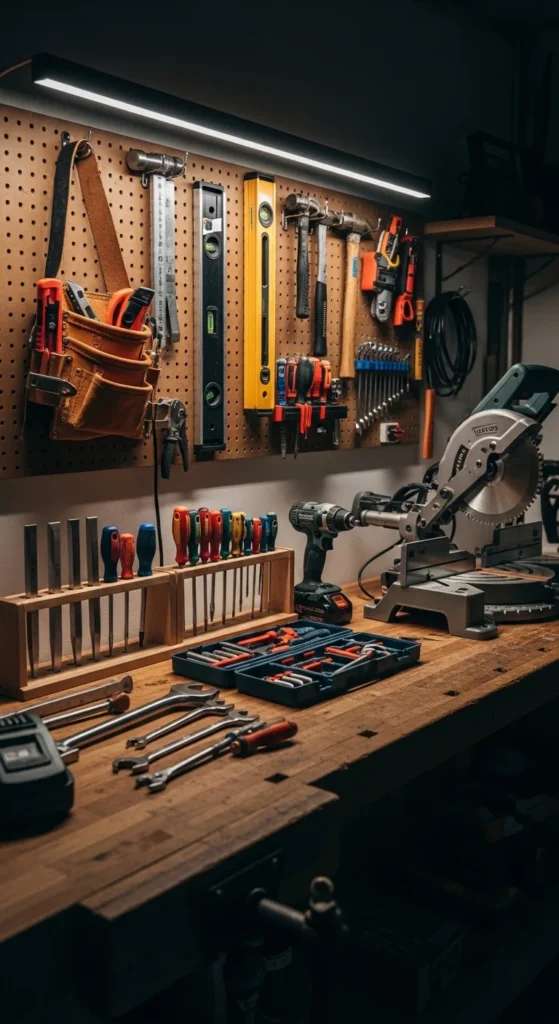
👉 Start with versatile tools, and reinvest your earnings into specialized equipment as your service list expands.
Set Up Your Business Legally and Professionally
Even a small handyman business should be set up the right way to build trust and stay protected.
Here are key steps:
- Register your business name and get any required local licenses or permits.
- Check insurance requirements—general liability coverage protects you if accidents happen.
- Understand local regulations. Some states limit the type of plumbing or electrical work a handyman can do without a contractor’s license.
- Create a simple pricing structure—hourly or per project—and put everything in writing.

👉 Professional setup shows clients you’re serious and trustworthy, which leads to more referrals and bigger jobs.
Price Your Services and Create Packages
Pricing smartly is key to turning skills into profit. Research local handyman rates, then decide whether to charge:
- Hourly rates: Common for small or varied tasks ($25–$75/hr depending on experience and location).
- Flat rates: Great for clear, repeatable tasks like installing a ceiling fan or hanging shelves.
- Project bundles: Offer package deals (e.g., “3 small jobs for $150”) to encourage bigger bookings.
Be upfront with clients about pricing, time estimates, and what’s included. A clear structure builds trust and reduces misunderstandings.

👉 Avoid underpricing yourself—your time, skills, and reliability have real value.
Find Your First Clients Fast
You don’t need expensive marketing to land your first handyman jobs. A mix of local outreach and smart online presence works wonders:
- Start with your network. Friends, family, and neighbors are often the best first clients.
- Use local Facebook groups and community boards. Post a simple offer and your services.
- Create flyers and business cards. Distribute them at hardware stores, coffee shops, or mailbox areas.
- List your business on platforms like TaskRabbit, Thumbtack, Nextdoor, or Google Business Profile.
- Ask for referrals and reviews after every job.

👉 One happy client can lead to several new ones through word of mouth—especially in tight-knit communities.
Deliver Exceptional Service and Build Trust
Your reputation is everything in this business. A professional attitude and attention to detail turn first-time customers into loyal regulars.
To stand out:
- Show up on time and communicate clearly.
- Respect the client’s home. Clean up after yourself and wear shoe covers if needed.
- Be honest about what you can and can’t do. People value transparency.
- Do quality work—it’s the best advertisement you can have.
- Follow up after jobs. A quick thank-you message goes a long way.
👉 Great service builds repeat business, glowing testimonials, and steady referrals—your future growth engine.
Final Takeaway
Starting a handyman business from scratch is one of the most practical and profitable ways to be your own boss. With the right skills, tools, and strategy, you can turn small jobs into steady income—and eventually scale into a thriving local business.

Leave a Reply