

If you love hunting for deals and have a knack for spotting value, flipping electronics could become your next profitable side hustle. From used smartphones to refurbished laptops, there’s a huge market for tech-savvy resellers who know where to buy low and sell high.

Whether you’re looking to make a few hundred bucks a month or scale it into a full-time income, flipping electronics is a smart way to turn secondhand gadgets into steady profit. Here’s exactly how to do it right.
Step 1: Start With the Right Electronics
Not every gadget is worth flipping. Focus on high-demand items that sell fast and hold their value.
Popular categories include:
- Smartphones and tablets – iPhones, iPads, and Samsung Galaxy models.
- Laptops – MacBooks, Chromebooks, and gaming laptops.
- Headphones and earbuds – AirPods, Beats, Bose, and Sony.
- Game consoles – PS5, Xbox, and Nintendo Switch systems.
- Cameras – DSLRs and mirrorless cameras.

Avoid outdated models or damaged devices unless you’re confident you can fix them. Start small with one or two reliable items to learn the process before expanding your inventory.
Step 2: Know Where to Source Great Deals
Finding underpriced electronics is the heart of flipping success. You want to buy smart—from people or places where items are undervalued or unwanted.
Top sources include:
- Facebook Marketplace & Craigslist – Local sellers often list items cheap to sell fast.
- eBay auctions – Look for poorly listed or misspelled listings (they often go unnoticed).
- Thrift stores & pawn shops – Electronics are frequently mispriced or overlooked.
- Refurbish outlets – Buy tested devices, then resell at a markup.

Always check market prices using platforms like eBay’s “Sold Items” filter or StockX for gadgets. This helps you know exactly how much profit potential an item has before buying it.
Step 3: Test, Repair, and Clean Everything
Before you list your electronics, make sure they’re fully functional and look as good as possible. Buyers pay more for clean, ready-to-use devices.
Here’s what to check:
- Battery health – Especially on phones and laptops.
- Screen condition – No cracks or dead pixels.
- Ports and buttons – Everything should work smoothly.
- Software reset – Wipe personal data and restore to factory settings.
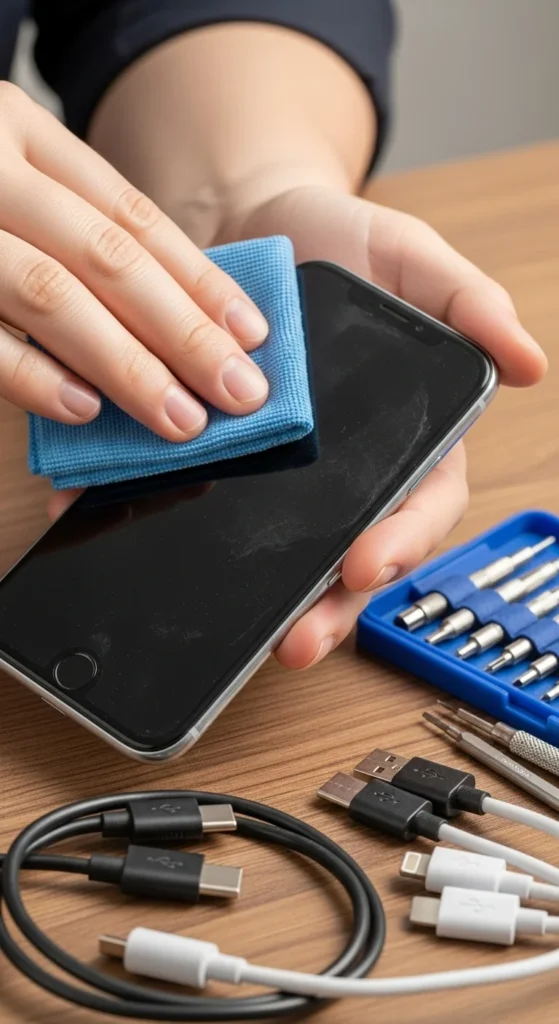
If you’re confident in basic repairs, you can buy broken devices, fix them, and increase your profit margin. Even simple fixes—like replacing a battery or charging port—can double the resale value.
Step 4: Take Photos That Sell
Your photos are your first impression. Well-lit, detailed pictures make buyers trust you and pay more.
Follow these photo tips:
- Use natural light from a window.
- Photograph multiple angles—front, back, and close-ups.
- Include the box, cables, and accessories if available.
- Show the screen turned on to prove it works.

If you can, use a clean, minimal background—white walls, light wood, or plain fabric. The goal is to make your product look new and well cared for.
Step 5: List and Sell on the Best Platforms
Different electronics sell better on different platforms. Choosing the right one helps you move inventory faster and avoid high fees.
Best places to sell:
- eBay – Great for global exposure and auction-style sales.
- Facebook Marketplace – Ideal for quick local cash deals.
- Swappa – Trusted for smartphones and tablets.
- OfferUp or Mercari – Perfect for casual, fast sales.
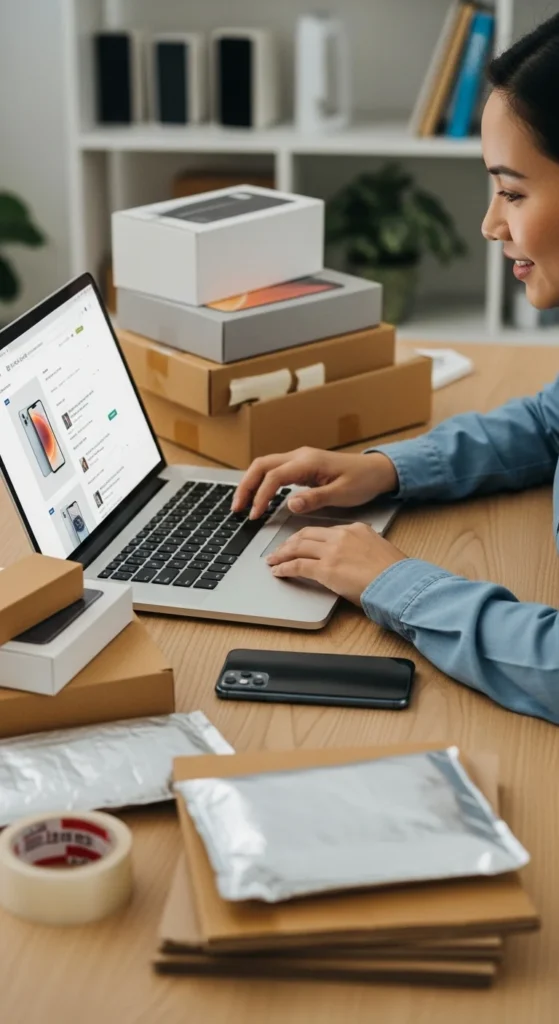
Be honest in your listings—mention any flaws clearly and include keywords like “tested,” “factory reset,” or “refurbished.” Competitive pricing with professional presentation can help your listing stand out in a crowded market.
Step 6: Ship Safely and Handle Buyers Professionally
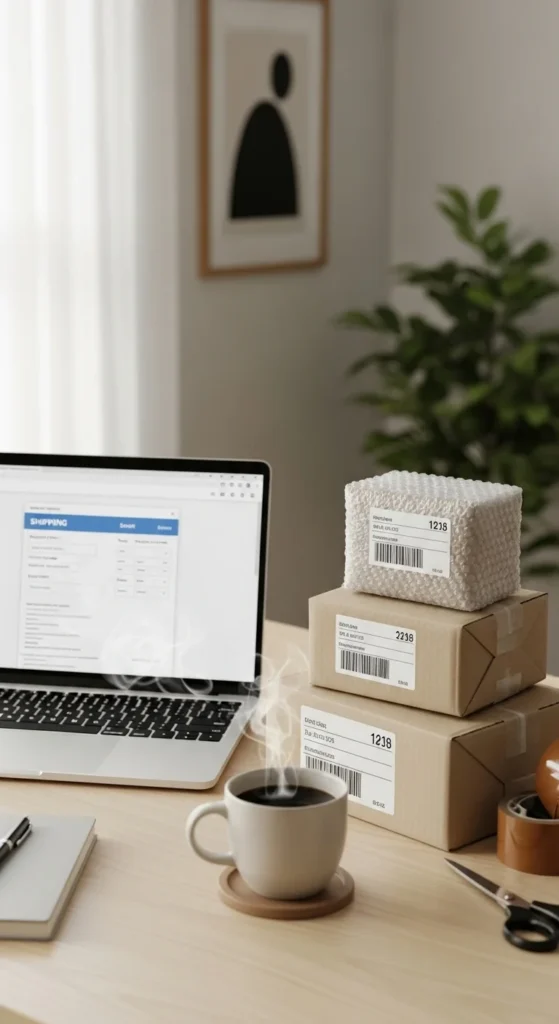
Once an item sells, ship it quickly and safely.
- Use bubble wrap and sturdy boxes.
- Add tracking and insurance for valuable gadgets.
- Message buyers promptly with updates.
Friendly communication and fast service lead to good reviews—which means more sales in the future.
If you’re selling locally, meet in public places during the day and accept cash or digital payments like Venmo or PayPal.
Step 7: Track Profits and Scale Up
Keep a simple spreadsheet to record:
- What you paid
- Selling price
- Platform fees and shipping costs
- Net profit
Once you see which types of electronics bring the most return, focus on those niches. Maybe you’ll specialize in gaming consoles, phones, or audio gear—whatever sells fastest in your area.
Reinvest your profits into better inventory and keep learning from each flip.
Final Takeaway
Flipping electronics isn’t just about making money—it’s about building skills in spotting value, marketing, and customer service. Every flip teaches you how to negotiate, photograph, and sell more efficiently.
Start with what you have, follow these steps, and soon you’ll be turning old gadgets into steady extra income from home.

Leave a Reply