

If you’ve ever been told you have a “great voice” or enjoy reading aloud with expression, voiceover work might be the perfect way to earn extra income—or even start a new career. From commercials and audiobooks to YouTube videos and e-learning, voice actors are in high demand. The best part? You can start from home with minimal equipment and grow your skills (and income) over time.

Whether you’re chasing creative freedom, side income, or a full-time gig, here’s how to start voiceover work and turn your voice into money.
Step 1: Understand What Voiceover Work Is
Voiceover work means using your voice to bring scripts to life. It’s not just about having a nice voice—it’s about emotion, pacing, and clarity.
You might lend your voice to:
- Commercials (TV, radio, or online ads)
- Audiobooks and podcasts
- Animation and video games
- Corporate training videos or e-learning
- YouTube or explainer videos
Each type of work requires a slightly different tone and style, but all start with the same foundation: confidence and clear delivery.

Step 2: Set Up Your Home Studio on a Budget
You don’t need a Hollywood setup to get started. With a few smart investments, you can record professional-quality audio from your home.
Essential gear checklist:
- Microphone: A USB condenser mic like the Blue Yeti or Audio-Technica AT2020.
- Pop filter: Prevents harsh “p” and “s” sounds.
- Headphones: Closed-back studio headphones for clear monitoring.
- Recording software: Free tools like Audacity or Reaper work perfectly.
- Quiet space: Use blankets, foam panels, or even a closet to reduce echo.
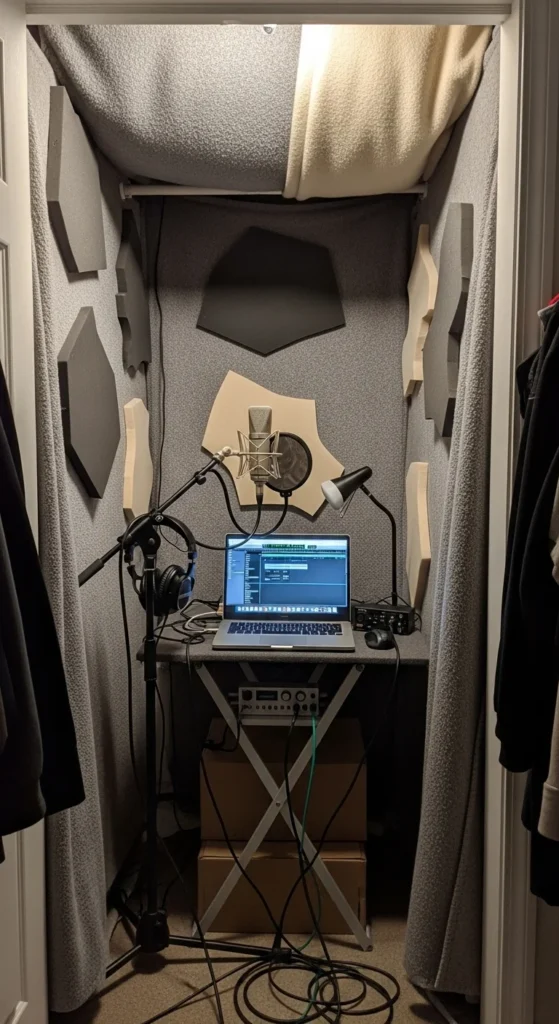
Remember, sound quality matters more than fancy gear. Buyers and casting directors listen for clarity and consistency, not expensive equipment.
Step 3: Practice and Develop Your Skills
Before you start auditioning, practice reading out loud every day. The goal is to sound natural—like you’re talking to a friend, not reading a script.
Here are a few easy ways to improve:
- Read commercials aloud and record yourself.
- Practice different tones—energetic, serious, friendly, or calm.
- Listen to professional voiceovers on YouTube or Spotify for inspiration.
- Experiment with pacing and emotion to match different types of content.
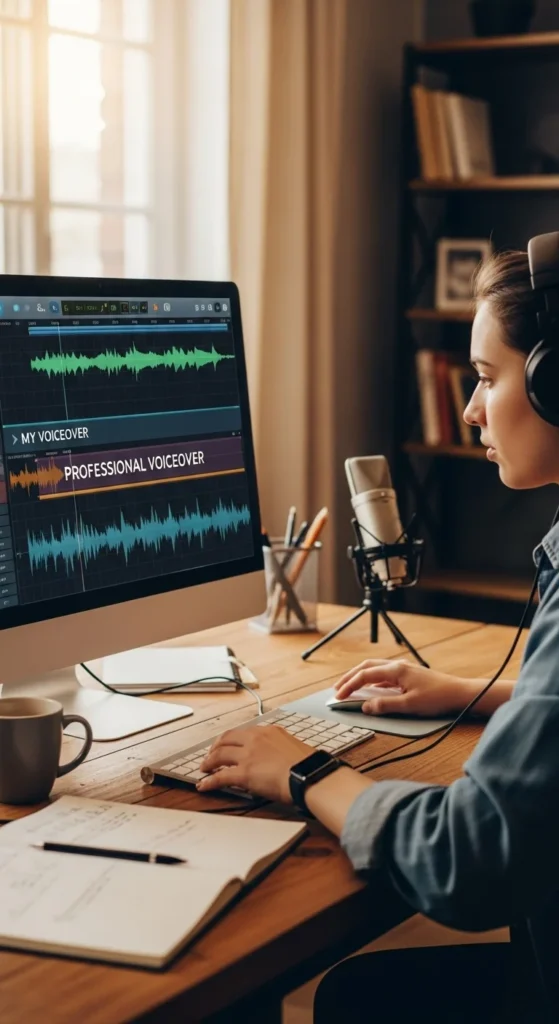
Consider taking a short online course or watching free tutorials on YouTube to learn breathing techniques, voice control, and microphone handling.
Step 4: Create Your First Voiceover Demo
Your demo reel is your portfolio—it shows potential clients what you can do. It doesn’t need to be long; a polished 60–90 second demo with a mix of tones and styles works great.
Include:
- A friendly commercial read (e.g., coffee shop ad)
- A serious narration (documentary or corporate tone)
- A fun character snippet (for animation or games)
- A clear closing line to showcase control and confidence
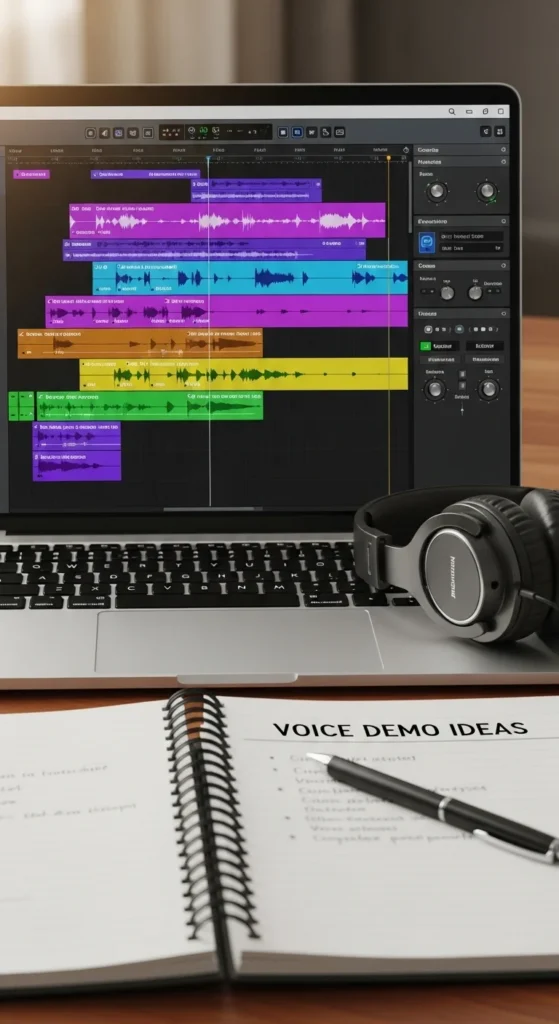
If you’re new, create your own scripts or download free ones online. As you gain experience, update your demo with real client work.
Step 5: Find Voiceover Jobs Online
Now it’s time to land your first paid gig! Luckily, there are plenty of platforms for beginners.
Top sites to start with:
- Fiverr – Great for building a portfolio and finding quick projects.
- Upwork – Freelance platform for commercial and e-learning clients.
- Voices.com – Professional site for auditions and larger contracts.
- ACX – Amazon’s platform for audiobook narrators.
- Casting Call Club – Perfect for animation and video game projects.

When you apply, personalize your auditions. Record a custom sample for each job and highlight your ability to match the project’s tone and pace.
Step 6: Monetize and Grow Your Income
Once you start landing projects, focus on consistency and customer experience. Deliver high-quality recordings, communicate well, and build relationships with repeat clients.
Here’s how to increase your earnings over time:
- Offer additional services like script editing or sound effects.
- Create gig packages (e.g., basic, standard, and premium voiceovers).
- Raise your rates as you gain experience and 5-star reviews.
- Sell your voice on multiple platforms to maximize exposure.
- Invest profits into better gear and training to stay competitive.
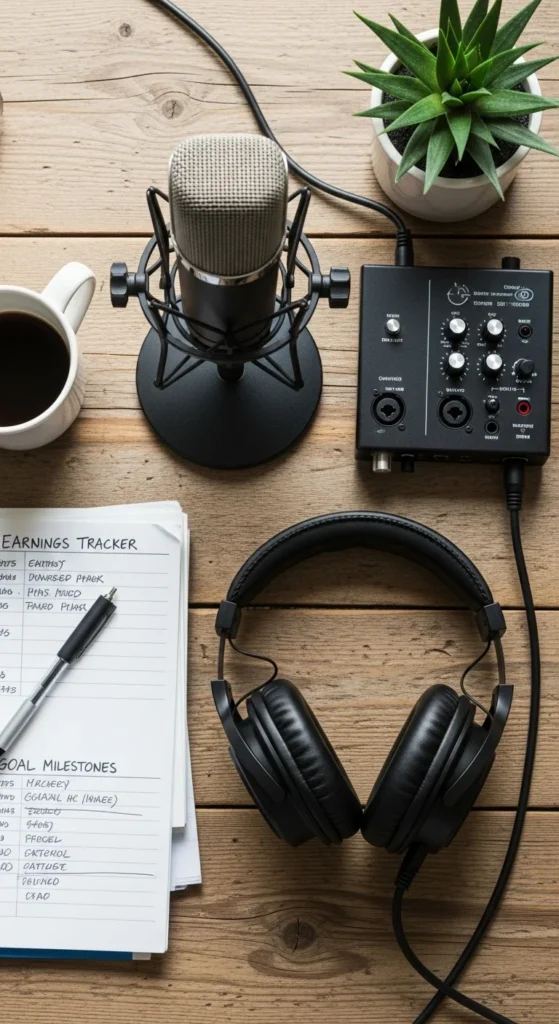
With persistence, many voice actors earn anywhere from $25–$200 per project, and experienced narrators can make $1,000+ per month or more.
Final Takeaway
Starting voiceover work doesn’t require a degree or studio—just your voice, a bit of equipment, and a willingness to learn. The key is to start small, practice often, and keep improving.
So grab a microphone, record your first sample, and start exploring your new career behind the mic.

Leave a Reply