

If you have an eye for detail, love storytelling, and enjoy polishing raw content into something professional, video and article editing can become a profitable online side hustle — or even a full-time business. Whether it’s trimming YouTube clips, refining blog posts, or reworking brand scripts, there’s a growing demand for editors who can make content shine.

Why Editing Is a Hidden Goldmine
Every piece of online content — from TikToks to long-form blogs — goes through an editing phase. The better it’s edited, the more engagement it earns. That’s why creators, brands, and marketers constantly hire editors who can:
- Improve flow and clarity
- Fix grammar, pacing, and tone
- Enhance visuals and sound quality
- Keep content aligned with brand goals
If you can make words and visuals “click,” you already have a valuable skill. The best part? You don’t need expensive degrees — just practice, consistency, and a portfolio.
Step 1: Choose Your Niche
Before diving in, decide what kind of editing excites you most.
[Image Prompt] A split-view photo showing a video editor using Adobe Premiere Pro on one side and a writer editing text on Google Docs on the other.
Popular niches:
- Video editing: YouTube vlogs, short-form clips (Reels, TikToks), wedding videos, podcasts, and ads.
- Article editing: Blog posts, SEO content, academic writing, or newsletters.
- Script and copy editing: For YouTubers, influencers, and coaches creating educational or sales-driven content.
Start with one niche you’re confident in, then expand as you grow. Specializing early helps you attract targeted clients who value your expertise.
Step 2: Master Your Tools
Good editing requires the right toolkit — but don’t get overwhelmed. Focus on mastering a few key tools first.
For video editors:
- Free options: CapCut, DaVinci Resolve, or HitFilm Express.
- Professional tools: Adobe Premiere Pro, Final Cut Pro, or After Effects for animations.
For article editors:
- Free options: Google Docs with Grammarly or Hemingway.
- Advanced tools: ProWritingAid, WordTune, and SurferSEO for content optimization.

Take online tutorials, practice on your own clips or blog drafts, and experiment with styles — cinematic, corporate, or casual — until editing feels second nature.
Step 3: Build a Portfolio That Sells
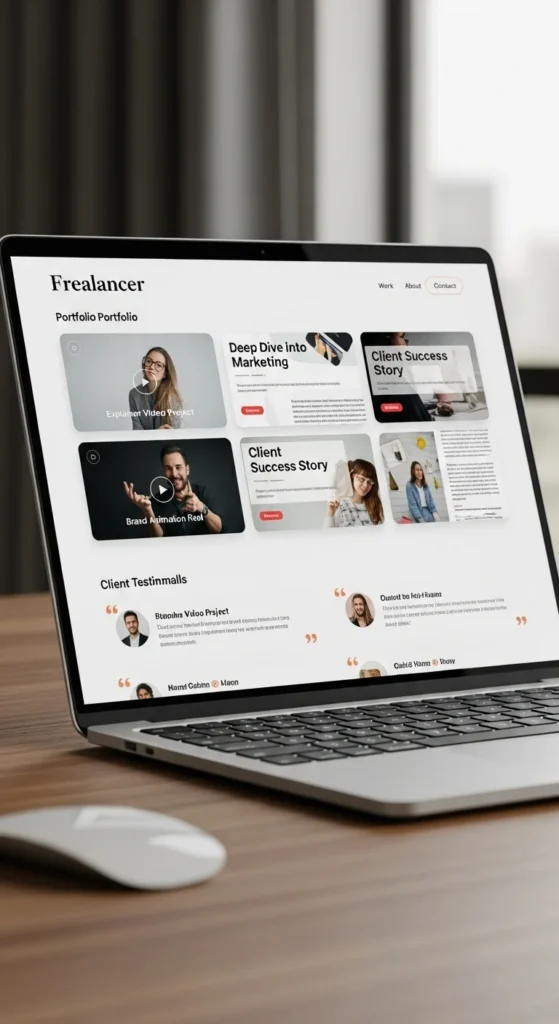
No one hires a faceless freelancer. You need to show your results.
Even if you’re new, start building a small sample portfolio.
Ideas for getting started:
- Edit videos for friends, local businesses, or small creators.
- Offer free article rewrites for bloggers in exchange for testimonials.
- Create before-and-after samples showing your editing improvements.
Post your work on Behance, LinkedIn, YouTube, or a simple Google Drive folder. Keep your portfolio clean, clear, and client-focused.
Step 4: Find Clients Who Pay Well
Once your portfolio is ready, it’s time to find consistent work.
Start small, build trust, and raise your rates as you gain experience.
Top platforms:
- Freelance sites: Upwork, Fiverr, Freelancer, and PeoplePerHour.
- Job boards: ProBlogger, Indeed, and Glassdoor (search “remote editor”).
- Direct outreach: DM YouTubers, bloggers, or agencies offering editing help.
You can also network on LinkedIn or join Facebook groups for content creators. Pitch professionally: show examples, explain your value, and offer a quick turnaround.
Step 5: Boost Your Earnings With Retainers & Packages
Once you’ve landed a few clients, turn one-time gigs into monthly retainers.
For example:
- Offer 5 edited videos a month at a flat rate.
- Bundle services (e.g., video + thumbnail + SEO description).
- Provide content audits or “fast delivery” upgrades for extra pay.
The goal is to move from short-term projects to steady, recurring income.
Most full-time editors earn $25–$100 per hour or more, depending on niche and quality.

Step 6: Keep Learning and Level Up
Editing trends evolve fast — especially with AI tools and new formats emerging every month.
Stay sharp by:
- Watching YouTube tutorials from pros.
- Following Reddit or Discord communities for editors.
- Learning motion graphics, storytelling, or SEO for a creative edge.
The more you upskill, the higher you can charge.
Step 7: Turn It Into a Full-Time Business
As demand grows, think bigger:
- Build a personal brand as an “Editing Expert.”
- Create your own website or blog showcasing client success stories.
- Offer editing courses, templates, or presets for passive income.
Once you establish credibility, brands and creators will reach out to you directly — not the other way around.
Final Takeaway
Editing is one of the most flexible and high-demand online skills today. Whether you prefer fixing words or cutting video clips, you can turn your attention to detail into serious income — all from home.


Leave a Reply