


Many people want a clear direction for their future but struggle to turn thoughts into action. A vision journal helps turn scattered goals into written life plans. It is a simple habit where ideas about your future self, goals, and lifestyle are written in a structured way. This practice is often used for career growth, financial planning, health changes, and personal confidence building. The aim is to make your future life feel more real through writing and reflection. Below are practical vision journal ideas that help shape big goals into small, daily writing actions.
1. Future Self Morning Page

Start your day by writing as your future self. Imagine yourself one year or five years ahead. Write what your day looks like, what work you do, and how you feel. Keep sentences simple and direct. Focus on daily life details like waking up, work routine, and habits. This practice helps build a mental picture of where you want to go. Do it for 10 minutes each morning. Use a basic notebook, no need for expensive journals. The goal is consistency, not perfection. Over time, your thoughts start aligning with your written future. This builds clarity for your actions during the day.
2. Ideal Day Script

Write a full day in your ideal life from morning to night. Include work, meals, people, and emotions. Keep it realistic but positive. Describe how your ideal day feels, not just what happens. For example, mention waking up without stress or completing meaningful work. This helps your mind see your target lifestyle clearly. Use a simple notebook and write once a week. You can change the script anytime. The purpose is to slowly shape your habits toward this version of your life.
3. Career Vision Ladder

Draw a ladder in your journal. Each step represents a career stage. Start from your current position and move upward toward your dream role. Write what skills you need for each step. Keep it simple and realistic. Add small actions under each stage like learning a tool or applying for a job. This method breaks big career goals into smaller steps. It helps reduce confusion and gives direction for skill growth.
4. Financial Freedom Page
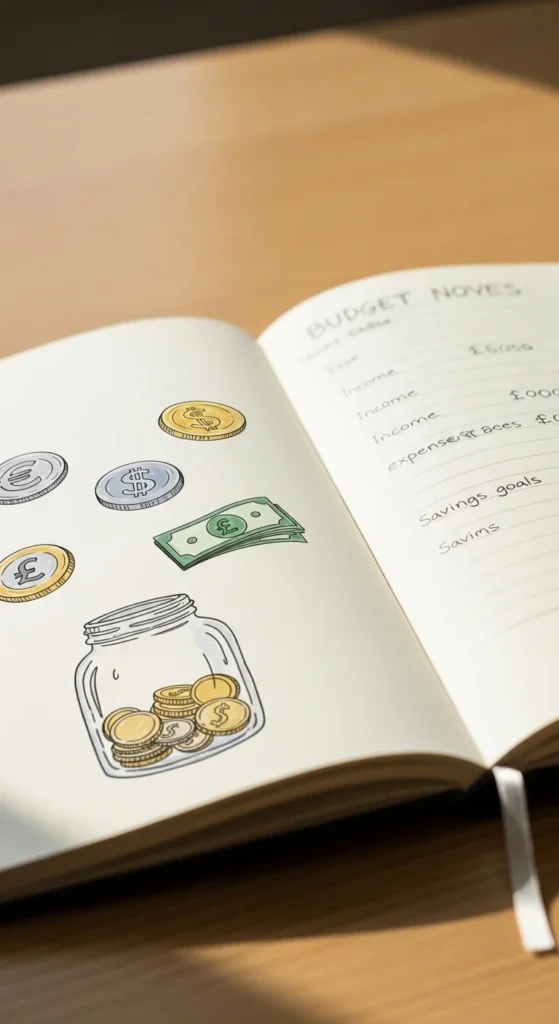
Write what financial freedom means to you. Include income level, spending habits, and lifestyle choices. Avoid complicated planning. Focus on simple descriptions like “no debt” or “steady savings each month.” Add a section for small money habits you can start today. This helps connect your financial goals with daily behavior. The goal is awareness, not pressure. Over time, this builds a healthier money mindset.
5. Health Identity Journal

Write about your future healthy self. Describe daily habits like walking, eating, and sleep patterns. Focus on identity: “I am someone who takes care of my body.” Keep it simple. Add small habits like drinking more water or short walks. This helps shift mindset from short-term dieting to long-term lifestyle change. Use this page daily or weekly.
6. Relationship Future Script

Write about the kind of relationships you want in the future. This can include family, friends, or partner life. Focus on feelings like respect, trust, and support. Describe simple daily interactions. Avoid fantasy-heavy writing. Keep it grounded and real. This helps improve emotional awareness and communication habits.
7. 1-Year, 5-Year, 10-Year Timeline Map
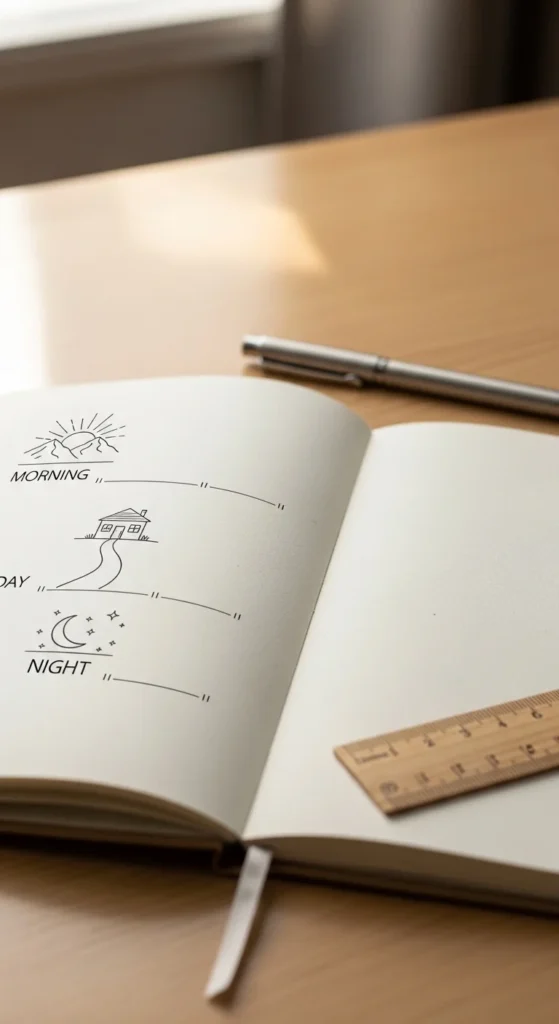
Divide a page into three sections: 1 year, 5 years, and 10 years. Write what you want in each stage of life. Keep it short for each section. Focus on career, lifestyle, and personal growth. This helps build long-term direction. You can update it every few months as your thinking changes.
8. Big Goal Breakdown Map

Take one big goal and break it into smaller steps. Write the goal at the center and branch out small actions. For example, learning a skill or saving money. This makes large goals feel easier to manage. Focus on actions you can start this week. Keep each step simple and clear.
9. Gratitude for Future Wins

Write gratitude as if your goals are already completed. For example, “I am thankful for my stable job” or “I am grateful for my healthy routine.” This shifts attention toward positive thinking. Keep sentences short. Do this a few times a week. It helps build emotional connection with your goals.
10. Vision Board Journal Hybrid

Combine drawing and writing. Add simple sketches or cut-out images that represent your goals. Write a few lines under each. This blends visual inspiration with written planning. You do not need expensive tools. Old magazines and a notebook are enough.
11. Daily 10-Min Vision Routine

Set a timer for 10 minutes. Write about your future self or current goals. Keep it simple and fast. The aim is consistency. Do not worry about grammar or structure. This small daily habit builds long-term clarity.
12. Limiting Belief Rewrite Journal

Write a negative thought on one side. On the other side, rewrite it in a better way. For example, “I cannot do this” becomes “I am learning step by step.” This helps shift thinking patterns slowly over time.
13. Success Milestones Tracker

List small milestones toward your goals. Add checkboxes and mark progress. Focus on small wins like learning or completing tasks. This helps track growth without pressure.
14. Dream Home Visualization

Write about your ideal living space. Describe rooms, light, and comfort. Keep it realistic and personal. Focus on feelings of comfort and stability.
15. Lifestyle Freedom Journal

Write about a lifestyle with more freedom. Include travel, work balance, and daily comfort. Keep ideas simple and grounded.
16. Skills Future Self Writing

Write skills your future self has. Add small steps to learn them. Keep focus on practice and consistency.
17. Decision Making Future Self

Write decisions from your future self’s point of view. Ask what choice they would make. This helps reduce confusion.
18. Weekly Vision Review

Once a week, review your goals. Write what worked and what did not. Keep it short and honest.
19. Confidence Identity Journaling

Write statements about your confident self. Keep them simple and present-focused. Repeat regularly.
20. Action Alignment Journal

Write one goal and list actions that match it. Focus only on what you can do today or this week. Keep it practical and small.
21. Time-Blocked Vision Day Plan

Write your future day using time blocks. Divide the page into morning, afternoon, and evening sections. Under each block, describe what you are doing in your ideal life. Keep it practical. For example, morning can include waking up early, light exercise, or focused work. Afternoon may include career tasks or learning skills. Evening can include rest, reading, or family time. Avoid overloading the schedule. Keep it realistic so it feels achievable.
This method helps you see how your goals fit into a normal day. Many people only think about goals but do not see how time is used. This page connects both ideas. Use simple notes instead of long sentences. Add small habits like “10-minute walk” or “study session.” You can update this weekly as your routine changes. Over time, you will notice patterns in how your ideal life is structured.
22. Emotional State Future Check-In

Write about how your future self feels emotionally. Focus on inner state rather than external success. Describe calmness, confidence, stability, or peace in simple words. Avoid overthinking details. For example, you might write that your future self feels less stressed and more focused during daily life.
Split the page into two parts. On one side, write your current emotional state. On the other side, write your desired emotional state. This creates awareness of the gap between where you are and where you want to be. Keep sentences short and honest. You can also add small habits that support emotional balance like walking, journaling, or taking breaks from screens.
This practice helps connect emotional health with your goals. Many goals fail not because of planning, but because of emotional pressure. Writing about feelings regularly helps reduce internal tension and supports steady progress.
23. Problem-to-Solution Future Journal

Choose one problem you are facing right now. Write it clearly on the left side of the page. On the right side, write how your future self would handle it. Keep both sides simple. Do not over-explain. Focus on actions, not emotions.
For example, if the problem is lack of discipline, your future self might wake up at a fixed time and follow a small routine. If the problem is financial stress, your future self might track spending and save small amounts regularly.
This exercise helps shift thinking from confusion to direction. It also shows that many problems become smaller when broken into actions. You can repeat this exercise whenever you feel stuck. Keep the tone practical and realistic. The goal is not perfection but clarity in response.
24. Monthly Identity Reset Page

At the start or end of each month, write a reset page. Describe what kind of person you want to be in the coming month. Focus on identity, not just goals. For example, “I am someone who stays consistent with small daily actions” or “I am someone who manages time better.”
Then list 3–5 habits that support this identity. Keep them small and realistic. Avoid adding too many changes at once. You can also write what you want to leave behind from the previous month, such as distractions or habits that slowed progress.
This page helps create a fresh mental start every month. It also builds awareness of behavior patterns. Over time, you begin to notice improvement in discipline and focus without forcing large changes.
25. Legacy and Long-Term Impact Journal

Write about the long-term impact you want to leave in your life. Keep it simple and grounded. Focus on how you want people to remember your actions, values, or contribution. This is not about fame or large achievements, but about personal meaning.
Describe the kind of person you want to be remembered as by family, friends, or community. For example, someone who was consistent, kind, or responsible. Then write small actions that reflect this identity today. Even simple habits like helping others, learning skills, or staying honest can connect to this idea.
This page helps connect daily behavior with long-term thinking. It reminds you that small actions build your future story. Keep writing short and personal. You can revisit this page every few months to reflect on direction and consistency.
Conclusion
Vision journaling works best when it becomes a small daily habit instead of a complex system. Writing your future self, breaking goals into steps, and tracking simple progress helps build direction over time. Each idea above can be used alone or combined into your own routine. The goal is steady clarity through writing, not perfection.

Leave a Reply