


Many people set goals but lose direction within days because there is no simple system to stay consistent. A goal-setting journal helps turn ideas into written structure that can be reviewed daily, weekly, and monthly. It works like a personal planning tool where thoughts, habits, and progress are tracked in one place. This method is widely used to improve focus, reduce confusion, and keep motivation steady. Below are practical journal ideas that help connect daily actions with long-term goals in a simple and realistic way.
1. SMART Goal Breakdown Page

Write one goal using the SMART method. Keep it simple: specific, measurable, and time-based. Instead of writing a vague goal like “get fit,” turn it into “walk 30 minutes five times a week.” Break it into small parts on the page. Add a deadline and one reason why it matters. This helps turn unclear thoughts into something actionable.
Use a cheap notebook or even loose paper. The goal is clarity, not design. Review this page every morning. Read it slowly and remind yourself what needs to be done today. This reduces confusion and helps focus your energy on one direction instead of many scattered ideas.
2. Daily Top 3 Priorities Journal

Write only three tasks for the day. Keep them realistic and achievable. Avoid filling the page with long lists. Focus on what truly moves your goal forward. For example, one task can be learning, one can be work, and one can be personal growth.
This method keeps your mind calm. You do not feel overloaded. At the end of the day, check what was completed. If something is missed, move it to the next day instead of feeling pressure. Over time, this habit builds consistency without stress.
3. Weekly Goal Reset Page

Once a week, write your main goal for the week. Then break it into smaller actions. Keep it short and practical. Write what must be finished and what can wait.
Add a small reflection section. Write what worked last week and what did not. This helps you improve your planning slowly. Do not overthink changes. Small adjustments are enough.
This page works like a reset button. It keeps your direction clear and helps avoid drifting away from long-term goals.
4. Motivation Trigger List
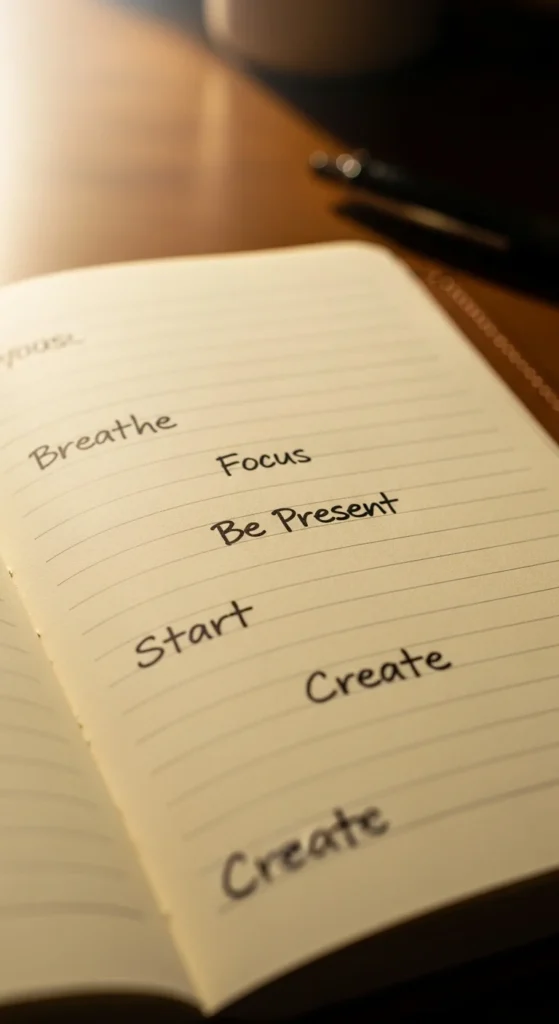
Write down things that increase your motivation. It can be music, walking, reading, or short breaks. Keep the list personal and simple. Avoid copying others.
Use this page when motivation drops. Instead of forcing work, pick one trigger and start again. For example, a 5-minute walk or reviewing your goal page.
This helps build emotional awareness. You learn what works for your energy instead of guessing.
5. Progress Tracking Grid

Create a simple tracking table for your goals. Each row can represent a habit or task. Each box can be a day of the week. Tick what you complete.
Keep it very basic. Do not make it complicated. Even small progress like reading 10 minutes can be tracked.
This helps you see progress visually. Seeing small wins builds consistency over time.
6. Why I Want This Goal Page

Write the real reason behind your goal. Go beyond surface answers. Instead of “I want more money,” write what it changes in your life, like stability or freedom.
Keep sentences honest and personal. This page connects emotion with action.
When motivation drops, reread this page. It reminds you why you started.
7. Habit + Goal Link Journal

Write your main goal at the top. Then list habits that support it. For example, if your goal is fitness, habits can include walking, water intake, and sleep routine.
Keep it realistic. Avoid too many habits. Focus on 2–4 strong ones.
This page helps you understand that goals are built through habits, not sudden effort.
8. Action Step Breakdown Page

Take one big goal and break it into small steps. Write each step in order. Keep steps small enough to do within a week or month.
For example, learning a skill can be broken into watching lessons, practicing daily, and doing small projects.
This removes confusion and makes progress feel easier.
9. End-of-Day Reflection Journal

At night, write what you completed during the day. Do not judge yourself. Keep it simple.
Write three things: what you did, what you missed, and what you learned.
This helps improve awareness. Over time, you notice patterns in your productivity and behavior.
10. Focus Block Planning Page
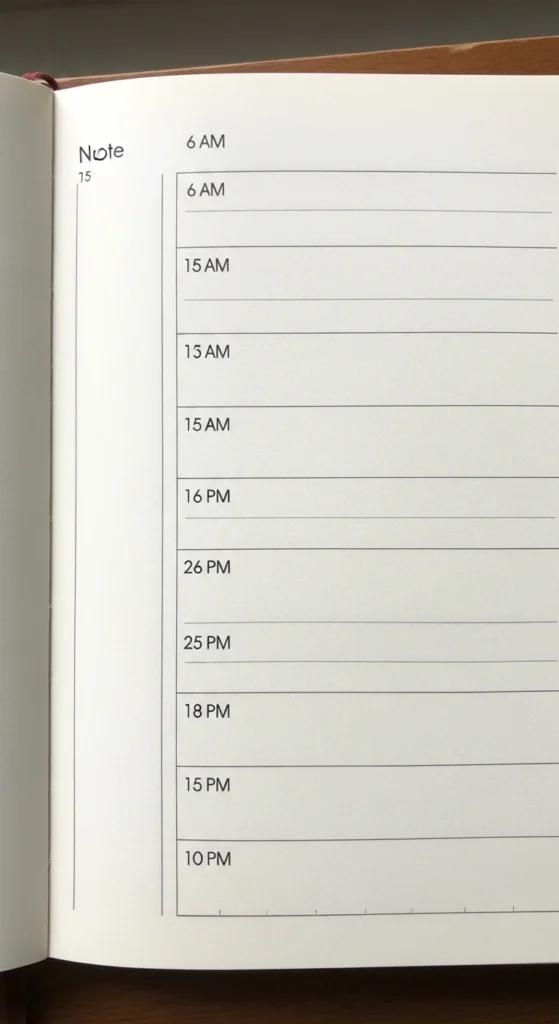
Divide your day into focus blocks. Write what task goes in each block. Keep it simple and realistic.
Avoid overloading your schedule. Leave space for rest and flexibility.
This helps reduce distraction and improves focus on one task at a time.
11. Distraction List Journal

Write down things that distract you from your goals. It can be phone use, social media, or procrastination habits.
Next to each, write a small control step. For example, limiting phone time or setting short work sessions.
This builds awareness and helps reduce wasted time.
12. Monthly Goal Check Page

At the start or end of the month, write your main goal. Then check what progress was made.
Keep it simple. Do not judge yourself. Focus on improvement.
Adjust your plan based on real results instead of expectations.
13. Identity-Based Goal Page

Write who you want to become, not just what you want to achieve. For example, “I am someone who stays consistent.”
Then write actions that match this identity.
This helps shift focus from pressure to behavior.
14. Accountability Self-Check Page

Ask yourself simple questions: Did I follow my plan? What stopped me? What will I change?
Answer honestly. Keep it short.
This builds responsibility without external pressure.
15. Goal Visualization Writing Page

Write your goal as if it is already completed. Describe your life in simple words.
Keep it grounded and realistic. Focus on daily life changes, not fantasy.
This helps create mental clarity.
16. Weekly Review Score Page

Rate your week based on effort and consistency. Do not aim for perfection.
Write one improvement for next week.
This helps track growth over time.
17. Energy Level Tracker

Track your energy during different times of the day. Write when you feel most focused.
Use this to plan better work hours.
This improves productivity naturally.
18. Small Win Journal

Write even the smallest achievements. It can be finishing a task or staying consistent.
This builds confidence over time.
19. Goal Reset Page

When you feel stuck, rewrite your goal simply. Remove pressure. Keep only what matters.
This helps restart motivation.
20. Problem-Solution Journal

Write a problem on one side and a solution on the other. Keep both simple.
This turns confusion into action.
21. Time Blocking Goal Journal
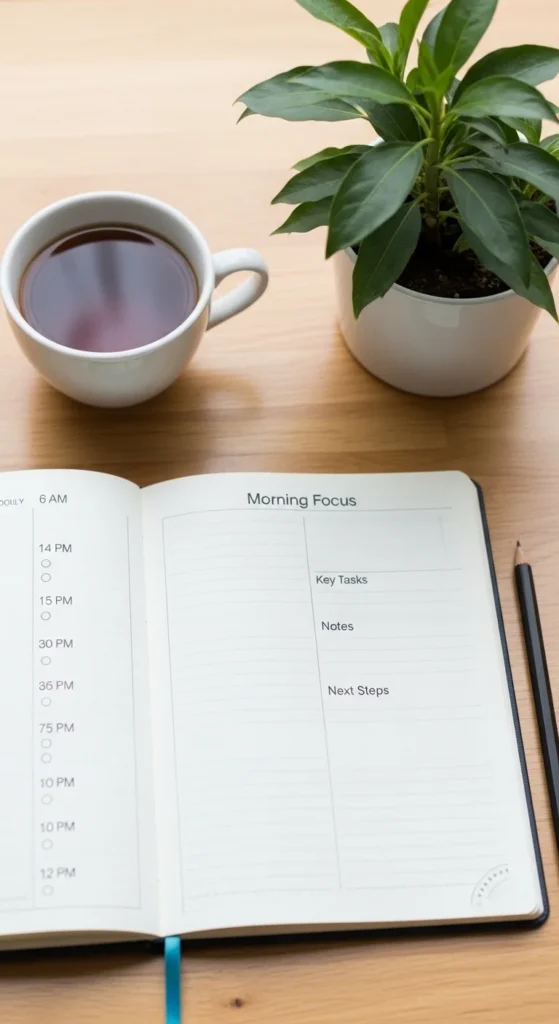
Plan your day using time blocks linked to goals. Keep it realistic.
This builds structure and reduces wasted time.
22. Focus Recovery Page
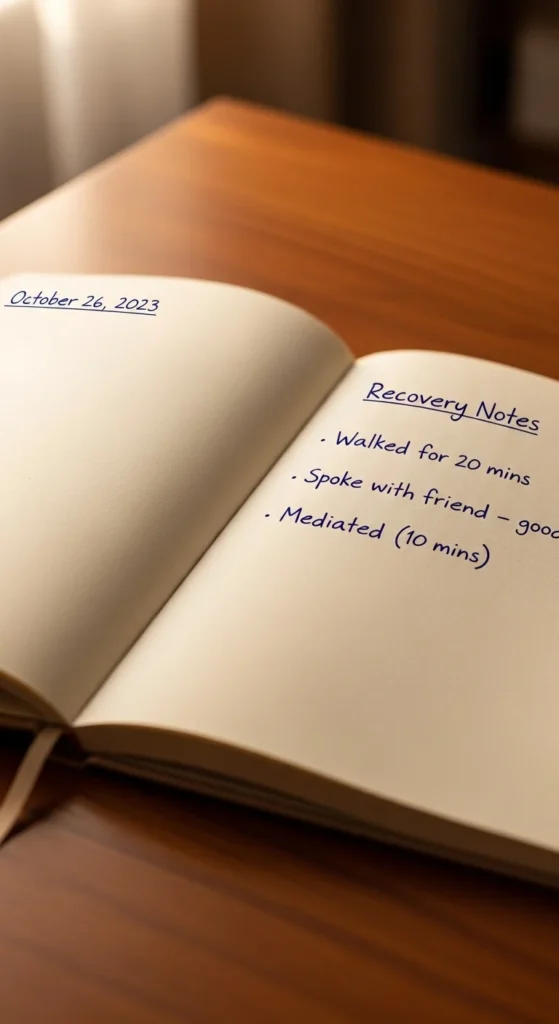
Write what helps you regain focus when distracted.
Use it when your mind feels scattered.
23. Long-Term Vision Alignment Page

Write your long-term goal and link it to daily actions.
This keeps your direction stable.
24. Habit Correction Page
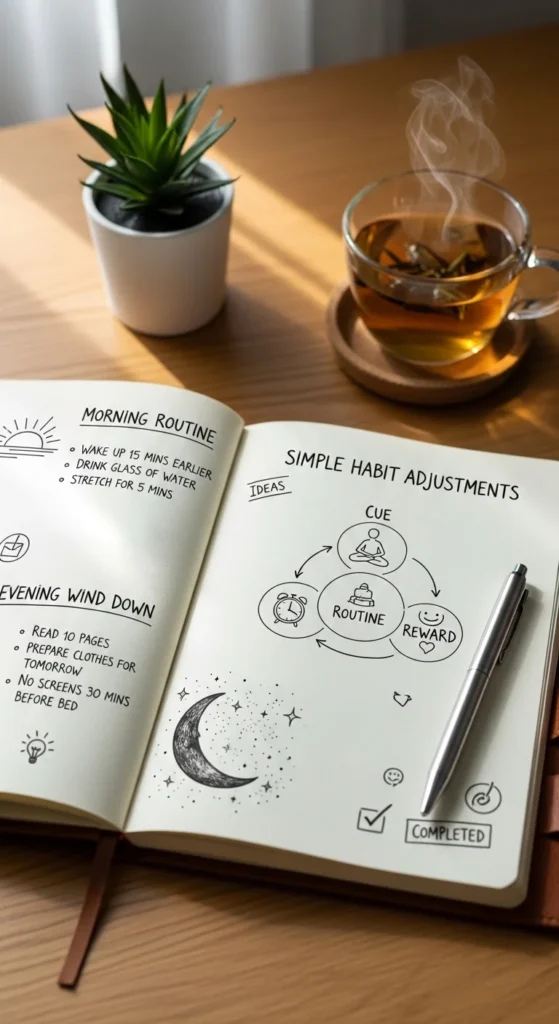
Write one habit you want to fix. Then write a small replacement habit.
Keep changes simple.
25. Daily Commitment Page

Write one commitment for the day. Keep it small and realistic.
This builds consistency step by step.
26. Consistency Tracker Page

Track how many days you stay consistent with your goals.
Focus on streaks, not perfection.
Conclusion
Goal-setting journals work best when they stay simple, practical, and consistent. Each idea above helps connect daily actions with long-term direction without pressure. When written regularly, these pages create clarity, structure, and steady motivation. The real progress comes from showing up daily and keeping your goals visible in written form.

Leave a Reply