


Staying productive every day is less about working harder and more about having a simple system that keeps you focused. A productivity journal works as a daily execution tool where you plan tasks, take action, and review progress in one place. It reduces overwhelm, helps you focus on what matters, and builds consistency over time. Below are practical journaling ideas you can start using today to organize your day, stay focused, and actually finish what you start.
1. Brain Dump Clarity Page

Start your day by writing everything on your mind. Do not organize it yet. Just list tasks, worries, ideas, and reminders. This clears mental clutter quickly.
Use any notebook or scrap paper. No design required. Once everything is written, circle the important tasks. Ignore the rest for now. This simple habit helps you avoid feeling overwhelmed.
Keep this process under 5–10 minutes. The goal is clarity, not perfection. When your mind feels crowded, come back to this page and repeat the process.
2. Top 3 Priority Journal

After your brain dump, pick only three tasks. These should be the most important actions of your day.
Avoid long lists. Three tasks are enough. This keeps your focus sharp and manageable. If you complete these, your day is already productive.
Write them clearly. Keep them realistic. At the end of the day, check them off. This builds a strong sense of progress without stress.
3. Time Blocking Planner Page

Divide your day into time blocks. Assign one task per block. Keep space between blocks for breaks.
Do not overload your schedule. Be realistic about your energy and time. For example, work in 60–90 minute sessions.
This method helps reduce distraction. You know exactly what to do at a specific time. It keeps your day structured and focused.
4. Morning Focus Intention Page

Write one intention for your day. Keep it simple like “stay focused” or “finish key task.”
This is not a long paragraph. One line is enough. It sets the tone for your day.
Read it once before starting work. It helps guide your actions without overthinking.
5. Daily Task Sorting Page

Split your tasks into three groups: important, optional, and later. This helps you avoid doing low-value work first.
Focus only on the important section. The rest can wait.
This method helps reduce wasted time and keeps your energy on meaningful work.
6. Distraction Tracker Journal
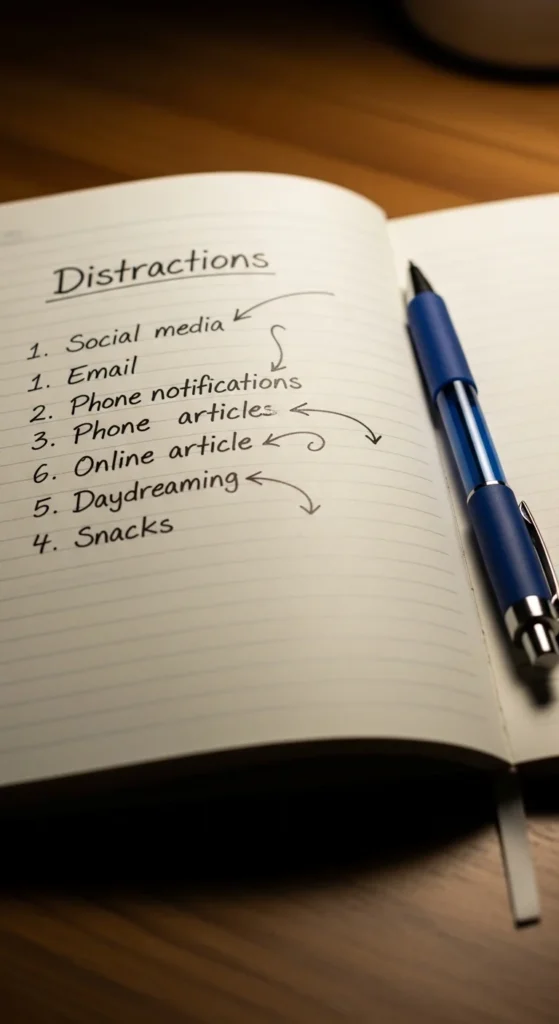
Write down what distracts you during the day. It could be phone use, social media, or random thoughts.
Next to each, write a simple solution. For example, keep your phone away during work blocks.
This builds awareness and helps you improve gradually.
7. Focus Session Log

Track how many focused sessions you complete. Each session can be 25–60 minutes.
Write start time, end time, and task completed.
This helps you measure real work instead of just time spent sitting.
8. Energy Level Tracker

Track your energy at different times of the day. Write when you feel active and when you feel tired.
Use this to schedule your most important tasks during high-energy periods.
This improves productivity without extra effort.
9. Daily Wins Journal
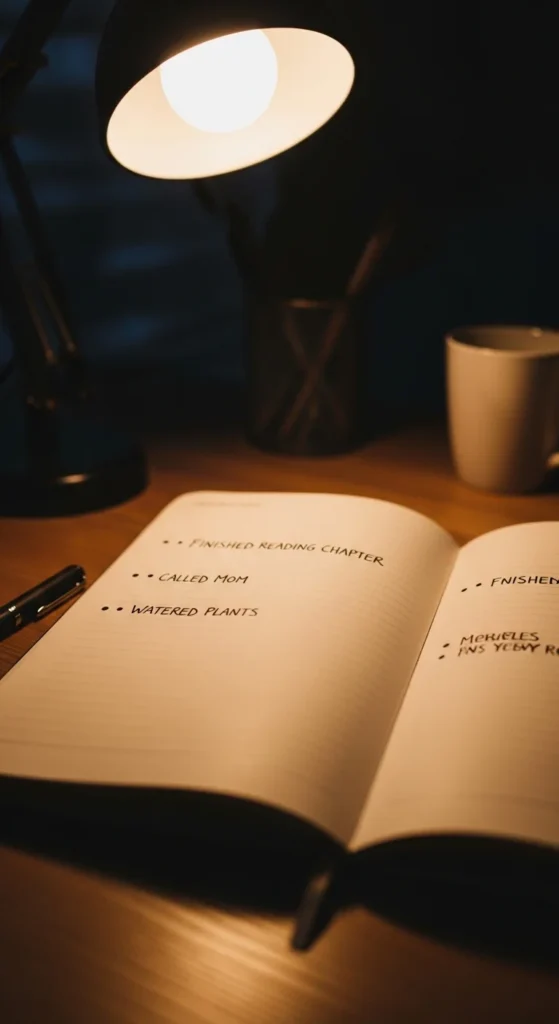
Write three small wins at the end of the day. Even simple tasks count.
This builds confidence and keeps you motivated.
It helps you focus on progress instead of perfection.
10. Problem-Solution Page

Write one problem you faced. Then write a simple solution.
Keep both short and practical.
This helps you move forward instead of staying stuck.
11. Weekly Reset Page
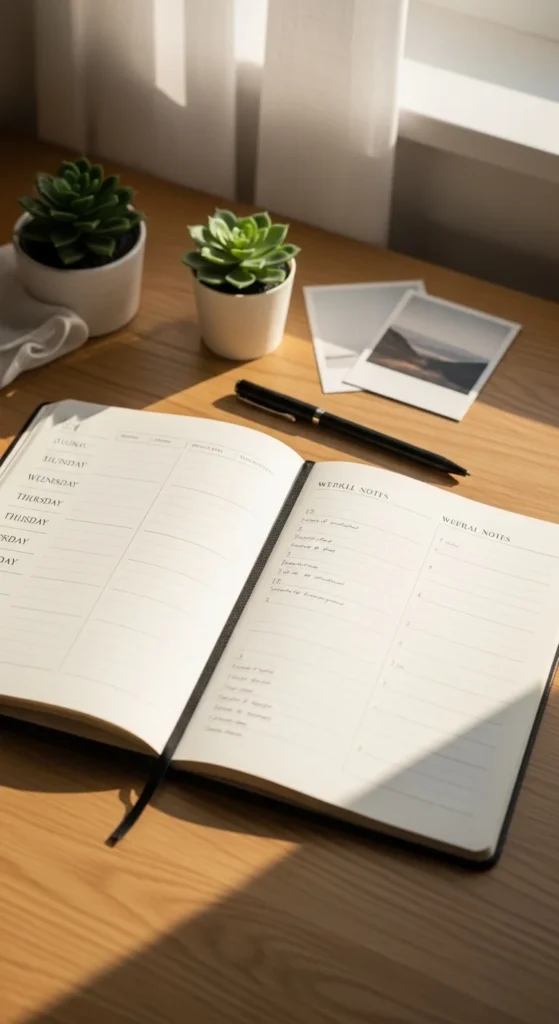
Once a week, write what worked and what did not.
Adjust your plan based on real results.
This keeps your system flexible and realistic.
12. Habit Tracker Journal

Track simple habits like reading, exercise, or focused work.
Keep it basic. A simple checkmark is enough.
Consistency matters more than complexity.
13. Priority vs Urgent Page
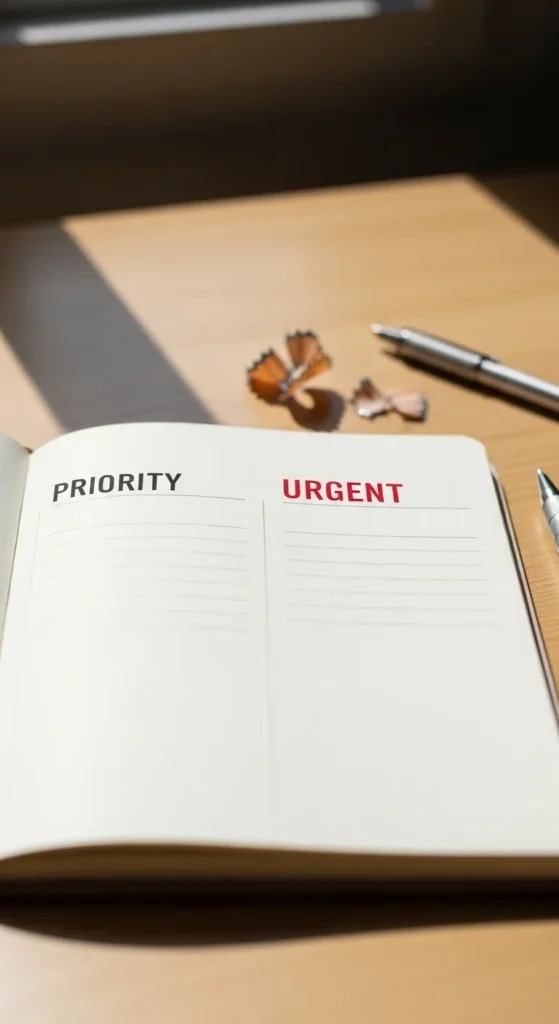
Write tasks under two sections: priority and urgent.
Focus on priority first. Urgent tasks can distract you from important work.
This helps you stay aligned with long-term goals.
14. End-of-Day Reflection Page

Write what you completed, what you missed, and what you learned.
Keep it simple and honest.
This builds awareness and improves your next day.
15. Mini Goal Breakdown Page

Take one goal and break it into small tasks.
Write them in order. Keep each step simple.
This removes confusion and makes progress easier.
16. Task Batching Journal

Group similar tasks together. For example, emails, calls, or writing.
Do them in one block instead of switching constantly.
This saves time and energy.
17. Focus Recovery Page

Write what helps you regain focus when distracted.
Use it when your mind feels scattered.
This helps you return to work quickly.
18. Simple Planning Page

Plan your day in just 5 minutes. Write only what matters.
Avoid overplanning. Keep it short.
This makes journaling easy to maintain daily.
19. Time Waste Awareness Page

Write where your time was wasted during the day.
Be honest but not harsh.
This helps you reduce unnecessary habits.
20. Daily Commitment Line
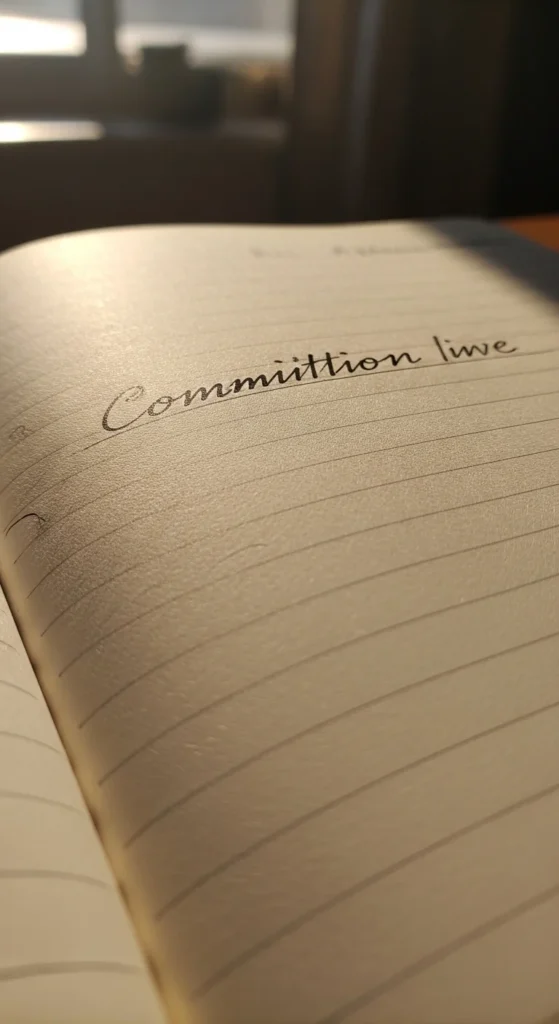
Write one commitment for the day.
Keep it small and achievable.
This builds discipline over time.
21. Progress Tracking Page

Track your progress toward your main goal.
Use simple checkmarks or short notes.
This keeps your efforts visible.
22. Weekly Priority List
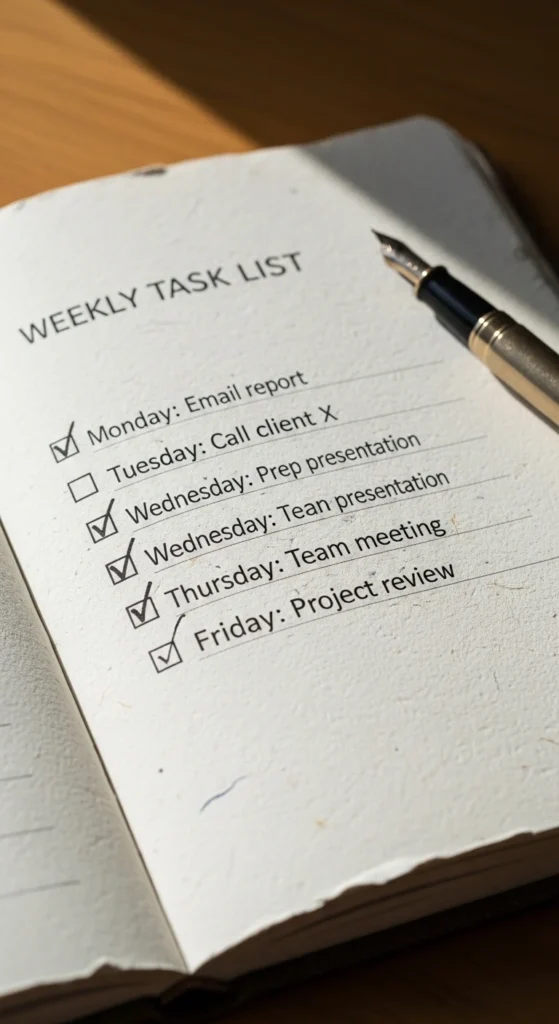
Write your top tasks for the week.
Focus on fewer tasks instead of many.
This keeps your week clear and organized.
23. Consistency Tracker Page

Track how many days you stay consistent with your system.
Focus on building streaks.
Consistency creates long-term results.
Conclusion
Productivity journaling works best when it stays simple and consistent. Each idea above helps you plan clearly, take action, and review your progress without feeling overwhelmed. You do not need complex systems or expensive tools. A basic notebook and a few minutes daily can help you stay focused and get more done with less stress.

Leave a Reply