


A well-designed weekly journal spread can turn a messy schedule into a clear, calm plan. Instead of juggling tasks in your head, you give each priority a place on paper. This creates focus, reduces stress, and helps you stay consistent. Whether you prefer minimal layouts or creative pages, the right structure makes your week easier to manage. Below are practical and simple weekly journal ideas you can start using right away.
1. The Classic Weekly Overview Spread
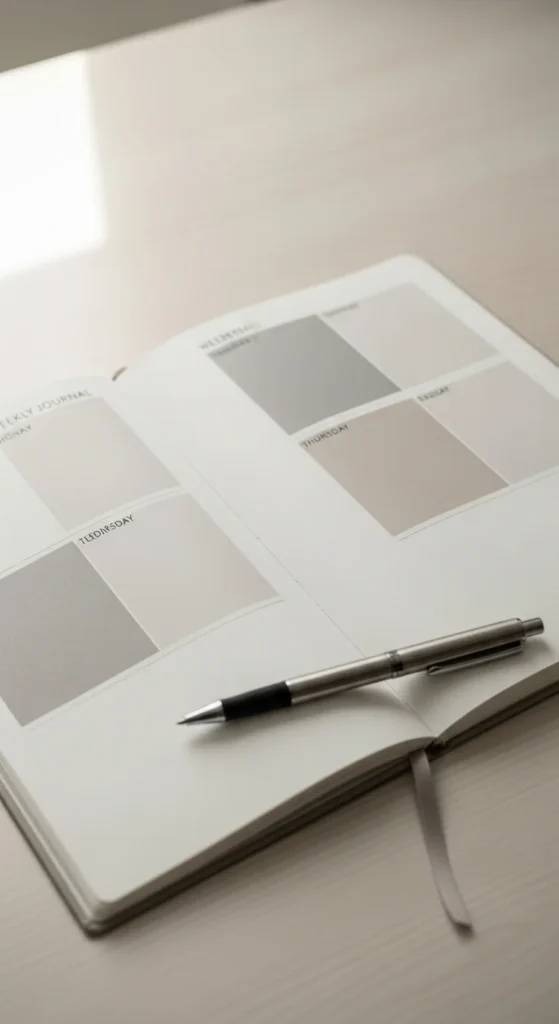
Start with a simple weekly overview. Divide your page into seven sections. One for each day.
This is one of the easiest ways to begin journaling. It gives you a clear snapshot of your week. You can quickly see what’s coming up.
Keep it simple. Use a ruler and pen. No fancy tools required.
Write key tasks only. Avoid overloading each day. Focus on what truly matters.
If you are on a budget, use any notebook. Even a school copy works fine.
Add small symbols like circles or stars to mark important tasks.
Review your spread every morning. Adjust if plans change.
This layout works well if you feel overwhelmed. It keeps everything visible and manageable.
Over time, you will naturally improve how you plan your days.
2. Top 3 Priorities Weekly Spread
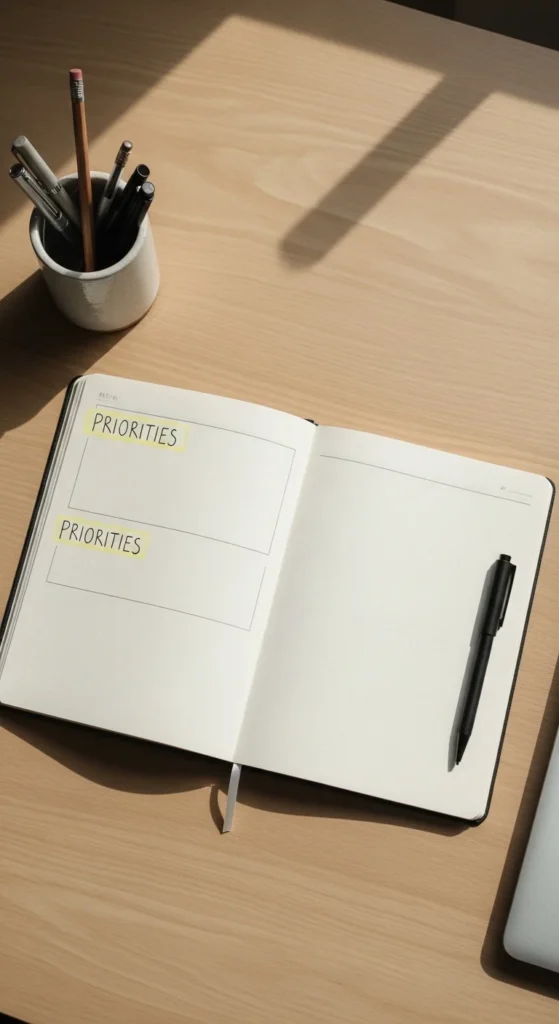
Instead of listing everything, focus on three main goals for the week.
Write them at the top of your page. These are your must-do tasks.
This method reduces stress. You stop trying to do everything at once.
Break each priority into small steps below it. Keep each step short.
Use a simple pen and highlighter. No need for expensive tools.
This spread works well if you feel stuck or distracted.
Each day, work toward one of the three goals.
At the end of the week, check your progress.
You will feel more in control. Even if small steps are done, it counts.
3. Time Blocking Weekly Layout
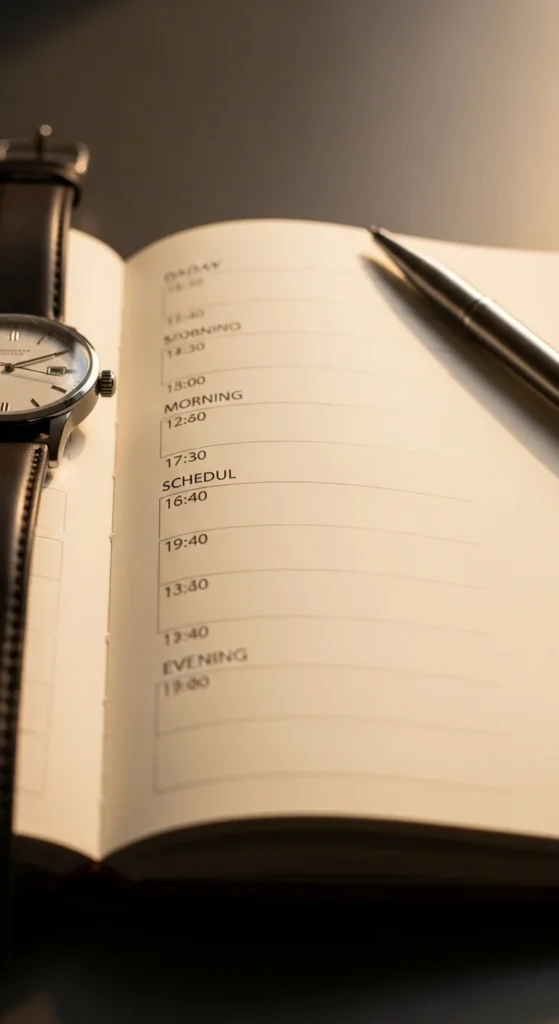
Divide your day into time blocks. Morning, afternoon, and evening.
Assign tasks to each block. This helps you stay focused.
Use simple lines. No need for perfect design.
Write tasks in pencil if you expect changes.
This layout helps you avoid wasting time.
It also shows if your day is too crowded.
If you work or study, this method is very useful.
You can even add breaks to your schedule.
Keep it realistic. Don’t fill every hour.
4. Brain Dump + Weekly Plan Spread

Start with a brain dump. Write everything on your mind.
Don’t organize yet. Just release thoughts.
Then move important tasks into your weekly plan.
This clears mental clutter.
Use one page for dumping. Another for planning.
This method works great at the start of the week.
It helps you think clearly.
No tools needed. Just pen and paper.
Repeat weekly for better focus.
5. Habit Tracker Weekly Spread
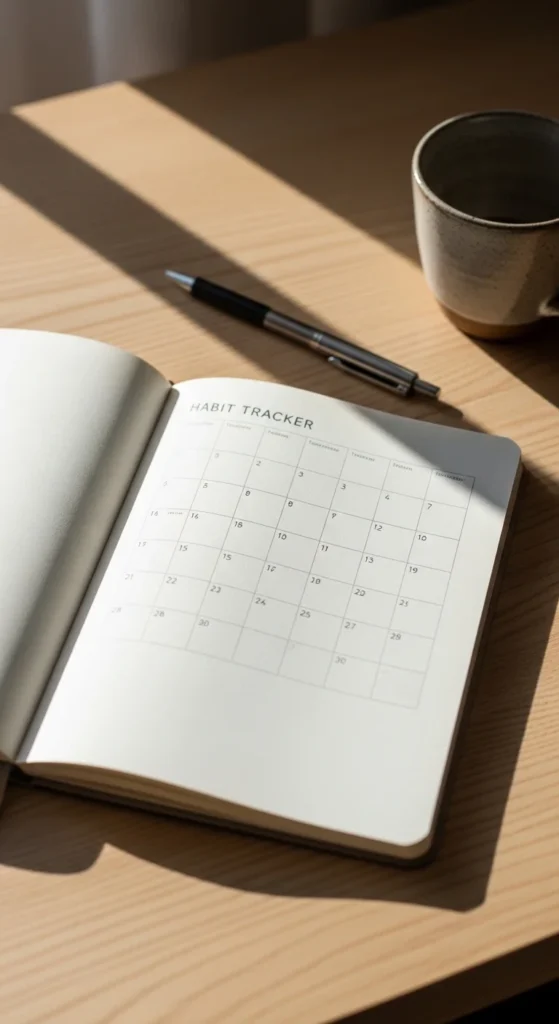
Create a grid. Each row is a habit. Each column is a day.
Track things like water intake, reading, or exercise.
Use checkmarks or dots. Keep it simple.
This builds consistency.
You don’t need fancy stickers. A basic pen works.
Seeing progress feels motivating.
Start with 3–5 habits only.
Too many habits can feel overwhelming.
6. Weekly Goals + Action Steps Layout

Write one main goal.
Then break it into small actions.
Each step should be easy to complete.
This keeps you moving forward.
Use arrows or lines to connect ideas.
Simple visuals help understanding.
Review progress mid-week.
Adjust steps if needed.
7. Weekly Reflection + Planning Spread

Divide your page into two parts. Reflection and planning.
Look at last week first.
Write what worked and what didn’t.
Then plan the new week.
This helps you improve continuously.
Keep your notes short.
Focus on learning, not perfection.
8. Minimalist Weekly Spread

Use only what you need.
No decorations. No extra sections.
Just days and tasks.
This reduces distractions.
Perfect if you prefer clean layouts.
Also saves time.
9. Weekly Focus Theme Spread

Choose one theme for the week.
Example: “Focus” or “Health”.
Let this guide your actions.
Write it at the top.
This keeps your week aligned.
Simple but effective.
10. Energy Tracker Weekly Layout

Track your energy daily.
High, medium, or low.
This helps you plan better.
Schedule hard tasks when energy is high.
Use simple symbols.
No complex design needed.
11. Weekly Wins Tracker
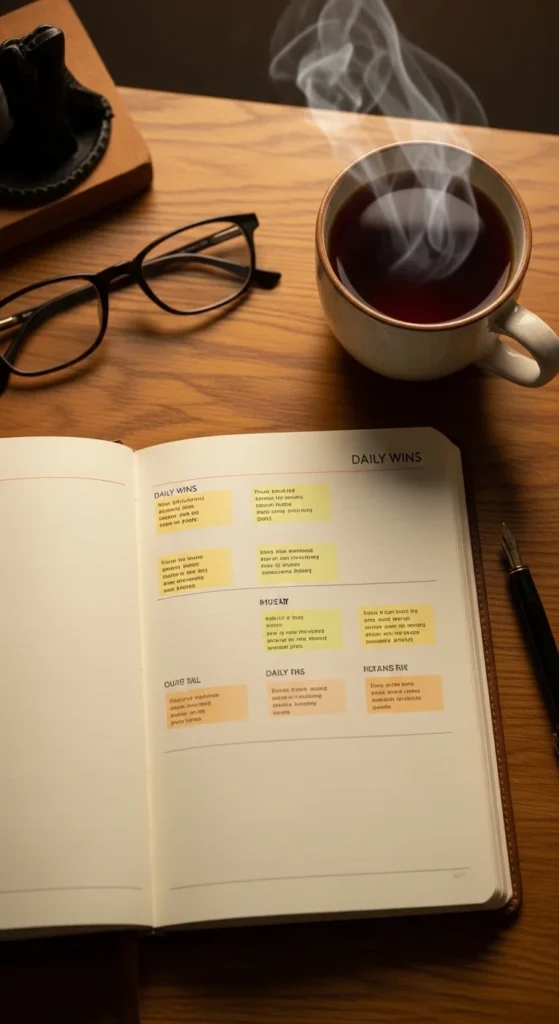
Write one win each day.
Big or small.
This builds confidence.
You notice progress more.
Use a simple list format.
Keep it quick.
12. Weekly Budget Planning Spread
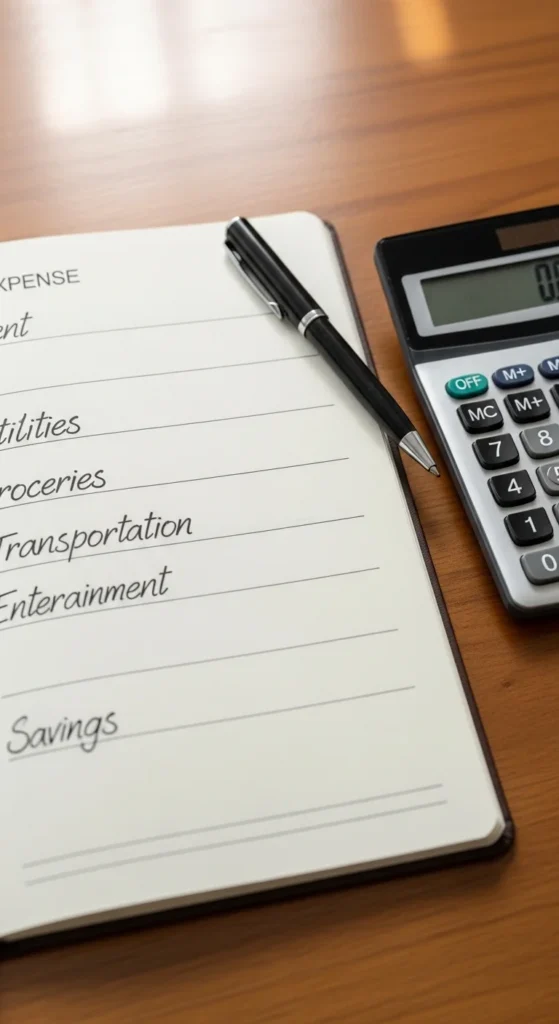
Track weekly spending.
Divide into categories.
Food, bills, and extras.
This improves money habits.
Use a basic notebook.
No need for apps.
13. Task Batching Weekly Layout
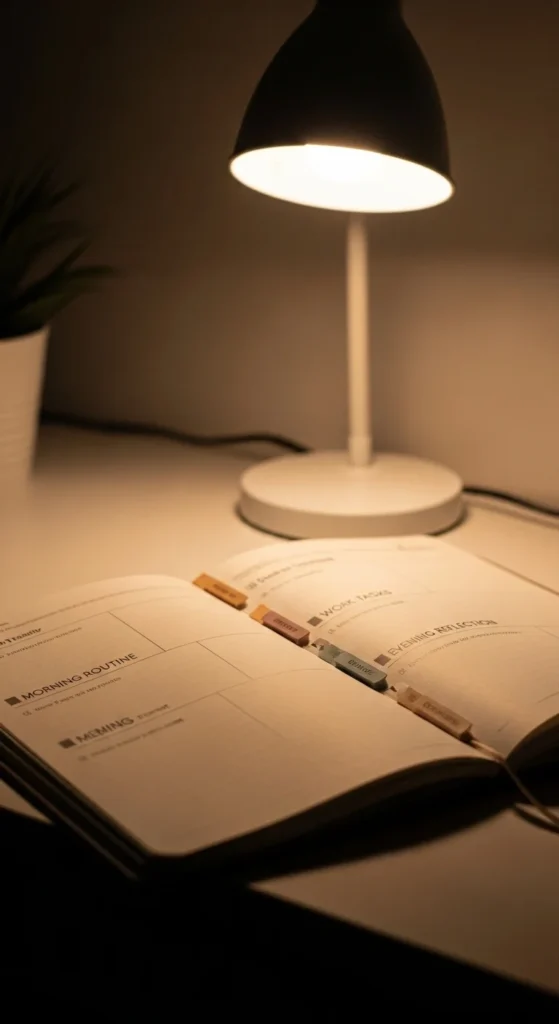
Group similar tasks.
Do them together.
This saves time.
Reduces switching between tasks.
Write batches clearly.
Example: calls, emails, errands.
14. Weekly Meal Planning Spread

Plan meals for each day.
This saves money and time.
Keep it simple.
Use basic ingredients.
Write grocery items below.
15. Weekly Cleaning Schedule

Assign small cleaning tasks daily.
This avoids big workload later.
Use simple lists.
Keep tasks short.
16. Gratitude Weekly Spread

Write 3 things you are grateful for daily.
This builds a positive mindset.
Keep it honest.
No need for long sentences.
17. Weekly Learning Tracker

Track what you learn daily.
Short notes only.
This improves memory.
And builds knowledge over time.
18. Weekly Social Planning Spread

Plan time with friends or family.
Write calls or meetups.
This keeps relationships active.
Simple but helpful.
19. Weekly Self-Care Plan

Schedule small self-care moments.
Walks, rest, or quiet time.
Keep it realistic.
Short breaks work best.
20. Weekly Reset Checklist

Create a reset list.
Clean space, plan week, review goals.
Check items off as you go.
This builds routine.
21. Weekly Review Questions Spread

Ask simple questions.
What worked? What didn’t?
Write short answers.
This improves awareness.
22. Weekly Project Planner
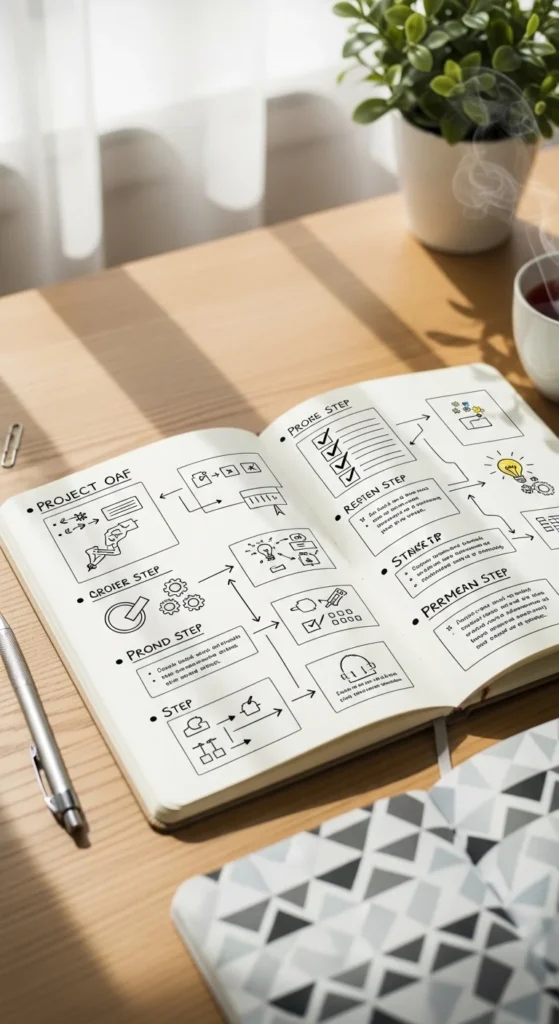
Pick one project.
Break into tasks.
Assign them across days.
Track progress easily.
23. Weekly Motivation Quotes Page

Write one quote for the week.
Something meaningful to you.
Keep it visible.
It helps during tough days.
24. Weekly Digital Detox Plan
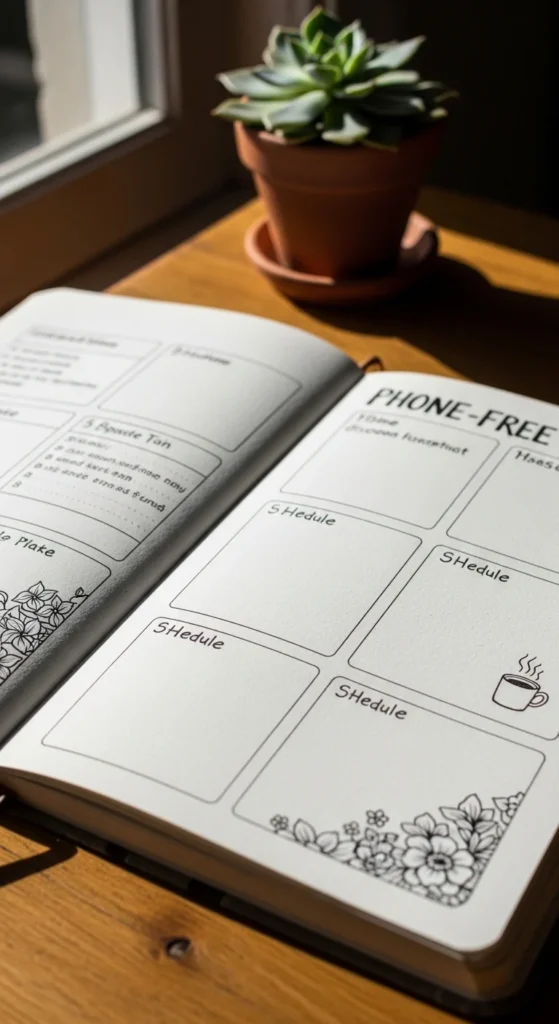
Plan screen-free hours.
Write specific times.
Use that time for real tasks.
Or rest.
25. Weekly Focus Timer Log
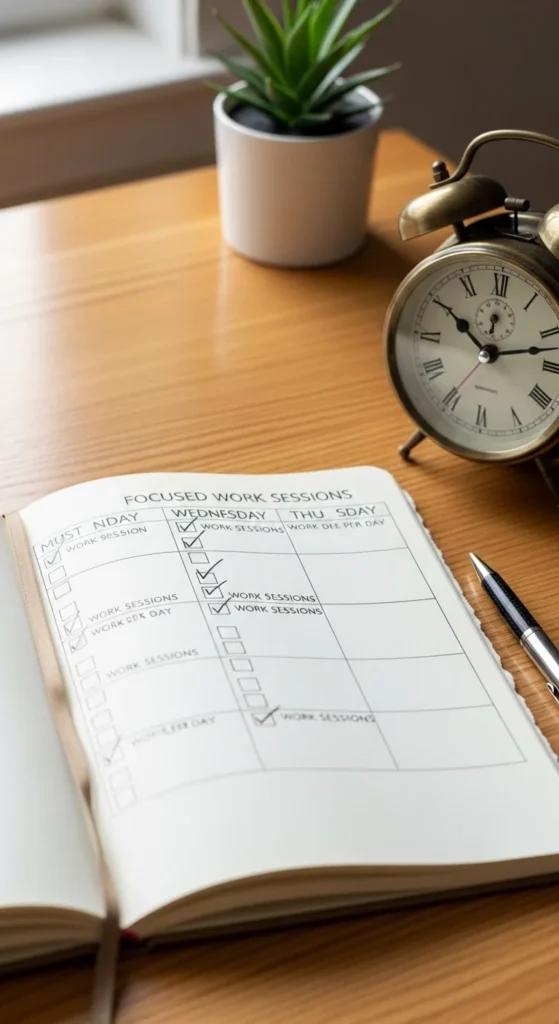
Track focus sessions.
Write how long you worked.
This builds discipline.
Start small.
26. Weekly Mood Tracker
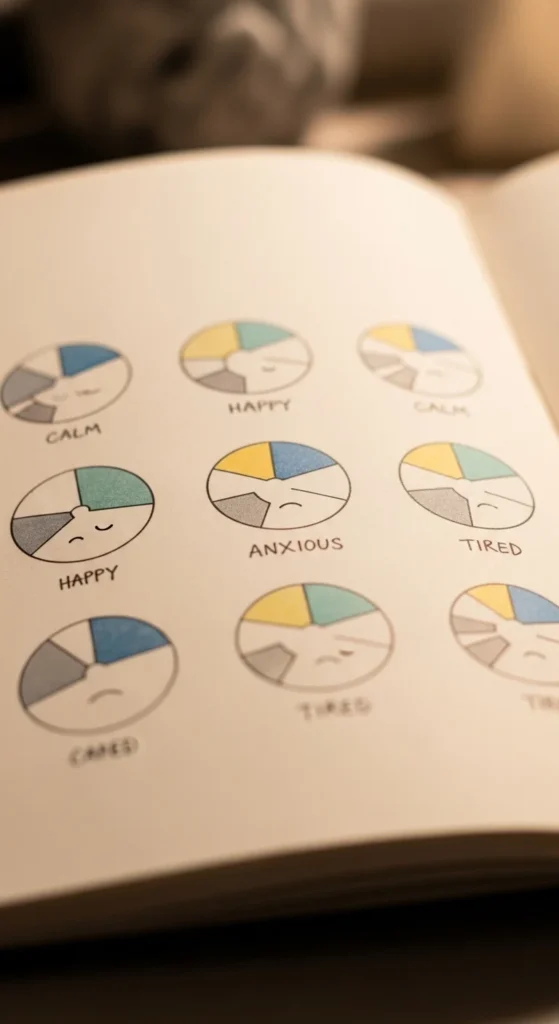
Track your mood daily.
Use colors or symbols.
This builds emotional awareness.
Keep it simple.
27. Weekly Reset + Fresh Start Spread

Use one page to reset everything.
Clear old tasks.
Set new intentions.
Keep it light.
Focus on what matters now.
This helps you start each week strong.
Conclusion
Weekly journal spreads give your time structure and clarity. You don’t need expensive tools or complex designs. A simple notebook and a pen are enough. Start with one or two ideas. Keep your system easy to follow. As you build the habit, planning your week will feel natural and stress-free.

Leave a Reply