

Finding a profitable dropshipping niche isn’t about guessing what’s trending—it’s about strategic validation. The difference between a struggling store and a high-converting one often comes down to one decision: choosing the right niche from the start.
Imagine launching a store where every product already has proven demand, low competition, and buyers actively searching for it. That’s exactly what smart niche selection can do for you.
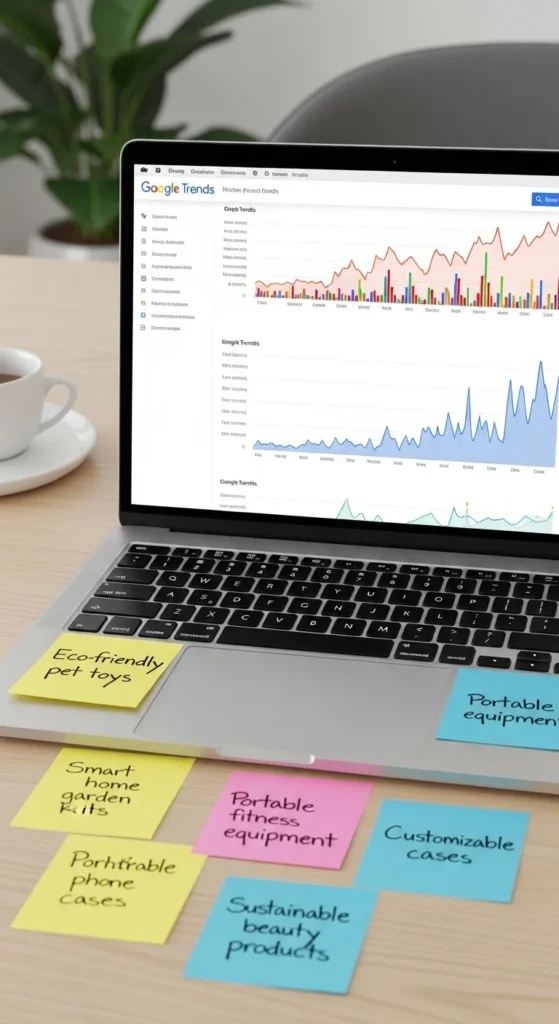
Step 1: Start With Real Demand (Not Guesswork)
Before you fall in love with any product idea, you need proof that people actually want it. Many beginners skip this step—and that’s why they fail.
Use simple validation tools:
- Google Trends (to check long-term interest)
- Keyword search volume tools
- Amazon Best Sellers categories
You’re looking for steady demand, not hype spikes. A niche that grows slowly but consistently is far more profitable than a viral trend that dies in a week.
A simple rule: if people aren’t searching for it, they won’t buy it.

Step 2: Drill Down Into Micro-Niches
One of the biggest mistakes in dropshipping is going too broad.
Instead of:
- ❌ Fitness products
Go for: - ✅ Yoga gear for seniors
- ✅ Home Pilates tools for beginners
- ✅ Posture correction accessories for office workers
Micro-niches work because they target specific pain points. When a product solves a very specific problem, conversion rates increase dramatically.
Ask yourself:
- Who exactly is this for?
- What specific problem does it solve?
- Can I narrow it further?
The more specific you go, the easier it becomes to dominate your niche.
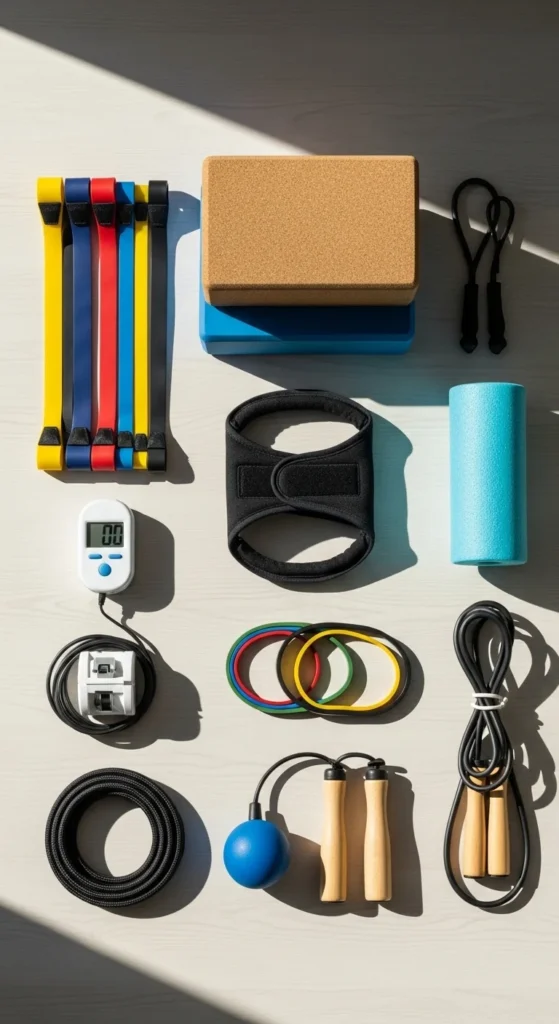
Step 3: Filter Out High-Competition Markets
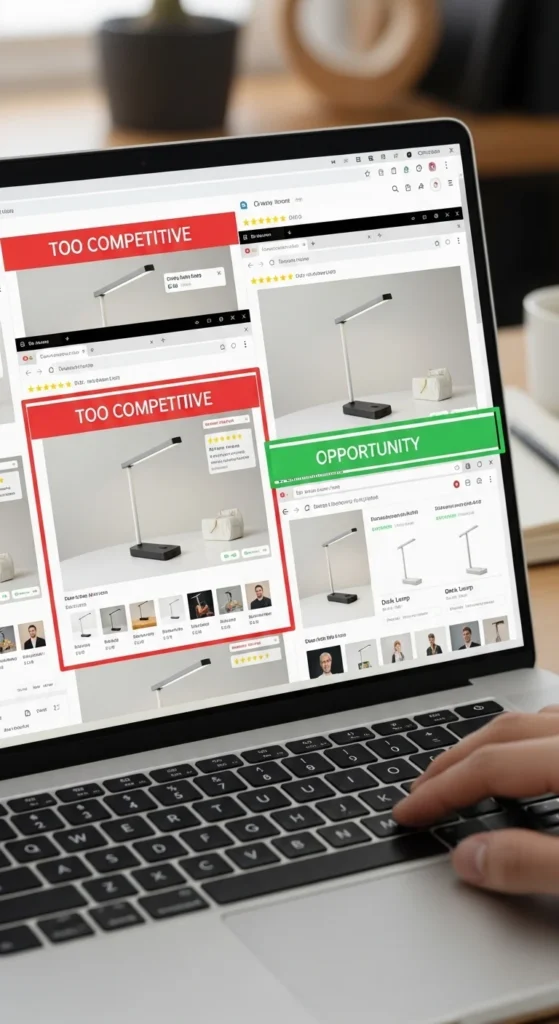
Even a good product can fail if competition is too strong. That’s why smart sellers use a “saturation filter.”
Look for:
- Fewer than 10 major Shopify competitors selling the same product
- Low review counts on similar listings
- Weak branding in existing stores
You’re not trying to avoid competition entirely—you’re trying to avoid overcrowded competition.
A great niche is one where demand is visible, but execution is still poor. That’s your opportunity window.
Step 4: Validate Profitability Before You Commit
A niche is only good if it makes money.
Your baseline should be:
- At least 50% profit margin after ads and shipping
- Products priced above impulse level ($30+ ideal)
- Low return risk and simple logistics
Also check:
- Shipping feasibility (lightweight products win)
- Supplier reliability (always order samples if possible)
Profitability is what turns a “fun idea” into a real business.
Step 5: Use Social Media to Test Real Demand
Before building a full store, test your niche where attention already exists.
Search your niche on:
- TikTok
- Instagram Reels
If people are already posting about it, sharing it, or buying it—you’re on the right track.
This step reveals emotional demand, not just search data. And emotional demand is what drives impulse purchases.

Step 6: Look for Evergreen + Seasonal Balance
The best niches don’t rely on one-time trends—they balance stability and seasonal spikes.
Ideal structure:
- Evergreen base products (consistent daily sales)
- Seasonal boosters (holiday or event spikes)
Examples:
- Pet supplies (evergreen) + Christmas pet gifts (seasonal)
- Fitness gear (evergreen) + New Year fitness boom (seasonal)
This combination keeps your store profitable year-round instead of relying on short bursts.
Step 7: Find Hidden Opportunities in Sub-Niches
Some of the most profitable niches are hidden inside bigger markets.
Look for:
- Breed-specific pet products
- Region-specific accessories
- Age-specific fitness or wellness tools
- Eco-friendly variations of popular products
These sub-niches often have:
- Less competition
- Higher emotional connection
- More loyal customers
When you go deeper, you stop competing—and start dominating.

Final Thoughts
Choosing a profitable dropshipping niche isn’t luck—it’s a system. When you validate demand, narrow your focus, check competition, and test real interest, you dramatically increase your chances of success.
The biggest secret? Winners don’t chase trends—they filter opportunities strategically.
Start with one niche today, run it through these steps, and refine until it feels almost “too obvious to fail.”
Save this guide and use it before launching your next store—you’ll avoid months of wasted effort and move straight into profitable territory.

Leave a Reply