

Most Etsy sellers don’t fail because of bad products—they fail because of bad pricing. They either price too low and burn out, or price too high and never get sales. The sweet spot? Pricing that covers costs, respects your time, and still feels attractive to buyers.

In this guide, you’ll learn how to price your Etsy products for real profit—without guessing, underselling, or constantly worrying about competitors.
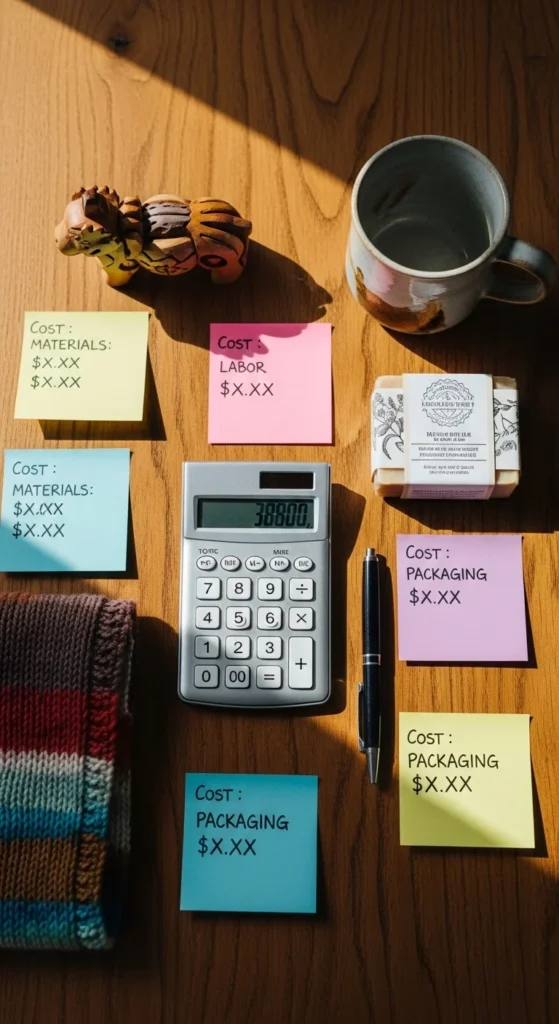
Step 1: Start with a Simple Cost-Plus Formula
The safest way to price anything on Etsy is the cost-plus method. It ensures you never sell at a loss.
Here’s the basic formula:
- Materials + labor + fees = total cost
- Total cost × 1.5 to 2 = selling price
This gives you a healthy starting profit margin while keeping things simple.
For example:
- Product cost: $10
- Fees + labor: $5
- Total: $15
- Price range: $22.50 – $30
This method keeps you grounded, especially when you’re just starting out.
Step 2: Always Include Etsy Fees (Don’t Ignore This!)
One of the biggest beginner mistakes is forgetting Etsy fees. On average, they take around 12–13% of each sale.
That includes:
- Listing fee
- Transaction fee
- Payment processing fee
If you ignore these, your “profit” can disappear quickly.
To stay safe:
- Add fees into your base cost
- Always calculate profit AFTER fees
- Use a buffer (5–10%) for surprises
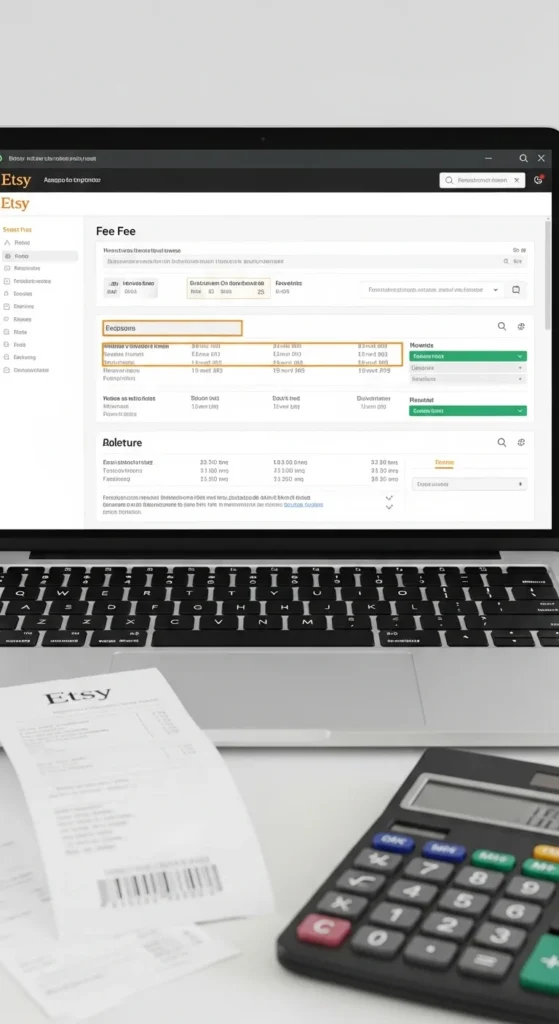
Think of fees as invisible expenses that must always be accounted for.
Step 3: Use Value-Based Pricing (Not Just Cost)
This is where most successful Etsy sellers level up.
Instead of asking:
“How much did this cost me?”
Ask:
“How much value does this give the buyer?”
People don’t just buy products—they buy:
- Identity (dog mom, teacher, gamer)
- Emotion (gift, memory, celebration)
- Convenience (ready-made designs)
So you can price higher if your product feels meaningful.
Examples:
- Personalized gift → higher price
- Unique niche design → premium price
- Generic design → lower price

Value always beats cost in the long run.
Step 4: Research Competitors (But Don’t Copy Them)
Competitor pricing gives you direction—not rules.
Look at:
- Mid-range listings (not cheapest, not premium)
- Review count and sales volume
- Product quality and presentation
Then position yourself strategically:
- If your product is similar → price in the middle
- If your design is better → go slightly higher
- If you’re new → start mid-range, not cheap
Avoid the “race to the bottom”—it kills profit fast.
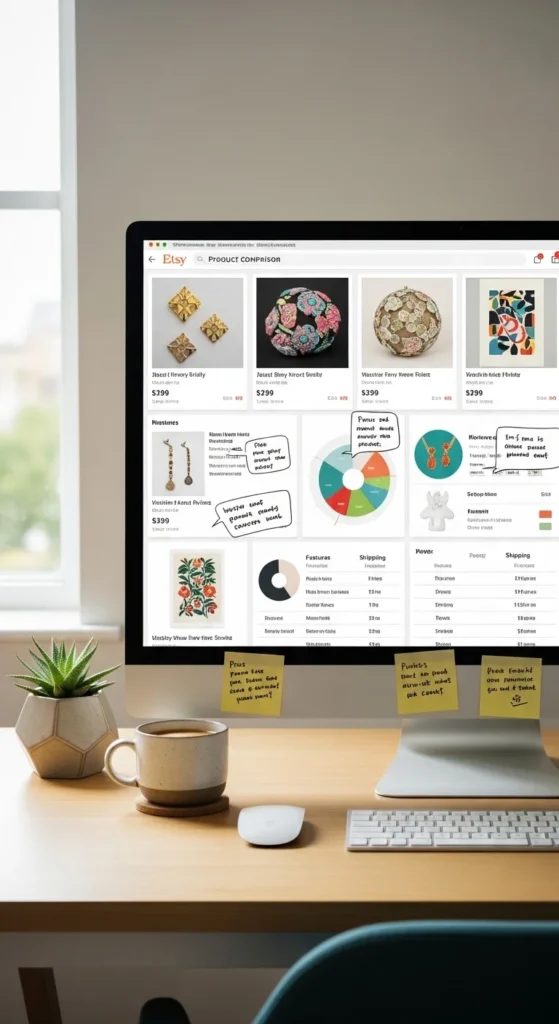
Your goal is smart positioning, not cheap competition.
Step 5: Use Tiered Pricing to Increase Profit
One of the most powerful Etsy strategies is tiered pricing.
Instead of one price, offer three:
- Basic version → lowest price
- Standard version → best seller
- Premium version → highest margin
Example:
- Simple T-shirt → $19.99
- Design upgrade → $24.99
- Personalized version → $29.99
This works because buyers naturally choose the middle option.
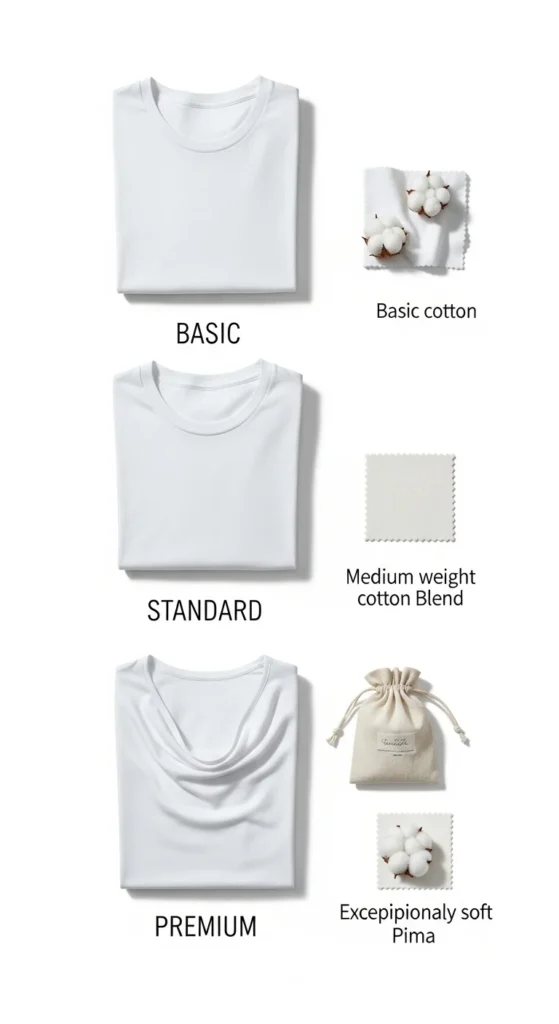
Tiered pricing increases both trust and average order value.
Step 6: Use Psychological Pricing Tricks
Small changes in pricing can make a big difference.
Try these proven tactics:
- $29.99 feels cheaper than $30
- Odd pricing (ending in 7, 9) increases clicks
- Bundles increase cart value
- Free shipping thresholds encourage bigger orders
Example:
- “Buy 2 and save 15%”
- “Free shipping over $35”
These tricks don’t change your product—they change perception.
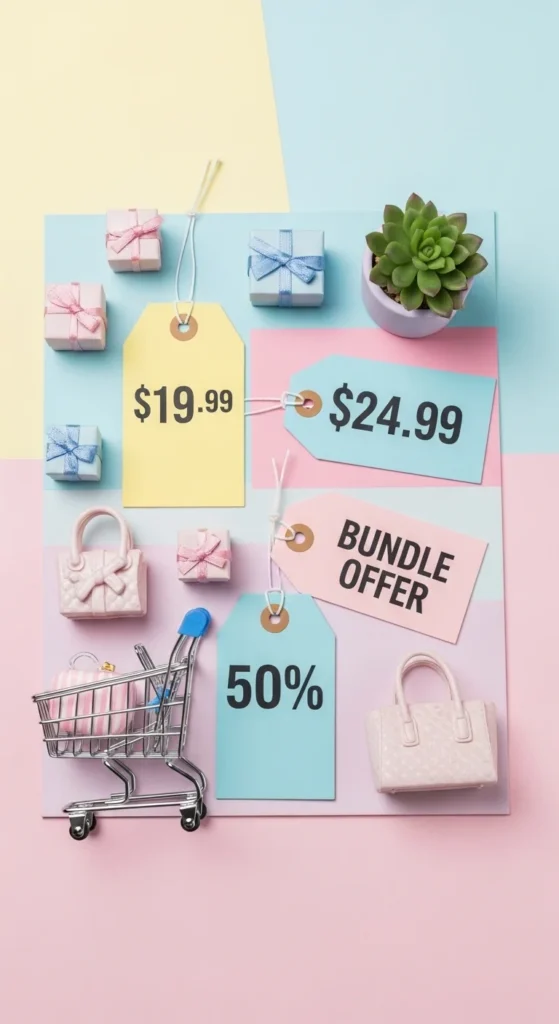
It’s not manipulation—it’s smart positioning.
Step 7: Track Profit and Adjust Regularly
Pricing is not “set and forget.”
Every month or quarter, review:
- Best-selling products
- Profit margins
- Conversion rates
- Competitor changes
If something isn’t working:
- Raise prices slowly
- Test new price points
- Remove low-profit listings
Even a $2 increase can dramatically improve your income over time.
Final Thoughts
Pricing Etsy products for profit is all about balance:
- Cover your costs
- Respect your time
- Understand buyer psychology
- Position yourself smartly
If you price too low, you’ll burn out. If you price strategically, you build a sustainable business.
Start simple, test often, and don’t be afraid to charge what your work is truly worth.
Save this guide for later—and the next time you list a product, price it like a business, not a hobby.

Leave a Reply