

Imagine turning your knowledge into a steady stream of income—without needing a physical office, expensive equipment, or a massive following. That’s exactly what online courses can do. From cooking to coding, fitness to freelancing, people are willing to pay to learn from someone they trust. Creating an online course might seem overwhelming, but with the right strategy, it’s surprisingly doable—and profitable.

Step 1: Choose a Profitable Course Topic
The best course topics sit at the intersection of your skills and market demand. You don’t need to be a world-class expert—just a few steps ahead of the people you want to teach.
Ask yourself:
- What do people often ask me to help with?
- What skill have I mastered that others are still learning?
- What problems can I solve clearly and simply?
To validate your idea:
- Search your topic on platforms like Udemy, Skillshare, or Teachable to see what’s trending.
- Look at Pinterest and Google search trends.
- Join niche communities and note frequently asked questions.
If people are already paying to learn something similar, that’s a good sign. You just need your unique angle or style.

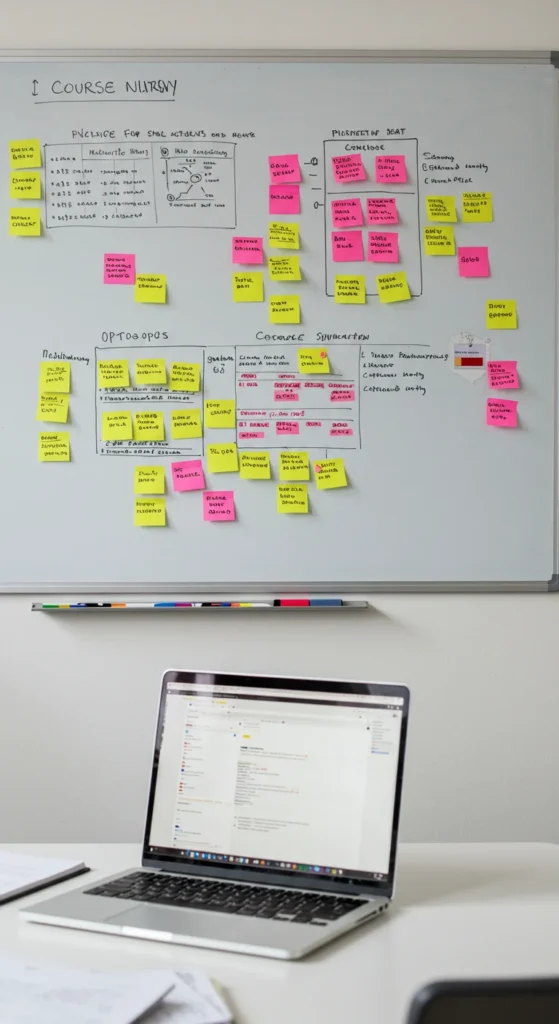
Step 2: Plan Your Course Structure
Before hitting record, you need a clear outline. This keeps your content organized and makes the learning experience smooth for students.
A simple structure:
- Introduction Module – Set expectations and build excitement.
- Core Lessons – Break your topic into bite-sized, actionable sections.
- Bonus or Advanced Lessons – Offer extra value to stand out.
- Wrap-Up – Summarize and give next steps.
Tips:
- Keep lessons short (5–10 minutes works best).
- Include checklists, templates, or worksheets for added value.
- End each module with a small action step so students make real progress.
Step 3: Choose the Right Format and Tools
Your course can take different formats depending on your style and audience:
- Video Lessons – Most popular and engaging
- Audio Lessons – Great for busy learners on the go
- Text-Based Lessons – Good for step-by-step guides or written material
- Mixed Format – A combination of all three for variety
Recommended tools:
- Recording: Loom, OBS Studio, or even your smartphone camera with good lighting.
- Editing: iMovie, CapCut, or Camtasia for clean, professional videos.
- Hosting: Teachable, Thinkific, Podia, or Gumroad to deliver content and collect payments.
Don’t overcomplicate—start simple and improve as you go.

Step 4: Set a Price That Reflects Value
Pricing can feel tricky, but remember: people pay for transformation, not just information.
Here are a few pricing strategies:
- Entry-Level Courses ($20–$50): Ideal for short, beginner-friendly lessons.
- Mid-Tier Courses ($100–$300): Great for in-depth, multi-module programs.
- Premium Courses ($500+): Perfect for specialized skills, certifications, or coaching support.
Consider:
- Your target audience’s budget
- How much value and support your course provides
- Competitor pricing for similar topics
You can also offer early-bird discounts, tiered pricing, or payment plans to make your course more accessible.
Step 5: Market Your Course Strategically
A great course won’t sell itself—you need a marketing plan. Luckily, you don’t need a huge following to get started.
Here are some effective strategies:
- Leverage Pinterest: Create eye-catching pins that lead to your course landing page or free lead magnets.
- Build an Email List: Offer a free mini-guide or webinar to attract subscribers.
- Share Valuable Snippets: Post short lessons, tips, or behind-the-scenes clips on Instagram, TikTok, or LinkedIn.
- Collaborate with Others: Partner with bloggers, podcasters, or influencers in your niche.
- Offer a Free Workshop: Give a taste of your course value to convert attendees into paying students.

Step 6: Deliver a Great Student Experience
Your students’ success is your best marketing tool. Happy learners share your course and bring in referrals.
Ways to improve their experience:
- Respond to questions quickly and offer support.
- Create a private community group for students to connect.
- Collect feedback regularly to make improvements.
- Add surprise bonuses like templates, live Q&A sessions, or extra lessons.
When students get real results, your course becomes a trusted resource they’ll recommend.
Final Takeaway: Teach Once, Earn Many Times
Creating an online course is one of the smartest ways to monetize your knowledge. You build it once, but it can generate income for months or even years with the right marketing.

Leave a Reply