

Do you have a sharp eye for spelling mistakes and grammar errors? Love catching typos in articles, emails, or even friends’ posts? Then proofreading could be your perfect work-from-home income stream.
The best part: You don’t need a degree, expensive tools, or years of experience to get started. With a laptop, a good internet connection, and a bit of practice, you can turn this skill into a profitable side hustle or full-time job.
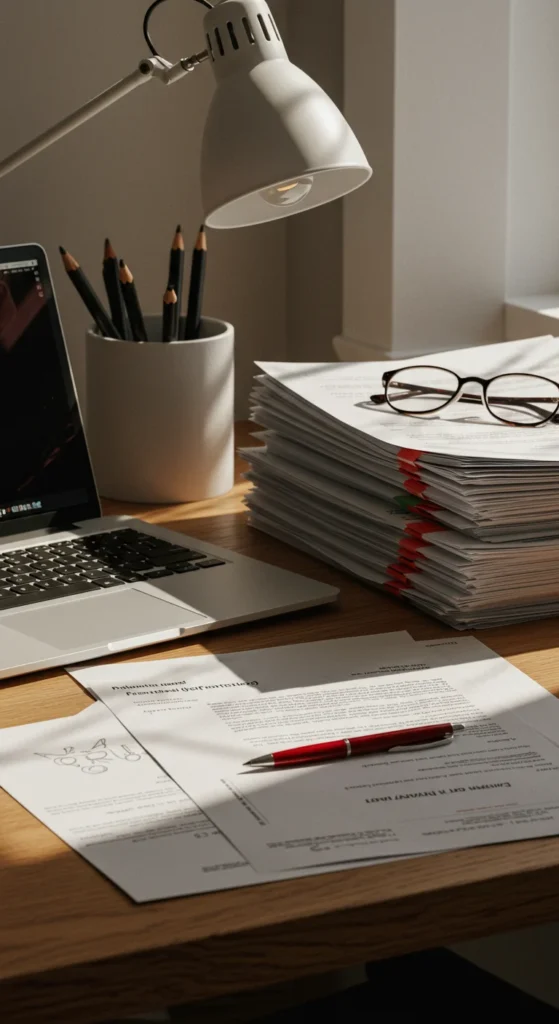
Understand What Proofreading Is (And Isn’t)
Before you dive in, it’s important to know what proofreading actually involves. Many people confuse it with editing, but they’re not exactly the same.
Proofreading focuses on surface-level errors such as:
- Spelling mistakes
- Grammar slips
- Punctuation errors
- Formatting inconsistencies
- Typos and repeated words
Editing, on the other hand, involves restructuring sentences, improving clarity, and changing tone. As a proofreader, your main job is to make sure a document is clean, consistent, and error-free — right before it’s published or submitted.
Common materials proofreaders work on include:
- Blog posts and articles
- Ebooks and manuscripts
- Student essays and academic papers
- Business proposals, reports, and resumes
- Marketing materials like emails and brochures
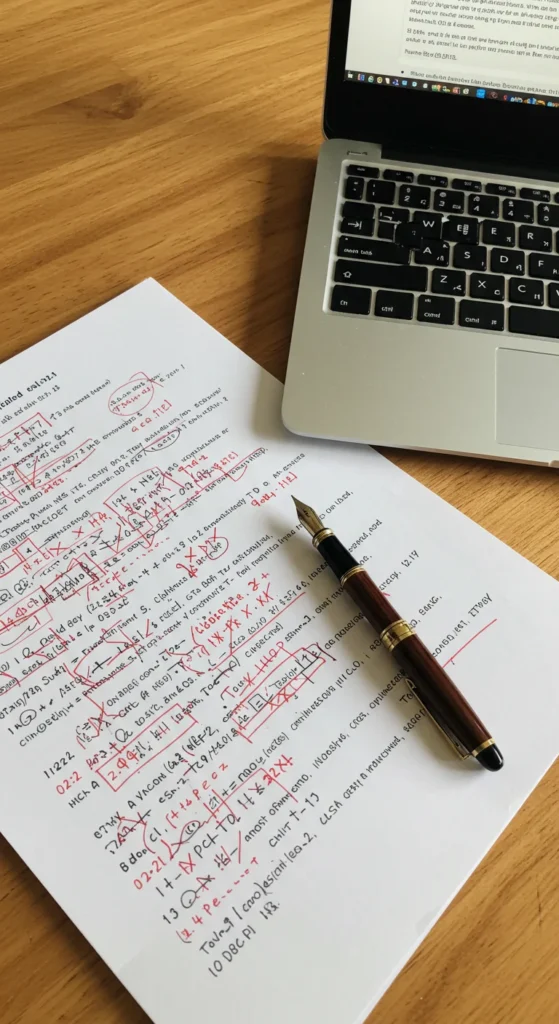
Build Your Skills with Free Practice
You don’t need years of training to become a good proofreader — but you do need to practice intentionally. Start by sharpening your grammar and punctuation skills with free online tools and resources.
Here’s how to get started:
- Take free proofreading tests online to assess your current level.
- Brush up on grammar using resources like Grammarly’s blog or Purdue OWL.
- Read high-quality content daily to train your eyes to catch subtle errors.
- Practice proofreading random articles, newsletters, or even your old school essays.
You can also download sample documents online and mark errors manually, just like a real client would expect.
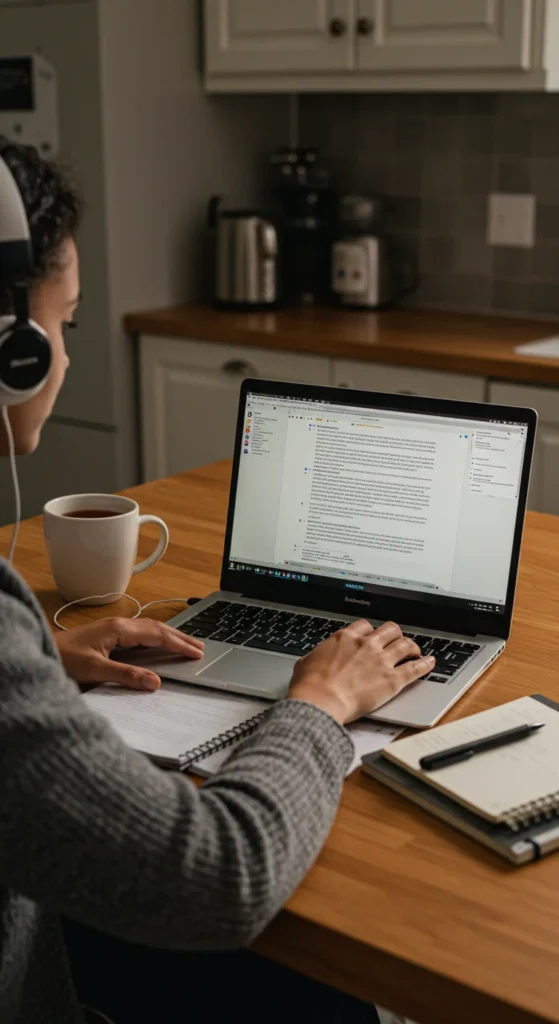
Set Up Your Work-From-Home Toolkit
To work efficiently as a proofreader, you’ll need a simple but reliable setup. You don’t need fancy equipment — just the essentials that help you focus and deliver error-free work.
Your basic toolkit should include:
- A laptop or desktop with a stable internet connection.
- A grammar checker tool (e.g., Grammarly, ProWritingAid) for double-checking.
- A style guide (e.g., APA, Chicago Manual of Style) if working on academic or formal content.
- Comfortable workspace with good lighting.
- Optional: noise-canceling headphones to minimize distractions.
Find Legitimate Proofreading Jobs
Once you’ve practiced and set up your workspace, it’s time to start earning. Thankfully, there are plenty of platforms and opportunities where beginner proofreaders can find paying work.
Some great places to find jobs include:
- Freelance platforms: Upwork, Fiverr, Freelancer.
- Specialized proofreading sites: ProofreadingServices.com, Scribendi, Gramlee.
- Job boards: ProBlogger, FlexJobs, LinkedIn Jobs.
- Networking: Join Facebook groups or LinkedIn communities for editors and writers.
- Cold outreach: Email small businesses, bloggers, or self-published authors who may need help.
Start with smaller projects to build confidence and collect testimonials. Over time, you can increase your rates and target higher-paying clients like publishing houses or corporate clients.
Grow Your Income Over Time
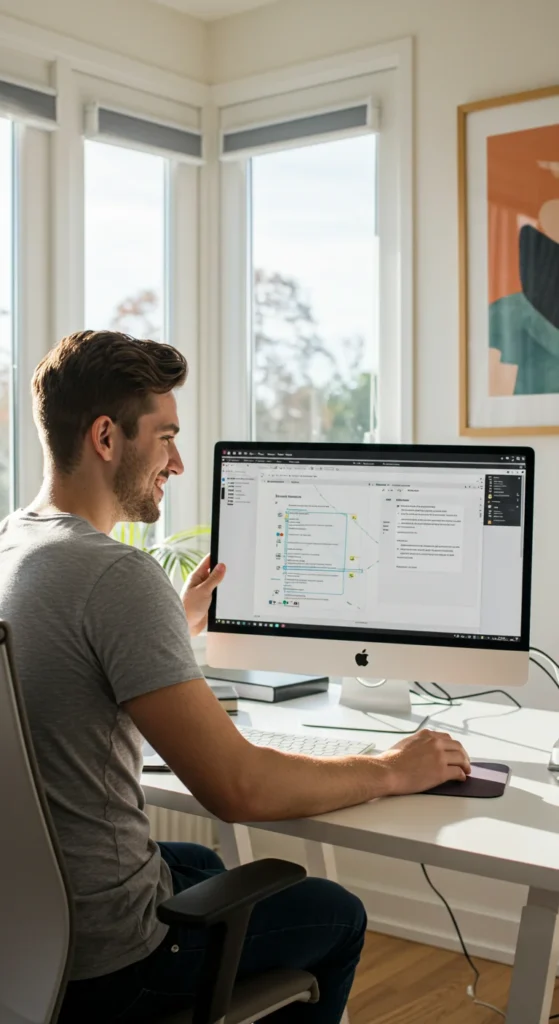
Proofreading can start as a side hustle and grow into a steady, well-paying career. Once you gain experience, there are multiple ways to boost your income:
- Niche down – specialize in academic papers, legal documents, or fiction manuscripts.
- Raise your rates as your skills and portfolio grow.
- Offer related services like light editing, formatting, or transcription.
- Build a personal website showcasing your services, testimonials, and portfolio.
- Create recurring clients by working with content creators or businesses that produce regular work.
With consistency, experienced proofreaders can earn $25–$50+ per hour, all from the comfort of home.
Final Takeaway
Proofreading is a flexible, beginner-friendly way to make money from home. With good grammar skills, attention to detail, and a bit of practice, you can turn this into a reliable income source — whether part-time or full-time.
So grab that red pen (or track changes tool), find your first gig, and start your journey toward getting paid to polish words.

Leave a Reply